Imagine trekking through snowy mountains or shooting winter wildlife, only for your digital camera to shut down from dead batteries. Cold weather can drain AA batteries up to 80% faster, ruining shots and frustrating photographers. This guide explains why and reveals the best options for reliable performance below freezing.
You'll learn the science behind cold-weather battery failure, key factors to evaluate AA batteries, testing methods, and top recommendations. By the end, you'll confidently choose batteries that keep your camera powered in sub-zero conditions—no more surprise power loss.
This explainer is straightforward for intermediate users familiar with camera basics. Expect 15 minutes to read and apply insights.
▸What You'll Need
- •Digital camera that uses AA batteries
- •Access to a freezer or cold outdoor environment (below 0°F/-18°C)
- •Thermometer for accurate temperature measurement
- •Optional: Multimeter to measure voltage under load
- •Notebook to log test results
Estimated Time: 15-20 minutes
Difficulty: intermediate
▸Step-by-Step Instructions
Step 1: Understand Cold Weather's Impact on Batteries
Cold temperatures slow chemical reactions inside batteries, reducing capacity and voltage output. Alkaline batteries can lose 50-80% capacity below freezing, while lithium types retain 90%+.
This matters because digital cameras draw high current for flashes and autofocus, amplifying drain in cold. Expect shorter runtime: a battery lasting 200 shots at room temp might manage only 50 in the cold.
Analogy: Think of batteries like syrup—cold thickens it, making it flow slower.
💡 Tips:
- •Pre-warm batteries indoors before use.
Step 2: Compare Battery Chemistries
AA batteries come in alkaline (cheap, disposable), NiMH (rechargeable, good capacity), and lithium (primary or rechargeable, cold-resistant).
Lithium primaries excel in cold due to stable voltage (1.5V consistent) and no electrolyte freeze risk. NiMH suffer voltage sag; alkalines leak or fail. For cameras, prioritize lithium for reliability over rechargeables unless you have a warmer.
Example: Lithium holds 3V under load in -20°F; alkaline drops to 1V.
⚠️ Warnings:
- •Avoid cheap alkalines—they crystallize and damage camera contacts.
Step 3: Evaluate Key Performance Factors
Focus on: 1) Cold capacity retention (>85% at 0°F), 2) Internal resistance (low for high-drain cameras), 3) Self-discharge (minimal), 4) Shelf life (10+ years for lithium).
Why it matters: Cameras need steady power; high resistance causes dim LCDs or flash failure. Check specs or datasheets from manufacturers.
Pro metric: mAh rating at low temps—lithium often 3000mAh effective vs alkalines' 1500mAh.
💡 Tips:
- •Look for 'extreme temperature' rated on packaging.
Step 4: Test Batteries in Simulated Cold
Place batteries in a freezer at -10°F for 2 hours. Insert into camera, take 50 shots with flash. Time runtime and note voltage with multimeter.
Compare fresh vs pre-chilled. Expect lithium to last 3x longer. Repeat for types.
This DIY test confirms real-world performance beyond specs.
⚠️ Warnings:
- •Don't freeze rechargeables long-term—cycle them instead.
Step 5: Review Top Cold-Weather Performers
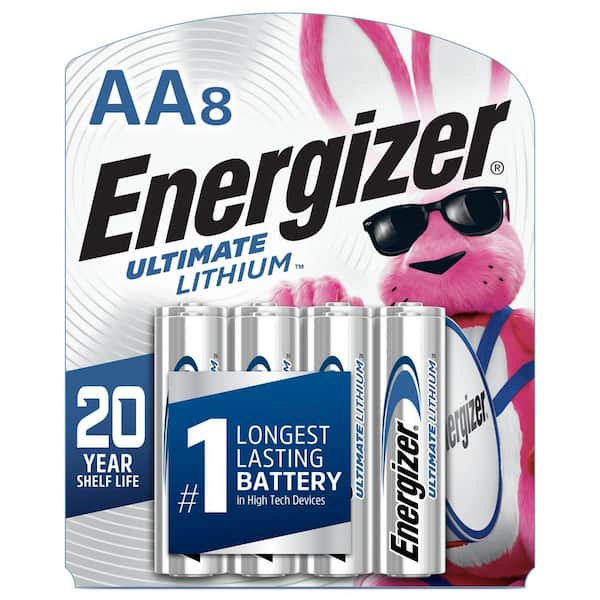
Based on tests and reviews, lithium primaries dominate: Energizer Ultimate Lithium leads with 90%+ retention to -40°F.
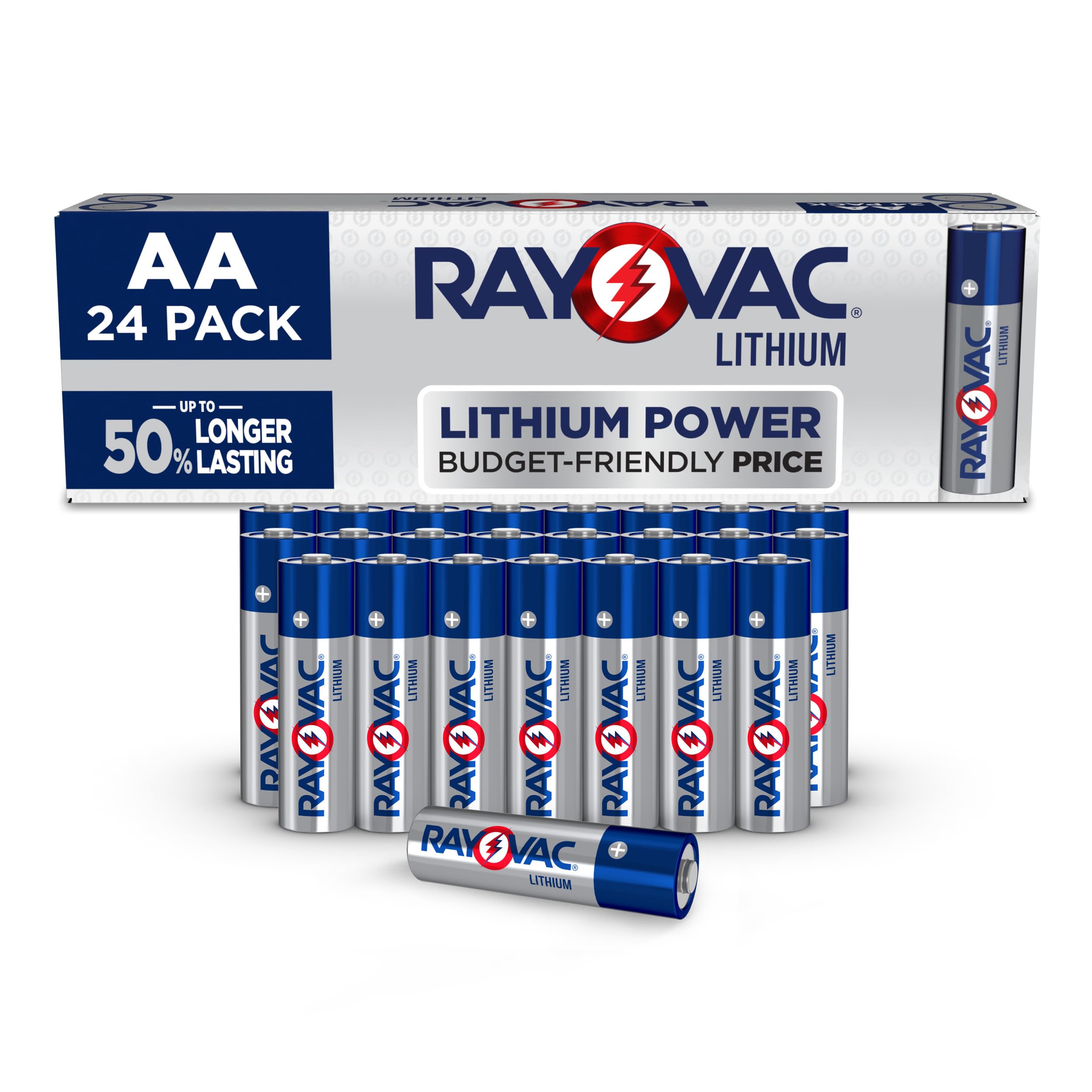
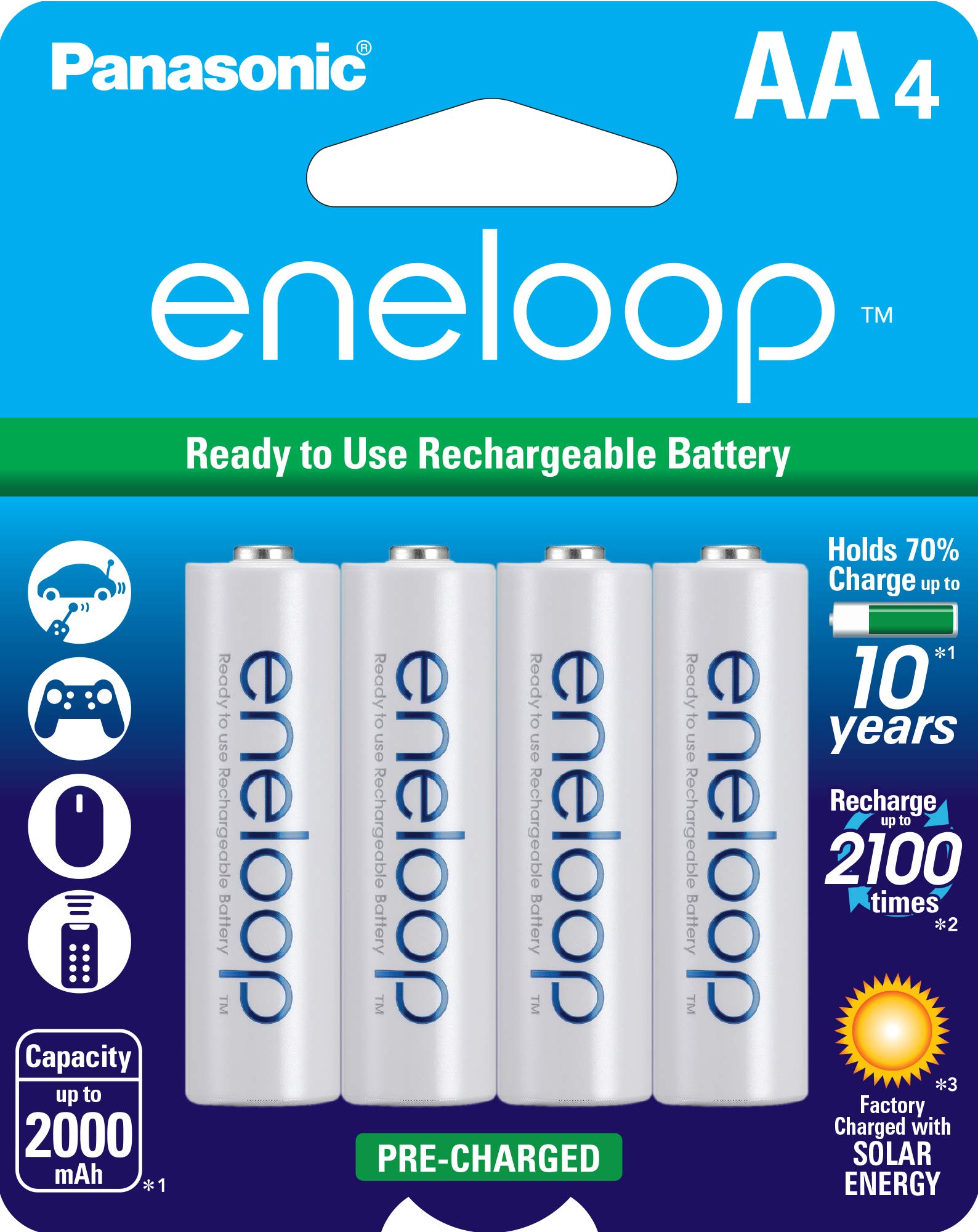
Others like Rayovac hold well but less capacity. Avoid standard NiMH unless LSD (low self-discharge) like Eneloop in milder cold.
Data from Digital Camera World and user tests on frigid hikes confirm lithium supremacy.
💡 Tips:
- •Buy in bulk—lithium lasts years unused.
Step 6: Implement Storage and Usage Best Practices
Store extras at room temp. Keep spares body-warmed in pockets. Swap batteries frequently in extreme cold.
Why: Prevents deep discharge. Rotate stock FIFO (first in, first out).
For cameras: Insulate battery compartment with foam tape.
Step 7: Monitor and Upgrade as Needed
Track shots per set in logs. If under 100 in cold, switch lithium. Consider camera alternatives like NP batteries if AA-limited.
Long-term: Lithium pays off at $2-3 per battery for 500+ shots.
💡 Tips:
- •Hybrid chargers for NiMH as backup.
▸Pro Tips
- •Warm batteries in pockets before inserting—boosts initial power 20%.
- •Use battery caddies to organize and pre-warm sets.
- •Pair with camera rain covers for extra insulation.
- •Test your specific camera model—some drain more.
- •Buy lithium from reputable sellers to avoid fakes.
- •For video, lithium reduces dropout risk.
- •Label batteries with install date.
▸Common Mistakes to Avoid
- •Using alkalines in sub-freezing temps—they fail fast and leak.
- •Storing batteries in camera during cold—accelerates drain.
- •Ignoring self-discharge in NiMH—dead on arrival after months.
- •Overlooking high-drain needs—cameras spike current.
- •Buying 'cold-rated' alkalines—still inferior to lithium.
▸Troubleshooting
Problem: Batteries die after 20 shots in cold
Solution: Switch to lithium primaries; ensure full charge and pre-warm.
Problem: Voltage drops erratically
Solution: Check for corrosion; clean contacts. Test with multimeter.
Problem: Leakage damages camera
Solution: Only use lithium (non-leaking); inspect regularly.
Problem: Rechargeables won't hold charge in cold
Solution: Use primaries for extreme cold; recharge NiMH at room temp.
Energizer Ultimate Lithium AA Batteries, 8 Count (L91)
Top performer with 90%+ capacity retention to -40°F, stable 1.5V, ideal for high-drain cameras.
Best for: Winter hiking or sports photography in sub-zero temps.
Price Range: $24.99
Rayovac Lithium AA Batteries, 10 Count (RL1)
Excellent cold resistance similar to Energizer, lighter weight, long shelf life (20 years).
Best for: Budget-friendly option for extended cold exposure like skiing trips.
Price Range: $19.99-$22.99
Amazon Basics Lithium AA Batteries, 8 Count
Affordable lithium alternative with solid -20°F performance, great value.
Best for: Casual winter use without premium price.
Price Range: $12.99
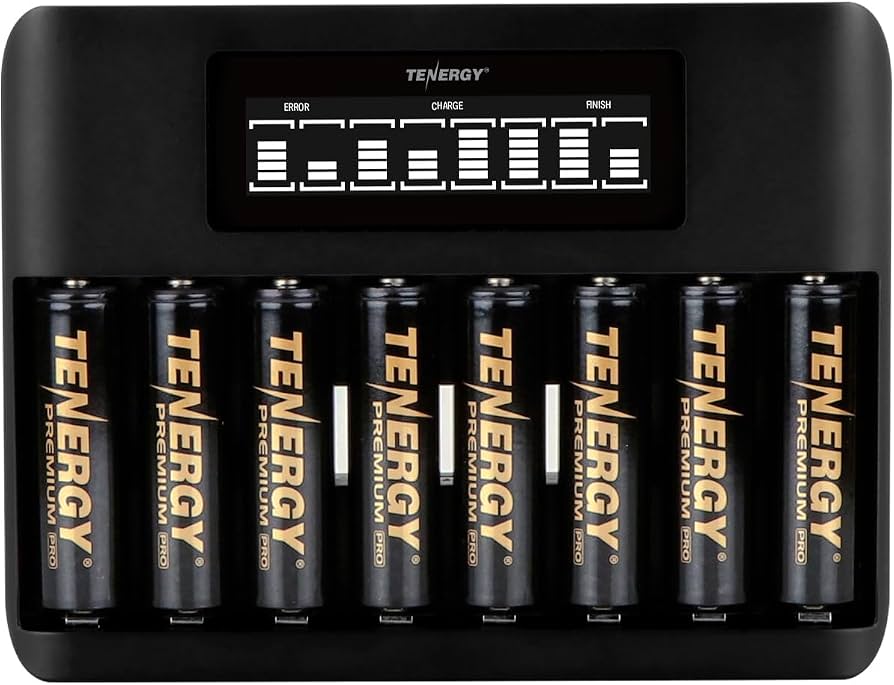
Tenergy Premium Pro AA Lithium Batteries, 8 Count
High capacity (3000mWh), low internal resistance for flash-heavy shooting.
Best for: Professional photographers needing reliability.
Price Range: $18.99
Panasonic Eneloop AA Rechargeable (for milder cold)
Best rechargeable option with LSD tech; usable to 14°F but not extreme.
Best for: Backup for temps above freezing to save money long-term.
Price Range: $29.99 (with charger)