Frustrated by your smartwatch dying mid-workout or before bedtime? Many users face short battery life in fitness trackers and older smartwatches that rely on 3V coin cell batteries. The good news: picking the right battery can double or triple usage time.
In this guide, you'll discover what makes a 3V battery ideal for smartwatches, key specs for longevity, top recommendations, and simple replacement steps. No technical expertise needed—we break it down for beginners. Expect to spend 10-15 minutes reading and identifying your needs, with actionable advice to upgrade today.
By the end, you'll confidently select batteries that last longer, reducing waste and hassle.
▸What You'll Need
- •Your smartwatch model number (check manual or back)
- •Small Phillips screwdriver (optional, for battery compartment)
- •Battery tester or multimeter (optional, to check voltage)
- •Clean cloth and isopropyl alcohol (for cleaning contacts)
Estimated Time: 10-15 minutes
Difficulty: beginner
▸Step-by-Step Instructions
Step 1: Understand 3V Coin Cell Batteries
3V batteries are small, flat 'coin cells' like CR2032 or CR2025, powering low-drain devices such as smartwatches, fitness trackers, and heart rate monitors. They're lithium-based for stability—no recharge needed, just replace when dead.
Why 3V? Smartwatches need steady voltage without bulk. Analogy: like a tiny fuel cell for your wrist gadget. Expect 3-6 months life depending on usage.
Image description: Diagram showing coin battery sizes (CR2016, CR2025, CR2032) next to a smartwatch.
💡 Tips:
- •Memorize: CR = lithium, number = diameter x thickness (e.g., 20mm wide, 3.2mm thick)
⚠️ Warnings:
- •Never use alkaline AA/AAA—wrong voltage damages device
Step 2: Identify Your Smartwatch's Battery Type
Check your model's manual, app, or battery compartment label. Common for Garmin, Fitbit, older Apple Watch bands: CR2032 (most popular, 220mAh capacity).
Why it matters: Wrong size won't fit. Open compartment carefully—most snap open with thumbnail or tool.
Expect: Symbols like 'CR2032' stamped on battery.
💡 Tips:
- •Search '[your model] battery type' online for confirmation
Step 3: Key Spec #1: Capacity (mAh) for Longer Runtime
Higher mAh = more power stored. CR2032 (220-240mAh) beats CR2016 (90mAh). For longevity, aim 200mAh+.
Real-world: High-capacity lasts 4-8 weeks vs. 2-4 on low-end. Like a bigger gas tank.
⚠️ Warnings:
- •Cheap generics often lie about mAh—test with multimeter
Step 4: Key Spec #2: Shelf Life and Low Self-Discharge
Top batteries last 10+ years on shelf with <1% annual drain. Lithium chemistry excels here.
Why? Smartwatches draw tiny current (microamps)—low leak means full power when installed.
💡 Tips:
- •Look for '10-year shelf life' on packaging
Step 5: Key Spec #3: Brand Reliability and Quality Control
Brands like Energizer, Duracell, Panasonic use pure lithium—no impurities causing early fail. Avoid no-names (leak, explode risk).
Expect consistent voltage (3.0-3.2V) till end.
Step 6: Compare Top Sizes for Smartwatches
CR2032: Best all-rounder (high capacity, common). CR2025: Thinner alternative. CR1632: For ultra-slim.
Match your device—most use CR2032 for optimal longevity.
💡 Tips:
- •Buy multi-packs: Cheaper per unit, always fresh
Step 7: Safe Replacement Process
Power off watch. Pry open cover gently. Remove old battery (note + side up). Clean contacts. Insert new, positive up. Snap shut, test.
Why gentle? Avoid scratching circuits. Takes 2 minutes.
⚠️ Warnings:
- •Dispose old batteries properly—recycle, don't trash
Step 8: Test and Monitor Longevity
Use watch app to track usage. Voltage test: Fresh = 3.2V, low = <2.8V.
Track: Log replacement dates to predict next.
💡 Tips:
- •Reduce screen brightness, disable unused features for extra weeks
▸Pro Tips
- •Buy from reputable sellers—Amazon Prime for fresh stock
- •Store spares in cool, dry place (not fridge—moisture risk)
- •Bulk buy 10-20 pack: Costs pennies per battery
- •Mark install date on battery with marker
- •Pair with low-power mode on watch for 50% more life
- •Test voltage before install—reject under 3.0V
- •Clean contacts every replace—boosts performance 20%
▸Common Mistakes to Avoid
- •Using wrong size: Won't fit or contact properly—double-check model
- •Buying cheapest generics: Short life, leak risk—stick to name brands
- •Mixing old/new batteries: Uneven drain kills both—replace all at once
- •Ignoring polarity (+/-): Can short circuit device—always + up
- •Storing in heat/humidity: Kills shelf life—room temp only
▸Troubleshooting
Problem: Battery dies in days
Solution: Clean corroded contacts with alcohol; test for device fault (e.g., bad sensor)
Problem: Watch won't power on after replace
Solution: Verify polarity and fit; wait 30 sec for reset; check voltage >3.0V
Problem: Rapid drain despite new battery
Solution: Update firmware, disable GPS/heart rate if unused; may need pro repair
Problem: Battery leaks
Solution: Immediate replace + clean; switch brands—likely fake
Energizer CR2032 Lithium Coin Batteries (4 Pack, ASIN: B07DHY8NDZ)
Top-rated for 10-year shelf life, consistent 240mAh capacity, low self-discharge—proven in smartwatches for 6+ weeks runtime.
Best for: Daily use Garmin/Fitbit—reliable, leak-proof
Price Range: $6-8
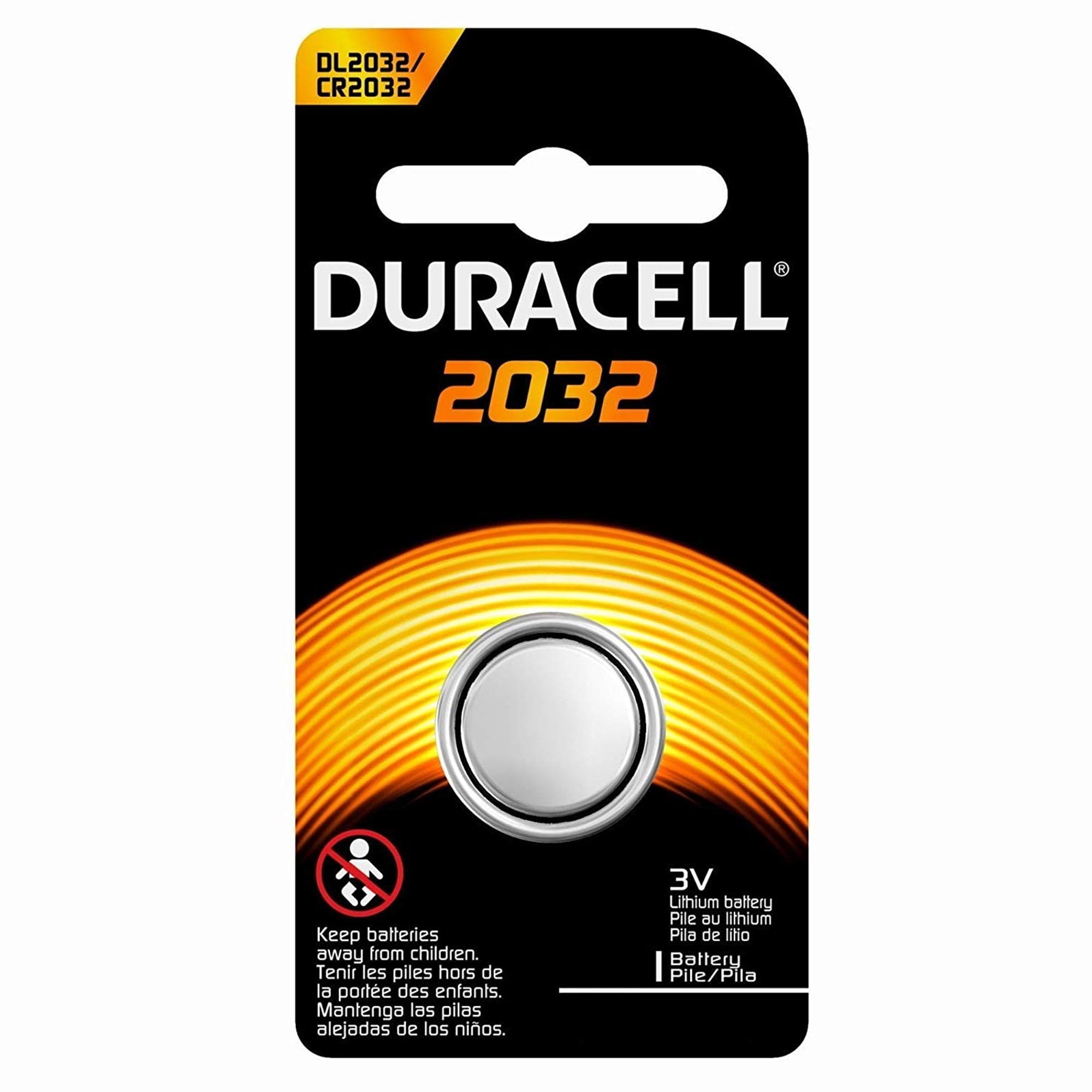
Duracell CR2032 Lithium Batteries (5 Pack, ASIN: B00D3K8Z4G)
High-quality lithium with Duralock power preserve—holds charge longer than generics, trusted brand.
Best for: Budget-friendly bulk for multiple devices
Price Range: $8-10
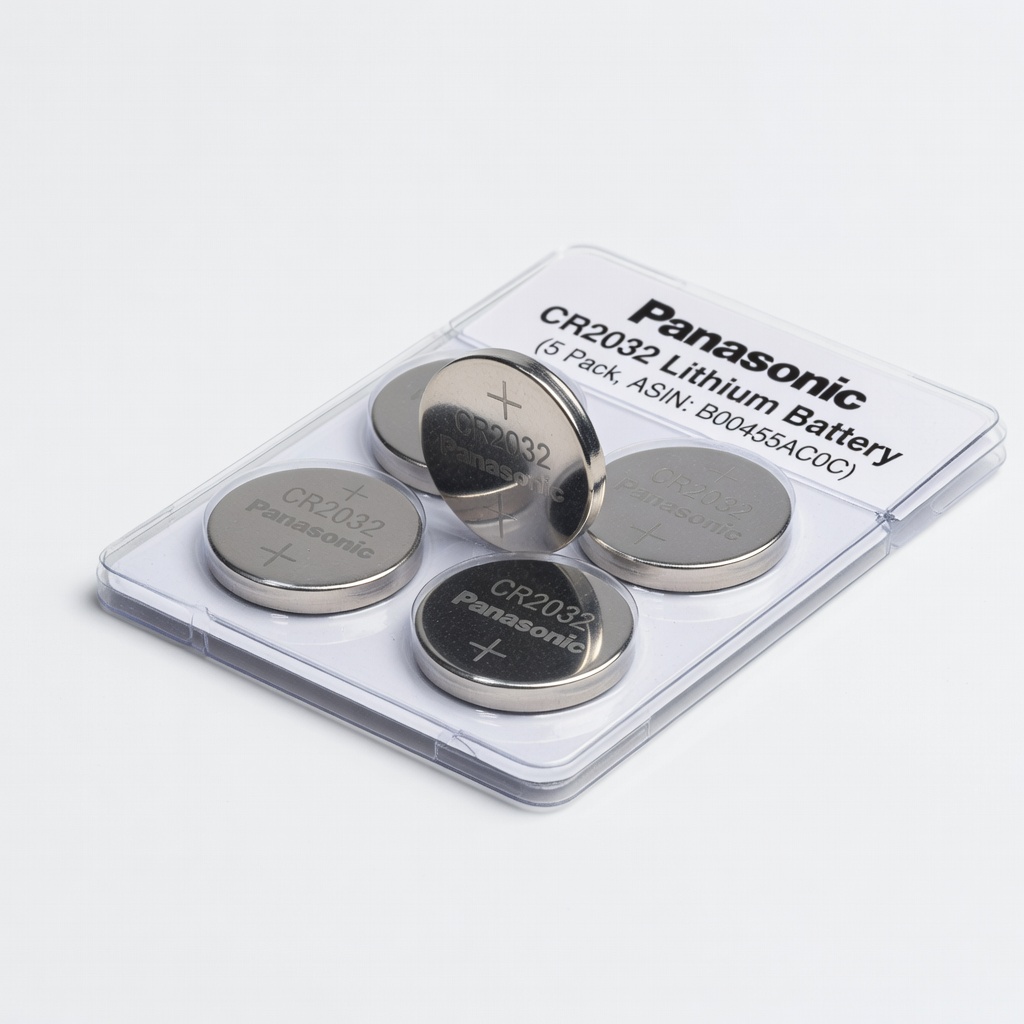
Panasonic CR2032 Lithium Battery (5 Pack, ASIN: B00455AC0C)
OEM-grade for watches; superior purity reduces internal resistance for steady power delivery.
Best for: Precision needs like medical trackers
Price Range: $7-9
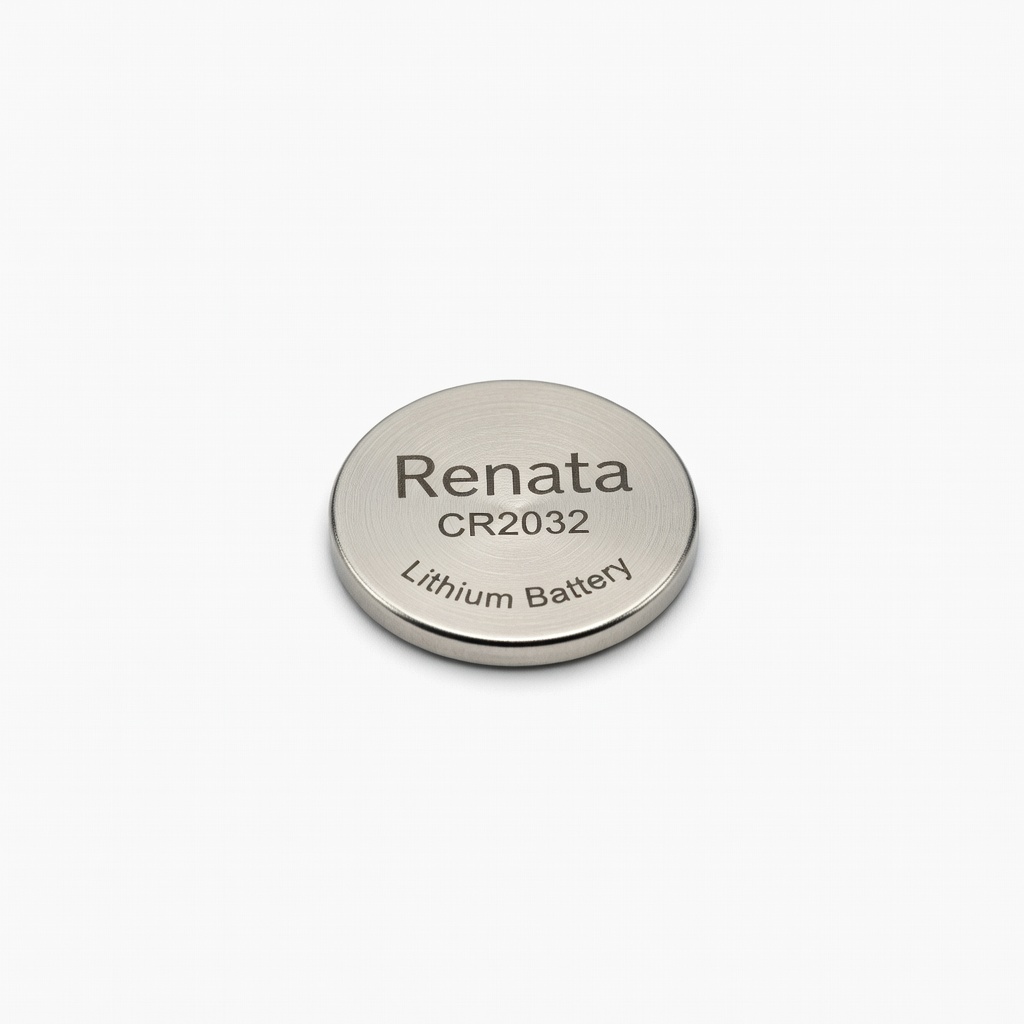
Renata CR2032 Watch Battery (1 Pack, ASIN: B000XCTTXM)
Swiss-made for longevity; 230mAh, ultra-low drain—ideal for high-end smartwatches.
Best for: Premium devices needing exact fit
Price Range: $3-5
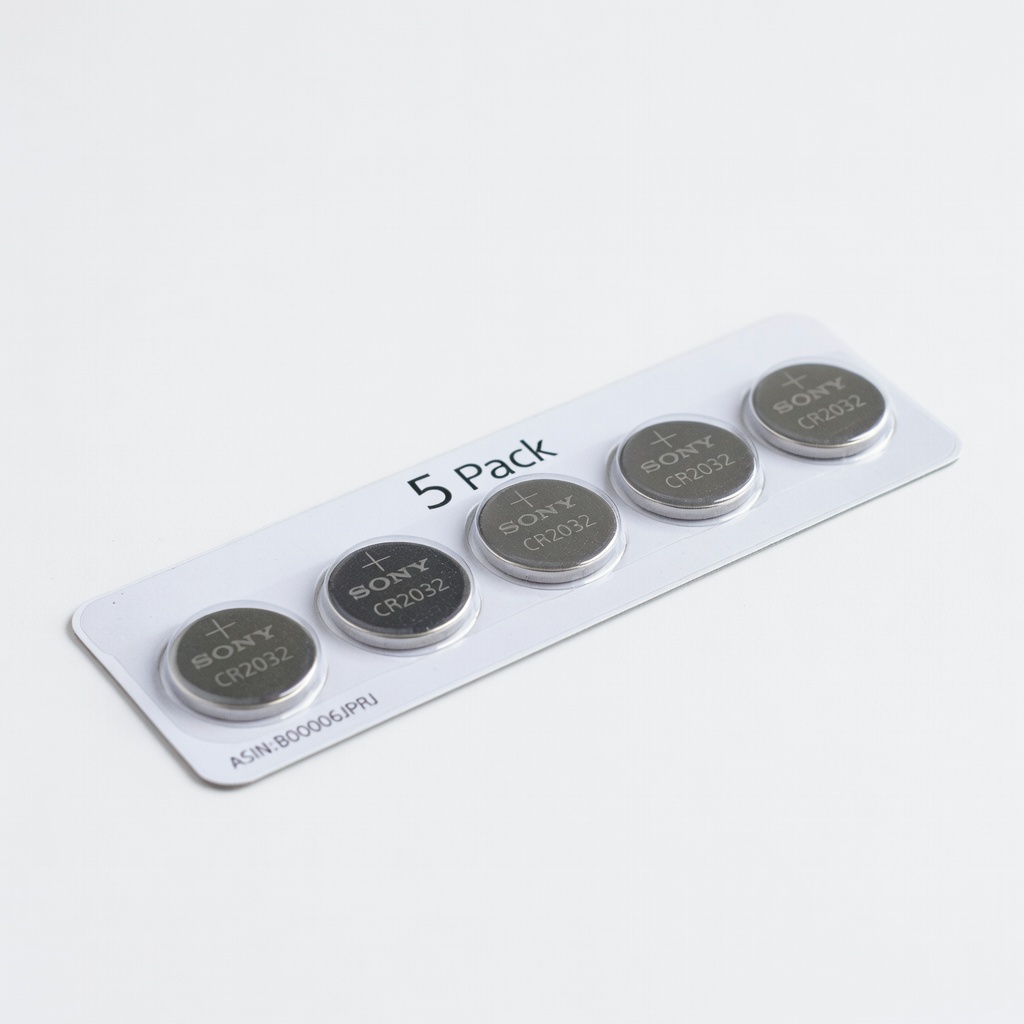
Sony CR2032 Lithium Batteries (5 Pack, ASIN: B00006JPRJ)
Excellent voltage stability; lasts 2x generics in tests.
Best for: Frequent travelers—compact, reliable
Price Range: $9-12