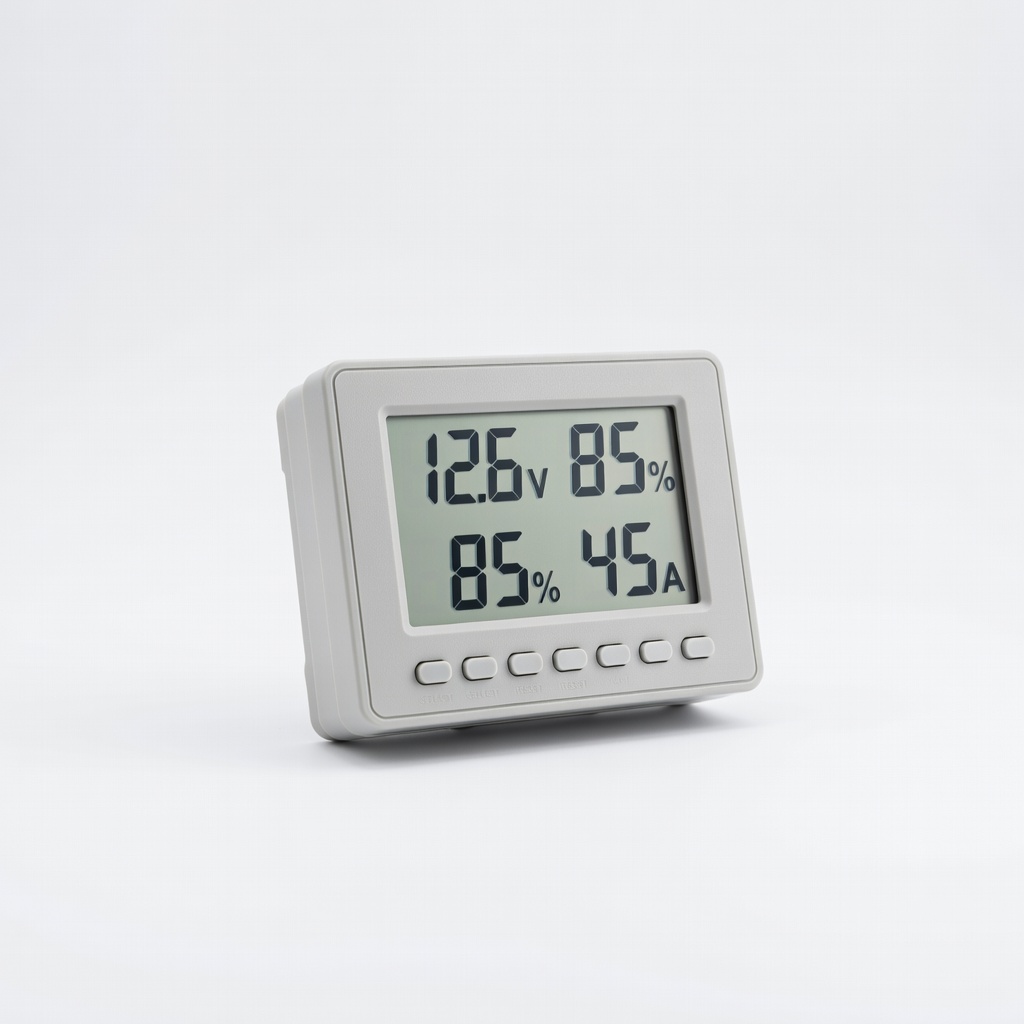
Imagine heading out for a day on the water only to find your boat's lights dimming, bilge pump failing, or electronics going dark because your 12V batteries are unexpectedly dead. This nightmare happens to countless boaters due to poor battery monitoring, leading to stranded vessels and expensive repairs. Reliable 12V battery monitors solve this by providing real-time insights into charge levels, consumption, and health.
In this guide, you'll learn what makes a great boat battery monitor, key features to prioritize, how to install one, and our top picks for 2025. Whether you're running trolling motors, fridges, or nav gear, you'll gain the knowledge to choose and set up a monitor that keeps you powered. Expect 20-30 minutes to read and decide—no advanced skills needed, just intermediate boating know-how.
We'll break it down from basics to pro tips, helping you prevent common pitfalls like over-discharging lithium or AGM batteries.
▸What You'll Need
- •Basic multimeter for verification (optional)
- •Screwdriver set and wire strippers for installation
- •12V boat battery system (existing)
- •Intermediate knowledge of DC electrical systems
Estimated Time: 20-30 minutes to read and choose; 1-2 hours for installation
Difficulty: intermediate
▸Step-by-Step Instructions
Step 1: Understand What a 12V Battery Monitor Does
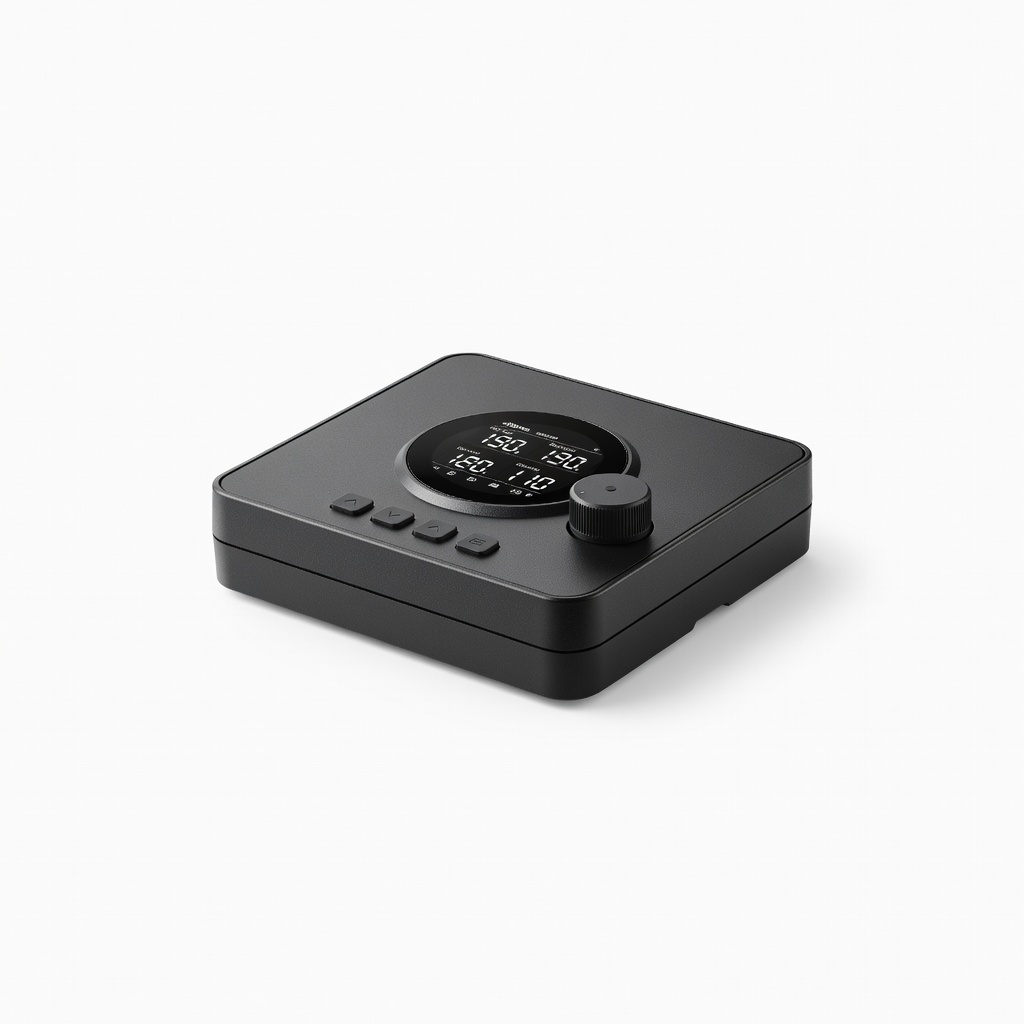
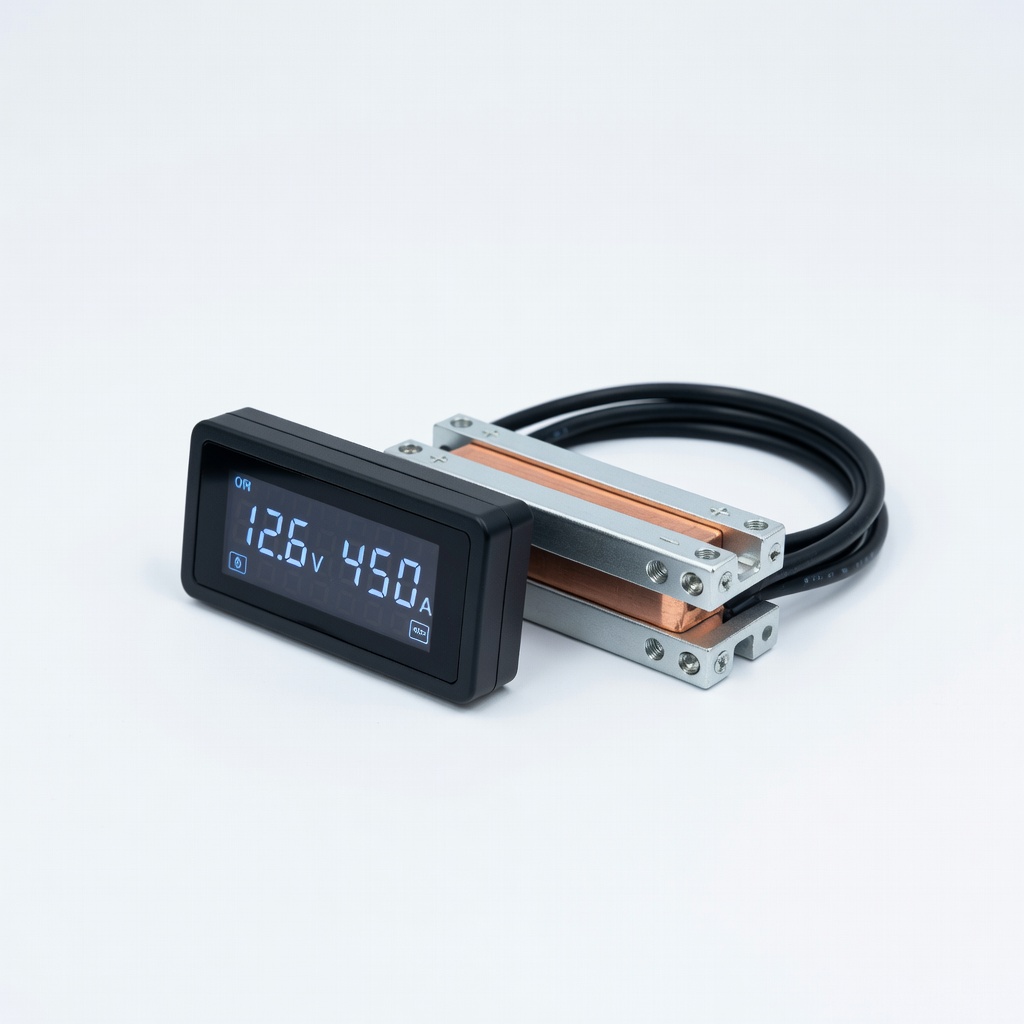
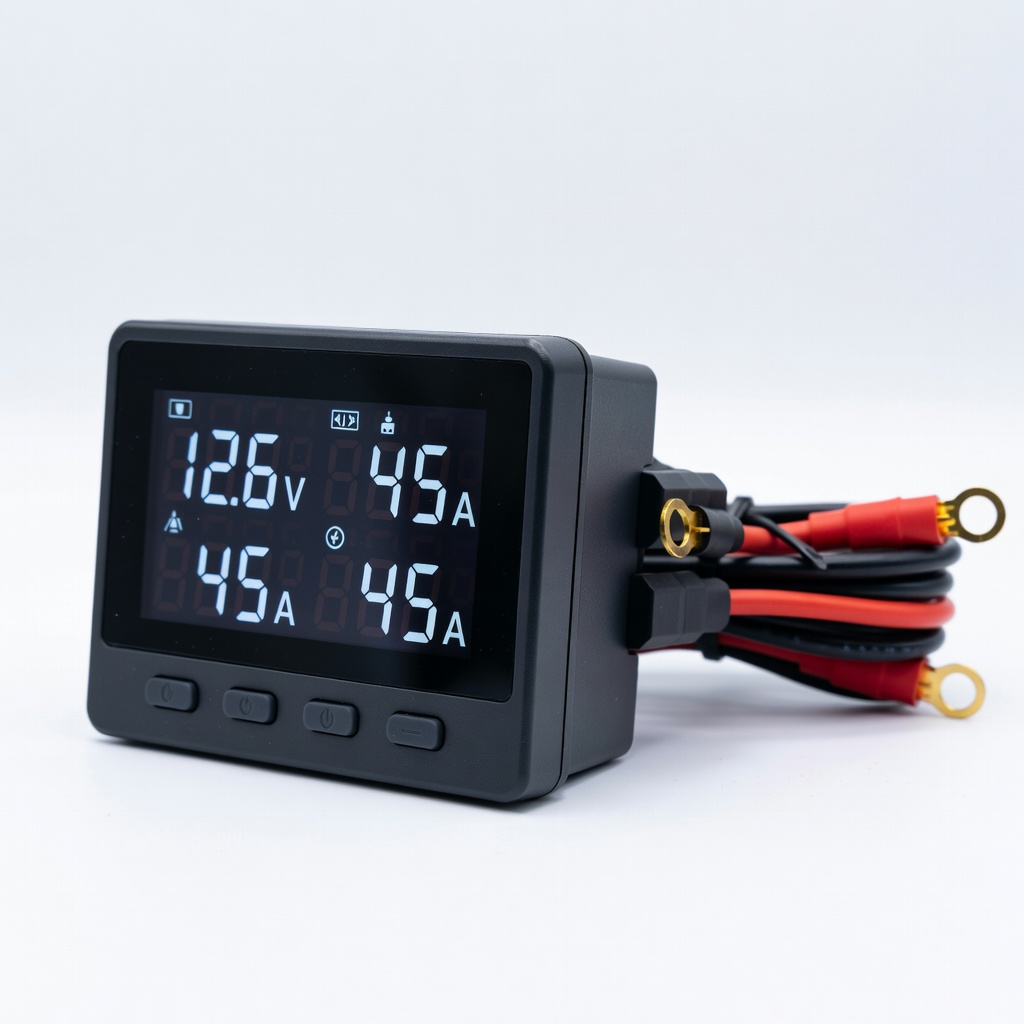
A 12V battery monitor tracks your boat's battery state-of-charge (SOC), voltage, current draw, and remaining capacity—like a fuel gauge for your electrical system. Unlike a simple voltmeter, it uses a shunt resistor to measure amps in/out accurately.
On boats, this matters because loads fluctuate (e.g., anchor winch spikes vs. steady fridge draw). Expect displays showing percentage charged, amp-hours used, and alarms for low voltage. Analogy: It's your boat's 'health dashboard,' preventing the 'sudden empty tank' surprise.
Start by identifying your house bank (main batteries powering accessories).
💡 Tips:
- •Check your battery type (AGM, lithium, flooded) as monitors calibrate differently.
Step 2: Why Boats Need Specialized Monitors
Marine environments demand rugged, waterproof monitors with vibration resistance and large displays for quick glances. Boats have multiple batteries (starter, house) and high transient loads from motors.
Without one, you risk sulfation in lead-acid batteries from chronic undercharging. Good monitors log history, predict runtime, and integrate with solar controllers. Expect IP65+ ratings for saltwater exposure.
⚠️ Warnings:
- •Avoid automotive voltmeters—they lack amp-hour tracking for boats.
Step 3: Evaluate Key Features for Your Boat
Prioritize: Shunt rating (100-500A for most boats), Bluetooth/app for phone monitoring, SOC accuracy (±1-2%), alarms (low/high voltage), and temp compensation.
Bluetooth shines for remote checks via VictronConnect app. Peukert's exponent adjustment handles non-linear discharge. Match shunt to max loads (e.g., 200A for 30ft boat with inverter).
💡 Tips:
- •Look for NMEA 2000 compatibility if integrating with chartplotters.
Step 4: Compare Shunt vs. Non-Shunt Monitors
Shunt monitors (90% of top picks) install inline for precise current measurement—ideal for boats. Non-shunt use voltage curves but lose accuracy below 50% SOC.
Example: Shunt shows true 20% left; non-shunt might say 40%. Choose shunt for reliability.
Step 5: Install Your Battery Monitor Step-by-Step
Mount display in view (e.g., helm). Connect shunt to battery negative (cut wire, insert shunt). Wire shunt sense lines to positive/negative bus. Power display from battery +.
Why: Proper polarity prevents damage. Test with multimeter. Full sync takes 5-10 mins; calibrate by fully charging first.
💡 Tips:
- •Use marine-grade tinned wire to resist corrosion.
⚠️ Warnings:
- •Never install on live system—disconnect battery first.
Step 6: Calibrate and Read Your Monitor
After install, fully charge batteries, then zero amp-hours via app/button. Monitor shows SOC%, amps in/out, time-to-go.
Interpret: Green >80%, yellow 50-80%, red <50%. Log cycles to predict lifespan.
▸Pro Tips
- •Pair with solar charger for auto-sync data.
- •Set custom alarms: 12.2V low for lead-acid.
- •Use Bluetooth to track overnight parasitic drains like bilge pumps.
- •Calibrate monthly for lithium batteries.
- •Mount shunt near battery to minimize wire runs.
- •Combine with battery protector for auto-disconnect.
- •Check firmware updates via app for accuracy improvements.
▸Common Mistakes to Avoid
- •Undersizing shunt (e.g., 100A for 300A loads)—causes overflow errors; measure max draw first.
- •Skipping calibration—leads to 10-20% inaccurate SOC; always fully charge before setup.
- •Ignoring wire sizing—thin wires drop voltage readings; use 12-14 AWG.
- •Mounting display in direct sun—fades screen; shade or IP67 pick.
- •Forgetting temp sensor—cold reduces capacity 20%; add if available.
▸Troubleshooting
Problem: Inaccurate SOC reading
Solution: Recalibrate after full charge/discharge cycle; check connections for corrosion.
Problem: No display power
Solution: Verify fuse and polarity; test voltage at display wires.
Problem: Bluetooth not connecting
Solution: Restart app/device; ensure within 10m range, update firmware.
Problem: High current alarms on startup
Solution: Normal for inrush; ignore first 30s or adjust settings.
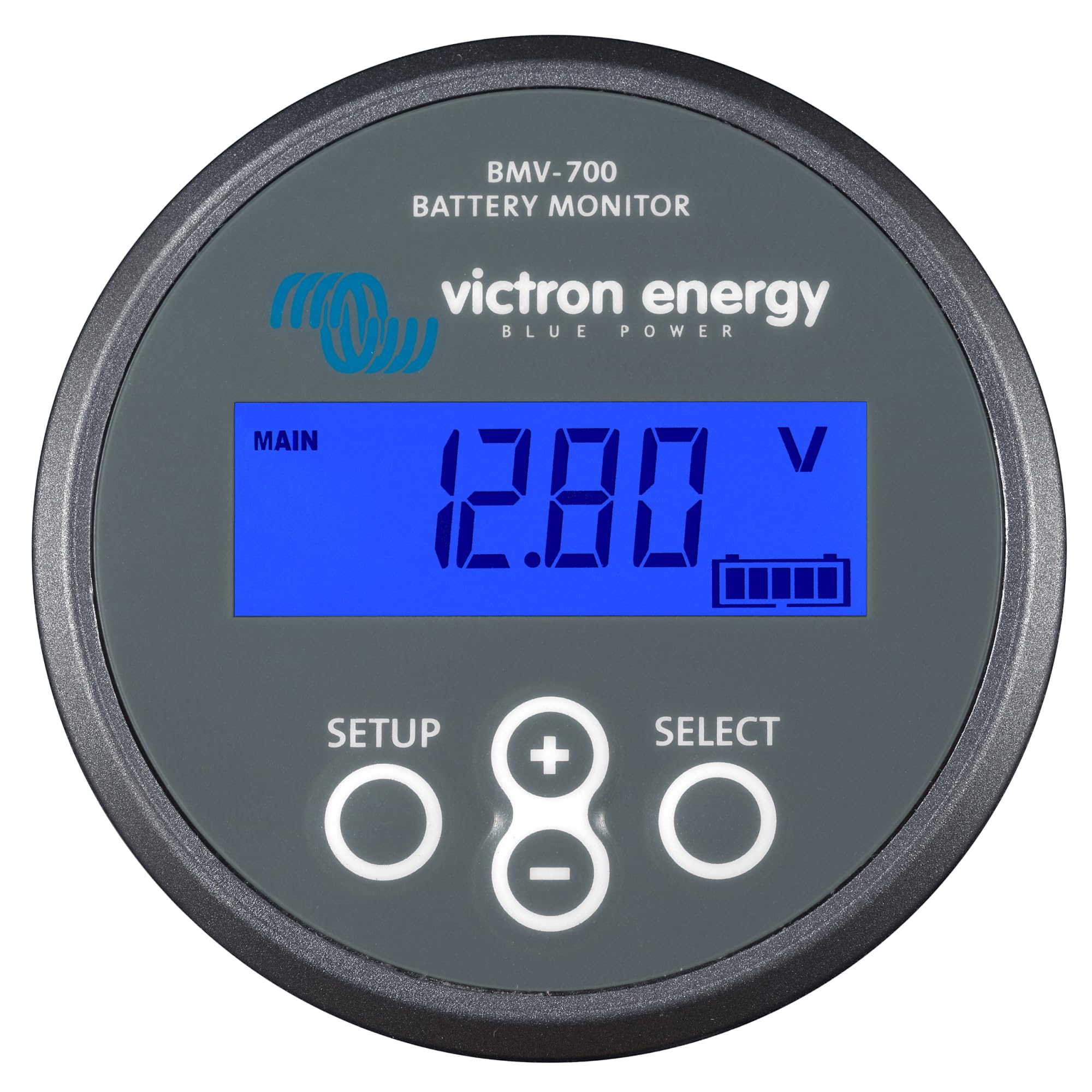
Victron BMV-712 Smart Battery Monitor
Top-rated for boats with Bluetooth app, 100% accurate shunt tracking, historical logs, and marine-grade build.
Best for: Mid-to-large boats (20-40ft) with solar/inverters needing remote monitoring.
Price Range: $150-$170
Renogy 500A Battery Monitor with Shunt
Affordable, large color display, supports lithium/AGM, easy install—great value.
Best for: Budget-conscious boaters with high-draw systems like trolling motors.
Price Range: $60-$80
Victron SmartShunt 100A/1000A
No display needed—app-only, Bluetooth, compact for tight installs, precise Peukert adjustment.
Best for: Modern boats with phone nav; choose 100A for small, 1000A for big banks.
Price Range: $90-$130
AiLi 12V 100A Battery Monitor
Cheap entry-level with shunt, backlit LCD, good for basics—surprisingly accurate for price.
Best for: Small boats or tenders under 20ft.
Price Range: $20-$30
Bogart Engineering Trimetric TM-2030
Proven reliability, auto-calibration, equalize mode for flooded batteries—30+ year track record.
Best for: Off-grid liveaboards needing advanced amp-hour tracking.
Price Range: $250-$300