
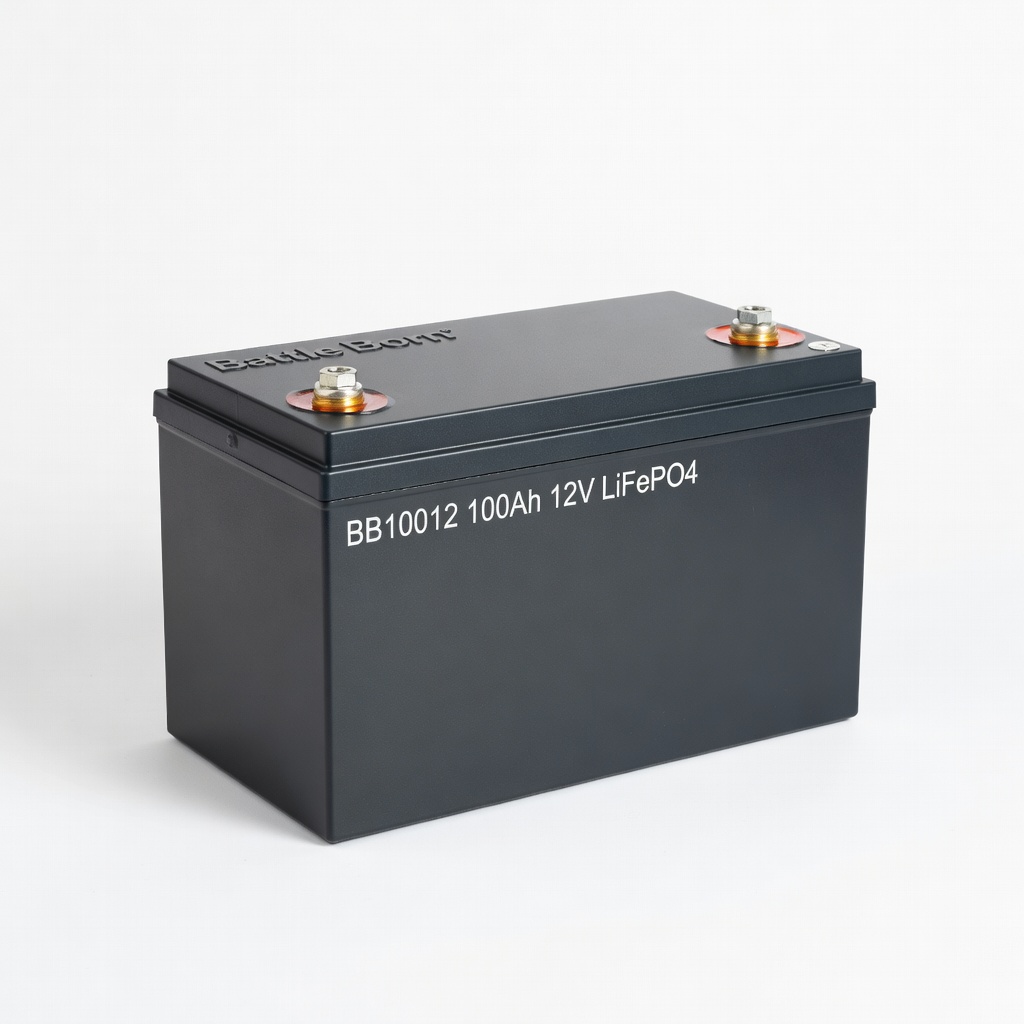
Battle Born BB10012 100Ah 12V LiFePO4
Full-time RVers needing reliable deep-cycle power for solar banks.
$849-$899
Battle Born BB10012 100Ah 12V LiFePO4 Gold standard: 3,000+ cycles, built-in BMS/heaters, 10-year warranty, RV-proven durability.
Get the App
Better experience on mobile
Discover top 12V battery picks for reliable RV solar power, with comparisons, sizing tips, and expert recommendations to power your off-grid adventures.
Choosing the right 12V battery for your RV solar setup can make or break your off-grid experience. Many RVers struggle with batteries that die too quickly, can't handle deep discharges, or fail in extreme temperatures—leaving you without lights, fridge power, or AC at night. The good news? Modern lithium options outperform old-school lead-acid batteries dramatically.
In this guide, you'll learn the key types of 12V batteries, how to calculate your needs, compare lithium vs. alternatives, and get our top recommendations for 2025. By the end, you'll know exactly which battery fits your RV's solar system for maximum runtime and reliability. Expect intermediate-level details—no fluff, just actionable insights for RVers ready to upgrade.
This explainer takes 20-30 minutes to read and apply, assuming basic solar knowledge like panels and inverters.
Estimated Time: 20-30 minutes Difficulty: intermediate
Start with the basics: 12V batteries come in lead-acid (flooded, AGM, Gel) and lithium (LiFePO4). Lead-acid is cheap but heavy, shallow discharge (50% max), and needs maintenance. Lithium is lighter, discharges 80-100%, lasts 10x longer (3,000+ cycles), and handles RV vibrations/hot-cold swings better.
Analogy: Lead-acid is like a gas tank you only fill halfway; lithium is a high-efficiency electric vehicle battery.
For solar, prioritize deep-cycle batteries that recharge fully from panels.
💡 Tips:
List appliances (fridge: 50Ah/day, lights: 10Ah, etc.) and multiply by hours used for daily Ah draw. Add 20-50% buffer for inefficiencies.
Example: 100Ah fridge + 50Ah lights/TV = 150Ah/day. For 2 cloudy days autonomy, need 600Ah total capacity at 100% DoD (lithium).
Use: Daily Wh / 12V / 0.85 efficiency = Ah needed. This ensures your battery matches solar input (e.g., 400W panels yield ~20-30A/hour).
⚠️ Warnings:
Prioritize: Capacity (100-200Ah common), BMS (built-in for lithium protection), weight (<30lbs ideal), cycle life (>2,000), temp range (-20°F to 120°F), and warranty (5-10 years).
Check compatibility: Bluetooth monitoring, series/parallel wiring for 12V systems. Ignore cheap no-name brands—they fail fast.
💡 Tips:
Lithium (LiFePO4): 2-3x usable capacity, fast charge (1-2hrs from solar), 50-70% lighter. Cost: $6-10/Ah.
Lead-acid/AGM: $1-2/Ah, but heavier (60+lbs/100Ah), slower charge, sulfation if not maintained.
RV Winner: Lithium for solar—pays back in 1-2 years via longevity.
Ensure BMS max charge current matches controller (e.g., 50A BMS for 400W panels). Parallel up to 4 batteries for more Ah; avoid series for 12V systems unless inverter needs 24V.
Test: Charge fully, discharge to 20% SOC, monitor voltage (lithium: 12.8V full, 12.0V 50%).
💡 Tips:
⚠️ Warnings:
Budget: AGM for light use. Mid: Lithium hybrids. Premium: Battle Born/Renogy for heavy RV solar. See recommendations below for details.
Pro Tip: Start with 200-400Ah bank for full-time RVing.
Mount securely in vented box. Wire with 4/0 AWG cable, fuses. Balance parallel batteries monthly. Lithium: Minimal maint—just monitor app.
Expect 10+ years life with proper solar MPPT charging.
💡 Tips:
Problem: Battery won't charge from solar
Solution: Check controller settings (Li profile), clean connections, verify voltage >12.6V. Test panels separately.
Problem: Short runtime despite full charge
Solution: Recalibrate BMS via full discharge. Check parasitic draws (e.g., inverter standby).
Problem: High temps or swelling
Solution: Ventilate, reduce charge current. Replace if lithium puffs—safety issue.
Problem: Uneven parallel bank charging
Solution: Fully charge individually first, use matched batteries.
Gold standard: 3,000+ cycles, built-in BMS/heaters, 10-year warranty, RV-proven durability.
Best for: Full-time RVers needing reliable deep-cycle power for solar banks.
Price Range: $849-$899
Bluetooth app monitoring, self-heating, affordable lithium with 4,000 cycles—great value.
Best for: Intermediate solar setups wanting easy diagnostics.
Price Range: $550-$650
Huge capacity per dollar, robust BMS, handles high discharge for inverters.
Best for: Large power needs like boondocking with AC.
Price Range: $700-$800
Budget starter: Maintenance-free, vibration-resistant alternative to flooded.
Best for: Light solar use or upgrading from lead-acid without lithium cost.
Price Range: $180-$220
High-capacity AGM for value, spill-proof, good for hybrid solar.
Best for: Budget big banks before switching to lithium.
Price Range: $350-$400
Full-time RVers needing reliable deep-cycle power for solar banks.
Battle Born BB10012 100Ah 12V LiFePO4 Gold standard: 3,000+ cycles, built-in BMS/heaters, 10-year warranty, RV-proven durability.
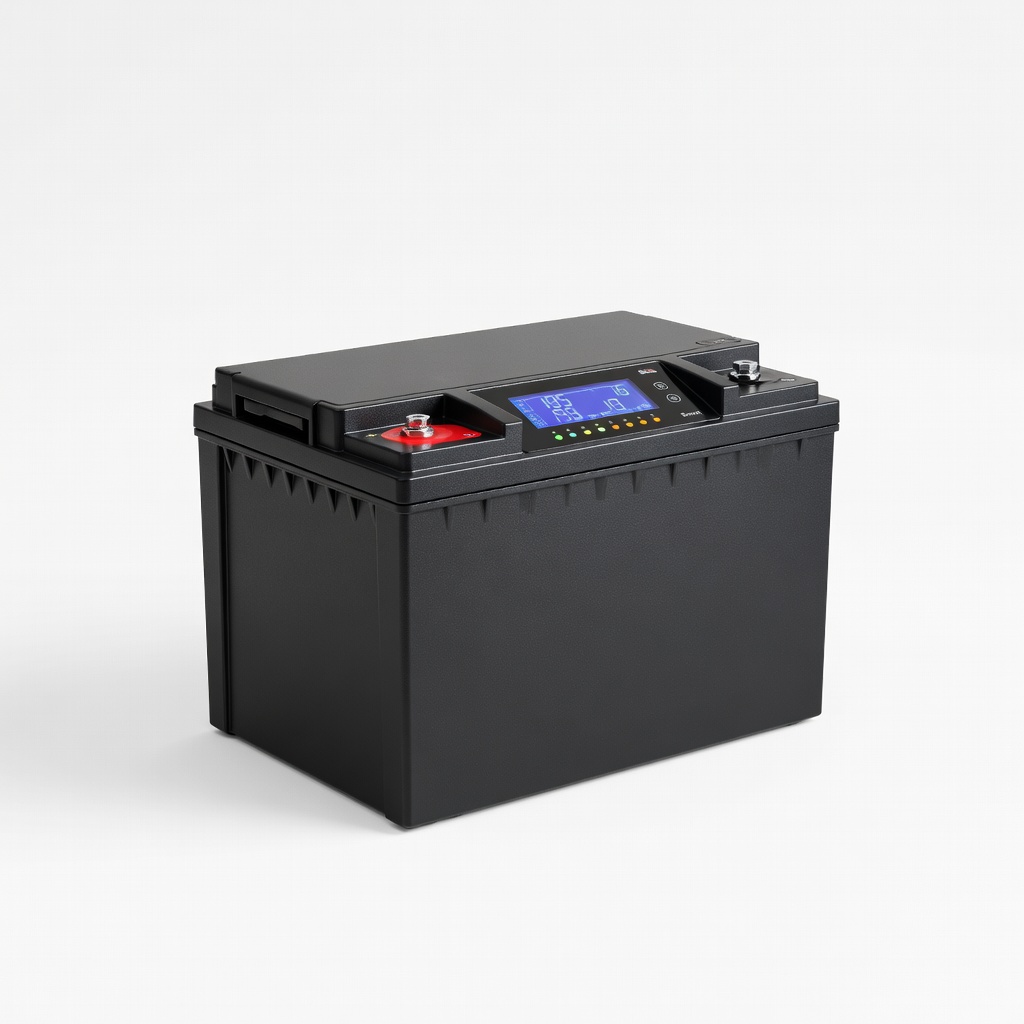
Intermediate solar setups wanting easy diagnostics.
Renogy 12V 100Ah Smart LiFePO4 Battery Bluetooth app monitoring, self-heating, affordable lithium with 4,000 cycles—great value.
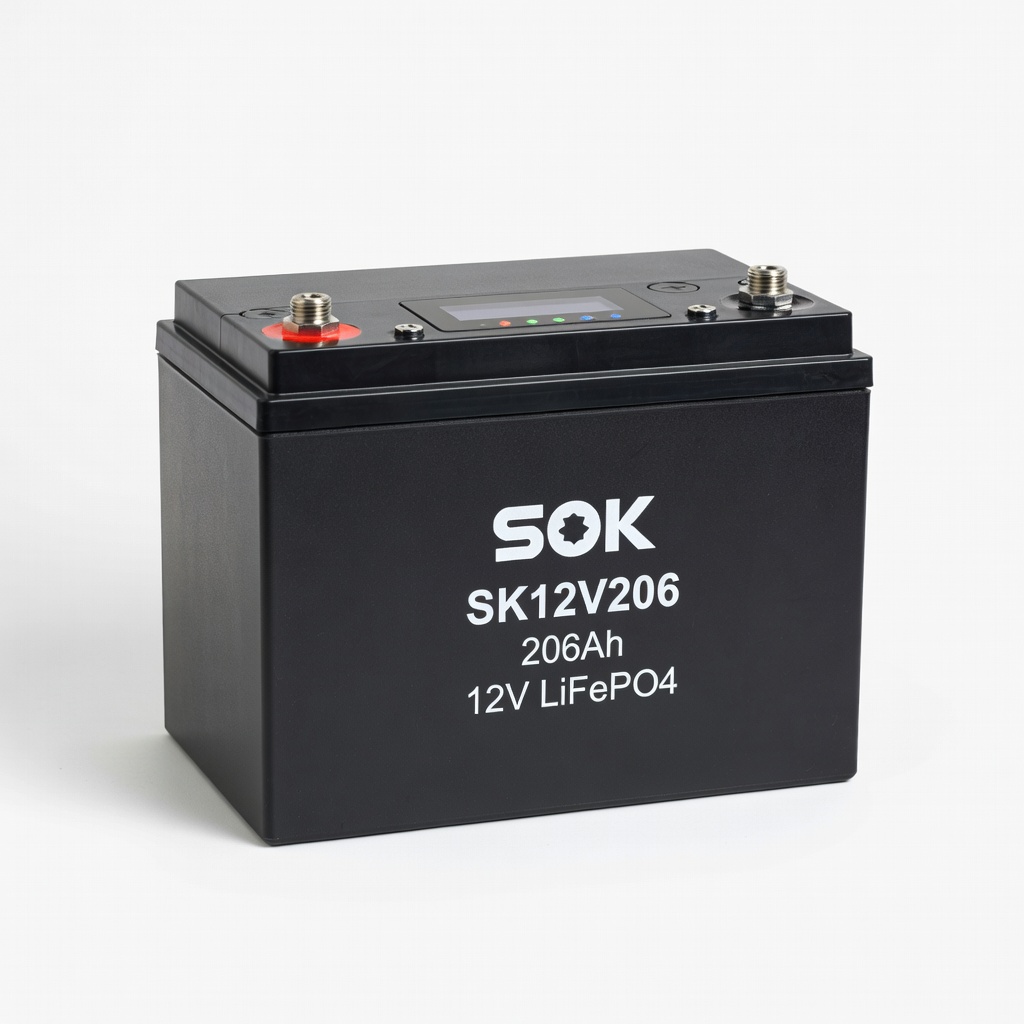
Large power needs like boondocking with AC.
SOK SK12V206 206Ah 12V LiFePO4 Huge capacity per dollar, robust BMS, handles high discharge for inverters.
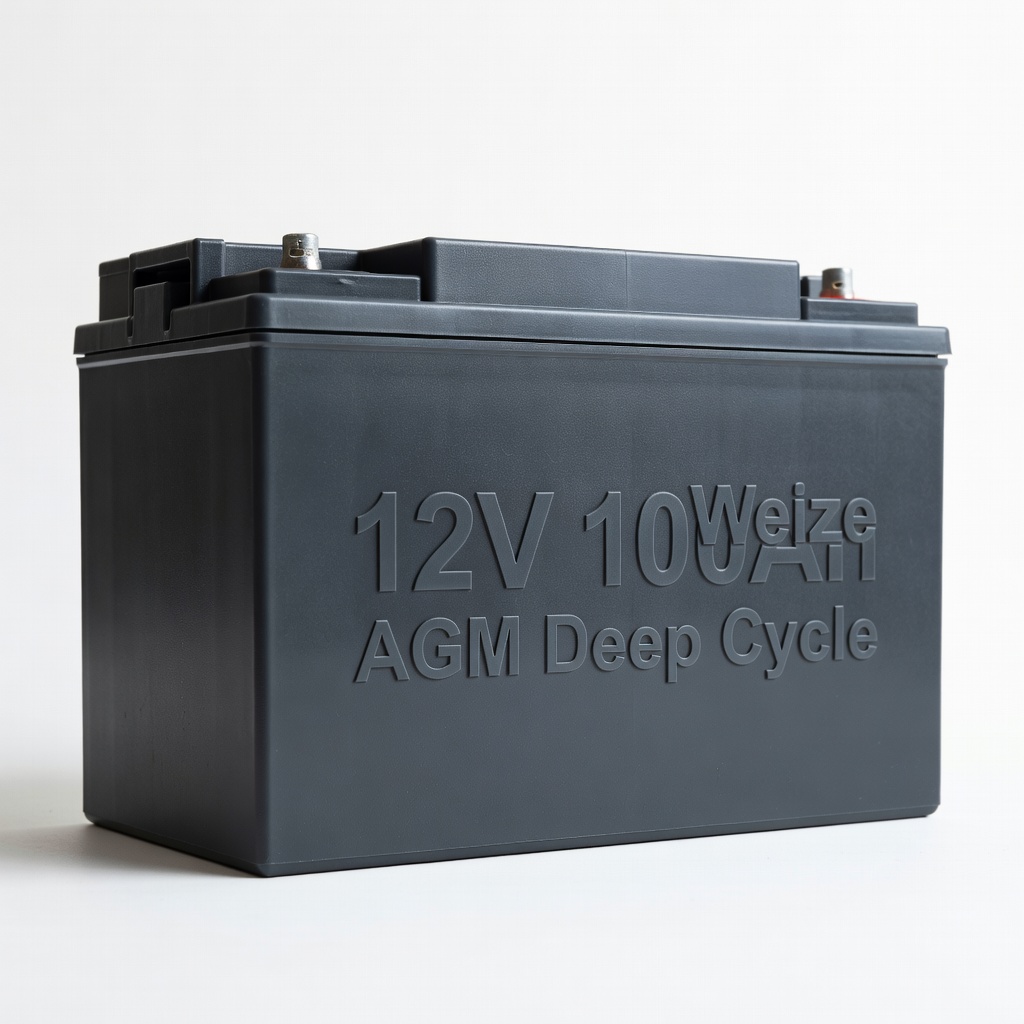
Light solar use or upgrading from lead-acid without lithium cost.
Weize 12V 100Ah AGM Deep Cycle Budget starter: Maintenance-free, vibration-resistant alternative to flooded.
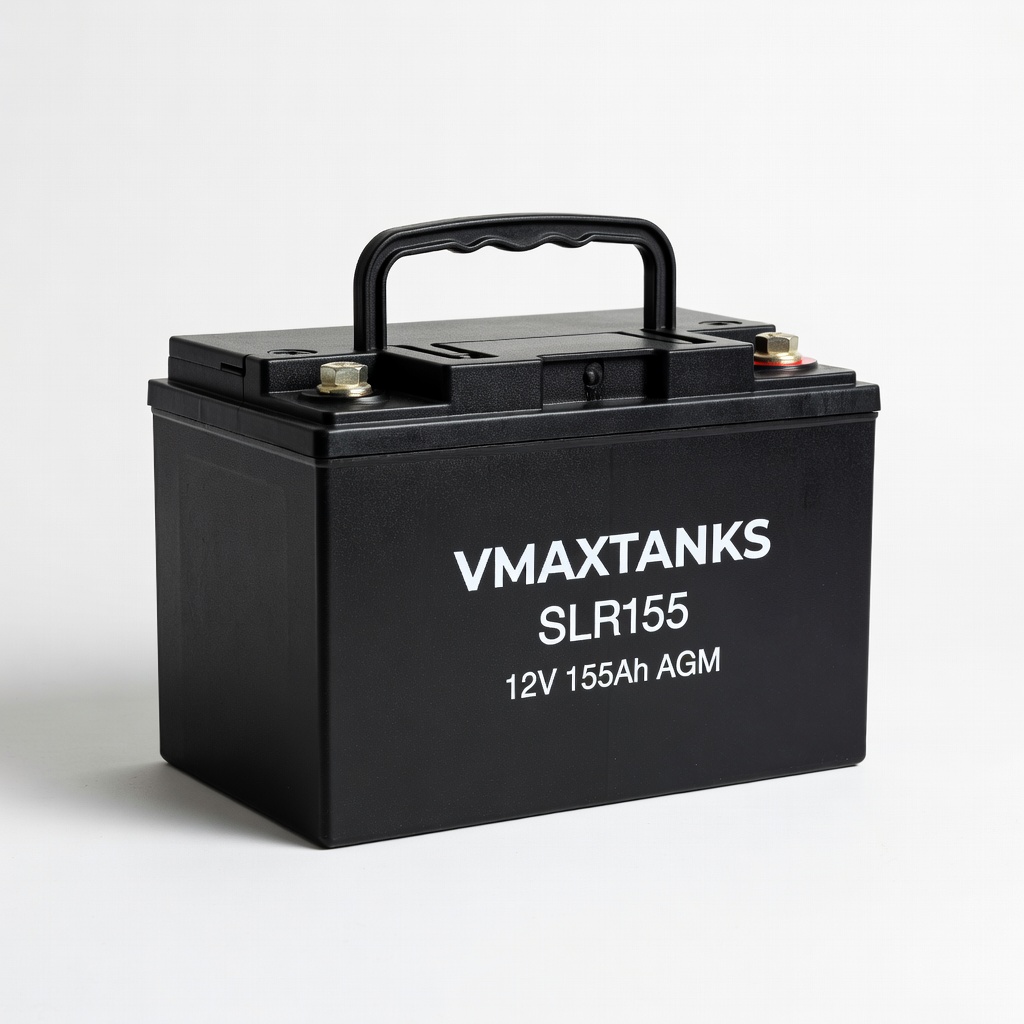
Budget big banks before switching to lithium.
VMAXTANKS SLR155 12V 155Ah AGM High-capacity AGM for value, spill-proof, good for hybrid solar.