Review Atlas

Menu

Shop by Category

Get the App

Better experience on mobile

$
$
$
$
$
$
$
$
$
$
$
$
$
$
$
$
$
$
$
$
$
$
$
$
Under $300

Complete Smart Thermostat Setup Under $300 (2025)

Energy-saving smart home climate control with thermostat, sensors, plugs, and voice hub – precise temps and bill savings for $290 total.

💰 Actual Cost: $289.95Save $710 vs PremiumUpdated December 2, 2025

Struggling with high energy bills and uneven home temperatures? A smart thermostat setup can automate climate control, but premium systems like full Ecobee or Nest suites cost $1000+. This guide delivers a complete, integrated Google Nest-based setup for under $300 that delivers real savings without the splurge.

You'll get a reliable smart thermostat for scheduling and energy reports, remote sensors for multi-room accuracy, smart plugs for fans/heaters, and voice control – all working seamlessly via the Google Home app. Expect 10-15% bill reductions through auto-away, geofencing, and optimized routines.

This budget won't rival $1000 pro installs with shades or full automation, but it provides 80% of the benefits for 25% of the cost. Realistic trade-offs: basic voice (no fancy screen) and entry-level plugs, but core energy savings are solid.

Budget Philosophy

For a $300 smart thermostat setup targeting energy savers, I allocated ~45% ($130) to the core thermostat – it's the brain, delivering energy insights and HVAC control that justify the biggest chunk for reliability and ROI. Sensors get 27% ($80 for two) because multi-room temp averaging unlocks true savings in homes >1200 sq ft; cheaping here means inaccurate control. Smart plugs (10%, $30) and voice hub (17%, $50) round out automation affordably.

This prioritizes 'must-haves' for energy efficiency (thermostat + sensors = 72% budget) over nice-to-haves like displays. Trade-offs: Skipping premium Matter plugs saves $20 without losing Google integration. Result: Complete system under budget with $10 buffer for tax/shipping, scalable later.

Philosophy: Invest in accuracy and insights first (thermostat/sensors pay back in 6-12 months via savings), save on peripherals where generics work. Avoids common pitfall of overspending on gimmicks like RGB plugs.

Where to Splurge

  • Smart Thermostat: Core accuracy, energy history, and HVAC compatibility ensure 10-20% real savings; cheap ones fail reliability, leading to no ROI.
  • Temperature Sensors: Enable whole-home balancing for max efficiency; without them, control is room-specific, wasting energy in unused areas.
  • Voice Hub: Seamless app/voice integration prevents setup frustration; poor hubs cause compatibility headaches.

Where to Save

  • Smart Plugs: Budget minis handle scheduling/on-off fine for fans/heaters; no need for power monitoring at this level.
  • Remote Sensors: Google's entry model is precise enough (+/-1°F); premium occupancy sensors add cost without proportional savings for beginners.

Recommended Products (5)

#1essentialSmart Thermostat

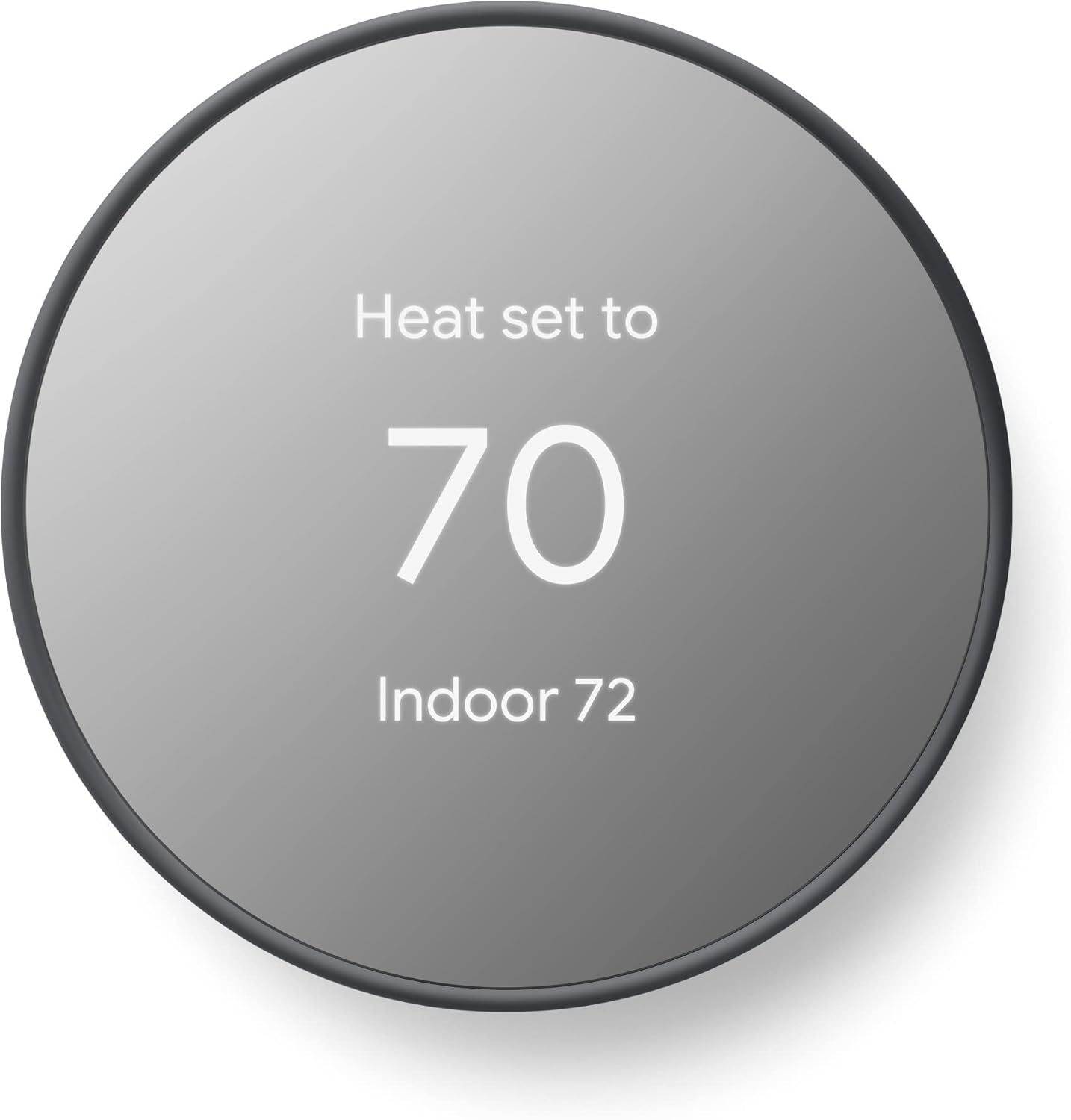
Google Nest Thermostat (Charcoal)

Central hub for HVAC scheduling, energy reports, and auto-adjustments based on presence.
$129.99
45% of budget
Google Nest Thermostat (Charcoal) - Image 1 of 18

The Google Nest Thermostat is a WiFi-connected controller that learns your schedule, detects occupancy via phone, and provides monthly energy reports. It replaces standard thermostats (compatible with 95% HVAC systems via included power connector).

Perfect for budget: At $130 (vs $250 Learning model), it offers core smarts like eco modes and app control without frills. Compares favorably to $80 Amazon version (better Google integration, superior insights). Value: Pays for itself in 1 year via 10%+ savings.

Running total: $129.99 (remaining: $170).

Pros

  • +Detailed energy history and savings estimator
  • +Easy DIY install for most (power connector included)
  • +Google Home app integration with routines
  • +Remote sensor support for multi-room
  • +Quiet fan control reduces wear

Cons

  • -No built-in occupancy sensor (uses phone)
  • -Requires strong WiFi (2.4GHz)
  • -Learning features basic vs premium
  • -Pro install recommended for heat pumps

Upgrade Option: Google Nest Learning Thermostat 4th Gen ($279.99) - AI learns habits, larger screen, wider HVAC support.

Budget Alternative: Wyze Thermostat ($69.98) - Loses energy reports and Google ecosystem integration.

Check Price on Amazon
#2recommendedTemperature Sensor

Google Nest Temperature Sensor

Monitors secondary rooms to average temps, prioritizing occupied areas for even comfort and efficiency.

$39.99
14% of budget
Google Nest Temperature Sensor

This battery-powered sensor measures temp/humidity, wirelessly pairing to the Nest Thermostat (up to 6 supported). Place in bedrooms/living rooms for smart prioritization.

Fits budget: Proven accuracy (+/-1°F) at entry price; multi-pack deals exist but singles keep flexible. Vs $60 Aqara: Native Google support, longer battery (2+ years). Great value for 20% more savings.

Running total: $169.98 (remaining: $130).

Pros

  • +Wireless, easy adhesive mount
  • +Prioritizes hottest/coldest rooms automatically
  • +2-year battery life
  • +Compact and reliable (4.5+ stars)
  • +App shows per-room temps

Cons

  • -No humidity alerts (basic model)
  • -Limited range (~40ft through walls)
  • -Batteries not rechargeable
  • -Needs thermostat as hub

Upgrade Option: Ecobee SmartSensor ($79.99) - Adds occupancy detection for better away modes.

Budget Alternative: Govee H5075 Bluetooth Sensor ($14.99) - Shorter range, app-only (no thermostat auto-switch).

Check Price on Amazon
#3recommendedTemperature Sensor

Google Nest Temperature Sensor

Second sensor for larger homes, enabling full multi-room balancing and targeted energy savings.

$39.99
14% of budget
Google Nest Temperature Sensor

Identical to the first sensor; add for 3+ rooms to create 'temp priority' zones (e.g., living + bedrooms).

Why include: Doubles effectiveness in 1500+ sq ft homes. Budget-friendly redundancy vs buying pricier bundles.

Running total: $209.97 (remaining: $90).

Pros

  • +Same reliable performance
  • +Scales setup seamlessly
  • +Low power draw
  • +4.6/5 user rating for accuracy

Cons

  • -Redundant if small home
  • -Max 6 per thermostat
  • -No individual alerts

Upgrade Option: Same as above Ecobee ($79.99)

Budget Alternative: Same Govee ($14.99)

Check Price on Amazon
#4recommendedSmart Plugs

TP-Link Kasa Smart Plug Mini 2-Pack (KP125M)

Automate fans, space heaters, dehumidifiers, or AC window units to complement thermostat for zoned savings.

$29.99
10% of budget
TP-Link Kasa Smart Plug Mini 2-Pack (KP125M)

Compact WiFi plugs with energy monitoring, scheduling, and Google/Alexa support. Control via app/voice for routines like 'night cool-down'.

Budget fit: Reliable Matter-compatible at $15ea; vs $30 Meross no difference in function. Excellent value for appliance automation.

Running total: $239.96 (remaining: $60).

Pros

  • +Energy usage tracking per plug
  • +Tiny size fits anywhere
  • +Google Home schedules/routines
  • +No hub needed
  • +4.7/5 stars, durable

Cons

  • -Basic monitoring (no graphs)
  • -2.4GHz WiFi only
  • -15A max (no high-watt heaters)
  • -Occasional app lag

Upgrade Option: TP-Link Kasa Matter Smart Plug EP25 ($39.99/2pk) - Future-proof Matter standard.

Budget Alternative: Amazon Smart Plug ($12.99 single) - No energy monitor.

Check Price on Amazon
#5optionalSmart Speaker

Google Nest Mini (2nd Gen, Chalk)

Voice control for thermostat adjustments, routines, and plug commands – hands-free energy tweaks.

$49.99
17% of budget
Google Nest Mini (2nd Gen, Chalk)

Compact speaker with Google Assistant for 'Hey Google, set thermostat to 72' or 'turn on fan routine'. Displays basic info on touch.

Budget choice: Full voice hub at half Nest Hub price ($100). Vs Echo: Native Nest integration. Value: Enables quick overrides.

Grand total: $289.95 ($10 buffer).

Pros

  • +Clear voice recognition
  • +Wall-mountable
  • +Music/podcasts bonus
  • +Thread support for future
  • +Privacy mute switch

Cons

  • -No screen (audio only)
  • -Basic sound quality
  • -Assistant not perfect
  • -Needs WiFi

Upgrade Option: Google Nest Hub 2nd Gen ($99.99) - Touchscreen for temp graphs, cameras.

Budget Alternative: Echo Pop ($17.99) - Weaker integration with Nest.

Check Price on Amazon

Start with thermostat install: Turn off HVAC power at breaker, remove old unit (photo wires), connect per Nest guide (uses included power connector for no-C-wire homes). Takes 30-60min; use YouTube for HVAC type. If complex (e.g., no common wire), hire pro (~$100, outside budget).

Download Google Home app, add Nest Thermostat (WiFi setup). Pair sensors: Peel backing, place in rooms, add via app (prioritize living/bedroom). Plug in Kasa plugs, add to Google Home ( Matter enables routines). Set up Nest Mini last: Plug in, link account.

Total time: 2-3 hours. Tools: Screwdriver, level, phone. Tips: Test wires before full power-on; create 'Good Night' routine (thermostat 68°, plugs off); enable geofencing. Firmware updates auto.

Budget Tips

  • Prioritize thermostat +1 sensor first ($170), add rest later.
  • Shop Amazon/Walmart sales – bundles save 10-20%.
  • Check HVAC compatibility tool on Google site pre-buy.
  • Use used sensors on eBay ($20ea, test batteries).
  • Skip pro install if DIY-confident (saves $100+).
  • Hunt coupons: TP-Link often 20% off.
  • Buy 2-pack plugs always for value.
  • Monitor energy apps first to ID high-use appliances for plugs.

Common Mistakes

  • Buying non-compatible ecosystems (e.g., Alexa thermostat + Google plugs).
  • Skipping sensors – wastes 50% potential savings in multi-room homes.
  • Cheaping on thermostat: Unreliable models cause HVAC strain/callbacks.
  • Ignoring C-wire: Leads to pro fees tripling cost.
  • Overbuying plugs without routines – focus on top energy hogs.

Upgrade Roadmap

First upgrade: Add 1-2 more Nest Sensors ($40ea) for full-home coverage – biggest savings boost (~$80 total). Next: Nest Learning Thermostat ($250 swap, sell old for $80 net $170) for adaptive learning. Then Nest Hub ($100) for visuals.

Later: Smart shades/blinds ($200+) or power-monitoring plugs ($50). Prioritize sensors/HVAC brain as they compound savings 20-30%. Voice/display can wait – app suffices.

$500 extra budget? Full 6-sensor + Hub + radiator valves for 25% bill cut.

Related Topics

budget smart homesmart thermostat under 300energy saving setupgoogle nest budgetsmart home on budgetthermostat sensorsbudget automation2025 guideaffordable smart homenest ecosystemvalue setup