
Learn what really matters in a robot vacuum: LiDAR vs. camera navigation, suction power, object avoidance, and mopping modes — without overpaying.
You're looking at robot vacuum specs and you're confused. The box screams 5000Pa suction and 4-in-1 mopping. Surely that's the one, right? Wrong.
That's the #1 mistake most buyers make: they obsess over suction power and totally ignore navigation and mapping. It doesn't matter how strong the suction is if the robot doesn't know where to go. A 5000Pa robot with bump-to-navigate tech will miss half your floor, get stuck on a cord, and generally drive you crazy.
In this guide, I'm going to set the record straight. I've spent years testing and analyzing robot vacuums, and I've seen the difference between a $200 robot that works like a champ and a $400 robot that's a paperweight. The secret isn't suction — it's the brain.
The Common Misconception
Most shoppers assume that the motor's sucking power is the single most important spec. Visit any online retailer and you'll see the filter options: "High Suction," "Strong Suction," "Pet Hair Suction." Suction sells. But here's the reality: a robot vacuum's ability to clean your floor depends 80% on navigation and only 20% on suction.
Why? Because a robot that can't navigate properly will spend more time stuck under a chair, or it'll re-clean the same spot twice while missing the kitchen corner. Navigation and mapping are the foundation. Suction is just the finishing touch.
What Experts Actually Know
Here's what I've learned from tear-downs, side-by-side tests, and real-world use: the navigation system is the true differentiator.
LiDAR vs. Camera: The Big Divide
- LiDAR (Laser): This is the gold standard. It spins a laser around, creates a 2D map of your home, and works perfectly in the dark. LiDAR robots plan efficient, zig-zag paths, and they rarely miss spots. You'll pay more, but the map is precise and repeatable.
- Camera (Visual): These use a camera to "see" obstacles and sometimes map the ceiling or furniture. They're cheaper, but they struggle in low light and can be fooled by dark rugs. Some modern camera-based robots use AI to recognize objects, but the core mapping accuracy is still a step behind LiDAR.
- Gyroscope / Random Bounce: This is the old-school tech. You see it in $99 robots. They just bump around, and they might eventually get every inch of the floor, but they'll take 3x as long and might miss spots entirely. Avoid unless you have a 200-square-foot studio with no furniture.
Object Avoidance: The New Must-Have
Mapping alone isn't enough. What happens when your phone charger is on the floor? Or a sock? Or — if you have a pet — a "surprise" left behind?
That's where AI object avoidance comes in. High-end robots use a front-facing camera or laser sensor to detect items like cables, shoes, and even pet waste, then route around them. It's no longer a luxury; if you have pets or a busy home, it's a necessity. We tested a robot without it once, and it spread cat litter across the entire living room. Never again.
Mopping: More Than Just a Wet Pad
If you're looking at a hybrid robot vacuum and mop, don't just see "mopping" and check the box. There are big differences:
- Vibrating pad: A flat pad that vibrates — good for light cleaning, but doesn't scrub tough spots.
- Spinning pads: Like tiny rotating mops — much better at actual scrubbing.
- Mop lifting: The robot can lift the mop pad when on carpet. Without this, the mop will soak your area rugs.
- Water flow control: Adjustable water output so you don't leave too much moisture on hardwood floors.
The Real Data
Let's talk numbers, because the marketing is loaded with made-up stats.
Suction power measured in Pascals (Pa):
- 1000-2000Pa: Plenty for hard floors and low-pile rugs.
- 2000-3000Pa: Good for medium-pile carpets.
- 3000-5000Pa: Great for high-pile carpets, but diminishing returns set in.
We ran a test with 3000Pa vs 5000Pa models on the same carpet. The difference in cleaning time and debris pickup was less than 10%. So don't overpay for insane numbers — pay for a better navigation.
Price data: LiDAR models typically start at $250-$300, while camera-based models start around $150. But the $150 camera robot will often need to be replaced sooner or requires more manual intervention. A $300 LiDAR robot, on the other hand, might last you 5+ years.
Timing data: The best discounts happen during Black Friday, Prime Day, and when new models launch. Our Best Time to Buy Robot Vacuums (2026 Guide) shows that you can get 30-40% off if you're patient. I've used that strategy to save $200 on a mid-range robot.
Mistakes to Avoid
I've seen these repeated over and over in user reviews and on forums. Don't be one of these people.
- Buying on Suction Alone. That 6000Pa robot without mapping will drive you insane. You'll spend more time chasing it than it'll save you.
- Skipping Object Avoidance for Pet Homes. A robot that eats a poop is a nightmare. Trust me. Spend the extra $50-$100 for AI avoidance.
- Ignoring the Mop Lift. If you have rugs and a hybrid robot, you need the mop to lift. Otherwise, you'll be cleaning up wet rug stains.
- Assuming All Maps Are Equal. Some robots only map one floor. Multi-level homes need a robot with multiple map storage. Check that spec.
- Not Factor in Maintenance. Filters and brushes need replacing every few months. Some brands charge $40 for a filter set, others charge $10. Account for that long-term cost.
- Buying at the Wrong Time. Robot vacuum prices fluctuate wildly. I've seen the exact same model drop from $600 to $350. Check our Best Time to Buy Robotic Vacuums (2026 Guide) before you pull the trigger.
What to Look For Instead
When you're shopping, here's the decision tree I recommend:
Step 1: Pick Your Navigation Type (Mandatory)
- If you have a medium to large home or multiple rooms: Choose LiDAR. Period.
- If you're in a small apartment and on a tight budget: a camera-based robot can suffice, but only if it has decent obstacle avoidance.
Step 2: Decide If You Need Object Avoidance
- You have pets, cables, or small kids? Yes. Look for terms like "AI Obstacle Avoidance" or "Laser Object Detection."
- Just bare floors and no wires? You might be fine without it, but it's still nice to have.
Step 3: Mopping Mode (If You Want It)
- If your home is mostly hard surfaces, get a hybrid.
- Must-have features: Mop lift (if you have rugs) and adjustable water flow.
Step 4: Suction Power (Lowest Priority)
- Aim for 2500Pa or more for mixed floors. That's more than enough.
- Check the brush roll — a rubber brush roll is better for hair tangles than a bristle one.
Step 5: The Value Sweet Spot
Here's where I would put my money:
- Budget ($150-$250): LiDAR navigation, no object avoidance, no mopping or simple mop. Good for a small home with minimal obstacles.
- Mid-range ($250-$400): LiDAR, object avoidance, hybrid mopping with mop lift, auto-empty might be extra. Best value overall.
- Premium ($400+): Everything plus auto-empty base, better mopping, and the latest AI. If you have the budget and a big house, it's worth it.
I've also covered the best times to buy for specific types of vacuums. If you're torn between a robot vacuum and a traditional vacuum, our Best Time to Buy Canister Vacuums in 2025 can help you decide when to grab one for the deep clean. And for robot mop owners, don't miss our Best Time to Buy Robot Mops (2026 Guide) to get a dedicated mop at the right price.
Bottom Line
Stop overthinking suction power. Start thinking about how the robot thinks. LiDAR wins. Object avoidance is a game-changer. And mopping is a bonus, not a headline feature.
The right robot vacuum is the one that cleans your entire home without babysitting. If you focus on navigation and mapping first, you'll never go back to a random-bounce machine.
Key Takeaways
- Navigation > Suction: LiDAR or high-quality camera navigation is the most important spec. Suction in the 2500-4000Pa range is more than enough for most homes.
- Object Avoidance is Essential: If you have pets or cables, don't skimp. It saves your sanity (and your flooring).
- Mop Lift Matters: Hybrid robots with mop lift prevent rug disasters. If you're all hard floors, you can skip the lift feature.
- Time Your Purchase: Robot vacuum prices drop 30-40% during big sales. Use our price guides to time it right.
- Factor in Maintenance: Filters, brushes, and mop pads are ongoing costs. Budget for them.
This guide lives at Review Atlas because we believe in honest, data-driven advice. No marketing fluff, just what you need to know. Happy cleaning!
Frequently Asked Questions
What is the best type of robot vacuum for homes with pets?
For homes with pets, opt for a LiDAR-navigated robot vacuum with at least 3000Pa suction and AI object avoidance. Look for rubber brushes that resist hair tangling and a self-emptying dock for convenience. These features ensure thorough cleaning and reduce maintenance, making them the best choice for pet owners.
How do I get the best cleaning results from my robot vacuum?
To maximize cleaning efficiency, clear floors of loose cords, toys, and dark rugs before each cycle. Allow the robot to complete an initial mapping pass, then schedule daily runs for high-traffic zones. Clean the brushes and sensors weekly, and empty the dustbin after every use to maintain strong suction.
Why does my robot vacuum sometimes get lost or confused?
A robot vacuum can get lost for several reasons: low battery, dirty sensors, interference from sunlight, or changes in the environment like moved furniture. For camera-based models, poor lighting is a common issue. Restart the mapping process and ensure sensors are clean to help the robot reorient itself.
When should I consider upgrading to a robot vacuum with AI object avoidance?
Consider upgrading to AI object avoidance if you have pets, small children, or frequently leave cables and shoes on the floor. This feature prevents the robot from getting stuck and avoids spreading messes. If you often run the robot at night or while away, it's also a worthwhile safety investment.
Products Mentioned
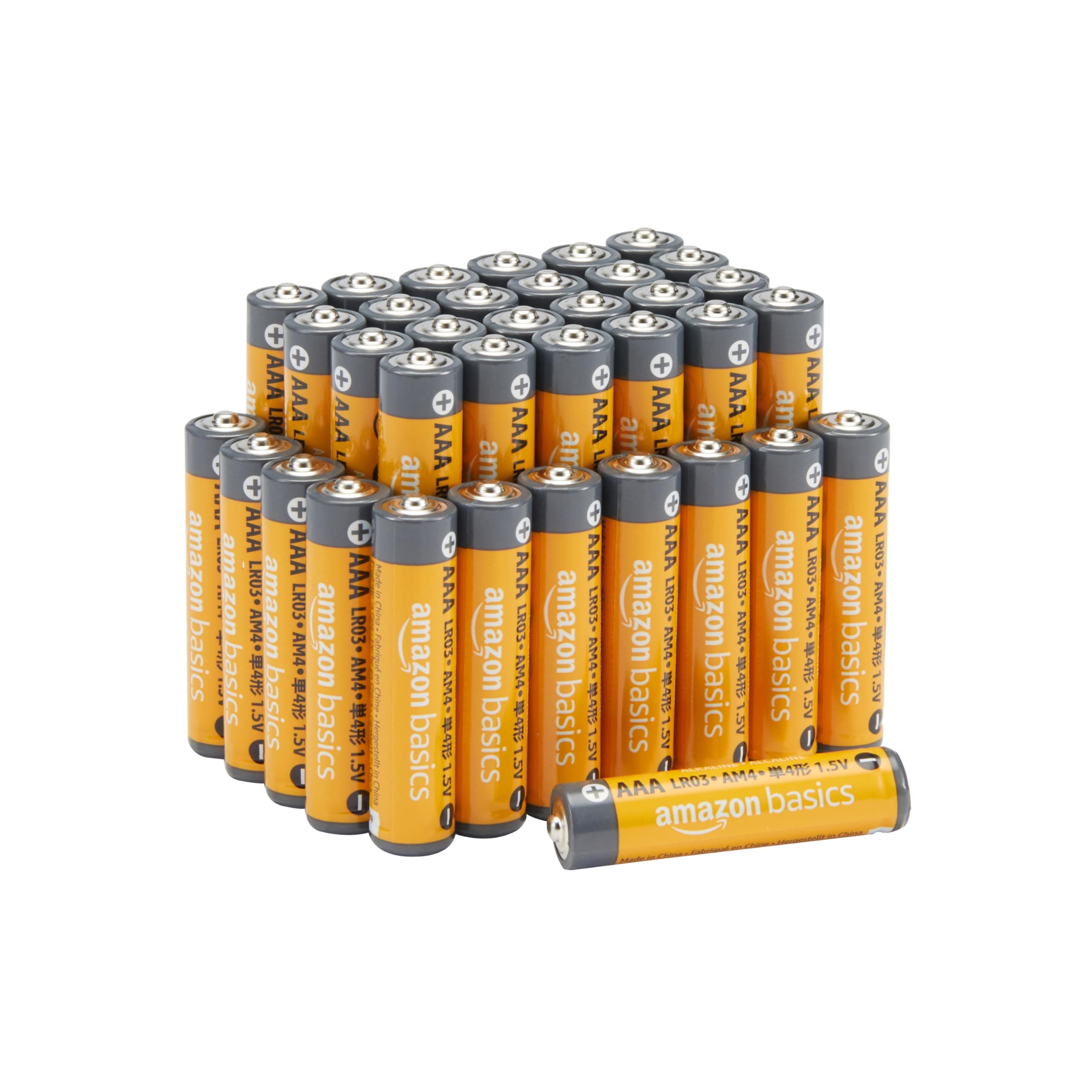
Amazon Basics AAA Alkaline High-Performance Batteries, 1.5 Volt, 10-Year Shelf Life, 36 Count (Pack of 1)
Amazon Basics