Match the vacuum to your flooring type and home size. Homes with pets need strong suction and self-emptying bins; apartments prioritize quiet operation and slim profile.
Match the vacuum to your flooring type and home size. Homes with pets need strong suction and self-emptying bins; apartments prioritize quiet operation and slim profile.
The Short Answer
- Flooring type: Hardwood, tile, carpet, or mixed? Choose suction power (≥2500 Pa for carpets) and brush type (rubber for pet hair).
- Home size: Larger homes need longer battery life (>120 min) and self-emptying docks; smaller spaces can manage with compact models.
- Pet households: Look for tangle-free brushes, high-efficiency filters, and auto-empty bins.
- Apartment dwellers: Prioritize slim profile (<3.5 in height) and noise levels <55 dB.
- Smart features: LiDAR mapping, no-go zones, and app control add convenience for any home.
The Full Picture
Choosing the right robot vacuum can feel overwhelming with dozens of models and features. But by focusing on your specific flooring, home size, and lifestyle, you can narrow down the options quickly.
Why It Matters
A robot vacuum is an investment. The wrong one can get stuck on thresholds, fail to clean carpets, or drive you crazy with constant bin emptying. The right one saves hours each week and keeps floors consistently clean.
The Key Factors
1. Flooring Type
- Hardwood/Tile: Low suction (1500–2000 Pa) and a soft roller brush prevent scratches. Ensure the vacuum has edge-sweeping brushes.
- Carpet: High suction (≥2500 Pa) and a brush roll (preferably rubber) to agitate fibers. Some models auto-adjust suction.
- Mixed flooring: Look for a vacuum that auto-detects surfaces and adjusts power—many LiDAR models do this seamlessly.
2. Home Size & Layout
- Small apartments (<800 sq ft): Compact bin size and occasional manual emptying are fine. Noise <55 dB matters if you're home.
- Medium homes (800–1,500 sq ft): Battery life of 90–120 minutes and a bin that lasts one session.
- Large homes (>1,500 sq ft): Opt for self-emptying docks (holds 30–60 days of debris) and battery >150 minutes. Multi-floor mapping is essential.
3. Pet Hair & Allergies
- Suction: ≥2500 Pa to pull embedded hair.
- Brush: Tangle-free rubber brushes prevent hair wrap. Regular cleaning still required.
- Filter: HEPA filtration traps allergens. Washable filters save money.
- Bin: Self-emptying is a game-changer—no daily touching of pet debris.
4. Smart Features
- Navigation: LiDAR (fast, accurate) vs. camera (slower, but works in dark). LiDAR is preferred for most.
- Mapping: Allows room selection, no-go zones, and scheduled cleaning.
- Voice control: Works with Alexa/Google Assistant for convenience.
5. Noise Level
- Quiet models: <55 dB for daytime cleaning while you work or watch TV.
- Standard models: 60–70 dB—similar to a conversation. Save for when you're away.
Comparison Table: Robot Vacuums by User Profile
| Feature | Pet Owners | Apartment Dwellers | Large Homes |
|---|---|---|---|
| Suction power | ≥2500 Pa | 1500–2000 Pa | ≥2500 Pa |
| Brush type | Tangle-free rubber | Soft roller | Rubber bristle |
| Dustbin | Self-emptying (30+ days) | Manual, <500 ml | Self-emptying (60 days) |
| Battery life | >120 min | >60 min | >150 min |
| Navigation | LiDAR + camera | Gyroscope or camera | LiDAR + multi-floor |
| Noise level | <60 dB | <55 dB | <65 dB |
| Price range | $500–$800 | $200–$400 | $600–$1,000 |
Common Mistakes to Avoid
- Ignoring thresholds: Measure height of door transitions. Most robots handle up to 0.6 inches, but carpet-to-wood can be tricky.
- Skipping maintenance: Clean brushes and sensors weekly. Replace filters every 3–6 months.
- Overlooking the charging dock: Ensure the dock has space around it (3 ft clearance). Some models require wall mounting.
- Choosing based solely on brand: Features and reliability vary widely. Read reviews on specific models.
When to Buy
Robot vacuums see steep discounts during major sales events like Black Friday, Prime Day, and before new model releases. For the best deals, check our Best Time to Buy Robotic Vacuums (2026 Guide) to plan your purchase. You might also pair your robot vacuum with other appliances—see our guides for Best Time to Buy Bottom Freezer Refrigerators and Best Time to Buy Air Purifiers for a full home upgrade.
Our Recommendation
Based on your needs:
- Pet owners: Choose a self-emptying model with tangle-free rubber brushes and HEPA filter. Expect to spend $600–$800.
- Apartment dwellers: Opt for a slim, quiet model under 3.5 inches tall and <55 dB. Budget $250–$400.
- Large home owners: Invest in a flagship with LiDAR, self-emptying, and multi-floor mapping. Budget $700–$1,000.
For most households (mixed flooring, medium-sized), the sweet spot is a LiDAR-mapping robot with self-emptying dock and adjustable suction. Check our best time to buy guide to catch a price drop.
Verdict: The right robot vacuum isn't the most expensive—it's the one that matches your floors, home, and lifestyle. Take the time to assess your needs, and you'll find a model that makes cleaning effortless.
Frequently Asked Questions
Which robot vacuum is best for high pile carpets?
For high pile carpets, choose a robot vacuum with suction ≥2500 Pa and a brush roll designed to agitate deep fibers. Look for carpet boost modes and avoid models with side brushes that may tangle. Top performers include the iRobot Roomba j9+ and Roborock S8 Pro Ultra, which offer strong suction and adjustable cleaning for dense carpets.
How often should you replace robot vacuum filters?
Replace HEPA filters every 3 to 6 months, depending on usage and pet hair. Washable filters should be cleaned monthly but still replaced twice a year. Always check your model’s manual for specific intervals to maintain optimal suction and air quality.
Can robot vacuums handle multiple floors?
Yes, many robot vacuums handle multiple floors by creating and saving separate maps for each level using LiDAR or camera navigation. When moved to a different floor, the robot automatically loads the correct map. Ensure the model supports multi-floor mapping and has sufficient battery life for each session.
What is the difference between LiDAR and camera navigation for robot vacuums?
LiDAR navigation uses laser sensors for precise mapping in any lighting, while camera navigation relies on visual sensors and may struggle in darkness. LiDAR is faster and more accurate, but camera systems can be cheaper and may better identify obstacles like cables. Your choice depends on budget and typical lighting conditions.
Products Mentioned
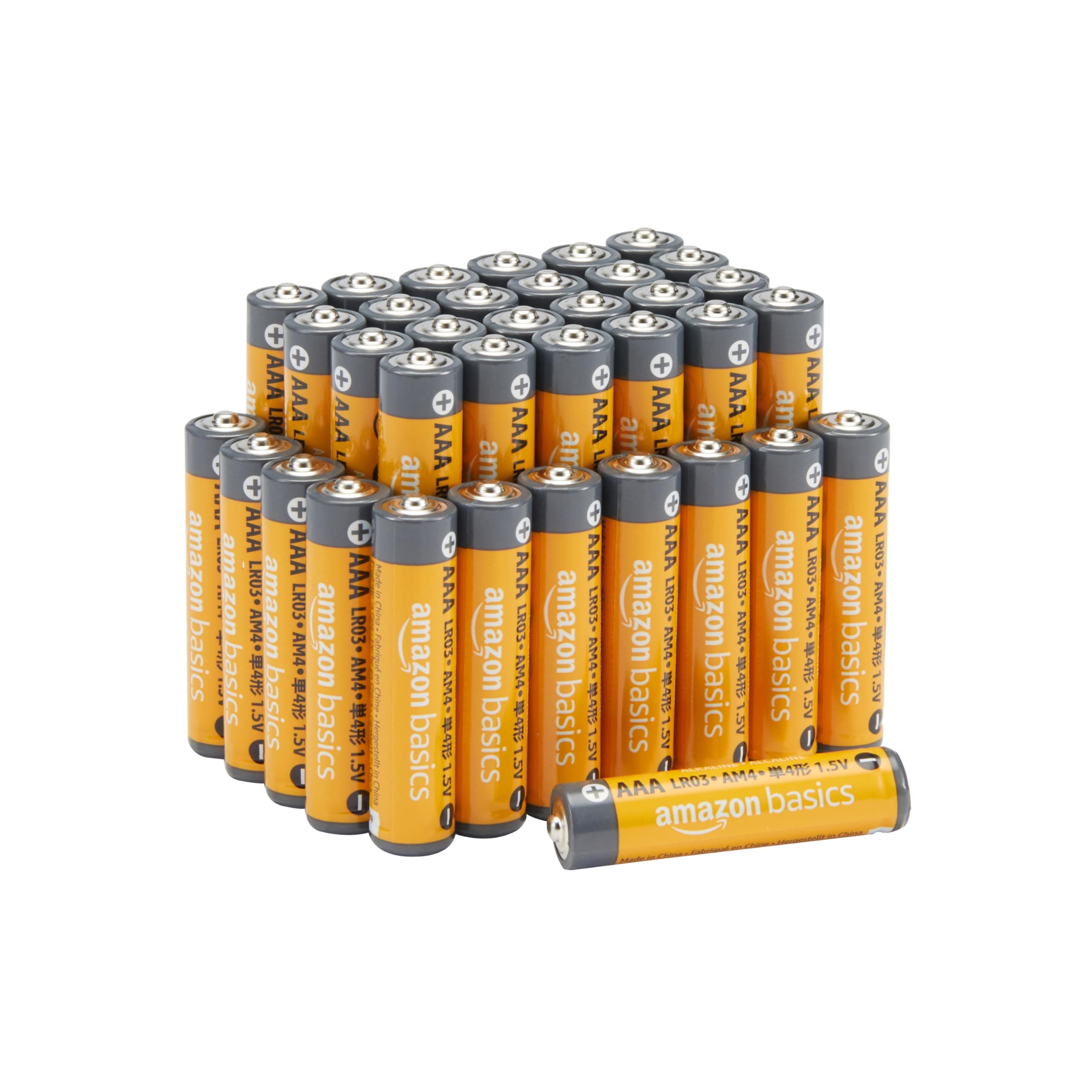
Amazon Basics AAA Alkaline High-Performance Batteries, 1.5 Volt, 10-Year Shelf Life, 36 Count (Pack of 1)
Amazon Basics