Match the vacuum to your flooring type and home size. Homes with pets need strong suction and self-emptying bins; apartments prioritize quiet operation and slim profile.
Match the vacuum to your flooring type and home size. Homes with pets need strong suction and self-emptying bins; apartments prioritize quiet operation and slim profile.
The Short Answer
Choose a robot vacuum based on your flooring (carpet vs. hardwood), home size, and specific needs like pet hair or allergen control. For large homes with pets, prioritize a self-emptying model with strong suction and tangle-free brushes. For small apartments, a slim, quiet robot with good edge cleaning suffices. Always check navigation tech (LiDAR vs. camera) and smart features.
The Full Picture
Robot vacuums have evolved from novelty gadgets to essential home appliances. In 2025, the market offers everything from budget-friendly bump-and-run bots to premium models with AI obstacle avoidance. To help you navigate the options, we break down the five key factors that matter most.
Why It Matters
A poorly chosen robot vacuum can be a waste of money. A model designed for hardwood floors can struggle on thick carpets, while a basic navigation system might miss entire rooms. With the average price of a decent robot vacuum around $300–$600 (and premium models exceeding $1,000), making the right choice saves frustration and ensures your floors stay clean without manual effort.
The Key Factors
1. Flooring Type
- Hardwood / Tile: Look for a robot with soft rubber brushes to avoid scratching. Suction power can be moderate (around 1,500–2,000 Pa) since debris sits on the surface.
- Low-Pile Carpet: Standard suction (2,000–2,500 Pa) works fine, but ensure the robot can transition between surfaces smoothly.
- Medium-to-High Pile Carpet: You need strong suction (2,500–4,000+ Pa) and a model with tangle-free brushes. Some robots even have a “carpet boost” mode that automatically increases suction on rugs.
2. Home Size & Layout
- Small apartments (<800 sq ft) : A robot with basic navigation (random or gyroscope) and a small dustbin (0.3–0.5L) may suffice. Prioritize quiet operation and a low profile (under 3.5 inches) to fit under furniture.
- Medium homes (800–2,000 sq ft) : LiDAR or vSLAM navigation is recommended for systematic cleaning. A self-emptying base becomes valuable to avoid frequent bin emptying.
- Large homes (>2,000 sq ft) : Must-have features include a self-emptying dock (>30-day capacity), long battery life (≥150 min), and multi-floor mapping.
3. Pet Owners vs. Allergy Sufferers
- Pet hair: Choose a robot with tangle-free bristle brushes (or rubber rollers), high suction, HEPA filtration, and a self-emptying base. Models like the Roborock Q Revo or iRobot j9+ excel here.
- Allergies: HEPA filters are critical—they trap allergens like pollen and dust mites. Look for models with sealed systems to prevent exhaust blowout. For extra air purification, consider pairing the robot with an air purifier. (See our guide on Best Time to Buy Air Purifiers.)
4. Navigation & Smart Features
- LiDAR: Best for precise mapping and obstacle avoidance. Works in darkness.
- Camera (vSLAM): Good for object recognition (e.g., cables, shoes) but may struggle in low light.
- Random: Cheapest but inconsistent—best only for small, clutter-free spaces.
- Smart Integration: Support for voice assistants (Alexa, Google Home), app scheduling, and zone cleaning are standard. Some models also offer real-time camera viewing.
5. Price & Timing
Prices for robot vacuums fluctuate significantly throughout the year. The best deals typically occur during Black Friday, Cyber Monday, and Amazon Prime Day. For a detailed breakdown of when to buy, see our Best Time to Buy Robotic Vacuums (2026 Guide). If you’re also in the market for other appliances, checkout our guides for refrigerators, dryers, or AC units.
Comparison Table
| Feature | Budget Model ($200–$400) | Mid-Range ($400–$700) | Premium ($700+) |
|---|---|---|---|
| Suction | <2,000 Pa | 2,000–3,000 Pa | 3,000–5,000 Pa |
| Navigation | Random / Gyroscope | LiDAR / vSLAM | LiDAR + AI Object Avoidance |
| Dustbin Capacity | 0.3–0.5L (manual empty) | 0.5–0.8L (manual) | 0.5L (self-emptying) |
| Battery | <90 min | 90–150 min | 150–200 min |
| Pet Hair Handling | Basic brushes | Tangle-free rubber | Self-cleaning roller |
| Smart Features | App control only | Zones, no-go areas | Multi-floor maps, voice |
| Example Models | Eufy 15C Max | Roomba j7+ | Roborock S8 Pro Ultra |
Common Mistakes
- Ignoring threshold heights: Some robots can't climb over 1-inch thresholds. Measure your doorways.
- Skipping maintenance: Clean sensors, brushes, and filters monthly. Many users see performance drop after 6 months of neglect.
- Overlooking connectivity: A robot that can’t connect to Wi-Fi won’t integrate with smart home routines.
- Buying too early: Prices drop sharply around major sales events. If you’re not in a rush, wait for a deal. Check out Best Time to Buy Bottom Freezer Refrigerators for similar seasonal trends.
Our Recommendation
- For pet owners: Roborock Q Revo or iRobot Roomba j9+ — strong suction, self-emptying, and tangle-free brushes.
- For apartments: Eufy G30 Hybrid — slim, quiet, and budget-friendly.
- For large homes: Roborock S8 Pro Ultra — LiDAR navigation, long battery, and self-emptying base.
- For allergy sufferers: iRobot Roomba j9+ with HEPA filter — or pair with an air purifier from our Best Time to Buy Air Conditioners (Portable) guide if humidity is also a concern.
Verdict
Choosing the right robot vacuum boils down to understanding your floor plan, flooring, and specific needs. Invest in navigation technology and self-emptying if your home is large or you have pets. For small spaces, a simpler model can still save you hours of manual cleaning. And always buy during a major sale event to maximize value—timing matters as much as features.
Frequently Asked Questions
What is the difference between LiDAR and camera navigation in robot vacuums?
LiDAR uses lasers to map rooms for precise, systematic cleaning in darkness. Camera navigation (vSLAM) recognizes objects like cables and shoes but may struggle in low light. LiDAR is better for large, complex homes, while cameras excel at obstacle avoidance. Most premium models combine both for optimal performance.
How often should I replace the filter on my robot vacuum?
Replace the filter every 2-3 months, or sooner if you have pets or allergies. Washable filters should be rinsed monthly and replaced every 6 months. Signs of a clogged filter include reduced suction and louder operation. Regular filter maintenance ensures your robot vacuum performs efficiently and maintains air quality.
Why does my robot vacuum keep getting stuck?
Common reasons include cords, low furniture, thresholds over 1 inch, and small rugs with tassels. Check for obstacles, ensure wheels are clean, and use no-go zones in your app for problem areas. If using a random-navigation bot, consider upgrading to a LiDAR model for better obstacle avoidance.
Are robot vacuums worth it for carpeted homes?
Yes, but choose a model with strong suction (2,500+ Pa), tangle-free brushes, and a carpet boost mode. For high-pile carpets, a robot vacuum may not replace a deep clean from a upright vacuum. However, it's excellent for daily maintenance on low- to medium-pile carpets, especially in pet-friendly homes.
Products Mentioned
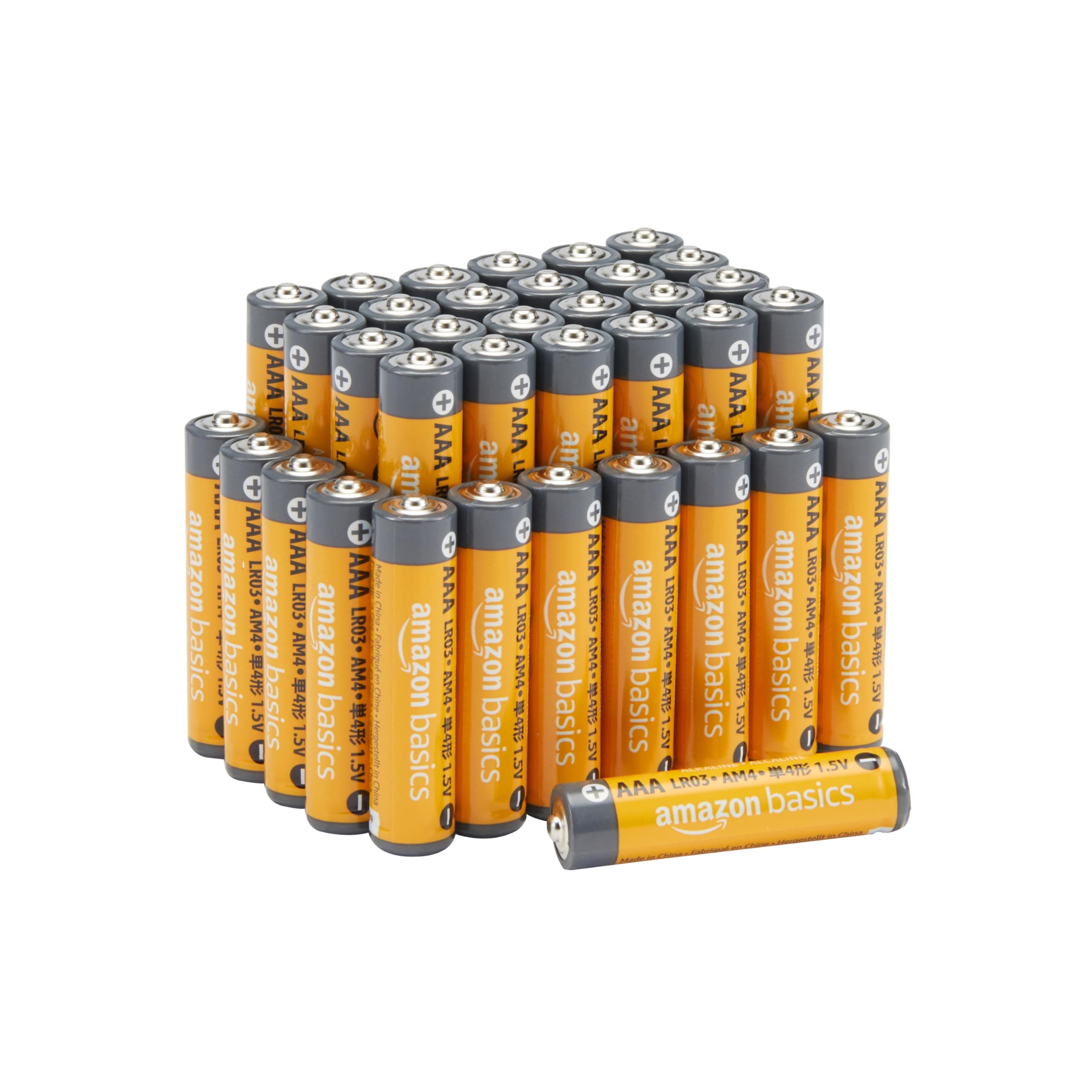
Amazon Basics AAA Alkaline High-Performance Batteries, 1.5 Volt, 10-Year Shelf Life, 36 Count (Pack of 1)
Amazon Basics