Match your vacuum to flooring type and home size. Pets need strong suction and self-emptying bins; apartments need quiet, slim models.
Match the vacuum to your flooring type and home size. Homes with pets need strong suction and self-emptying bins; apartments prioritize quiet operation and slim profile.
The Short Answer
Choosing a robot vacuum comes down to three primary factors: flooring type, home size, and specific needs like pet hair or allergy concerns. For hard floors, a basic model with good suction and a brush roll you can turn off is sufficient. For carpets, look for models with strong suction (2000+ Pa) and rubber brushes to avoid tangles. Large homes benefit from self-emptying docks and long battery life; small apartments value compact designs and quiet operation. Smart navigation (LiDAR vs. camera) also affects efficiency.
The Full Picture
Robot vacuums have evolved from novelty gadgets to reliable cleaning assistants. But with dozens of models ranging from $200 to $1,500, picking the right one can be overwhelming. This guide breaks down every crucial decision point.
The Key Factors
1. Flooring Type
- Hardwood/Tile/Laminate: Any robot vacuum will work, but avoid models with aggressive brush rolls that can scratch. Look for suction-only mode or soft bristles.
- Low-Pile Carpet: Standard models handle this fine. Ensure suction is at least 1500 Pa.
- High-Pile/Shag Carpet: Requires powerful suction (2500+ Pa) and rubber rollers. Avoid models with bristle brushes that get tangled.
- Mixed Flooring: Models with automatic carpet detection (to boost suction) and height-adjustable brush rolls are ideal.
2. Home Size & Layout
- Small (< 1000 sq ft): A basic robot with 60–90 min battery life is enough. Look for a compact dock and quiet operation (< 65 dB).
- Medium (1000–2000 sq ft): Needs 90–120 min battery. Self-emptying bin is optional but convenient.
- Large (> 2000 sq ft): Battery life > 120 min and self-emptying dock are almost mandatory. Mapping capabilities (LiDAR) help manage multiple rooms.
- Multi-Level Homes: A model that remembers multiple floor plans is essential.
3. Pet Owners
Pet hair is the toughest challenge. Key features:
- Strong Suction: 2500 Pa minimum.
- Self-Emptying Bin: Reduces contact with dander and hair.
- Rubber Brush Roll: Prevents hair tangles (e.g., iRobot’s dual rubber rollers).
- HEPA Filter: Traps allergens.
4. Smart Features & Navigation
- LiDAR Navigation: Uses lasers for precise mapping, faster cleaning, and better obstacle avoidance. Works in the dark. Best for open floor plans.
- Camera Navigation: Uses visual SLAM. Cheaper but slower and struggles in low light. Privacy concerns exist.
- Gyroscopic Navigation: Budget tier, random cleaning pattern, less efficient.
5. Budget & Value
Robot vacuums range from $200 to $1,500+. The sweet spot for most is $400–800, offering good navigation, strong suction, and self-emptying options. Timing your purchase can save hundreds—for example, check our Best Time to Buy Robotic Vacuums (2026 Guide) for seasonal deals.
Comparison Table: Robot Vacuums by Use Case
| Feature | Best for Hard Floors | Best for Pet Owners | Best for Large Homes |
|---|---|---|---|
| Suction | 1500–2000 Pa | 2500+ Pa | 2500+ Pa |
| Brush Roll | Soft bristle (can turn off) | Rubber rollers | Rubber or combo |
| Battery | 60–90 min | 90–120 min | 120+ min |
| Navigation | Gyroscopic or camera | LiDAR (preferred) | LiDAR |
| Self-Emptying | Optional | Highly recommended | Highly recommended |
| Price Range | $200–$400 | $500–$900 | $800–$1,500 |
Common Mistakes
- Buying too cheap: Vacuums under $200 often lack proper navigation and suction. You’ll end up with a toy, not a tool.
- Ignoring bin capacity: If you have a large home or pets, a small bin (< 300 ml) means emptying after every run. A self-emptying base is a game-changer.
- Overlooking edge cleaning: Round robots miss corners. Look for models with side brushes that extend.
- Skipping mapping features: Without mapping, robots bounce randomly and miss rooms. Schedule cleaning becomes unreliable.
Why It Matters
A mismatched robot vacuum leads to poor cleaning, frustration, and wasted money. The right one saves hours weekly, keeps floors consistently clean, and can last 5+ years. As noted in our Best Time to Buy Bottom Freezer Refrigerators (2026 Guide), timing big appliance purchases pays off—same applies here.
Our Recommendation
For most households, we recommend the Roborock Q5+ (LiDAR, strong suction, self-emptying, ~$600). It handles mixed flooring, has great battery life, and offers excellent value. Pet owners should step up to the iRobot j7+ with its rubber rollers and obstacle avoidance. Apartment dwellers on a budget can opt for the Eufy G30 (compact, quiet, under $300). Always check for deals—our Best Time to Buy Clothes Dryers (2025 Guide) and other guides show that holiday sales like Black Friday can cut prices by 30–40%.
Verdict: Match your vacuum to your home’s floors and your lifestyle. Invest in navigation and self-emptying if your budget allows; it pays off daily.
Frequently Asked Questions
What is the best robot vacuum for pet hair?
The best robot vacuums for pet hair have strong suction (2500+ Pa), rubber brush rolls to prevent tangles, HEPA filters to trap allergens, and self-emptying bins to reduce contact with dander. Models like the iRobot j7+ with dual rubber rollers excel. LiDAR navigation is preferred for efficient cleaning. These features ensure effective hair pickup and minimal maintenance.
How does LiDAR navigation work in robot vacuums?
LiDAR (Light Detection and Ranging) uses spinning lasers to measure distances and create precise maps of the home. It enables faster, systematic cleaning, accurate room-to-room navigation, and works in the dark. This results in better coverage and obstacle avoidance compared to camera or gyroscopic systems.
Why do robot vacuums need self-emptying bins?
Self-emptying bins automatically empty the robot's dustbin into a larger base, so you can go weeks without touching dirt or pet dander. This is especially valuable for large homes and pet owners, as it prevents the small bin from filling mid-clean and reduces allergen exposure.
Who should buy a robot vacuum with camera navigation?
Camera navigation (visual SLAM) suits budget-conscious users who clean primarily in well-lit conditions and have simpler floor plans. It's slower and struggles in dark rooms or with obstacles like cords and toys. Privacy concerns exist since cameras capture images. For most, LiDAR or gyroscopic options offer better performance.
Products Mentioned
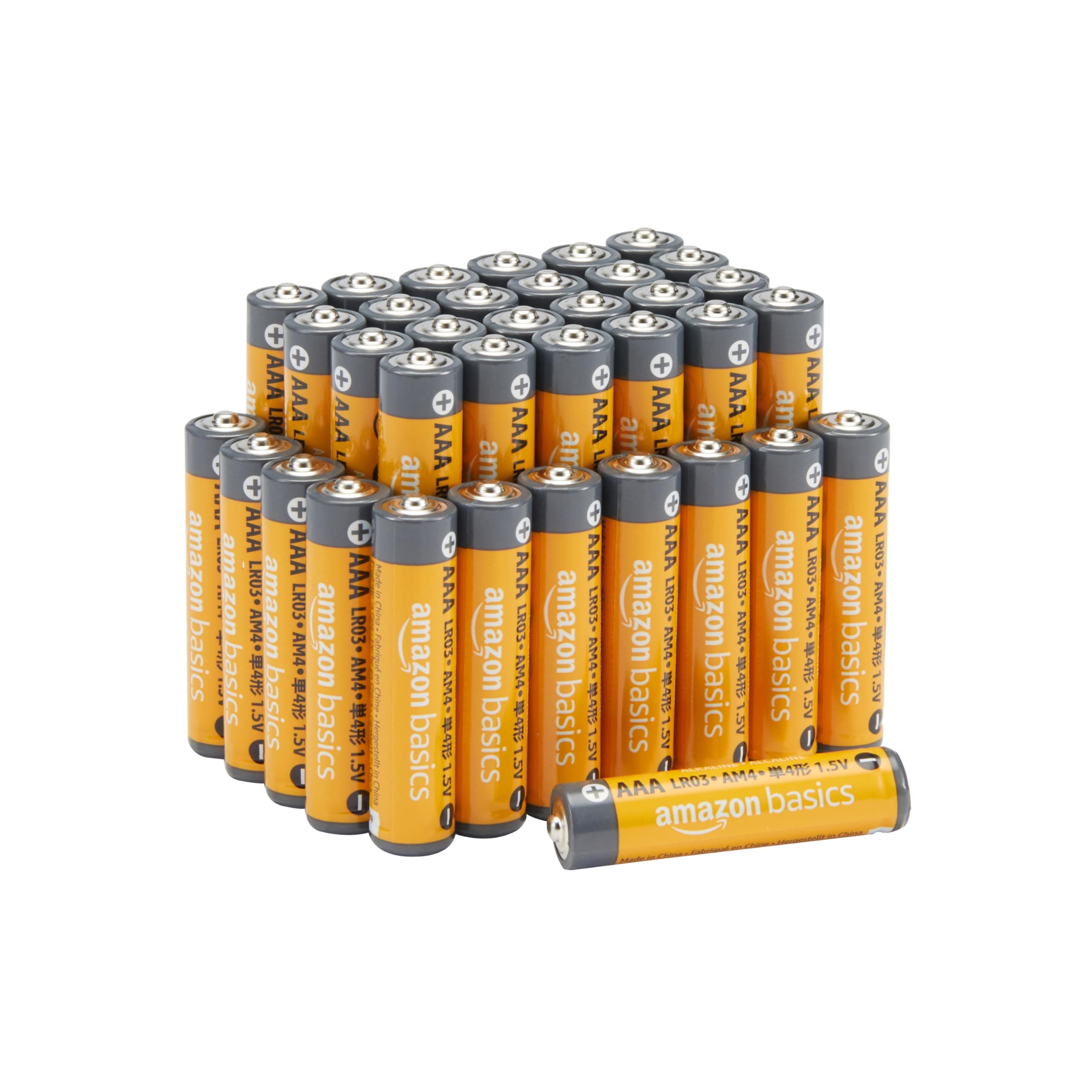
Amazon Basics AAA Alkaline High-Performance Batteries, 1.5 Volt, 10-Year Shelf Life, 36 Count (Pack of 1)
Amazon Basics