Match the vacuum to your flooring type and home size. Pets need strong suction and self-emptying bins; apartments prioritize quiet operation and slim profile.
Match the vacuum to your flooring type and home size. Homes with pets need strong suction and self-emptying bins; apartments prioritize quiet operation and slim profile. Robot vacuums vary widely in navigation, suction power, and features, so defining your needs first is essential.
The Short Answer
To choose the right robot vacuum, start with your flooring: hardwood, tile, low-pile carpet, or high-pile carpet. Then consider home size (small apartment vs. multi-level house), pet presence, and whether you prefer smart features like mapping and voice control. Budget also plays a role—a capable basic model can cost under $300, while premium self-emptying units exceed $800.
The Full Picture
Robot vacuums have evolved from random-bumping novelty items to sophisticated cleaning machines. However, not every model suits every home. Here’s how to break down the decision:
1. Flooring Type – Hard floors require good suction and a brush roll that doesn’t scatter debris. Carpet demands stronger suction (2000+ Pa) and a brush roll that agitates fibers. Some models offer suction adjustment and automatically boost power on carpet.
2. Home Size & Layout – For homes under 1000 sq. ft., a non-mapping, random navigation model can suffice, though mapping models are more efficient. Above 1500 sq. ft., invest in a lidar or vSLAM navigation system to avoid missed spots and recharging issues. Multi-level homes require a vacuum that can save multiple floor plans.
3. Pet Owners – Not only do you need robust suction, but also a hair-shedding brush roll and a large dustbin or self-emptying dock. Self-emptying bases are a game-changer for pet hair volume.
4. Noise Level – If you work from home or are noise-sensitive, look for models with a quiet mode (under 55 dB). Most robot vacuums are quieter than uprights, but budget units can be louder.
5. Smart Features – Mapping, no-go zones, room-by-room control, and integration with Alexa/Google Home add convenience but raise cost. Determine which you actually need.
The Key Factors
| Factor | Hard Floors | Low-Pile Carpet | High-Pile Carpet | Pet Household | Apartment (Hard Floors) |
|---|---|---|---|---|---|
| Suction | 1000+ Pa | 2000+ Pa | 3000+ Pa | 2500+ Pa | 1500+ Pa |
| Brush Roll | Soft bristle | Rubber bristle | Tangle-free | Tangle-free, self-cleaning | Soft bristle |
| Bin Size | 400+ ml | 400+ ml | 400+ ml | 600+ ml or self-empty | 300+ ml (empty often) |
| Navigation | Lidar/mapping | Lidar/mapping | Lidar with height sensor | Lidar with advanced mapping | Simple gyroscope or lidar |
| Noise | Under 60 dB | Under 60 dB | Under 65 dB | Under 65 dB | Under 55 dB |
| Price Range | $250-$600 | $300-$800 | $400-$1000 | $400-$1000 | $200-$500 |
Our Recommendation
For most homes, a mid-range lidar-based robot vacuum with variable suction (e.g., $400–$600) offers the best balance of performance and value. If you have pets, prioritize self-emptying and tangle-free brush rolls—paying a bit more is worth the daily convenience. Apartment dwellers can save by choosing a simpler model with quiet operation and a slim profile.
Timing matters too. Robot vacuums see major discounts during Black Friday and Amazon Prime Day. Check our Best Time to Buy Robotic Vacuums (2026 Guide) for pricing patterns. Also, if you're refreshing your entire home, consider coordinating with other appliance purchases—our Best Time to Buy Bottom Freezer Refrigerators (2026 Guide) and Best Time to Buy Air Conditioners (Portable) (2026 Guide) can help you save across the board.
Common Mistakes
- Ignoring furniture clearance. Many robots get stuck under low couches or on uneven thresholds. Measure before buying.
- Forgetting about obstacles. Cords, rugs, and pet bowls can confuse budget models. Look for obstacle-avoidance sensors.
- Choosing based solely on price. A $200 vacuum might leave your carpets half-cleaned, costing time and frustration.
- Overlooking maintenance. Filters, brushes, and sensors need regular cleaning; factor in ongoing care.
Verdict
Choose a robot vacuum that matches your specific flooring, home size, and lifestyle. Invest in reliable navigation and sufficient suction for your primary floor type, and don’t underspend on pet-friendly features if you have furry friends. The right robot vacuum will become an invisible helper—silently keeping your floors clean day after day.
Frequently Asked Questions
What is the best robot vacuum for pet hair?
The best robot vacuum for pet hair features strong suction (2500+ Pa), a tangle-free brush roll, and a self-emptying dock to handle large volumes of hair. Models like the Roomba j7+ or Roborock S7 MaxV Ultra excel with advanced navigation to avoid pet messes and scheduling for daily cleaning.
How does lidar navigation work in robot vacuums?
Lidar navigation uses a rotating laser sensor on top of the robot to emit laser beams and measure reflections, creating a precise 2D or 3D map of the room. This allows the vacuum to know its exact location, clean in efficient straight lines, and avoid obstacles, even in darkness.
Can a robot vacuum clean multiple floors?
Yes, many modern robot vacuums can clean multiple floors, but you need a model that supports saving multiple floor plans, such as those with lidar or vSLAM navigation. When moved to a different level, the vacuum will detect the new environment and load the appropriate map, allowing efficient cleaning without re-mapping.
How often should I replace robot vacuum filters?
Filters should typically be replaced every 2–3 months, but frequency depends on usage and allergy sensitivity. High-pile carpet or pet households may require monthly changes. Always check your model's manual; some have washable filters that last up to 6 months with proper cleaning.
Products Mentioned
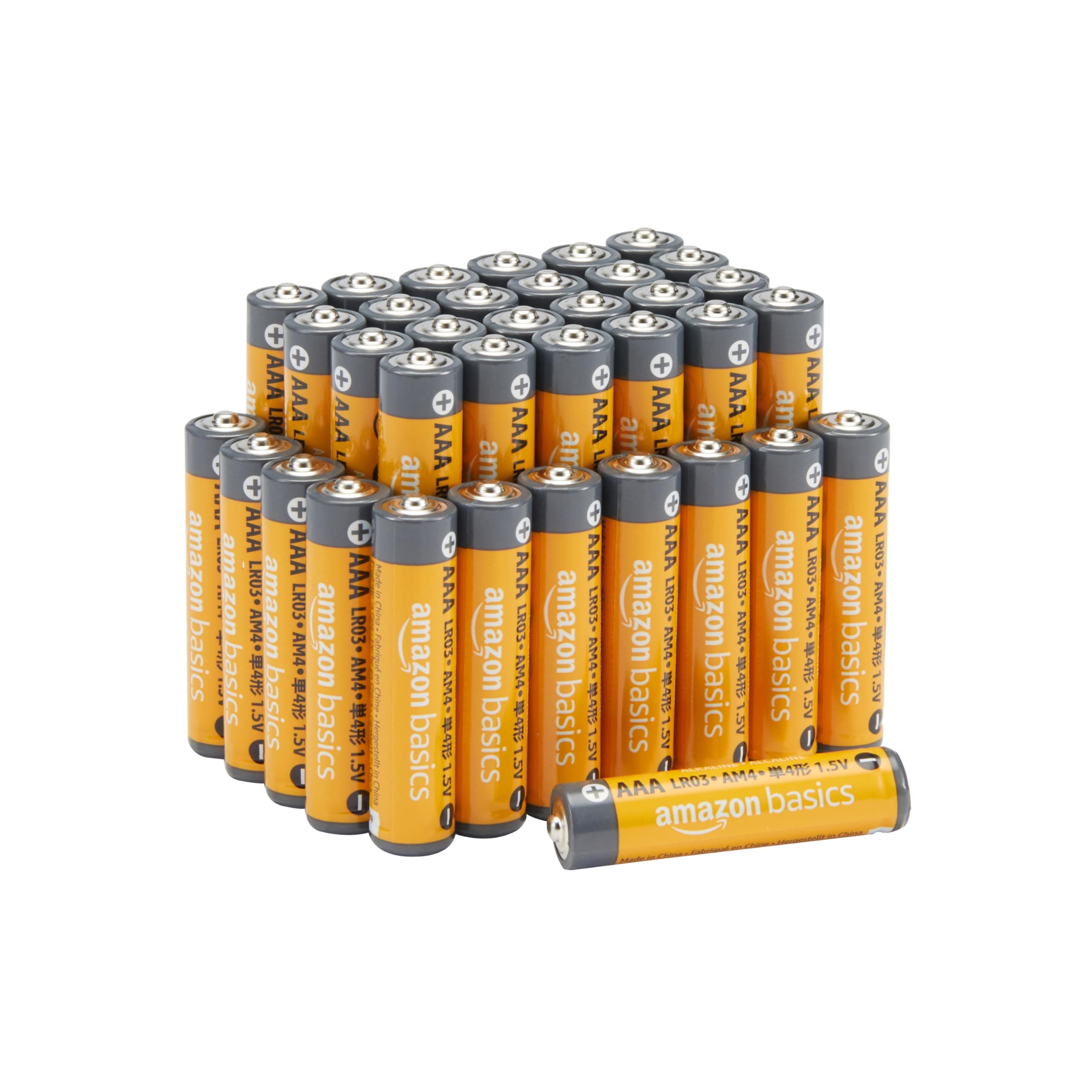
Amazon Basics AAA Alkaline High-Performance Batteries, 1.5 Volt, 10-Year Shelf Life, 36 Count (Pack of 1)
Amazon Basics