Match the vacuum to your flooring type and home size. Homes with pets need strong suction and self-emptying bins; apartments prioritize quiet operation and slim profile.
Match the vacuum to your flooring type and home size. Homes with pets need strong suction and self-emptying bins; apartments prioritize quiet operation and slim profile. This guide breaks down exactly how to pick the perfect model for your specific needs, covering navigation, suction power, battery life, and more.
The Short Answer
Selecting a robot vacuum comes down to three core factors: floor type, home layout, and your specific lifestyle. For hard floors, a simple robot with good brushroll design and decent suction will suffice. For carpets, prioritize strong suction and a brushroll that agitates fibers. Pet owners should look for tangle-free brushes and self-emptying bases. Apartment dwellers benefit from slim profiles and quiet operation. If you have multiple floors, ensure the robot can handle transitions and has a long battery life.
The Full Picture
Robot vacuums have evolved from novelty gadgets to essential home helpers. But with hundreds of models ranging from $200 to $1,500, choosing the right one requires understanding your home's demands. Key considerations include:
- Flooring type: Hardwood, tile, carpet, or a mix? Each requires different suction and brushroll design.
- Home size & layout: Open floor plans vs. rooms with thresholds. Larger homes need longer battery life and self-emptying bins.
- Pet ownership: Fur, dander, and accidents demand strong suction and anti-tangle tech.
- Smart features: App control, voice assistant integration, mapping, and mopping capabilities.
- Budget & maintenance: Filter replacement, brush wear, and accessory costs.
Timing your purchase can also save money. Check our Best Time to Buy Robotic Vacuums (2026 Guide) for seasonal deals and discounts.
Why It Matters
A wrong choice leads to frustration: a robot that struggles on low-pile carpet, fails to return to base, or drives over pet messes. The right robot can save hours each week and keep floors consistently clean. For homes with allergies, proper filtration reduces airborne particles. And for the environmentally conscious, efficient cleaning reduces energy use. Beyond vacuuming, consider if you need a mopping function—important for hard floors but less so for carpets.
The Key Factors
Flooring Type Comparison
| Feature | Hard Floors (Wood/Tile) | Low-Pile Carpet | High-Pile Carpet | Mixed Flooring |
|---|---|---|---|---|
| Suction needed | 1000-2000 Pa | 2000-3000 Pa | 3000+ Pa | 2500+ Pa |
| Brushroll type | Soft rubber or brushless | Tangle-resistant brush | Aggressive beater brush | Adjustable or combo |
| Mopping | Separate pad or integrated | Not needed | Not needed | Optional |
| Best models | Roborock Q5, iRobot Roomba 694 | iRobot Roomba j7+, Roborock S7 | Dreame L10s Ultra, Ecovacs Deebot X2 | Roborock S8 Pro Ultra, Samsung Jet Bot AI+ |
Navigation & Mapping
For simple homes under 1,500 sq ft, random bounce navigation (like the Roborock Q5) works fine. Larger or multi-level homes need laser (LiDAR) or camera-based navigation for efficient path planning and no-go zones. LiDAR works in darkness and provides accurate mapping, while camera navigation can recognize objects like pet waste (e.g., iRobot Roomba j7+). Avoid older models using only gyroscopes if you have complex floor plans.
Battery & Self-Emptying
Battery life should cover your home's floor area. For 2,000+ sq ft, look for 150+ minutes. Self-emptying bins (like on the Roborock S7 MaxV Ultra) are a game-changer for pet owners or anyone wanting low maintenance. They hold dust for up to 60 days. Without it, you'll empty the bin after every run.
Smart Home Integration
Most modern robots support Alexa, Google Assistant, and Siri. Some (like the Ecovacs Deebot models) also act as security cameras. If you have smart home routines, choose one that integrates seamlessly. App features like zone cleaning, scheduling, and virtual walls are standard in mid-range and up.
Our Recommendation
For most homes, the Roborock S8 Pro Ultra offers the best balance of suction (6,000 Pa), LiDAR navigation, self-emptying, and mopping. It handles mixed flooring effortlessly. If you're on a budget, the iRobot Roomba 694 is a solid entry-level choice for hard floors. For pet owners, the Dreame L10s Ultra with its tangle-free brush and self-emptying base is ideal. Apartment dwellers should consider the Ecovacs Deebot N8 Pro+ for its slim profile and quiet operation.
Remember that buying during sales events can save 20-30%. Check our Best Time to Buy Robotic Vacuums (2026 Guide) for timing. And if you're also replacing other appliances, see our Best Time to Buy Bottom Freezer Refrigerators (2026 Guide) and Best Time to Buy Clothes Dryers (2025 Guide).
Common Mistakes
- Ignoring floor type – Buying a carpet-focused robot for all-hardwood floors wastes money on unnecessary suction.
- Overlooking threshold height – Some robots struggle with transitions between rooms. Measure your thresholds.
- Buying based solely on price – Cheap models often lack mapping, leading to inefficient cleaning and missed spots.
- Forgetting about pet hair – If you have pets, avoid bristle brushes; they tangle and require frequent cleaning.
- Neglecting accessories and parts – Check availability and cost of filters, brushes, and batteries.
Verdict
Choosing the right robot vacuum means understanding your home's unique needs. Match the vac to your flooring—hard surfaces need less suction, carpets need more. Consider your home size for battery life and navigation type. Pet owners must prioritize tangle-free brushes and self-emptying bins. Apartment dwellers should value quietness and compact design. By following this guide, you'll avoid buyer's remorse and enjoy a cleaner home with less effort.
Frequently Asked Questions
What is the best robot vacuum for pet hair?
For pet hair, look for models with strong suction (2500+ Pa), tangle-free brushrolls, and self-emptying bins. Top picks include the Dreame L10s Ultra and Roborock S7 MaxV Ultra. They effectively remove fur from carpets and hard floors, and their self-emptying bases minimize contact with allergens.
Can a robot vacuum clean multiple floors?
Yes, most modern robot vacuums can clean multiple floors, but you typically need to manually move the robot and charging dock to each level. Models with LiDAR or camera navigation create separate maps for each floor, so you can schedule cleaning per level. Ensure the robot can handle transitions like thresholds.
Do robot vacuums work on thick carpets?
Some robot vacuums can handle thick carpets, but performance varies. High-pile carpets require strong suction (3000+ Pa) and a brushroll that doesn't get tangled. Models like the Dreame L10s Ultra or Roborock S8 Pro Ultra are better suited. However, very plush carpets may still cause navigation issues.
Are robot vacuums worth it for small apartments?
Yes, robot vacuums are excellent for small apartments. They provide consistent cleaning with minimal effort, especially in open layouts. Prioritize a slim profile (under 3.5 inches) to fit under furniture, quiet operation (under 60 dB), and good navigation. Models like the Ecovacs Deebot N8 Pro+ or iRobot Roomba 694 are great options.
Products Mentioned
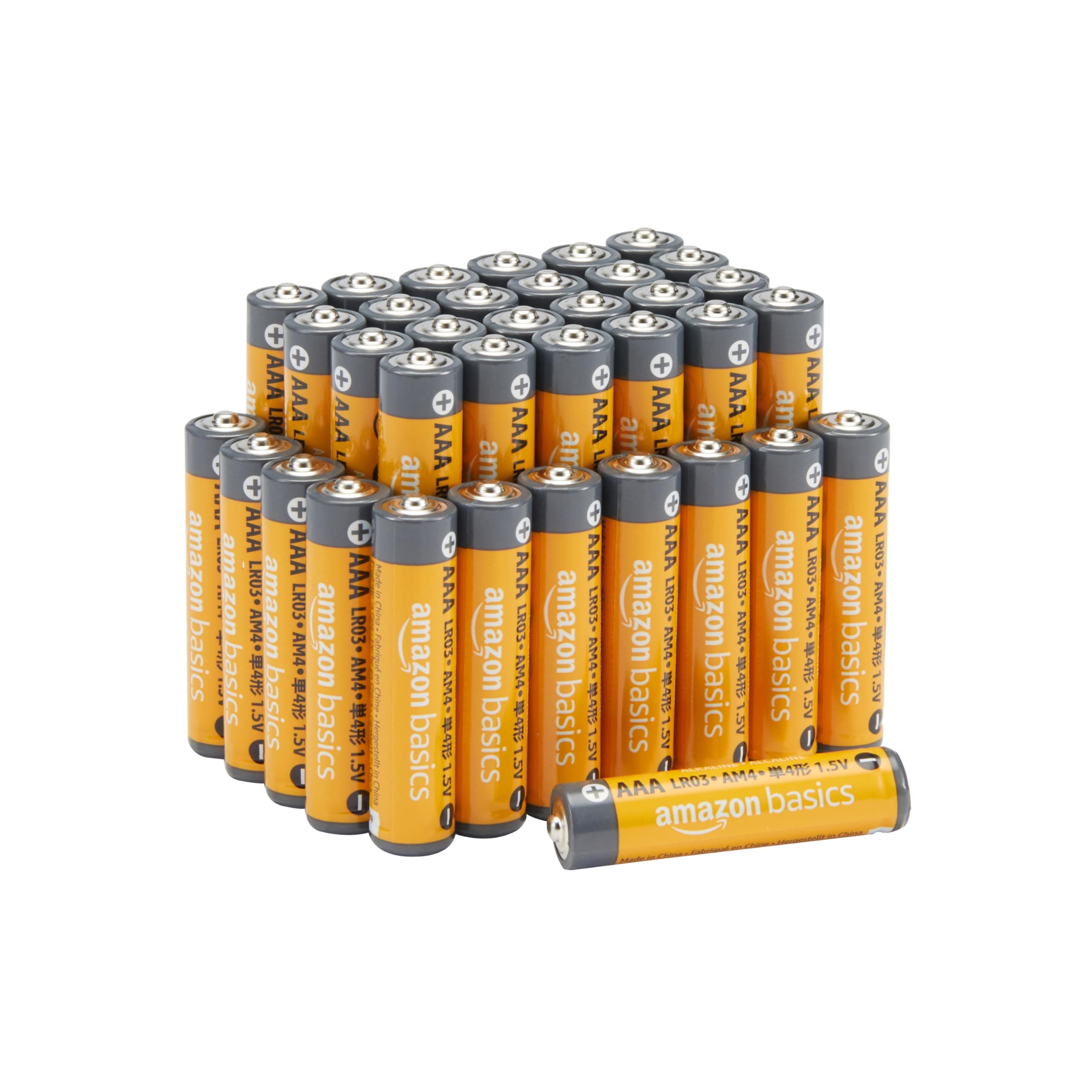
Amazon Basics AAA Alkaline High-Performance Batteries, 1.5 Volt, 10-Year Shelf Life, 36 Count (Pack of 1)
Amazon Basics