Match the vacuum to your flooring type and home size. Homes with pets need strong suction and self-emptying bins; apartments prioritize quiet operation and slim profile.
Match the vacuum to your flooring type and home size. Homes with pets need strong suction and self-emptying bins; apartments prioritize quiet operation and slim profile.
The Short Answer
Choosing the right robot vacuum isn't about picking the most expensive model—it's about finding the one that fits your specific living situation. Key considerations include flooring types (hardwood vs. carpet), presence of pets, home size, and whether you want smart features like mapping and voice control. Prioritize suction power for carpets and pet hair, self-emptying for convenience, and slim designs for furniture clearance.
The Full Picture
Robot vacuums have evolved from novelty gadgets to essential home appliances. Today's models offer LiDAR navigation, mopping capabilities, and AI-powered obstacle avoidance. But with hundreds of options, it's easy to get overwhelmed. Let's break down the critical factors.
Flooring Type
- Hardwood/Tile: Look for models with soft rubber brushes to avoid scratching, and consider a mopping function. Suction can be moderate, but edge cleaning is important.
- Carpet: High suction (2500+ Pa) is necessary to remove deep dirt. Self-emptying bins are a plus to avoid frequent emptying.
- Mixed Flooring: Choose a vacuum that automatically boosts suction on carpets and reduces on hard floors.
Pets
Pet hair demands strong suction and tangle-free brush rolls. Self-emptying bins prevent hair buildup. Some models have specialized pet modes and HEPA filters to trap allergens.
Home Size
- **Small Apartments (<800 sq ft)**: Compact, quiet models with small docks. Battery life > 60 minutes is sufficient.
- Medium Homes (800–2000 sq ft): Mid-range with LiDAR navigation and battery > 90 minutes.
- Large Homes (>2000 sq ft): High-end models with large batteries, automatic recharge, and multi-room mapping.
Smart Features
App control, voice assistant integration (Alexa, Google Assistant), and mapping capabilities allow you to schedule cleanings, set no-go zones, and monitor status remotely.
Key Factors at a Glance
| Feature | Budget ($200–$400) | Mid-Range ($400–$800) | Premium ($800+) |
|---|---|---|---|
| Suction | 1500–2500 Pa | 2500–4000 Pa | 4000+ Pa |
| Navigation | Random/gyroscope | LiDAR/vSLAM | LiDAR + AI |
| Battery | 60–90 min | 90–120 min | 120–150 min |
| Self-Emptying | No | Optional | Standard |
| Mopping | Passive pad | Vibrating pad | Sonic/rotating |
Common Mistakes to Avoid
- Ignoring Thresholds: Check that the vacuum can clear rugs and door thresholds (most handle up to 0.8 inches).
- Skipping Mapping: Without mapping, vacuums clean randomly, missing spots and wasting battery.
- Forgetting Maintenance: Empty bins, clean brushes, and replace filters regularly—or performance drops.
- Overlooking Noise: If you're sensitive to noise, look for models under 60 dB.
When to Buy (and Save)
Robot vacuums see deep discounts during major sales events like Prime Day, Black Friday, and seasonal clearances. For the best deals, consult our Best Time to Buy Robotic Vacuums (2026 Guide). If you're also in the market for other appliances, check out our guides for washer dryer combos and refrigerators to plan your purchases.
Our Recommendation
For most households, we recommend a mid-range robot vacuum with LiDAR navigation and a self-emptying base. This combination offers excellent cleaning coverage, minimal maintenance, and a good balance of cost and features. Specific picks:
- For pet owners: Choose a model with at least 3000 Pa suction, tangle-free brushes, and a self-emptying bin.
- For apartment dwellers: Opt for a slim, quiet model with smart mapping and a compact dock.
- For large homes: Invest in a premium model with long battery life and multi-room mapping.
Verdict
The right robot vacuum simplifies your life without breaking the bank. Focus on your floor type, pet situation, and home size. Use our guides to time your purchase, and avoid the common pitfalls. With the right choice, you’ll enjoy cleaner floors with zero effort.
Frequently Asked Questions
What is the best robot vacuum for pet hair?
Look for models with at least 3000 Pa suction, tangle-free brush rolls, and a self-emptying bin to prevent hair buildup. HEPA filters help trap allergens. Popular choices include the Roborock S7 MaxV and iRobot Roomba j7+, but always match the vacuum to your specific floor type and home size.
How do robot vacuums navigate and map a home?
Most modern robot vacuums use LiDAR (laser) or vSLAM (visual camera) to scan rooms and create a map. This allows them to clean in efficient rows, remember room layouts, and support features like no-go zones and room-specific cleaning. Budget models may rely on random bounce navigation, which is less efficient.
Why does my robot vacuum keep missing areas?
Common reasons include a dead battery (vacuum returns to dock mid-job), obstacles like loose rugs or low furniture, and lack of proper mapping. If the vacuum doesn't have LiDAR or vSLAM, it cleans randomly and may miss spots. Ensure thresholds are under 0.8 inches and that the room is tidy before cleaning.
Are robot vacuums suitable for homes with multiple floor types?
Yes, many models automatically detect floor type and adjust suction—boosting on carpets and reducing on hard floors to save battery and avoid scattering debris. Look for vacuums with soft rubber brushes for hard floors and edge-sweeping brushes to clean corners. Mopping models can also handle tile and wood.
Products Mentioned
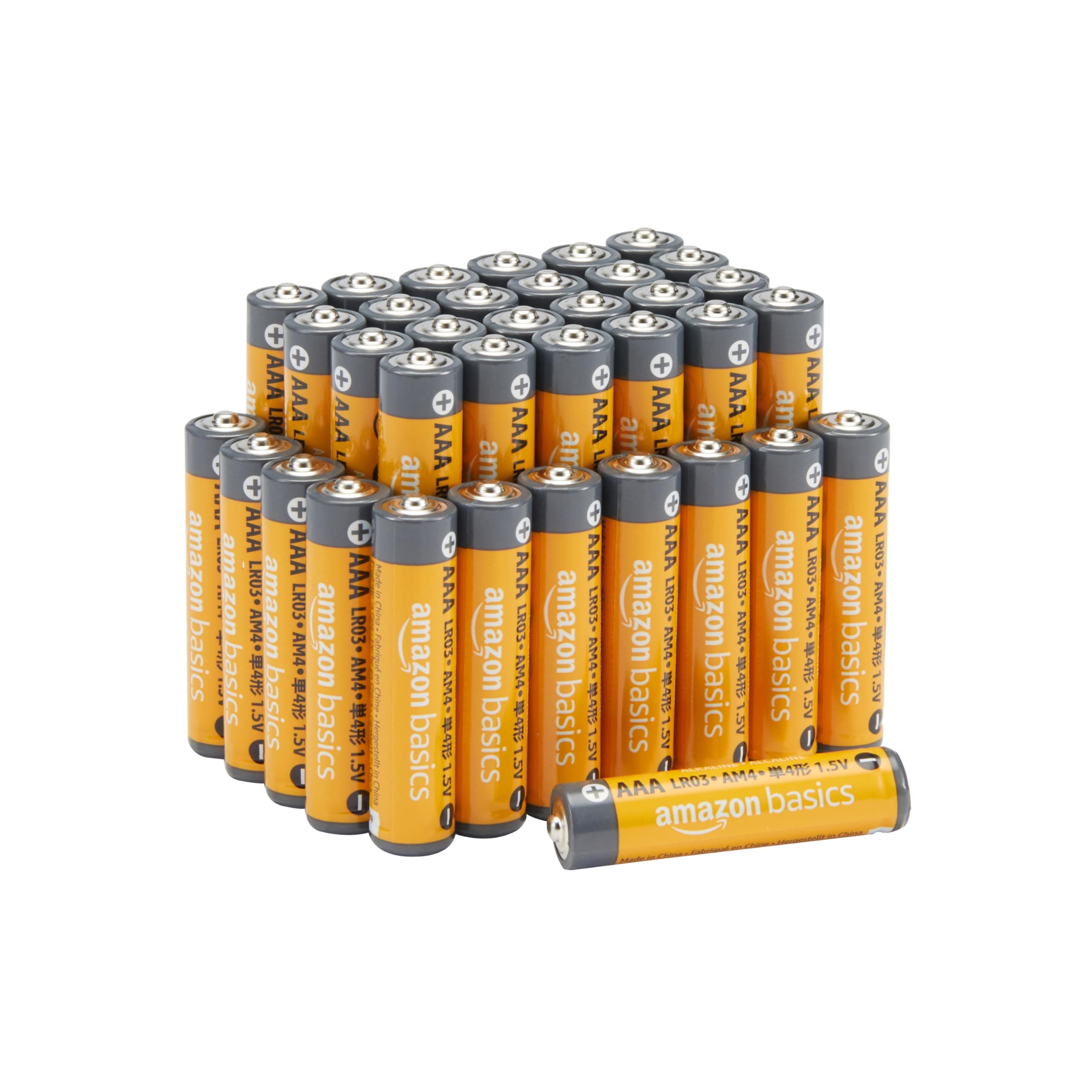
Amazon Basics AAA Alkaline High-Performance Batteries, 1.5 Volt, 10-Year Shelf Life, 36 Count (Pack of 1)
Amazon Basics