Match the vacuum to your flooring type and home size. Homes with pets need strong suction and self-emptying bins; apartments prioritize quiet operation and slim profile.
Match the vacuum to your flooring type and home size. Homes with pets need strong suction and self-emptying bins; apartments prioritize quiet operation and slim profile. This simple formula cuts through the noise, but your specific needs go deeper.
The Short Answer
The featured snippet above captures the essence: your flooring, home size, and lifestyle (pets, allergies, smart home) dictate which robot vacuum is best. For most households, a mid-range model with LiDAR navigation, strong suction (2500+ Pa), and a self-emptying dock offers the best value. If you have mostly hard floors, a cheaper robot with basic navigation can work. For wall-to-wall carpet, prioritize suction and a large dustbin.
The Full Picture
Choosing a robot vacuum is not just about specs; it’s about matching the machine to your daily reality. Here’s a breakdown of the critical factors.
1. Flooring Type
- Hardwood/Laminate: Most robots handle these fine. Look for edge-sweeping brushes to reach baseboards and a drop sensor to avoid falls. Suction above 1500 Pa is plenty.
- Low-Pile Carpet: Needs at least 2000 Pa. A rubber brush roll resists hair tangling.
- High-Pile Carpet/Area Rugs: Requires high suction (3000+ Pa). Avoid models with beater bars that can get stuck. Some vacuums auto-detect carpet and boost suction.
- Transition Strips: Check the robot’s clearance height. Most can handle up to 2 cm; some can do 3 cm.
2. Home Size & Layout
- Apartments (<1000 sq ft): A simple model with a small bin (300ml) works, but empty it often. Quiet operation is key—look for <60dB.
- Average Homes (1000–2500 sq ft): A larger dustbin (500ml+) or self-emptying dock. Battery life of 90+ minutes.
- Large Homes (>2500 sq ft): Self-emptying dock essential. Consider models with two batteries or recharge & resume. Multi-floor mapping is helpful.
3. Pet Owners: The Dealbreakers
Pets add hair, dander, and mess. Must-haves:
- Strong suction: 3000+ Pa for embedded hair.
- Tangle-free brush roll: Self-cleaning or rubber fins; side brushes should be easy to clean.
- Self-emptying bin: Holds weeks of debris, prevents hair from wrapping in the main bin.
- HEPA filter: Traps allergens. Change every 3–6 months.
4. Navigation & Smart Features
- Random Bounce: Cheap (under $200). Inefficient, can miss spots. Fine for very small spaces.
- LiDAR (Laser): Maps rooms, fast navigation, works in dark. Best for multi-room homes.
- Camera (Visual SLAM): Also maps, but can struggle in low light. Sometimes cheaper.
- Smart Mapping: Allows no-go zones, room-specific cleaning schedules. Essential if you have pet zones or avoided clutter.
- App Control: Schedule, start/stop, see map. Voice control via Alexa/Google Assistant is standard now.
5. Budget & Timing
Prices range from $200 (no mapping, basic) to $1500 (premium with mopping, self-washing). The sweet spot is $500–$800 for a reliable, full-featured robot. For best deals, check our Best Time to Buy Robotic Vacuums (2026 Guide) here. If you’re also shopping for other appliances, see the Best Time to Buy Bottom Freezer Refrigerators (2026 Guide) here and Best Time to Buy Refrigerators (2026 Guide) here.
Comparing Options
| Feature | Budget Pick | Mid-Range | Premium |
|---|---|---|---|
| Price | Under $300 | $300–$600 | $600+ |
| Suction | <2000 Pa | 2000–3000 Pa | 3000+ Pa |
| Navigation | Random | LiDAR | LiDAR + camera |
| Self-Emptying | No | Optional | Yes |
| Mopping | None | Basic (pad) | Advanced (vibrating, self-washing) |
| Best For | Small, hard floors | Mixed flooring, pets | Large homes, luxury |
Common Mistakes
- Ignoring dustbin size: A too-small bin fills quickly in a pet home. Self-emptying is a game-changer.
- Overlooking suction on carpet: Many budget models lack the power to deep-clean carpets.
- Skipping mapping for multi-room homes: Random navigation wastes battery and misses rooms.
- Buying during peak season: Prices spike. Use our timing guides to save.
- Neglecting filter maintenance: Clogged filters reduce suction. Replace regularly.
Our Recommendation
For most homes, the Roborock Q5+ or iRobot Roomba j7+ balance cost, features, and reliability. Pet owners should lean toward the Samsung Bespoke Jet Bot AI+ for its tangle-free brush and strong suction. Apartment dwellers on a budget can opt for the Eufy 11S—slim, quiet, and effective on hard floors. No matter what, plan your purchase around seasonal discounts; our Best Time to Buy Robotic Vacuums guide here shows the best months to buy.
Verdict: Match the vacuum’s strengths to your home’s weaknesses. That’s how you choose right every time.
Frequently Asked Questions
What is the best robot vacuum for pet hair?
For pet hair, prioritize models with strong suction (3000+ Pa), a tangle-free brush roll, and a self-emptying bin. The Samsung Bespoke Jet Bot AI+ excels with its anti-tangle brush and HEPA filter. Alternatively, the iRobot Roomba j7+ offers excellent hair pickup and self-emptying. Avoid budget models with beater bars that clog easily.
How do robot vacuums navigate?
Robot vacuums use three main navigation types: random bounce (cheap, inefficient), LiDAR laser mapping (fast, works in dark, ideal for multi-room homes), and camera visual SLAM (maps but struggles in low light). LiDAR is best for efficient coverage and smart mapping features like no-go zones.
Why do robot vacuums have self-emptying bases?
Self-emptying bases automatically empty the robot's dustbin into a larger bag or container, typically lasting weeks or months. This is especially useful for pet owners or large homes to avoid frequent manual emptying. It also reduces hair tangling around the bin and maintains suction by preventing bin overflow.
When should you replace the filter on a robot vacuum?
Replace the HEPA filter every 3–6 months, or sooner if you have pets or allergies. A clogged filter reduces suction and air quality. Many robots have filter replacement indicators in the app. Regular cleaning by tapping out dust extends filter life, but replacement is essential for optimal performance.
Products Mentioned
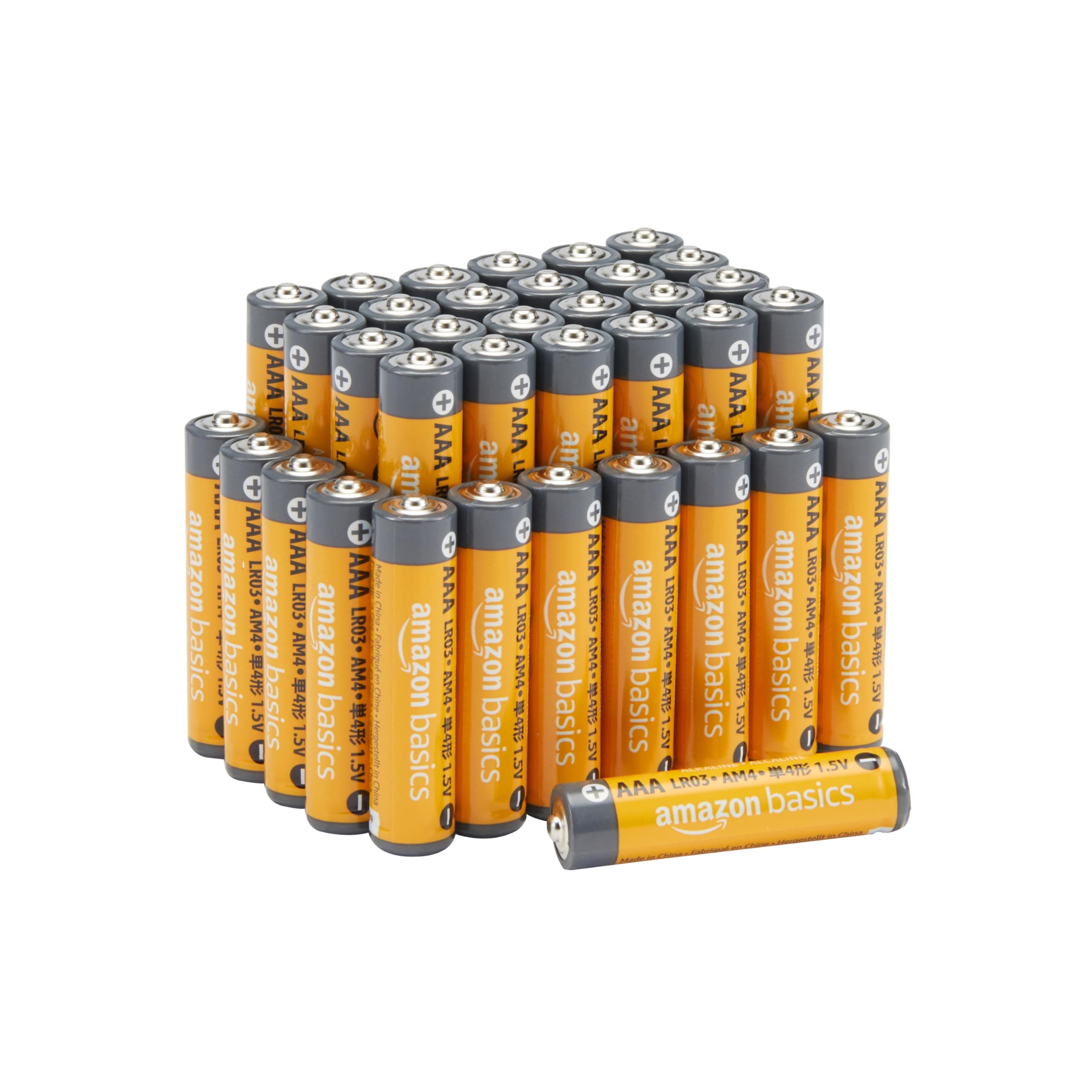
Amazon Basics AAA Alkaline High-Performance Batteries, 1.5 Volt, 10-Year Shelf Life, 36 Count (Pack of 1)
Amazon Basics