Match the vacuum to your flooring type and home size. Homes with pets need strong suction and self-emptying bins; apartments prioritize quiet operation.
The Short Answer
To choose the right robot vacuum, match it to your flooring type and home size. Homes with pets need strong suction and self-emptying bins; apartments prioritize quiet operation and a slim profile to fit under furniture. For detailed timing on when to buy, check our Best Time to Buy Robotic Vacuums (2026 Guide).
The Full Picture
Robot vacuums have evolved from novelty gadgets to essential home appliances. But with dozens of models boasting different features, picking the wrong one can leave you with a device that misses spots, gets tangled in cords, or requires daily emptying. The key is understanding your home's specific needs.
To help you decide, here’s a quick comparison of robot types based on floor type:
| Floor Type | Recommended Feature | Example Use Case |
|---|---|---|
| Hardwood/Tile | No bristle brush, good mapping | Avoids scratching, no tangles |
| Low-pile carpet | Strong suction (≥2000 Pa), brush roll | Picks up embedded dirt |
| High-pile carpet | Specialized brush or avoid (many struggle) | May get stuck, need high clearance |
| Mixed flooring | Smart mapping with floor-type detection | Auto-adjusts suction and brush speed |
Why Floor Type Matters Most
A robot vacuum's cleaning performance is heavily dictated by its brush design and suction power. For hard floors, a simple direct suction model (like the Eufy RoboVac) is often best because it avoids scratching and won't fling debris. For carpets, a brush roll is essential to agitate dirt, but if you have long hair or pets, look for anti-tangle brushes. If you have mostly area rugs, ensure the vacuum can transition from hard floor to rug without getting stuck.
Home Size and Layout
If you live in a studio apartment (under 500 sq ft), a budget vacuum without mapping may suffice. For multi-story homes (over 1500 sq ft), invest in a model with LiDAR or vSLAM navigation to avoid repeat passes. Also consider battery life; most vacuums run 60-120 minutes which covers typical homes. For larger spaces, self-emptying models are a game-changer—they can run daily for weeks without intervention.
Noise and Profile
Apartment dwellers should prioritize noise levels under 60 dB (quiet conversation level). A slim profile (under 3.5 inches) helps fit under couches. Some models like the Roomba j7+ offer “quiet mode” that reduces suction while still cleaning effectively on hard floors.
The Key Factors
Beyond floor type and size, consider these aspects:
- Self-emptying bin: Essential for pet owners or allergy sufferers—emptying a tiny bin daily is a chore. Models like the Roborock S7 MaxV Ultra also wash the mop pad.
- Mapping and navigation: Random bounce navigation is outdated. Look for models that create a map of your home (some even store multiple floor maps for multi-story homes).
- Object avoidance: High-end models (e.g., iRobot Roomba j9+) use cameras to avoid cords and pet waste. This reduces maintenance.
- Mopping ability: If you have hard floors, consider a vacuum with a water tank for damp mopping. Most are just swipe pads, but newer models have vibrating pads for better cleaning.
Timing your purchase: Robot vacuums often drop in price during major sales events. Check our Best Time to Buy Clothes Dryers (2025 Guide) for general appliance shopping patterns, but for robot vacuums specifically, Prime Day and Black Friday offer deep discounts.
Common Mistakes
- Ignoring floor thresholds: Some vacuums struggle to cross high thresholds (over 0.5 inches) between rooms. Measure before buying.
- Neglecting virtual barriers: Cheap models lack no-go zones, so the vacuum may bump into pet bowls or tangled cords.
- Overlooking filter maintenance: HEPA filters need regular cleaning; otherwise, allergens get recirculated.
- Choosing based on suction alone: A 5000 Pa vacuum on a shag carpet will likely get stuck. Check brush design and clearance.
- Buying too early: Early adopter prices are high. For perennially updated devices like robot vacuums, waiting for a refresh can save 30%—see our Best Time to Buy Air Conditioners (Portable) (2026 Guide) for seasonal trends applicable to many home appliances.
Our Recommendation
- For pet owners with mixed floors: Roborock S8 Pro Ultra (excellent self-emptying, strong suction, and mopping).
- For apartments on hardwood: iRobot Roomba 694 (budget-friendly, quiet, reliable).
- For large homes with multiple stories: Ecovacs Deebot X2 Omni (mapping holds up to 4 floors).
- For tight budgets: Eufy RoboVac G30 Hybrid (good suction, slim, under $250).
If you’re flexible on timing, use our guides to score a deal: robot vacuums often hit their lowest price during Amazon Prime Day and Black Friday. For other home appliances, similar patterns hold—just check our Best Time to Buy Refrigerators (2026 Guide) for seasonal timing insights.
Verdict
Choose a robot vacuum that aligns with your floor type, home size, and lifestyle. Don’t overspend on features you won’t use. A $300 vacuum with proper mapping and self-emptying can outperform a $1000 model if it matches your needs. Happy cleaning!
Frequently Asked Questions
What is the best robot vacuum for hardwood floors?
For hardwood floors, choose a robot vacuum with direct suction and no bristle brush to avoid scratching. Look for models like the Eufy RoboVac or iRobot Roomba 694, which offer good mapping and a slim profile. Avoid aggressive brush rolls that can scatter debris. Ensure the vacuum has floor-type detection to adjust suction automatically.
How do robot vacuums navigate and map your home?
Robot vacuums navigate using either random bounce or systematic mapping via LiDAR (laser) or vSLAM (camera). LiDAR spins to measure distances for precise maps, while vSLAM uses visual landmarks. Advanced models store multiple floor maps for multi-story homes, enabling room-specific scheduling and virtual no-go zones to avoid obstacles like cords and pet bowls.
Why do robot vacuums get stuck and how to prevent it?
Robot vacuums often get stuck on high thresholds (over 0.5 inches), loose cords, rug tassels, or under low furniture. To prevent this, measure thresholds before buying, tidy up cords and small objects, and choose models with object avoidance cameras like the iRobot Roomba j9+. Use virtual barriers or physical tape to block problem areas, and perform regular maintenance.
When should I replace my robot vacuum?
Replace your robot vacuum when battery life drops below 30 minutes, navigation becomes erratic, or it can't adapt to new flooring. Most units last 3–5 years. If you frequently deal with tangles or daily bin emptying, consider upgrading to newer features like self-emptying bins and anti-tangle brushes, which save time and effort.
Products Mentioned
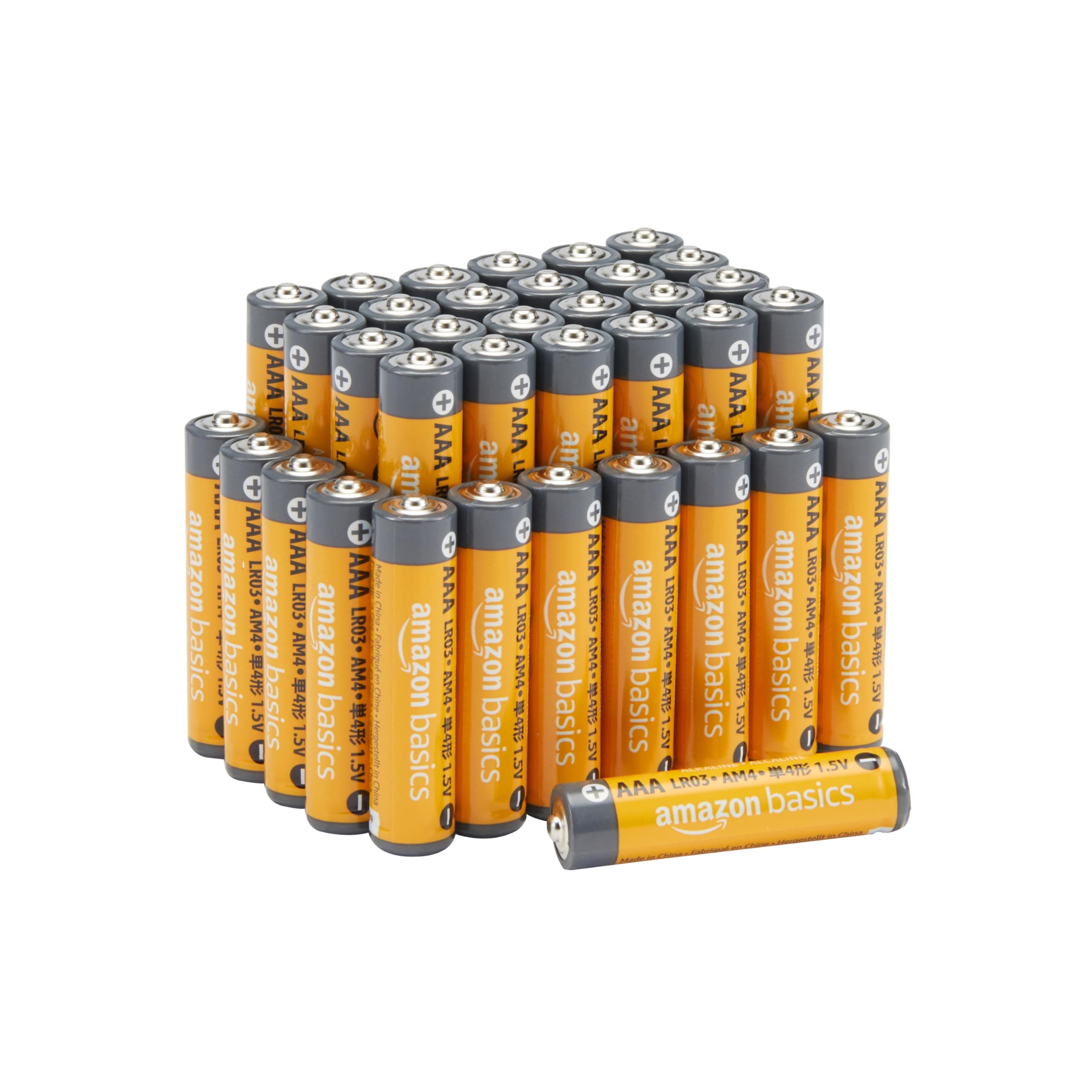
Amazon Basics AAA Alkaline High-Performance Batteries, 1.5 Volt, 10-Year Shelf Life, 36 Count (Pack of 1)
Amazon Basics