Match the vacuum to your flooring type and home size. Homes with pets need strong suction and self-emptying bins; apartments prioritize quiet operation and slim profile.
Match the vacuum to your flooring type and home size. Homes with pets need strong suction and self-emptying bins; apartments prioritize quiet operation and slim profile. No single robot vacuum works for every space, but once you break down your needs by floor plan, flooring, and lifestyle, the choice becomes much simpler.
The Short Answer
Choose a robot vacuum based on three things: flooring type, home size, and how much mess you generate. For pet owners, look for suction above 2,500 Pa, a tangle-free brush roll, and a self-emptying dock. For apartments and small spaces, prioritize a slim profile (under 3.5 inches) and noise ratings below 65 dB. For large homes, battery life (over 150 minutes) and automatic recharging are must-haves.
The Full Picture
Robot vacuums have evolved from novelty gadgets to genuinely useful home appliances. In 2026, even budget models include laser navigation and app scheduling. But with dozens of options spanning $150 to $1,500, it's easy to overpay for features you don't need. To make sense of it all, start with your floor plan, then work your way through the key specifications.
If you're shopping on a budget, timing matters as much as specs. Our Best Time to Buy Robotic Vacuums guide breaks down seasonal price drops and when manufacturers refresh their lineups. Similarly, understanding how a robot vacuum compares to a traditional upright or stick vacuum will help you decide whether you actually need a robot at all.
Why It Matters
The wrong robot vacuum can leave you frustrated: a weak-suction model on thick carpet, a bulky unit that can't fit under your sofa, or a loud bot that runs while you're trying to take a conference call. The right one, on the other hand, becomes an invisible household helper that keeps floors consistently clean without you touching a broom.
Robot vacuums also affect indoor air quality. Many models now include HEPA filters that trap allergens, but only if the seal is tight. If allergies are a concern, check the filter rating and whether the dustbin is easy to empty without puffing dust back into the room. Pairing a robot vacuum with a good air purifier is often the best one-two punch for allergy sufferers.
The Key Factors
1. Flooring Type
- Hardwood and tile: Any robot vacuum works, but avoid models with beater bars that can scratch. Look for soft rubber rollers or a "hardwood mode" that reduces brush speed.
- Low-pile carpet: Standard suction (1,500–2,000 Pa) is fine. You don't need a monster motor.
- Medium-to-high-pile carpet: You need stronger suction (2,500 Pa or more) and a brush roll that doesn't get tangled. A self-cleaning brush is a huge plus.
- Mixed floors: A robot with automatic suction adjustment and a floor sensor is ideal. It can boost suction on carpet and lower it on hard surfaces to save battery.
2. Home Size and Layout
- Studio or apartment (<700 sq ft): A slim robot with 80–120 minutes of battery is enough. You also want a small dock and quiet operation—some models run at just 55 dB.
- Medium home (700–1,500 sq ft): Look for 120–180 minutes of runtime and a self-emptying base so you don't have to empty the bin daily.
- Large home (>1,500 sq ft): Choose a model with 180+ minutes of runtime, automatic recharge and resume, and mapping that handles multiple floors. A larger dustbin (500+ ml) also helps.
3. Pets and Allergies
Pets are the single biggest factor in robot vacuum choice. Pet hair wraps around brush rolls, so look for a tangle-free design. Strong suction (2,500+ Pa) lifts embedded hair from carpets. A self-emptying base with a sealed HEPA filter traps dander and reduces your exposure to allergens—critical for allergy sufferers. Some models even have a "pet mode" that increases suction when it detects debris near a litter box or sleeping area.
4. Navigation and Smart Features
In 2026, most robots use laser radar (LiDAR) or camera-based VSLAM navigation. LiDAR is more efficient in the dark and makes precise maps, but it's often slightly taller. Camera navigation can recognize objects like shoes and cables, but it may struggle in dim lighting. If you have a multi-level home, make sure the robot supports multiple saved maps—otherwise you'll have to remap every time you move it.
5. Noise Level
If you work from home or have a baby, noise matters. Standard robot vacuums range from 55 to 75 dB. Quieter models (under 60 dB) are unobtrusive but usually have weaker suction. Consider running the robot while you're out if you pick a louder model.
6. Maintenance and Repairs
All robot vacuums need periodic maintenance: emptying the bin, cleaning filters, replacing brushes, and removing hair from wheels. Self-emptying bases reduce bin empties but add cost and require a dock with a vacuum motor. Check the cost of replacement consumables before you buy—some brands charge $30+ per filter, others are under $10.
Quick Comparison Table
| Scenario | Best Robot Vacuum Type | Key Specs to Look For | Estimated Price |
|---|---|---|---|
| Apartment / Hardwood | Slim LiDAR model | Under 3.5" height, 60 dB or quieter, 100+ min runtime | $250–$500 |
| Home with pets | Self-emptying + tangle-free brush | 2,500+ Pa suction, HEPA, 4,000+ mAh battery | $600–$1,200 |
| Large multi-floor home | Top-tier mapping + auto resume | 200+ min runtime, multiple maps, 500+ ml bin | $800–$1,500 |
| Budget small home | Basic gyro or water-drop navigation | 1,500–2,000 Pa suction, 90-min runtime | $150–$300 |
Of course, these are just starting points. A high-end robot can still fail if it doesn't fit your space, so always measure your furniture clearance and doorway heights.
Common Mistakes to Avoid
- Buying on suction alone. Suction power is important, but brush design and navigation often matter more. A 4,000 Pa robot with a bad brush will still fling hair around.
- Ignoring the self-emptying feature. If you have pets or a large home, a 500 ml dustbin will fill up in one run. A self-emptying base can store up to 60 days of debris.
- Skipping object avoidance. Cable tangles and dropped socks can stall a robot mid-clean. If you have kids or pets, spend extra for camera-based obstacle detection.
- Forgetting to schedule maintenance. A robot vacuum is not set-and-forget. Clean the sensors and brush roll every two weeks to keep it navigating accurately.
- Overlooking the dock placement. The charging dock needs clear space on all sides. If you tuck it in a corner, the robot may fail to dock.
Our Recommendation
Here's how we'd decide in 2026:
- For apartment dwellers with hardwood or tile: Look for a slim, quiet robot in the $300–$500 range. Models with LiDAR and no self-emptying base are usually the quietest. Priority goes to height and noise, not suction.
- For pet owners with carpet: Choose a self-emptying model with a tangle-free brush roll and suction above 2,500 Pa. Expect to pay at least $600. The convenience of not emptying a bin for weeks is worth it.
- For large multi-floor homes: Spring for a top-tier model with multi-map support, automatic recharge and resume, and a large dustbin. If you have only one floor but lots of square footage, a mid-range self-emptying robot is enough.
If you're still torn, read our Best Time to Buy Robotic Vacuums guide to see when prices drop—the best robot for you is the one you buy at a 20–30% discount during major sales events.
Verdict
The right robot vacuum is the one that matches your floors, your home size, and your tolerance for maintenance. For most people, that means a mid-range LiDAR model with good brush design and decent suction. For pet owners, it means a self-emptying workhorse. And for anyone in an apartment, it means something quiet and low-profile.
Measure your space, count your pets, and use the table above as a shortcut. Your floors will thank you.
Frequently Asked Questions
What is the difference between LiDAR and VSLAM navigation in robot vacuums?
LiDAR uses laser beams to map rooms precisely and works in the dark, but adds height. VSLAM uses cameras to recognize landmarks and is slimmer, but struggles in low light. LiDAR is generally more accurate for multi-room homes, while VSLAM is cheaper. Choose LiDAR for dark environments and complex layouts, VSLAM for compact, well-lit spaces.
How often should I run my robot vacuum?
For most homes, running it daily or every other day keeps floors clean. Homes with pets or high foot traffic benefit from daily runs, while smaller or low-traffic spaces can run 2–3 times weekly. Schedule it when you're away to minimize noise disruption. Let the robot determine frequency based on your cleaning needs.
Why is my robot vacuum not picking up dirt?
Common causes include a full dustbin, clogged brush roll, or a weak battery. Check for tangled hair around the roller and clean the sensors to ensure proper navigation. Also, verify the suction setting is appropriate for your flooring. If the filter is dirty, it reduces airflow. Regular maintenance prevents most pick-up issues.
When should I replace my robot vacuum?
Most robot vacuums last 3–5 years with proper care. Replace yours when battery life drops below 50% of its original runtime, navigation becomes unreliable, or repair costs exceed half the price of a new model. If it no longer maps accurately or struggles with everyday messes, upgrading to a newer model with better suction and mapping is worthwhile.
Products Mentioned
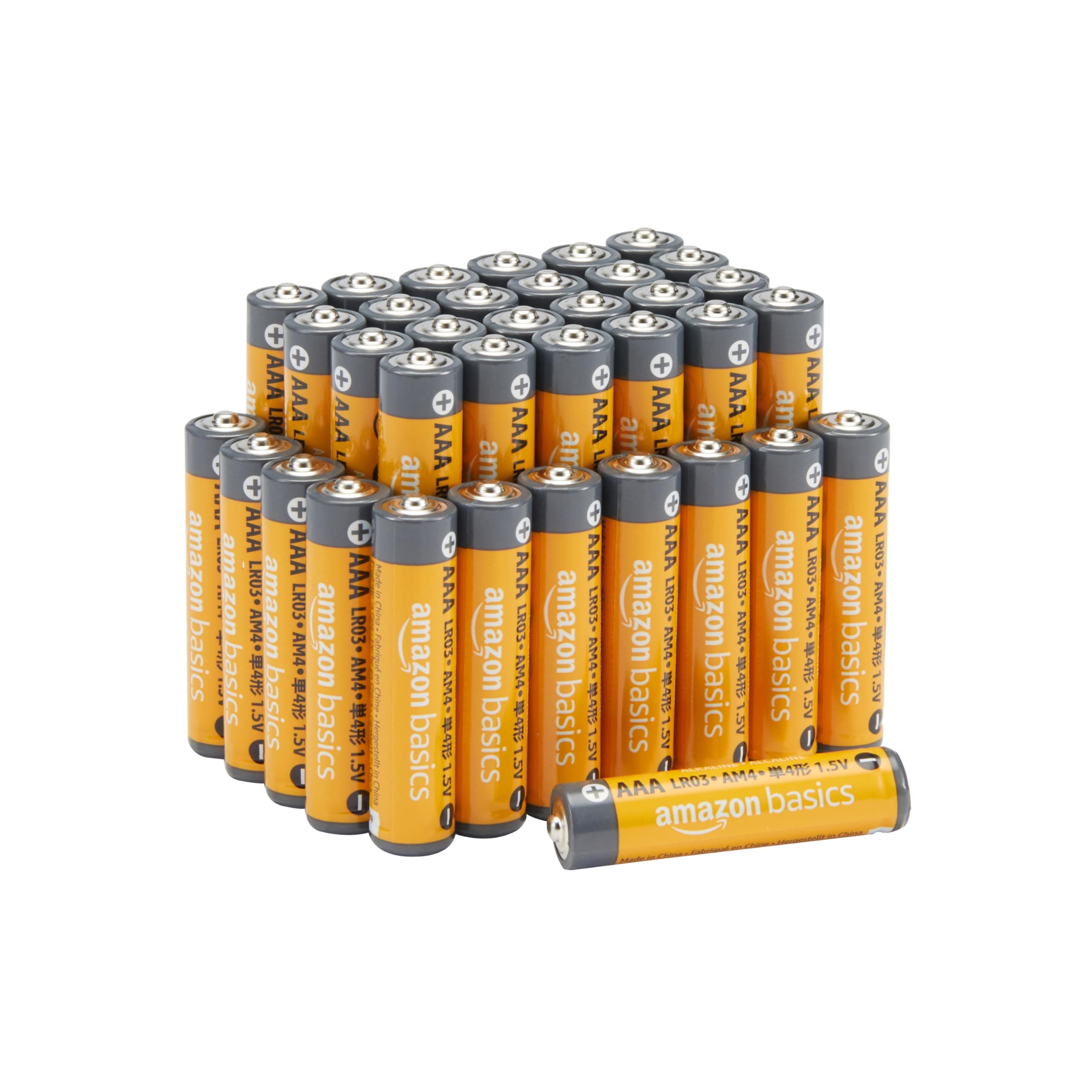
Amazon Basics AAA Alkaline High-Performance Batteries, 1.5 Volt, 10-Year Shelf Life, 36 Count (Pack of 1)
Amazon Basics