
Match the vacuum to your flooring type and home size. Homes with pets need strong suction and self-emptying bins; apartments prioritize quiet operation and slim profile.
Match the vacuum to your flooring type and home size. Homes with pets need strong suction and self-emptying bins; apartments prioritize quiet operation and slim profile. The best robot vacuum isn't the most expensive one—it's the one that fits your daily life, from the rugs you have to the obstacles your couch presents.
The Short Answer
The ideal robot vacuum balances suction, navigation, and convenience against your home's unique demands. Start by measuring your flooring mix, square footage, and whether pets or allergies are in play. Then, look for these three must-haves: smart mapping (LiDAR or camera), app-based scheduling, and a self-cleaning feature if you can stretch your budget. For most homes, a mid-range model with 2,500–3,000 Pa suction and a 120-minute battery is the sweet spot.
The Full Picture
Robot vacuums have gone from novelty to necessity in less than two decades. The latest models can remember multiple floors, avoid cables, and empty themselves for weeks. But that technology comes at a cost—and buying the most expensive robot doesn't automatically guarantee the best clean for your space.
The single biggest factor is informed trade-offs. You might sacrifice mapping for a quieter motor, or give up a self-emptying bin to get more battery life. Without a clear priority list, you'll likely overpay for features you don't need or, worse, underbuy a robot that can't handle your home's layout.
Here’s what actually changes the equation:
Flooring: Hardwood and tile need a gentle brush roll and strong suction to lift dust from cracks. Carpets demand higher suction and a motorized brush that doesn’t tangle. Mixed flooring means you need a model that adjusts suction automatically.
Home size: A studio under 500 sq ft can get away with a cheaper random-navigation model. Larger homes need a robot with mapping and zoning so it doesn't waste battery re-cleaning the same corner. Multi-level homes require either multiple units or one you can easily move between floors.
Pets: Pet hair wraps around brush rolls and clogs filters. Look for tangle-free brush designs, high static suction, and a self-emptying base that holds weeks of fur. The extra cost pays off in maintenance alone.
Noise: If you live in a condo or work from home, decibel levels matter. Most robots operate at 55–65 dB, but “quiet” models hover near 50 dB. Running a loud robot while on a Zoom call is a dealbreaker.
Maintenance: Self-emptying bins, washable filters, and brush roll cleaning tools save you from messy weekly tasks. A robot with a self-cleaning base can push maintenance to once a month.
The Key Factors
Let’s break down the seven decisions that matter most. You don’t need to max out every spec—you need the ones that align with your lifestyle.
1. Suction Power: Pa vs. Reality
Suction is measured in Pascals (Pa). Budget robots deliver 1,500–2,000 Pa; high-end models reach 5,000–6,000 Pa. But raw suction isn't everything—carpet depth and brush roll design matter more. For hard floors, 2,000 Pa is enough. For medium-pile carpet, look for at least 2,500 Pa and a direct-drive brush. If you have high-pile rugs, you may need a dedicated upright vacuum instead; a robot can struggle.
Pro tip: Pay attention to “auto-boost” mode, which increases suction when the robot senses carpet. It saves battery on hard floors.
2. Navigation: LiDAR vs. Camera vs. Bump
- LiDAR: Spins a laser to map rooms; fast, accurate, works in the dark. Best for multi-room homes.
- Camera (VSLAM): Uses visual landmarks; cheaper but can fail in low light or with clutter.
- Bump navigation: No map, random pattern; fine for tiny spaces, frustrating elsewhere.
If your home has an open layout, LiDAR is worth the premium. If you keep clutter low, a camera-based model can save money.
3. Self-Emptying Bin: Worth It?
A self-emptying dock costs $100–$200 more but empties the robot’s dustbin into a sealed bag that you throw away every few weeks. Pet owners and allergy sufferers should absolutely get this—it reduces contact with dust. For a single person in a clean studio, it’s nice to have but not essential.
However, note that bags are proprietary. Factor in the cost of replacement bags ($20–$30 for 3–4 packs) over the robot’s lifetime.
4. Battery Life and Charging
Most robots last 90–150 minutes before returning to base. For homes over 1,500 sq ft, pick a model with “recharge and resume” so it continues cleaning after a top-up. Also consider whether the battery is replaceable—some budget models require a full unit swap after two years.
Navigating multi-floors: If you have more than one floor, a robot with a removable battery makes moving levels easier. You just charge it on level 1, then transfer to level 2. Many users buy two robots instead, but that's not eco-friendly on your wallet.
5. App and Smart Home Integration
A good app lets you set no-go zones, schedule cleaning, and monitor battery. Look for compatibility with Alexa, Google Home, or Apple HomeKit if you live in a smart home. The app experience also matters—some are clunky and hide basic settings behind menus.
I personally prefer apps that offer a “clean” history map, so you can see which areas were missed. That’s a strong indicator of navigation quality.
6. Mopping Function: Hype or Help?
Robots with a water tank and microfibre pad can handle light mopping on sealed hard floors. They won't scrub grout or remove dried stains. If you need real mopping, buy a dedicated robot mop or a 2-in-1 with a vibrating pad. For most people, a robot vacuum with a separate manual mop is sufficient.
Also, some mopping models lift the pad on carpet, avoiding wet mess. If you have area rugs, make sure the robot can detect them and lift the mopping mechanism.
7. Firmware Updates and Long-Term Support
This is overlooked. Cheap off-brand robots rarely get updates, leaving old mapping bugs unfixed. Stick to established brands like Roborock, Roomba, Dreame, or Eufy—they issue firmware updates and have replacement parts readily available.
Check the brand’s track record: Do they release feature updates (e.g., new map editing options) or only security fixes? A robot that gets smarter over time is a better investment.
Comparison Table: Choose Based on Your Home
| Home Scenario | Priority Specs | Recommended Threshold | Good For |
|---|---|---|---|
| Studio apartment (hardwood) | Slim profile, quiet motor, no self-empty | Height <3.5", noise <55 dB, suction ~2,000 Pa | Budget pick |
| Multi-level house with carpet | LiDAR mapping, recharge & resume, high suction | Suction ≥3,000 Pa, battery ≥120 min | Medium/high-end |
| Dog/cat household | Self-emptying bin, tangle-free brush, HEPA | Self-empty base, brush roll with anti-tangle | Premium |
| Allergy sufferers | Sealed system, HEPA filter, no self-empty needed | True HEPA 13 rating, sealed dustbin | Mid-range to premium |
Now, let’s talk about when to buy. Robot vacuums follow the same pricing rhythms as other appliances. If you’re not in a rush, check our Best Time to Buy Robotic Vacuums (2026 Guide) for the seasonal discounts that can save you 30% or more. Also compare against a premium stick vacuum if you need more versatility for above-floor cleaning. And for allergy headaches, a robot vacuum should pair with a good air purifier to catch what the robot stirs up.
Our Recommendation
Here’s how to choose with confidence:
- For most apartment dwellers: Get a 2,000 Pa robot with LiDAR mapping, a slim 3-inch body, and no self-emptying dock. Spend under $300.
- For pet owners in a house: Prioritize a self-emptying base, tangle-free brush, and suction above 3,500 Pa. Spend $500–$700.
- For mixed flooring and multiple rooms: Choose a robot with “recharge and resume” and no-go zones. LiDAR is non-negotiable.
- For allergy sufferers: Look for a HEPA filter and sealed dust containment. Self-emptying is a strong bonus.
If you still can’t decide, write down your top three cleaning annoyances. If pet hair is number one, spend on the self-empty dock. If you hate cleaning under the couch, focus on slimness. If you just want a tidy home with minimal effort, a mid-range robot with good mapping will change your life.
Remember, the best time to buy is often when a new model launches—older flagships get marked down. Our robotic vacuum buying guide explains the exact months to find deals.
Common Mistakes to Avoid
- Buying max suction for hard floors – Wastes battery and increases noise; 2,000 Pa is plenty.
- Ignoring the self-emptying dock – You will manually empty the bin 2–3 times per week otherwise.
- Not measuring under furniture – Many robots won’t fit under low sofas or consoles; check height specs.
- Skipping app-based no-go zones – Your robot will happily vacuum a pile of cables if you don't set boundaries.
- Buying at full price – Robot vacuums go on sale constantly; check our buying guide for the best windows.
- Forgetting about carpet transition strips – Some robots get stuck on high transitions; look for “climb-over” ability of 20 mm/0.8”.
- Ignoring filter and brush maintenance – HEPA filters need cleaning/replacing; factor in ongoing costs.
Verdict
The right robot vacuum is a match, not a miracle machine. Pair your flooring, home size, and pet status with the features that actually solve problems—then prioritize reliability and software support. A $350 smart-mapped robot will outperform an $800 model with no mapping in a large home. Start with the table above, use our robotic vacuum buying guide to time your purchase, and you’ll land on the sweet spot between price and performance.
Frequently Asked Questions
What is the best robot vacuum for homes with pets?
For pet hair, look for tangle-free brush rolls, strong suction (2,500+ Pa), and a self-emptying base to hold weeks of fur. Models like the Roborock S8 or iRobot j7+ are popular, but the key is maintenance. A self-emptying bin reduces contact with hair and dander. Choose one with a sealed filter for allergies.
How do I choose the right suction power for my floors?
For hard floors, 2,000 Pa is sufficient. For medium-pile carpets, aim for at least 2,500 Pa with a direct-drive brush. High-pile rugs may require an upright vacuum instead. Look for auto-boost mode, which increases suction on carpet and saves battery on hard floors. The sweet spot for most homes is 2,500–3,000 Pa.
Why does my robot vacuum need smart mapping?
Smart mapping prevents the robot from re-cleaning the same areas and wasting battery. LiDAR mapping is fast and works in the dark, ideal for multi-room homes. Camera-based navigation is cheaper but can struggle in low light. Mapping also enables no-go zones and room-specific schedules, making it essential for homes over 1,500 sq ft.
When is a self-emptying robot vacuum worth the extra cost?
A self-emptying dock is worth it for pet owners, allergy sufferers, or anyone who runs the robot daily. It costs $100–$200 more but empties into a sealed bag every few weeks, minimizing exposure to dust and fur. For a single person in a small, clean studio, it’s a nice-to-have but not essential—consider bag replacement costs over time.
Products Mentioned

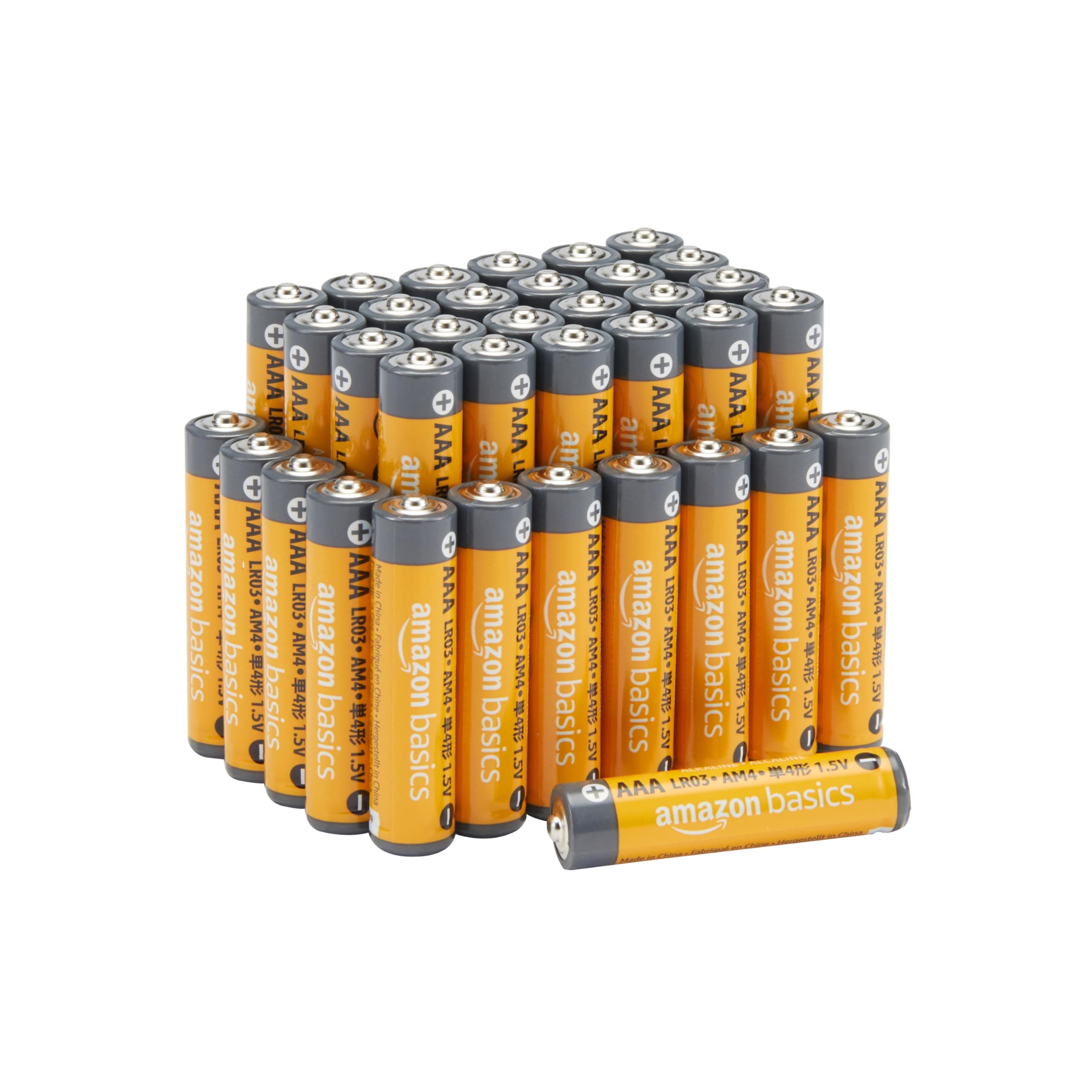
Amazon Basics AAA Alkaline High-Performance Batteries, 1.5 Volt, 10-Year Shelf Life, 36 Count (Pack of 1)
Amazon Basics