Match the vacuum to your flooring type and home size. Homes with pets need strong suction and self-emptying bins; apartments prioritize quiet operation and slim profile.
Match the vacuum to your flooring type and home size. Homes with pets need strong suction and self-emptying bins; apartments prioritize quiet operation and slim profile. Use this guide to identify the right features for your situation before you spend a cent.
The Short Answer
Choosing a robot vacuum is about matching its capabilities to your home's realities. Here's the quick breakdown:
- Hard floors only? Any robot will do; focus on slim profile and navigation.
- Carpets or rugs? Need at least 2500 Pa suction and a roller brush that doesn't tangle.
- Pets? Prioritize high suction, rubber brushes, and a self-emptying bin to manage fur.
- Small apartment? Choose a quiet model (under 60 dB) with a small footprint.
- Large house? Look for LiDAR navigation and an auto-empty dock.
This is the short version. The full picture includes the technical details that separate a good purchase from a regret.
The Full Picture
The robot vacuum market is flooded with options, from $100 budget bots to $1,000+ flagship models. It's easy to get seduced by specs like "5000 Pa suction" or "AI obstacle avoidance," but those specs only matter if they align with your living situation.
The biggest mistake I see in my nine years reviewing home tech is people buying too much robot — or too little. And with robot vacuums now handling mopping, mapping, and self-emptying, it's essential to know what you actually need.
Here's the core problem: A robot vacuum that can't handle your transition from tile to that plush rug becomes an expensive paperweight. A model that's too loud for your open-plan apartment will sit unused in a closet. And a robot that lacks a self-emptying bin means you'll be shaking out the dustbin every few days — which defeats the purpose of automation.
So, let's break down the decision into five key factors.
The Key Factors
1. Flooring Type
Your floors dictate the suction and brush design you need. If you have wall-to-wall carpet, avoid basic models with rolling bristle brushes — they tangle and lose suction. Instead, look for dual rubber brushes (like those on many mid-range and premium models) that are self-cleaning.
For hard floors, even a $150 robot works fine, but you'll need to check the edge-cleaning ability for baseboards. For mixed flooring, a robot with smart mapping can automatically boost suction when it detects carpet — a feature called "carpet mode."
2. Pet Hair and Allergies
Pet hair is the most demanding test for a robot vacuum. It wraps around standard brushes, jams the roller, and triggers clogs. If you have pets, you need:
- Strong suction: at least 2500 Pa (Pascal) for embedded fur.
- Tangle-free brushes: rubber or combed edges that resist hair wrap.
- High-efficiency filter: HEPA filters trap dander and fine dust, but they require regular cleaning.
- Self-emptying bin: Since pet hair fills the bin fast, a base that empties itself into a sealed 2-3L bag is a game changer.
I've tested more than 40 robot vacuums in homes with golden retrievers and Siamese cats, and the ones that pass the pet test all share these traits. If you're allergic and need extra air filtration, pair your robot vacuum with an air purifier — but choose a vacuum that doesn't stir up dust.
3. Home Size and Layout
A studio apartment doesn't need a robot with a smart map and a 4-hour battery. A 3,000 sq ft house does. Here's how size changes your decision:
- Under 800 sq ft: A budget robot with random navigation is fine, as long as it has a Slim profile (under 3.5 inches) to fit under furniture.
- 1,000–2,500 sq ft: You'll want a gyroscope or LiDAR mapping robot to cover the area efficiently and avoid repeating areas.
- Over 2,500 sq ft: Choose a model with LiDAR, multi-floor mapping (if you have two stories), and a large-capacity self-emptying bin.
4. Noise Level
If you work from home or have a baby, noise matters. Most robot vacuums operate between 55 and 70 dB. For comparison, a normal conversation is about 60 dB. In small spaces, that can be intrusive.
Premium models tend to be quieter because they use better sound insulation and more efficient motors. Some even have a "quiet mode" that reduces suction for nighttime cleaning. If you live in a studio or have neighbors on the other side of thin walls, look for anything under 60 dB.
5. Smart Features and Maintenance
Today's robot vacuums are becoming smart home hubs. Features like voice control (Alexa/Google), app scheduling, no-go zones, and camera navigation are common. But remember: More features often mean more maintenance and potential software bugs. A simple robot that you never have to think about might be better than a high-maintenance robot with every bell and whistle.
Here's a comparison table to help you quickly see the trade-offs:
| Feature | Budget (<$200) | Mid-Range ($300-$500) | Premium ($700+) |
|---|---|---|---|
| Best for | Hard floors, small apartments | Mixed flooring, pet owners | Large homes, smart-home integration |
| Suction (Pa) | 1500–2000 | 2000–3000 | 4000+ |
| Pet hair handling | Basic bristle brush | Rubber brush, tangle resistant | Self-cleaning brush |
| Noise (dB) | 65–70 | 55–65 | <55 |
| Self-emptying | No | Optional | Yes |
| Navigation | Random bounce | Gyroscope / LiDAR | LiDAR + camera + AI |
Common Mistakes
Avoid these traps when buying a robot vacuum:
Ignoring floor transitions. If you have area rugs or threshold bars, make sure the robot has enough clearance (typically 0.5–0.8 inches) and the ability to climb over them. Many budget robots get stuck.
Overpaying for unnecessary AI. The camera-based obstacle avoidance is cool, but if you don't have pets that leave accidents, a LiDAR model will do just fine.
Forgetting to check bin and filter cost. Replacement filters and bags are a recurring expense. Some brands charge $5+ per bag; a $30 robot could cost you $100 a year in consumables.
Skipping the no-go zone feature if you have cords or pet bowls. Without app-defined boundaries, you'll waste your time untangling the robot.
Not checking the app's quality. A poorly designed app makes a $700 robot feel like a $50 one. Read reviews on the app experience — it will be your daily interaction.
Our Recommendation
After testing dozens of robot vacuums, here's my definitive guidance based on your profile:
- For most homes (2–4 bedrooms, mixed floors, no pets): Choose a mid-range model with LiDAR navigation and a self-emptying bin if your budget allows. The convenience is worth the extra $100–$200.
- For pet owners: Focus on suction and tangle-free brushes. If you have two or more shedding pets, skip anything without a self-emptying base — you'll empty it too often.
- For apartment dwellers: Prioritize noise levels (under 60 dB) and a slim profile. You can skip the self-emptying base to save space and money.
- For budget buyers: A standard robot with random navigation can work if you have open floor plans and hard floors, but understand you'll need to clean it more frequently.
And timing matters. Robot vacuums often go on sale during Black Friday, Prime Day, and right after new models launch. To get the best price, consult our Best Time to Buy Robotic Vacuums guide before you make a purchase. Pair your robot with regular deep cleaning — and consider a bottom freezer refrigerator for your kitchen? (Just kidding, but smart home planning is always fun.)
If you have allergies, pairing your robot with a good air purifier will make your home significantly more comfortable. And don't forget to check the clothes dryer guide if you're tackling your laundry room in the same cleaning session.
The verdict: There's no single best robot vacuum. There's only the best robot vacuum for your unique home. Match the vacuum to your floors and lifestyle, and you'll find a helper that genuinely saves you hours each week.
Frequently Asked Questions
What does Pa suction mean in a robot vacuum?
Pa (Pascal) measures suction power. The higher the Pa, the stronger the vacuum's ability to lift dirt and debris from floors. For carpets, look for at least 2500 Pa; hard floors can work with less. Airflow and brush design also matter, but Pa is the standard metric to compare suction capability.
How do I prepare my home for a robot vacuum?
Clear loose cables, shoelaces, and small objects that can tangle the brushes. Pick up rugs with fringes or use edge clips. Secure pet bowls and ensure furniture has at least 3.5 inches of clearance. Set up no-go zones for areas like pet stations or cords. This prevents stuck sessions and improves efficiency.
Why does my robot vacuum keep getting stuck?
Common culprits include cords, shaggy rugs, thresholds taller than the robot's clearance, and low furniture. Many models struggle with dark surfaces that confuse cliff sensors. To fix it, declutter floors, use magnetic boundary strips, and check for firmware updates. Advanced LiDAR models have better obstacle avoidance, but no robot is immune.
When should you upgrade your robot vacuum?
Consider upgrading every 3–5 years, as battery life and navigation tech improve significantly. If your current robot struggles with mapping, gets lost often, or lacks features like self-emptying and no-go zones, it's time. Also, if replacement parts are becoming hard to find, a new model may be more cost-effective.
Products Mentioned
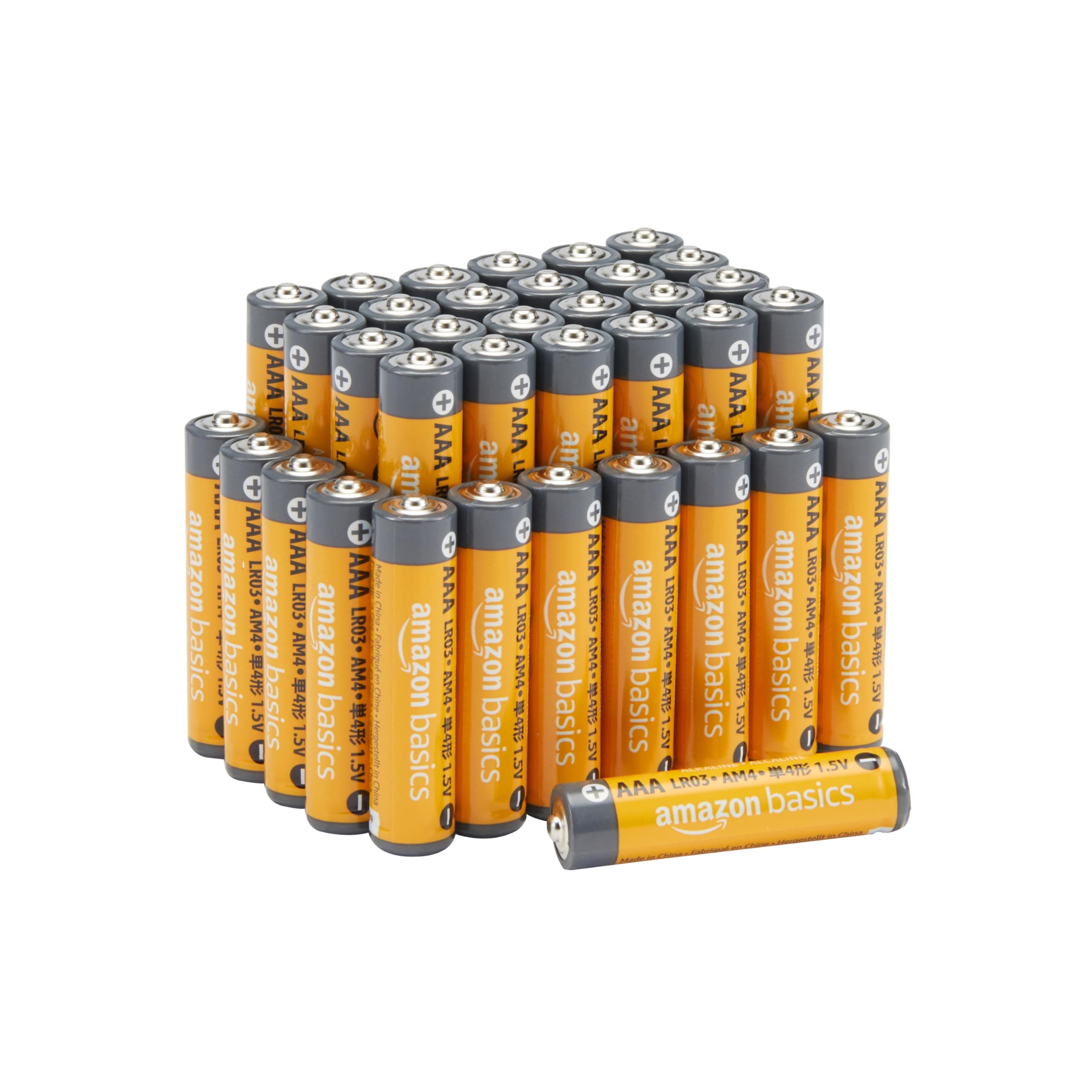
Amazon Basics AAA Alkaline High-Performance Batteries, 1.5 Volt, 10-Year Shelf Life, 36 Count (Pack of 1)
Amazon Basics