Match the vacuum to your flooring type and home size. Pets require strong suction and self-emptying bins; apartments need quiet, slim models.
The Short Answer
Match the vacuum to your flooring type and home size. Pets require strong suction and self-emptying bins; apartments need quiet, slim models. For most homes, a mid-range robot with LiDAR navigation and adjustable suction offers the best balance of cost and performance.
The Full Picture
Choosing a robot vacuum can feel overwhelming with dozens of models boasting similar specs. But the right choice boils down to your home's unique needs. Let's break it down.
Why It Matters
A robot vacuum is an investment. The average household spends 40 minutes per week vacuuming—a good robot can cut that to nearly zero. But picking the wrong one means frustrated cleaning, tangled brushes, and wasted money. Understanding your flooring, layout, and lifestyle is key.
The Key Factors
1. Flooring Type
| Flooring | Recommended Features |
|---|---|
| Hardwood/Tile | Soft roller brush, drop detection, no-bristle side brushes |
| Carpet (low pile) | Strong suction (≥2500Pa), auto-boost on carpets |
| Carpet (high pile/thick) | Avoid robots with rubber rollers; look for tangle-free designs |
| Multiple floor types | Adjustable suction and self-emptying bin to reduce maintenance |
2. Home Size & Layout
- Small apartments (<800 sq ft): Compact size (≤13 inches diameter), low-profile to fit under furniture, quiet operation (<55 dB).
- Medium homes (800–2000 sq ft): Good mapping, long battery (≥90 min), self-emptying optional but convenient.
- Large homes (>2000 sq ft): Self-emptying dock essential, large battery (≥120 min), multi-floor mapping.
3. Pet Owners
Pets add hair, dander, and debris. Look for:
- Strong suction (≥2500Pa)
- Tangle-free brush roll
- Self-emptying bin to avoid daily emptying
- HEPA filter for allergens
4. Smart Features
- Navigation: LiDAR vs. camera. LiDAR works in dark and maps faster.
- Mapping: Multi-floor support if you have stairs or multiple levels.
- Noise: Important for apartments or homes with babies. Aim for <60 dB.
Common Mistakes
- Choosing based solely on price: A $200 robot may lack mapping and get stuck often.
- Ignoring brush maintenance: Most need weekly cleaning; some have self-cleaning brushes.
- Forgetting thresholds and dark rugs: Low thresholds (<0.5 inch) are fine; black rugs can confuse cliff sensors.
- Assuming all self-emptying bins are equal: Some only hold 30 days; others require bags that cost $10+/month.
Timing Your Purchase
Robot vacuum prices fluctuate seasonally. For best deals, check our Best Time to Buy Robotic Vacuums (2026 Guide). If you're also considering other appliances, timing matters too—see our guides for best time to buy air purifiers (allergy season) and refrigerators (September–November).
Our Recommendation
- For pet owners: iRobot Roomba j7+ (self-emptying, pet-friendly) or Roborock S7 MaxV (superior suction and mopping).
- For apartments: Eufy RoboVac 11S (slim, quiet, under $200) or Samsung Jet Bot (good mapping).
- For large homes: Roborock S8 Pro Ultra (self-empty, washable mop) or Ecovacs Deebot X1 Omni.
Our top pick overall: Roborock Q7 Max+ offers the best blend of suction, mapping, and self-emptying at a mid-range price (~$600).
Verdict
The best robot vacuum balances your flooring needs, home size, and budget. Avoid paying for features you won't use—if you have all hard floors, skip the carpet boost. And always check our buying guides for price trends.
Ready to simplify your cleaning? Start with your floor type and go from there.
Frequently Asked Questions
What is the best robot vacuum for pet hair?
The best robot vacuums for pet hair have strong suction (≥2500Pa), tangle-free brush rolls, and self-emptying bins to minimize maintenance. Top models include the iRobot Roomba j7+ and Roborock S7 MaxV, both designed to handle fur and dander effectively while offering HEPA filtration for allergens.
How do robot vacuums navigate and map your home?
Robot vacuums use either LiDAR (laser) or camera-based navigation. LiDAR maps rooms quickly and works in the dark, creating precise floor plans for efficient cleaning. Camera systems recognize objects but require light. Both enable virtual boundaries, room selection, and multi-floor mapping, with LiDAR being more reliable overall.
Why does my robot vacuum keep getting stuck?
Common reasons include high-pile carpets, low furniture clearance, dark rugs that confuse cliff sensors, and thresholds over 0.5 inches. Additionally, loose cords, small objects, or inadequate mapping can cause entrapment. Ensure your home is tidy and consider a model with obstacle avoidance for fewer interruptions.
When should you replace a robot vacuum?
Replace your robot vacuum every 3–5 years, or sooner if battery life drops below 30 minutes, navigation becomes erratic, or parts are no longer available. Signs include frequent errors, poor suction, or inability to cover your home on a single charge. Upgrading also offers newer features like self-emptying or better mapping.
Products Mentioned
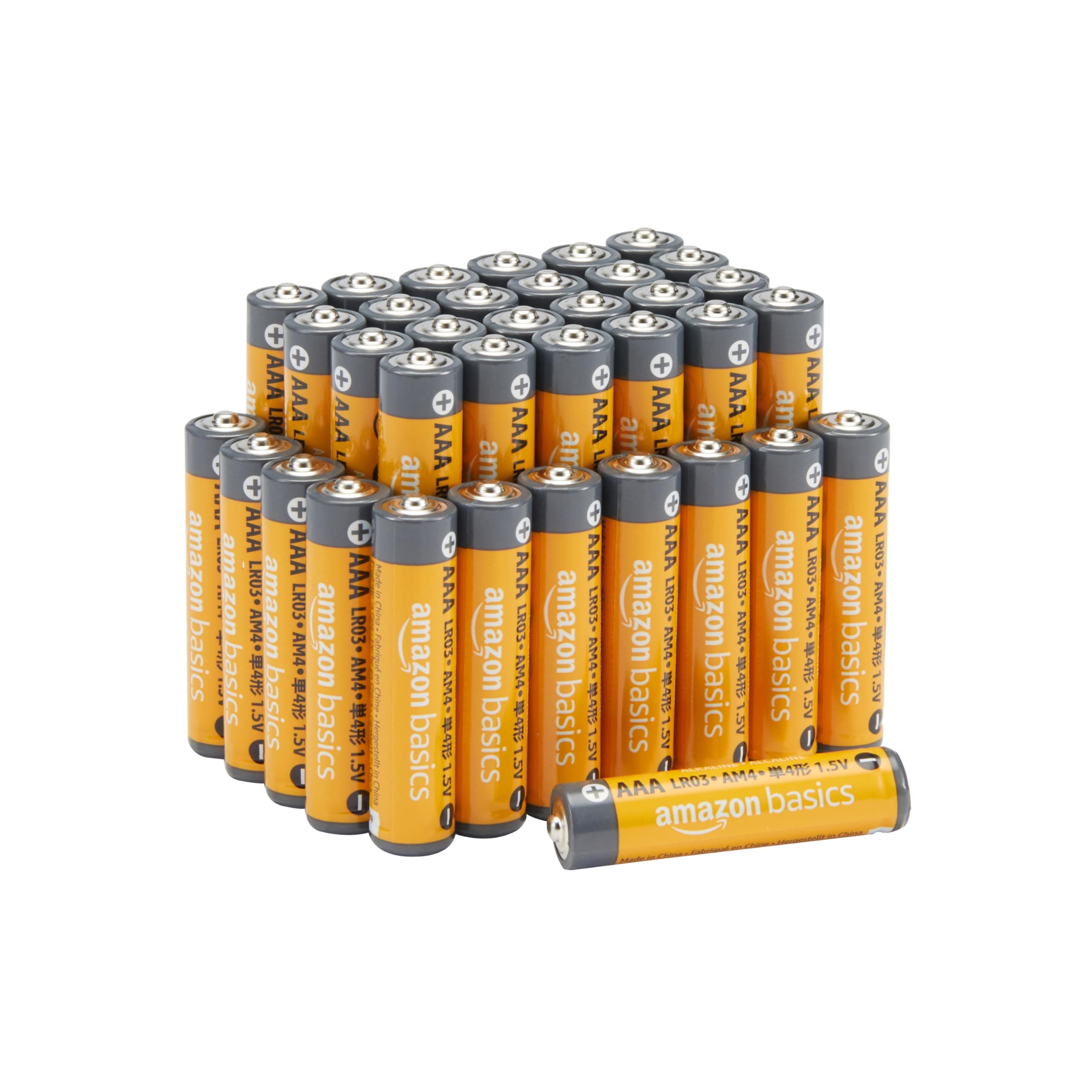
Amazon Basics AAA Alkaline High-Performance Batteries, 1.5 Volt, 10-Year Shelf Life, 36 Count (Pack of 1)
Amazon Basics