Match the vacuum to your flooring type and home size. Homes with pets need strong suction and self-emptying bins; apartments prioritize quiet operation.
Match your robot vacuum to your flooring type and home size. Homes with pets need strong suction and self-emptying bins; apartments prioritize quiet operation and a slim profile.
The Short Answer
- Flooring: Hard floors need a high-quality brush roll; carpets require strong suction and a deep-cleaning brush.
- Home size: Large homes need longer battery life and self-emptying bins; small spaces value compact size and quiet operation.
- Pets: Look for high suction (2000+ Pa), tangle-free brushes, and a self-emptying base.
- Smart features: Mapping, app control, and voice assistant integration are nice-to-haves but not essential.
The Full Picture
Why It Matters
A robot vacuum is a significant investment—typically $200 to $1,500. Choose poorly, and you’ll end up with a machine that misses spots, gets stuck on thresholds, or fails to pick up pet hair. Getting it right means cleaner floors and more free time.
The Key Factors
1. Flooring Type
- Hardwood or tile: Prioritize a model with a dedicated brush roll for hard floors and edge-sweeping bristles. Avoid models that scratch surfaces.
- Carpet: Need strong suction (at least 1500 Pa) and a brush roll that agitates fibers. For deep-pile carpets, consider a model with an automatic suction boost.
- Mixed flooring: Look for a vacuum that can detect floor type and adjust suction or brush height automatically.
2. Home Size and Layout
- <1,000 sq ft: A robot with 60–90 min battery and a simple navigation system works.
- 1,000–2,000 sq ft: Consider models with mapping and zone cleaning for efficient coverage.
- >2,000 sq ft: Require a long battery life (120+ min) and a self-emptying dock to avoid daily maintenance.
3. Pet and Allergy Concerns
Pets shed dander and hair. Models with high-efficiency filters (HEPA) trap allergens. Self-emptying bins reduce exposure to dust. Check out our Best Time to Buy Robotic Vacuums (2026 Guide) for seasonal deals.
4. Navigation and Smart Features
- Basic: Random bounce – cheap but inefficient.
- Intermediate: Gyroscope or optical sensors – better for regular cleaning.
- Advanced: LIDAR or camera-based SLAM – maps your home, allows no-go zones, and room-specific cleaning. If you need a quieter model for an apartment, these often also have smaller profiles.
Comparison Table: Robot Vacuums by Home Type
| Feature | Pet-Friendly | Apartment/Budget | Smart Home Enthusiast |
|---|---|---|---|
| Suction | 2500–4000 Pa | 1500–2500 Pa | 2000–3000 Pa |
| Brush | Tangle-free | Standard | Rubber or dual |
| Self-emptying | Recommended | Optional | Often included |
| Noise | 60–70 dB | 55–65 dB | 60–70 dB |
| Navigation | LIDAR | Gyro/optical | LIDAR |
| Price range | $500–$1,200 | $200–$500 | $400–$1,000 |
Common Mistakes
- Ignoring floor type: A model designed for hard floors will struggle on thick carpet.
- Overlooking battery life: For homes over 1,500 sq ft, short battery leads to incomplete cleaning.
- Skipping the self-emptying bin: If you have pets or allergies, emptying daily is a pain; spring for the auto-empty base.
- Not measuring furniture clearance: Ensure the vacuum fits under sofas and beds (most are 3–4 in tall).
- Forgetting about timing: Deals often pop up around holidays. Read our Best Time to Buy Robotic Vacuums guide to save money. Also consider bundling with other appliances like air purifiers for a complete clean air strategy.
Our Recommendation
- For pet owners: Choose a model with ≥2500 Pa suction, self-emptying bin, and HEPA filter. The Roborock S8 Pro Ultra or Roomba j7+ are top picks.
- For apartment dwellers: Opt for a slim, quiet model like Eufy RoboVac 11S (under 3 in tall, <55 dB).
- For large homes: Select a robot with mapping, long battery (120+ min), and self-emptying dock. The Roborock Q Revo or Ecovacs Deebot T20 Omni are excellent.
Verdict
Your perfect robot vacuum balances price, floor type, and lifestyle. Hard floors and small spaces go budget-friendly; carpet and pets justify premium self-emptying models. Map out your needs first, then check our deals page for the best time to buy.
Frequently Asked Questions
What is the best robot vacuum for pet hair?
The best robot vacuums for pet hair have strong suction (2500+ Pa), tangle-free brush rolls, and self-emptying bins to minimize contact with dander. HEPA filters are recommended for allergies. Top models include Roborock S8 Pro Ultra and Roomba j7+.
How do robot vacuums navigate?
Robot vacuums navigate using three main methods: random bounce (cheap but inefficient), gyroscope or optical sensors (better coverage), and LIDAR or camera-based SLAM (advanced mapping with no-go zones). LIDAR models are best for large homes with complex layouts.
Why is my robot vacuum not charging?
Common reasons include the docking station being unplugged or blocked, dirty charging contacts, or the robot not aligning properly. Check that the dock is on a hard surface against a wall and clean the contacts with a dry cloth. Battery degradation over time can also prevent charging.
When should I replace my robot vacuum?
Replace your robot vacuum when battery life drops below 40% of original capacity, causing incomplete cleaning. Also consider upgrading if performance declines (e.g., reduced suction) or if new features like mapping or self-emptying bins become available. Typical lifespan is 3-5 years.
Products Mentioned
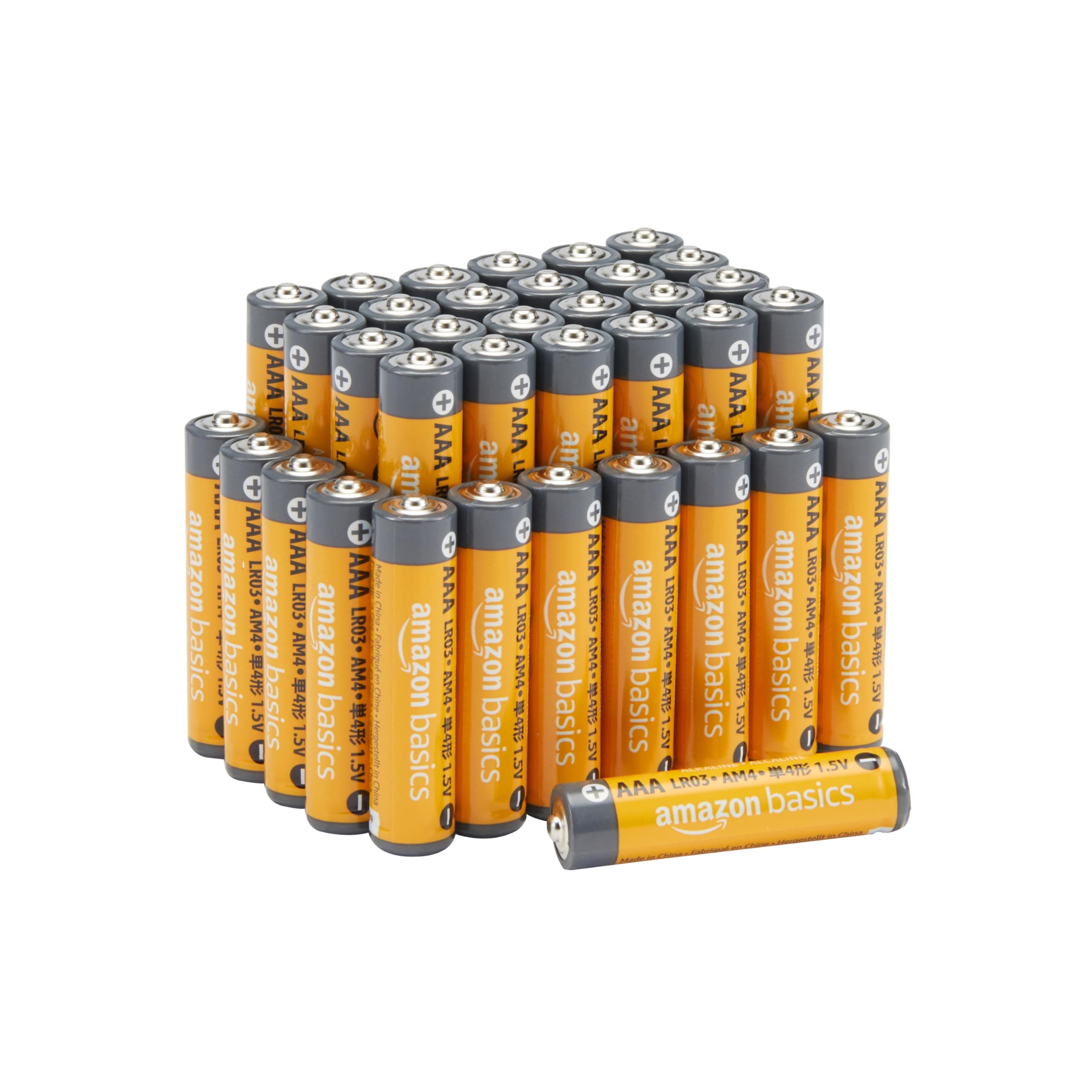
Amazon Basics AAA Alkaline High-Performance Batteries, 1.5 Volt, 10-Year Shelf Life, 36 Count (Pack of 1)
Amazon Basics