Match the vacuum to your flooring type and home size. Homes with pets need strong suction and self-emptying bins; apartments prioritize quiet operation.
The Short Answer
Match the vacuum to your flooring type and home size. Homes with pets need strong suction and self-emptying bins; apartments prioritize quiet operation and slim profile.
The Full Picture
Why It Matters
A robot vacuum can save you hours of manual cleaning each week, but the wrong choice leads to frustration—a model that struggles on carpets, gets stuck under furniture, or wakes the baby. With dozens of options on the market, focusing on your specific needs makes the decision clear.
The Key Factors
1. Flooring Type
- Hard floors (tile, hardwood, laminate): Look for a robot with a dedicated mopping function or a design that doesn't scatter debris—many models now include a water tank and microfiber pad.
- Carpets: Suction power is king. Aim for at least 2000 Pa for low-pile and 2500+ Pa for medium-to-high pile. Some robots automatically increase suction when transitioning from hard floors to carpet.
- Mixed flooring: A robot that can detect floor type and adjust brush roll speed is ideal—models like the iRobot Roomba j7+ and Roborock S7 do this well.
2. Home Size and Layout
- Small apartments (<800 sq ft): Compact size (under 3.5 inches tall) to reach under furniture, quiet operation (under 55 dB), and a small bin are acceptable since cycles are short.
- Medium homes (800–2000 sq ft): Larger battery (90+ minutes runtime) and auto-empty dock become important. Zone cleaning for high-traffic areas is a plus.
- Large homes (>2000 sq ft): You likely need a self-emptying station and a large-capacity battery (120+ min). Models like the Roborock S7 MaxV Ultra can handle multiple floors with mapping.
3. Pets vs. No Pets
- Pet households: Strong suction (2500+ Pa), self-emptying bin (to avoid daily hair-tangling), tangle-free brush rolls, and HEPA filtration for dander. The Roomba j7+ is top-rated for pet hair.
- No pets: You can sacrifice some suction for quieter operation and lower cost. Standard bin emptying every 2–3 days is fine.
4. Navigation Technology
| Type | Pros | Cons |
|---|---|---|
| LIDAR | Fast, accurate mapping; works in dark; creates no-go zones | Higher cost; may not detect dark objects (e.g., black cables) |
| Camera | Lower cost; can recognize obstacles (shoes, cords) | Struggles in low light; slower navigation |
| Gyroscope | Affordable; random cleaning pattern | No mapping; misses spots; no no-go zones |
For most homes, LIDAR-based robots offer the best balance of performance and smart features.
5. Smart Features
- Mapping and scheduling: Essential for efficient cleaning. LIDAR models (like Roborock) map rooms, allow no-go zones, and recharge-resume.
- Voice control: Most work with Alexa or Google Assistant—check compatibility.
- Mopping: Basic models drag a wet cloth; advanced (Roborock S7 MaxV) actively scrub. Useful for hard floors but not a deep clean.
6. Self-Emptying Bin
A self-emptying bin automatically empties the dustbin into a larger bag inside the dock—usually lasts 30–60 days. It’s nearly essential for pet owners and anyone who hates touching dirt. Models like the Roomba j7+ and Roborock S7 MaxV offer this.
Common Mistakes
- Ignoring ceiling clearance: Many robot vacuums are 3.5–4 inches tall. If your furniture is lower, the robot will get stuck—measure before buying.
- Purchasing based solely on price: A $200 robot may lack mapping and get lost consistently. A previous-gen flagship is often a better value than a current budget model.
- Overlooking battery life: Large homes need recharge-and-resume; otherwise the robot may never finish. Look for 120+ minute runtime for homes over 2000 sq ft.
- Skipping the auto-empty bin: For pet owners, emptying the bin daily becomes a chore. The extra $100–$200 is worth it.
How Much Should You Spend?
- Under $300: Basic models with gyroscope or random navigation; no mapping. Good for small apartments or as a supplement.
- $300–$600: LIDAR or camera navigation, mapping, scheduling, and often mopping. Sweet spot for most homes.
- $600–$1,000: Self-emptying, strong suction, obstacle avoidance, and premium features. Ideal for pet owners and large homes.
- $1,000+: All-in-one with auto-empty, self-cleaning mop, object recognition, and multi-floor mapping. Only if you want the best.
Timing your purchase can save significantly—robot vacuums see deep discounts during Prime Day, Black Friday, and seasonal sales. Check our best time to buy robotic vacuums guide for the optimal shopping window.
Our Recommendation
- For pet owners with mixed flooring: The iRobot Roomba j7+ offers excellent debris detection, self-emptying, and strong suction—it’s a reliable workhorse.
- For apartment dwellers with hard floors: The Eufy RoboVac G30 Hybrid is slim, quiet, and has mopping—all under $300.
- For tech enthusiasts wanting full control: The Roborock S7 MaxV Ultra combines LIDAR mapping, self-emptying, mopping, and voice control—but at a premium price.
No matter your choice, pair your robot vacuum with other smart home devices. If you’re sensitive to dust, an air purifier complements your cleaning—see our best time to buy air purifiers guide. For coordinating major appliance purchases, the best time to buy clothes dryers guide can help you plan.
Verdict
The right robot vacuum matches your home’s unique combination of flooring, size, and lifestyle. Prioritize the factors that matter most to you, and you’ll enjoy a cleaner home with less effort.
Frequently Asked Questions
What is the best robot vacuum for pet hair?
The best robot vacuum for pet hair typically has strong suction (2500+ Pa), a self-emptying bin, and tangle-free brush rolls. Top models include the iRobot Roomba j7+ and Roborock S7 MaxV. Look for HEPA filtration to trap dander and sensors that avoid pet messes. These features minimize hair wrap and keep your home clean with less maintenance.
How do I choose a robot vacuum for carpets?
Focus on suction power: at least 2000 Pa for low-pile and 2500+ Pa for medium-to-high pile carpets. Models that automatically boost suction on carpet, like the Roborock S7 or Roomba j7+, are ideal. Ensure the brush roll is designed to groom carpet fibers without tangling. Avoid basic models with only hard floor modes.
Why does my robot vacuum keep getting stuck?
Common reasons include low furniture clearance (most robots need 3.5–4 inches), cluttered floors with cords or small objects, and dark furniture that confuses LIDAR sensors. To prevent this, measure clearance before buying, tidy up, and use no-go zones for problem areas. Moving to a LIDAR or camera-based model with obstacle avoidance can also help.
When is the best time to buy a robot vacuum?
The best deals occur during Amazon Prime Day (July), Black Friday (November), and seasonal sales like spring cleaning events. Previous-gen flagship models often drop to budget prices during these periods. You can save 30–50% off retail. Avoid buying at full price unless you need a model that just launched.
Products Mentioned
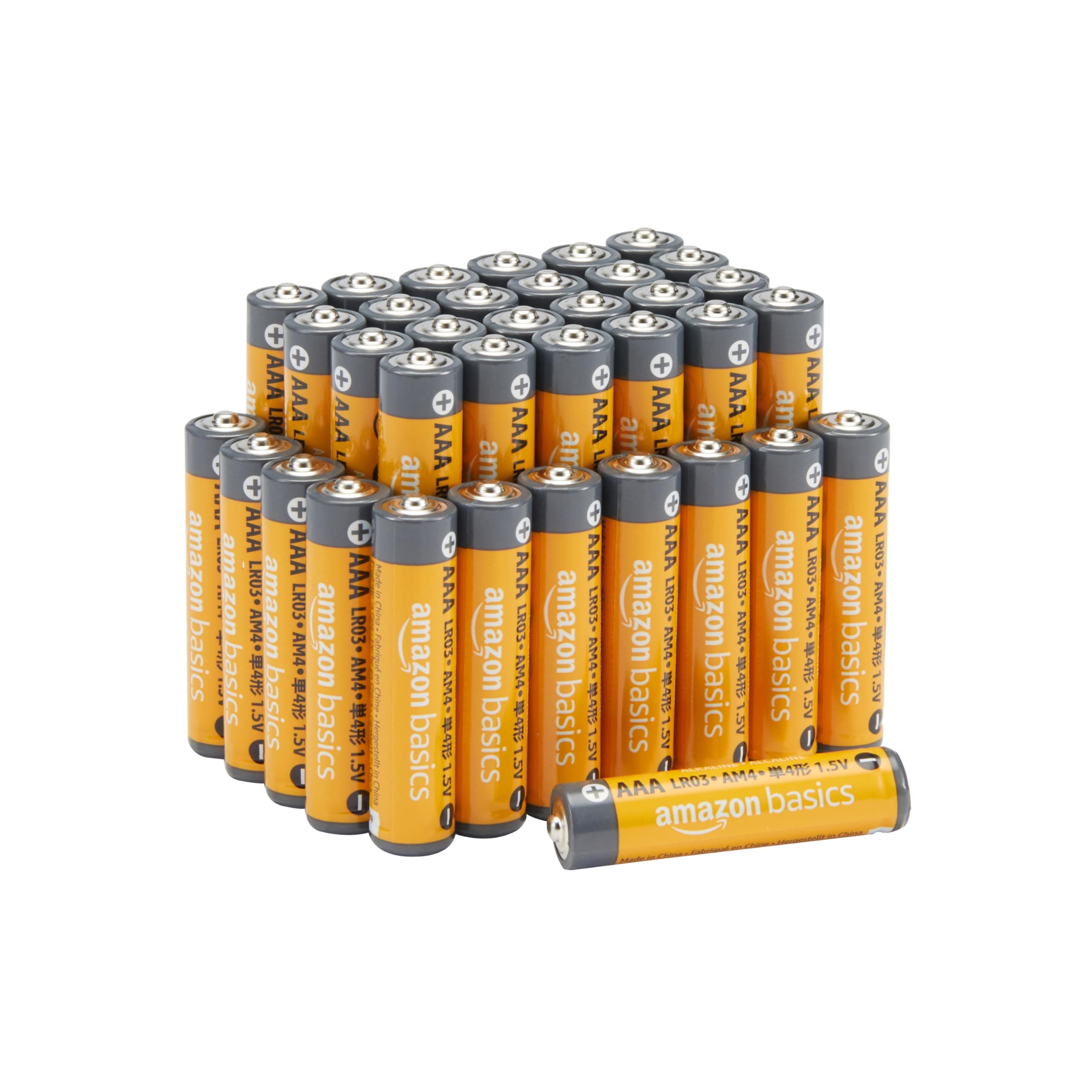
Amazon Basics AAA Alkaline High-Performance Batteries, 1.5 Volt, 10-Year Shelf Life, 36 Count (Pack of 1)
Amazon Basics