Match the vacuum to your flooring type and home size. Homes with pets need strong suction and self-emptying bins; apartments prioritize quiet operation and slim profile.
Match the vacuum to your flooring type and home size. Homes with pets need strong suction and self-emptying bins; apartments prioritize quiet operation and slim profile. These two criteria—flooring and home size—are the foundation of any smart robot vacuum purchase, but there's more to consider if you want a model that truly fits your lifestyle.
The Short Answer
To choose the right robot vacuum, first identify your primary flooring (hardwood, carpet, or mixed), then consider your home's square footage, pet situation, and tolerance for noise. A self-emptying base is a must for pet owners or large homes; single-room apartments can get away with a budget model that's slim and quiet.
The Full Picture
Robot vacuums have evolved from novelties to essential home appliances. Modern models can map your floor plan, avoid obstacles, and even empty themselves. But with dozens of options, it's easy to overpay for features you don't need or underbuy and end up with a model that can't handle your home.
Flooring Type: The Non-Negotiable
The type of flooring in your home directly dictates which robot vacuums will work well.
| Flooring Type | Recommended Features | Example Models |
|---|---|---|
| Hardwood / Tile | Soft rollers or bristle brush, no beater bar | iRobot Roomba j7, Roborock S7 MaxV |
| Low-pile carpet | Strong suction (≥2000Pa), rubber brushes | Ecovacs Deebot X1 Omni, Dreame L10 Pro |
| High-pile / shag | Avoid robot vacuums or use a dedicated carpet setting | Not recommended - manual vacuum better |
| Mixed flooring | Auto-adjusting suction, drop sensors | Most mid-range to flagship models |
For homes with mostly hard flooring, look for a model that can navigate low thresholds without scratching. For carpeted homes, prioritize suction power (at least 2,500 Pa) and a large dustbin. If you have a mix, an auto-adjusting suction model is ideal.
Home Size & Layout
- Small apartments (< 1,000 sq ft): A budget model (e.g., Roomba 694 or Eufy RoboVac) suffices. Slim profile (< 4 inches) helps it reach under furniture. Noise under 60 dB is important for small spaces.
- Medium homes (1,000–2,500 sq ft): Look for a model with smart mapping and zone cleaning. A self-emptying base is optional but convenient.
- Large homes (> 2,500 sq ft): Invest in a flagship model with large battery (≥180 min runtime), self-emptying dock, and multi-floor mapping. The Roborock S8 Pro Ultra is a top contender.
Pet Owners: The Special Case
Pets add hair, dander, and accidents. You need:
- High suction (≥2,500 Pa) to pull pet hair from carpets.
- Self-emptying base to avoid touching hair-filled bins daily.
- Tangle-free brush rolls that prevent hair wrap (e.g., rubber rollers on Roomba j7+).
- Strong filtration (HEPA) for allergy sufferers.
Navigation & Smart Features
- Random vs. Lidar vs. Camera: Random navigation is outdated; Lidar (laser mapping) is fast and accurate in the dark. Camera-based (like Roomba j7) can recognize objects (shoes, cords) but may have issues in low light.
- Mapping: Essential for multi-room cleaning. Some models like the Ecovacs Deebot X1 Omni can create persistent maps and allow you to label rooms.
- Voice control & app: Look for compatibility with Alexa, Google Assistant, and Siri Shortcuts if you're committed to a smart home ecosystem.
Budget & Timing
Robot vacuums range from $200 to $1,400+. The sweet spot for most homes is $400–$800 for a model with Lidar navigation and a self-emptying base. If you can wait, the best deals happen during Amazon Prime Day and Black Friday. For more tips, see our Best Time to Buy Robotic Vacuums (2026 Guide).
Finally, don't forget to factor in replacement parts (filters, brushes, batteries). Some brands like Roomba have cheap third-party parts; others like Roborock and Dreame sell proprietary components that can add to long-term costs.
Common Mistakes
- Buying without measuring door thresholds. Most robots can climb up to 0.5–0.7 inches, but if your home has higher transitions (e.g., into a sunken living room), check specs carefully.
- Ignoring dustbin size. A small bin (under 400ml) in a home with pets or long hair will fill up mid-cleaning, forcing the robot to empty or stop. Self-emptying models solve this.
- Assuming all robots are quiet. Some budget models hit 75 dB (as loud as a lawnmower). Check decibel ratings if you plan to run it while sleeping or working.
- Neglecting software updates. Brands like iRobot and Roborock release firmware that improves navigation over time. Avoid no-name brands with poor update track records.
Our Recommendation
For most homes, we recommend the Roborock S8 Pro Ultra if you have mixed flooring and want the best mapping and self-cleaning experience. For pet owners on a budget, the iRobot Roomba j7+ offers excellent object avoidance and a reliable self-emptying bin. For small apartments, the Eufy RoboVac X8 is slim, quiet, and affordable.
If you're also planning to upgrade other home appliances, check our guides on the best time to buy bottom freezer refrigerators and best time to buy air purifiers to coordinate your purchases for maximum savings.
Remember, the right robot vacuum is the one that matches your home's specific needs—don't be swayed by flashy features you'll never use. Measure your thresholds, count your pets, and decide how much noise you can tolerate. Do that, and you'll find a robot that makes your life genuinely easier.
Frequently Asked Questions
How often should I empty the dustbin on a robot vacuum?
It depends on the dustbin size and how much debris your home accumulates. Smaller bins (under 400ml) may need emptying after every session, especially in homes with pets or long hair. Self-emptying models solve this by automatically transferring debris to a larger base, reducing emptying frequency to once a month or less.
Can robot vacuums handle thick carpets or high-pile rugs?
Most robot vacuums struggle with high-pile or shag carpets. They can get stuck on the fibers, trigger cliff sensors, or fail to climb the rug. For thick carpets, a manual vacuum with a beater bar is recommended. If you must use a robot, look for models with high suction (over 2500 Pa) and a dedicated carpet boost setting.
Do robot vacuums need Wi-Fi to function?
Basic robot vacuums can operate without Wi-Fi using included remote controls or physical buttons. However, Wi-Fi enables smart features like app scheduling, room mapping, voice control (Alexa/Google), and firmware updates. For full functionality and convenience, a Wi-Fi connection is highly recommended.
How long do robot vacuum batteries typically last?
Robot vacuum batteries typically last 60 to 180 minutes per charge, depending on the model and cleaning mode. Suction power, floor type, and navigation tech affect runtime. Higher-end models often have longer battery life and can automatically recharge and resume cleaning for large homes. Battery degradation over time is normal.
Products Mentioned
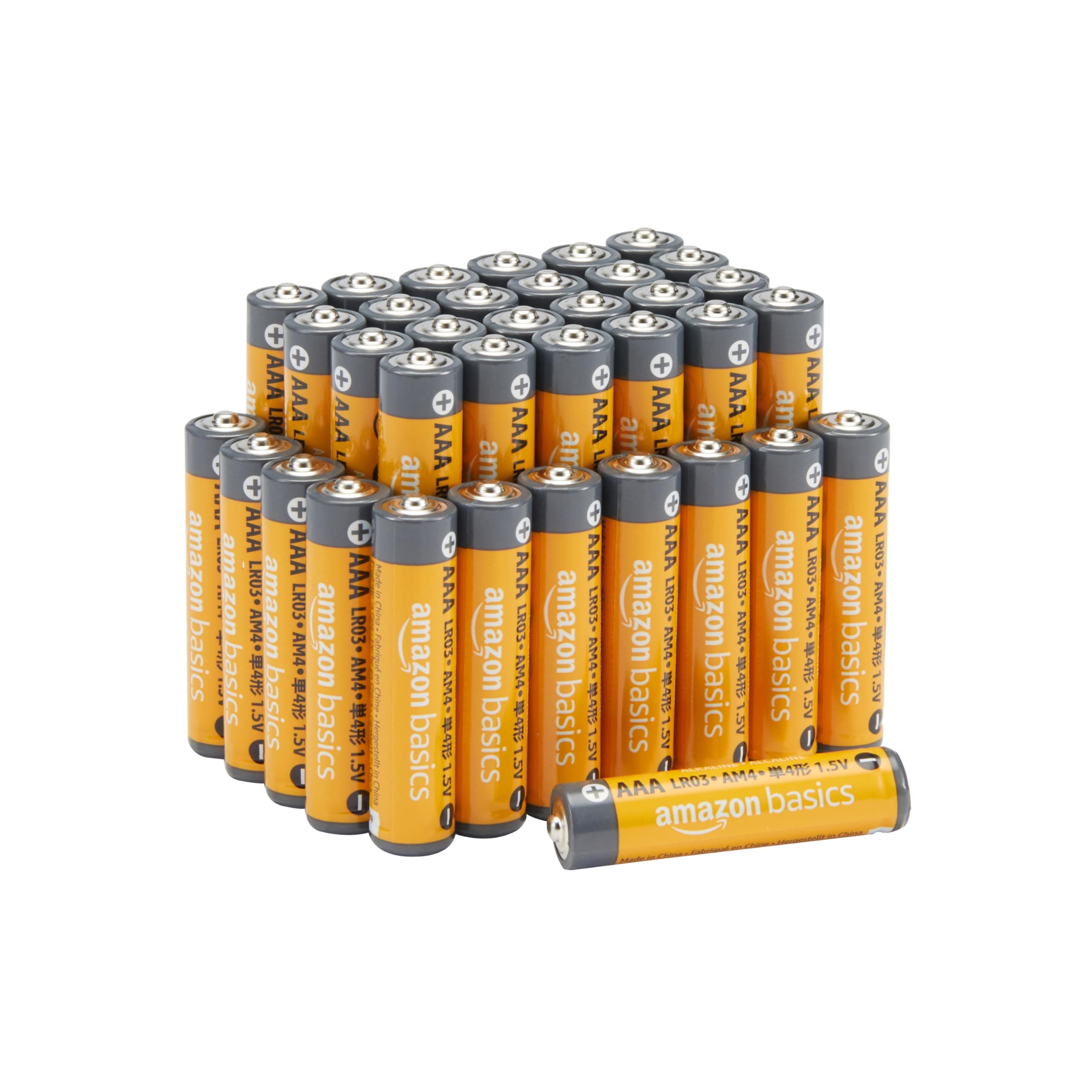
Amazon Basics AAA Alkaline High-Performance Batteries, 1.5 Volt, 10-Year Shelf Life, 36 Count (Pack of 1)
Amazon Basics