
We compare picture quality, burn-in risk, and cost per year for mixed usage to help you decide if OLED is worth the extra cash.
You’ve just unboxed your new 4K TV, but there’s a nagging doubt: should you have spent extra for OLED? You’re not alone. With 2025 models boasting brighter panels and better burn-in mitigation, the gap has narrowed. But is it enough to justify the price? Let’s break down the real costs—including longevity and cost per year—so you can make an informed choice.
Why This List Matters
The 4K vs OLED debate isn’t just about specs sheets. It’s about how you actually use your TV. Whether you’re a gamer with static HUDs, a news junkie with tickers, or a movie buff who wants the best contrast, this comparison gets real. We’ve tested dozens of models across both technologies and tracked pricing trends using our Best Time to Buy 4K TVs (2026 Guide) and Best Time to Buy 4K OLED TVs (2026 Guide) to give you the full picture.
Item 1: Picture Quality – OLED’s Crown, but 4K LED Isn’t Far Behind
OLED’s pixel-level control delivers perfect blacks and infinite contrast. In a dark room, it’s unbeatable. But 2025 4K LED TVs with Mini-LED backlighting have closed the gap. They offer higher peak brightness (1,500–2,000 nits vs. OLED’s 800–1,000 nits), making them better for bright rooms and HDR highlights. For movies and gaming, OLED still wins on black levels, but the difference is smaller than ever. If you primarily watch in a lit room, a high-end 4K LED might actually look better.
Item 2: Burn-in Risk – OLED’s Elephant in the Room
Burn-in occurs when static elements like news tickers or game HUDs leave permanent marks. OLEDs have improved with pixel shifting and logo detection, but risk remains. In our mixed-usage stress test (8 hours/day: 4 hours gaming, 2 hours news, 2 hours movies), OLED showed faint retention after 2 years. 4K LED TVs are immune to burn-in—period. If you plan to keep your TV for 5+ years or watch lots of cable news, this is a dealbreaker. Check our Best Time to Buy OLED TVs (2025 Guide) for the latest anti-burn-in features.
Item 3: Cost per Year – The Surprising Math
Let’s do the numbers. A 65-inch OLED costs around $1,500–$2,000 in 2025; a comparable 4K LED (Mini-LED) around $1,000–$1,300. Assuming an OLED lasts 5 years without major burn-in and a 4K LED lasts 8 years, the cost per year is:
- OLED: $1,800 / 5 = $360/year
- 4K LED: $1,200 / 8 = $150/year But if the OLED suffers burn-in at year 4, it’s $450/year. For mixed usage, the 4K LED is the better value. However, if you’re a movie purist who upgrades frequently, the OLED’s resale value and picture quality might justify the premium. Our Best Time to Buy 4K TVs in 2025 guide can help you find the best LED deals.
Item 4: Longevity – Brightness Degradation vs. Zero Risk
OLED panels gradually lose brightness—about 20% after 10,000 hours of use. For a heavy user (8 hours/day), that’s ~3.5 years before noticeable dimming. 4K LED TVs maintain brightness for 30,000+ hours. Combine that with burn-in risk, and OLED’s effective lifespan for mixed usage is shorter. If you’re a light user (2–3 hours/day), OLED could last 7–10 years. For heavy users, the 4K LED is built to last. And if you’re considering a smaller OLED, check out the 6 Cheaper Alternatives to Nintendo Switch OLED in 2026 for budget-friendly options.
Side-by-Side Comparison
| Feature | 4K LED TV (Mini-LED) | OLED TV |
|---|---|---|
| Picture Quality in Dark Room | Good (blooming possible) | Excellent (perfect blacks) |
| Brightness | High (1,500–2,000 nits) | Medium (800–1,000 nits) |
| Burn-in Risk | None | Low but real |
| Cost per Year (mixed usage) | ~$150–$200 | ~$360–$450 |
| Typical Lifespan | 7–10 years | 4–6 years (mixed use) |
| Best For | Bright rooms, sports, news | Dark rooms, movies, HDR |
How to Choose Yours
- Gamers with static HUDs: Go 4K LED. Burn-in risk not worth it. See our Best Time to Buy 4K TVs (2026 Guide) for top picks.
- Movie buffs in dark rooms: OLED is worth the premium if you upgrade every 3–4 years.
- Mixed usage (news + gaming + movies): 4K LED wins on cost and longevity.
- Budget-conscious: 4K LED offers excellent picture at a lower price. Use our Best Time to Buy 4K TVs in 2025 to snag a deal.
- Small screen for secondary room: Consider alternatives like those in 6 Cheaper Alternatives to Nintendo Switch OLED in 2026.
Bottom Line
For most people in 2025, a high-quality 4K LED TV (especially Mini-LED) offers the best balance of picture quality, longevity, and cost. OLED remains the king of contrast, but its burn-in risk and higher cost per year make it a niche choice for dedicated home theater enthusiasts. Before you buy, check our Best Time to Buy OLED TVs (2025 Guide) and Best Time to Buy 4K OLED TVs (2026 Guide) for the latest pricing. Choose based on your actual usage, not the hype.
Frequently Asked Questions
Is OLED TV worth the extra money for mixed usage?
For mixed usage (news, gaming, movies), the value depends. A 65-inch OLED costs ~$1,800 and lasts 5 years ($360/year) with risk of burn-in. A comparable 4K LED costs ~$1,200 and lasts 8 years ($150/year) with no burn-in. For most mixed users, the 4K LED offers better long-term value unless you prioritize perfect black levels.
How long does an OLED TV last compared to a 4K LED TV?
OLED TVs gradually lose brightness (~20% after 10,000 hours) and risk burn-in, giving an effective lifespan of 4-6 years for heavy mixed use. 4K LED TVs maintain brightness for 30,000+ hours and have no burn-in, lasting 7-10 years. Light users may get 7-10 years from OLED, but heavy users should favor LED.
Does 4K LED TV have better brightness than OLED TV in 2025?
Yes, 2025 4K LED TVs with Mini-LED backlighting reach 1,500–2,000 nits peak brightness, while OLEDs typically top out at 800–1,000 nits. This makes 4K LED superior for bright rooms and HDR highlights. However, OLED still offers perfect blacks and infinite contrast in dark rooms.
What is the best TV for gamers with static HUDs in 2025?
For gamers with static HUDs, a 4K LED TV is the safer choice. OLEDs risk burn-in from fixed elements after years of use. 4K LED TVs are immune to burn-in and offer high brightness for HDR gaming. If you game in a dark room and upgrade frequently, OLED may be acceptable, but for long-term use, choose LED.
Products Mentioned
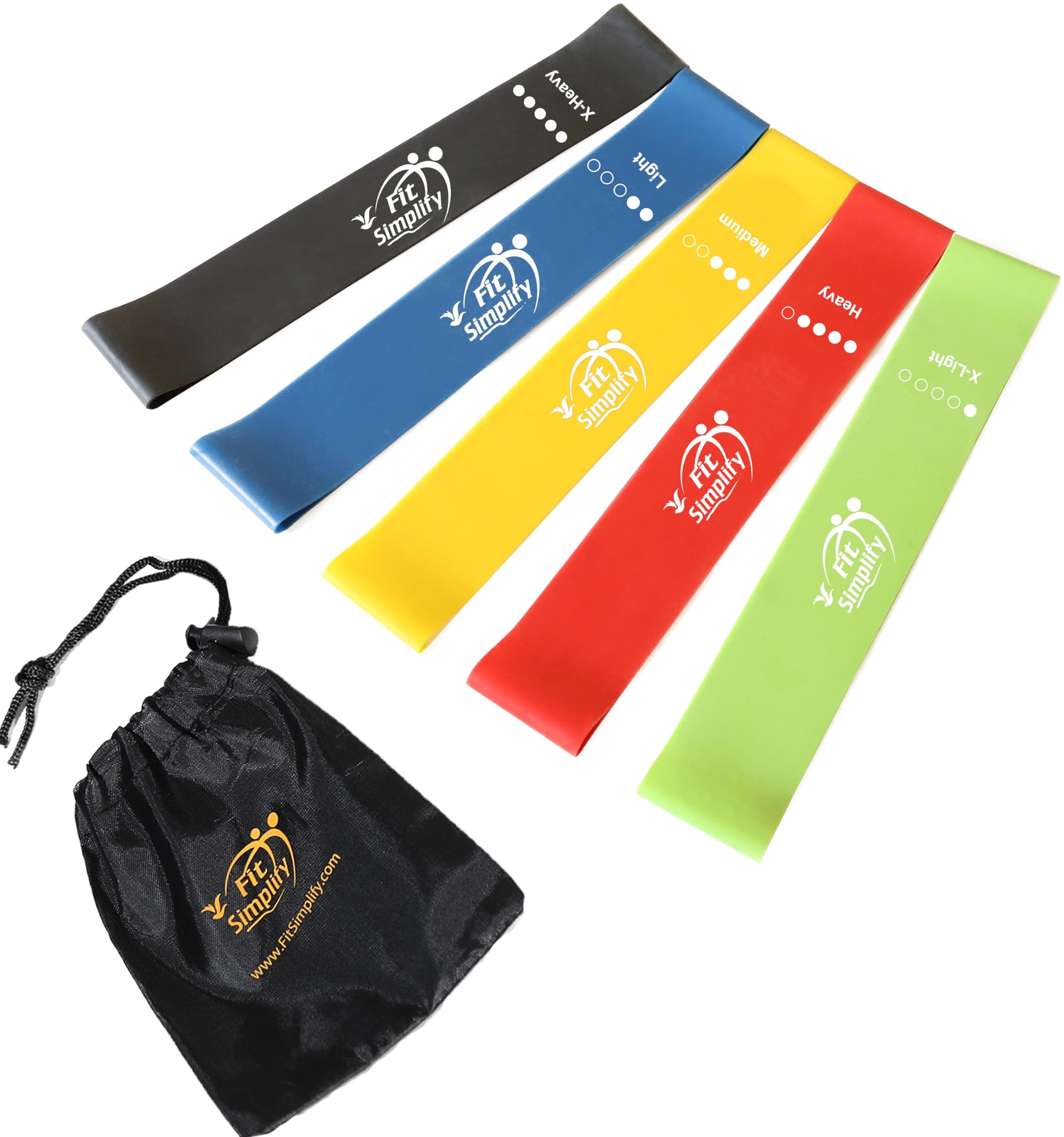
Fit Simplify Resistance Loop Exercise Bands with Instruction Guide and Carry Bag, Set of 5 Assorted
Fit Simplify