Get the App
Better experience on mobile
A step-by-step guide to diagnose and fix your washing machine when it refuses to spin, with upgrade options if repairs aren't worth it.
Dealing with a washing machine that won’t spin can be incredibly frustrating. You’ve got a pile of laundry waiting, and instead of clean clothes, you’re left with a tub full of soggy garments. This is a common issue that many households face, often leaving users feeling helpless and annoyed. Whether it’s a minor glitch or a sign of a bigger problem, a non-spinning washer can disrupt your daily routine.
Statistics show that spinning issues are among the top complaints for washing machines, affecting thousands of users yearly. The problem can stem from simple user errors, like an unbalanced load, to more complex mechanical failures, such as a broken belt or motor. Fortunately, many of these issues can be resolved without immediately calling a repair technician.
In this guide, you’ll learn how to troubleshoot and potentially fix your washing machine with 7 practical solutions. We’ll start with the easiest checks and progress to more involved repairs. By the end, you’ll know whether a DIY fix is feasible, or if it’s time to consider a replacement. Let’s get your washer spinning again!
Difficulty: easy | Time: 5 minutes
What to do: Open the washing machine and redistribute the clothes evenly around the drum. If the load is too heavy or bunched up on one side, the machine may stop spinning to prevent damage.
Why this works: Modern washers have sensors that detect imbalances and halt the spin cycle for safety. A quick rearrangement can solve the issue.
What you should see: After rebalancing, close the lid and restart the cycle. The machine should begin spinning within a minute.
Warning signs if it doesn’t work: If the machine still doesn’t spin, or you hear unusual noises, there may be a deeper issue with the drum or suspension system.
Difficulty: easy | Time: 5 minutes
What to do: Ensure the lid or door is properly closed. For top-loaders, listen for a clicking sound when closing the lid—this indicates the lid switch is engaging. For front-loaders, check if the door lock indicator light is on.
Why this works: Washers won’t spin if they detect the lid or door is open as a safety feature. A faulty switch or lock can trick the machine into thinking it’s unsafe to spin.
What you should see: If the lid/door locks properly, the spin cycle should start. If not, the switch may need cleaning or replacement.
Warning signs if it doesn’t work: If there’s no click or lock indicator, the switch or lock mechanism might be broken, requiring further inspection or repair.
Difficulty: easy | Time: 5 minutes
What to do: Verify that the washing machine is plugged in and the outlet is working. Test the outlet with another device, like a lamp, to ensure it’s supplying power.
Why this works: A simple power interruption can stop the machine from spinning, especially after a power outage or if the plug was accidentally dislodged.
What you should see: If power is restored, the control panel should light up, and the spin cycle should resume when restarted.
Warning signs if it doesn’t work: If there’s no power or the panel remains dead, there could be an internal electrical issue or a blown fuse.
Difficulty: medium | Time: 15 minutes
What to do: Unplug the machine for safety. Locate the drain hose at the back and check for kinks or blockages. If accessible, check the drain pump filter (refer to your manual) for debris like lint or small objects.
Why this works: If water can’t drain properly, the washer won’t spin to avoid flooding. Clearing blockages can restore normal operation.
What you should see: After clearing any clogs, run a short cycle. The machine should drain and spin normally.
Warning signs if it doesn’t work: If water still doesn’t drain, the pump itself may be faulty, requiring professional attention. Safety note: Be prepared for water spillage—have towels handy.
Tools needed: Towels, Bucket
Difficulty: medium | Time: 30 minutes
What to do: Unplug the machine and access the back panel (consult your manual for instructions). Look for the drive belt connecting the motor to the drum. Check if it’s loose, frayed, or broken.
Why this works: The drive belt powers the drum’s spinning motion. If it’s damaged or slipped off, the drum won’t spin.
What you should see: If the belt is intact and tight, it’s likely not the issue. If it’s broken, replacing it (often under $20) can fix the problem.
Warning signs if it doesn’t work: If the belt is fine but the drum still won’t spin, the motor or pulley system may be faulty. Safety note: Always unplug the machine before opening panels to avoid electrical shock.
Tools needed: Screwdriver, Replacement belt if needed
Difficulty: hard | Time: 45 minutes
What to do: For top-load washers, unplug the machine and remove the cabinet (refer to your manual). Locate the motor coupler between the motor and transmission. Check for cracks or wear.
Why this works: The motor coupler transfers power to the drum. If it’s damaged, the drum won’t spin even if the motor runs.
What you should see: If the coupler is intact, it’s not the issue. If damaged, replacing it is often a straightforward fix.
Warning signs if it doesn’t work: If the coupler is fine but there’s no spin, the transmission or motor might be failing. Safety note: Avoid touching electrical components while inspecting.
Tools needed: Screwdriver, Wrench
Difficulty: hard | Time: 60 minutes
What to do: If all else fails, the issue may lie with the motor or electronic control board. Unplug the machine and visually inspect the control board (usually near the top panel) for burn marks or loose connections. Listen for motor humming during a cycle.
Why this works: The control board manages spin functions, and the motor powers the drum. A failure in either can stop spinning.
What you should see: If the motor hums but doesn’t spin, it might be seized. If the board looks damaged, it needs replacement.
Warning signs if it doesn’t work: These components are expensive to replace ($100+), and diagnosing them often requires a multimeter and expertise. Consider professional help at this stage. Safety note: High voltage risk—proceed with caution or call a technician.
Tools needed: Screwdriver, Multimeter (optional)
If your washing machine still won’t spin after trying these fixes, it might be time to consider an upgrade. Persistent issues with the motor, transmission, or control board often indicate deeper, systemic failures. Repair costs for these components can range from $150 to $400, not including labor, which may not be worth it for an older machine. If your washer is over 8-10 years old, it’s likely nearing the end of its lifespan, and newer models offer better energy efficiency and features that could save you money long-term.
Check your warranty status before proceeding with expensive repairs. Most manufacturers offer 1-2 year warranties, with extended coverage sometimes available for major components like the motor. If your warranty has expired and repair quotes exceed 50% of the cost of a new machine, replacement is usually the smarter choice. Additionally, if you notice safety issues like electrical sparks, burning smells, or excessive vibrations, stop using the machine immediately—these are red flags for potential hazards.
Upgrading makes sense if repairs are too costly or if you’re dealing with frequent breakdowns. Modern washing machines are designed with improved spin mechanisms, quieter operation, and smart features. Below, we’ve listed reliable options at different price points to help you decide on a replacement that fits your needs and budget.
🛒 Buy GE 4.5 cu. ft. Top Load Washer on Amazon
🛒 Buy Samsung 5.0 cu. ft. Front Load Washer on Amazon
🛒 Buy LG 5.2 cu. ft. Front Load Washer with TurboWash on Amazon
🛒 Buy Affresh Washing Machine Cleaner (6 Tablets) on Amazon
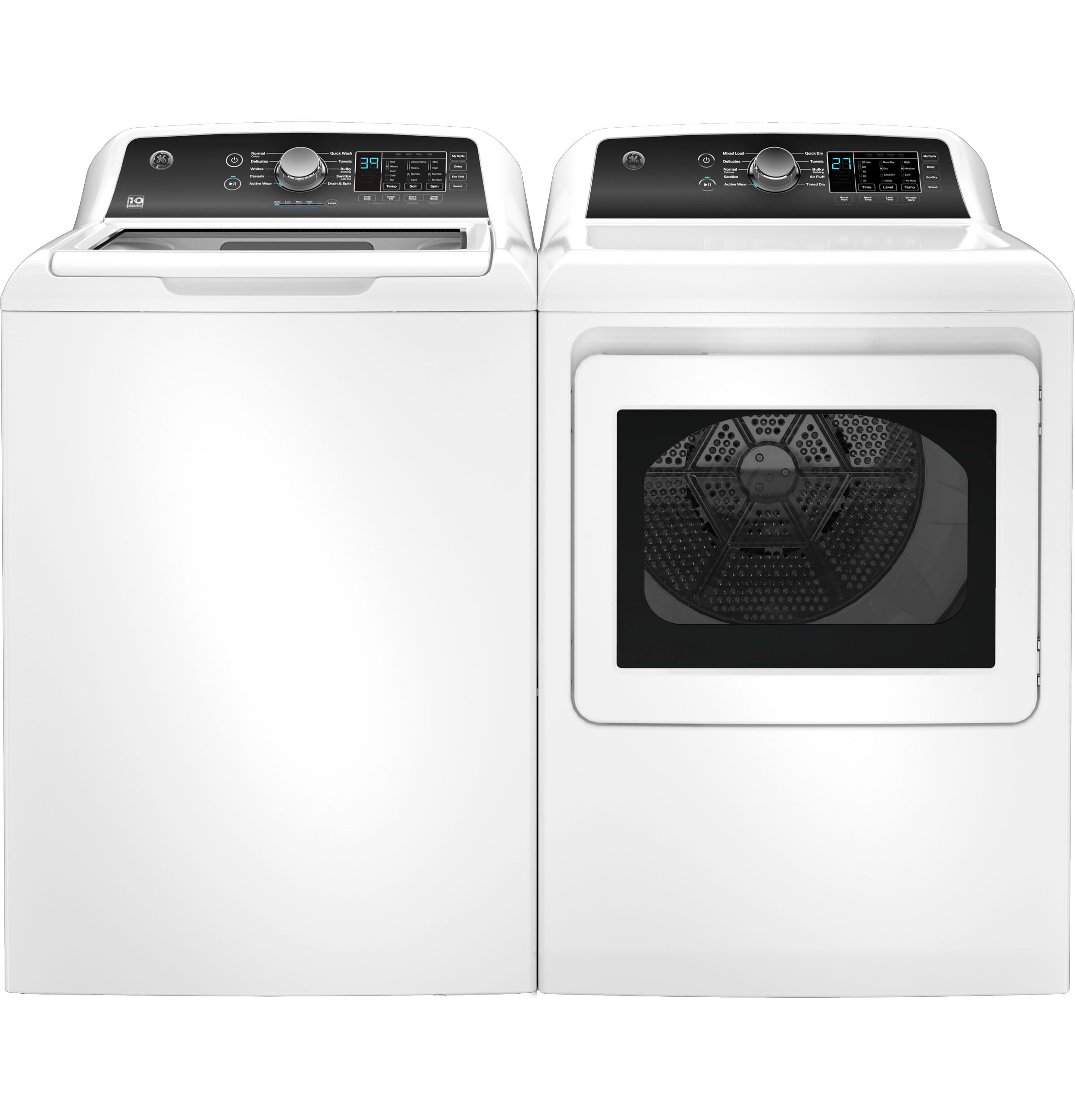
A budget-friendly option with reliable spin performance and a deep fill option for larger loads.
Price Range: $600-$700
Key Benefits:
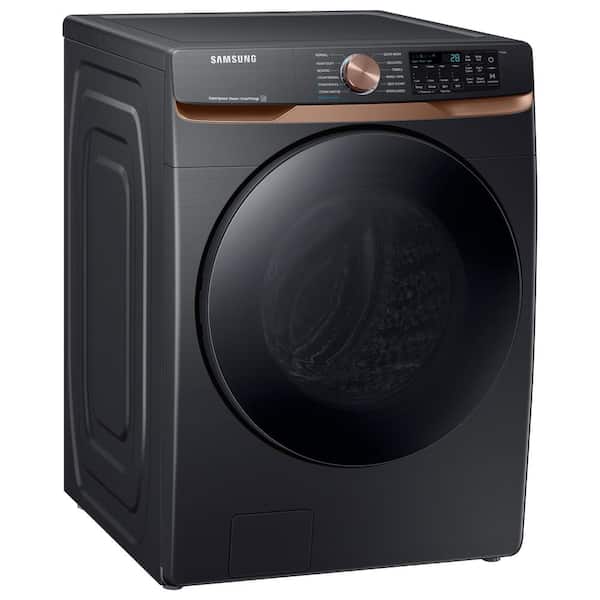
Mid-range choice with advanced vibration reduction technology for smoother spins and quieter operation.
Price Range: $800-$900
Key Benefits:
Premium pick with high-speed spin (up to 1300 RPM) and TurboWash for faster cycles, ideal for large families.
Price Range: $1100-$1300
Key Benefits:

A helpful accessory to maintain any washer, preventing buildup that can affect spin performance.
Price Range: $10-$15
Key Benefits:
Compare key specs and features of all our recommendations side-by-side
| Product | Recommendation | Rating | Price |
|---|---|---|---|
GE 4.5 cu. ft. Top Load Washer Rank #1 | 🏆 Top Pick | — | Check price → |
Samsung 5.0 cu. ft. Front Load Washer Rank #2 | 💰 Budget Pick | — | Check price → |
Premium pick with high-speed spin Rank #3 | — | — | Check price → |
Front Load Washer Mold and Odor Prevention Rescue Your Washing Machine White Rank #4 | — | 4.6 4.6 |
