Get the App
Better experience on mobile
Find the perfect stud finder with our in-depth reviews and expert insights!
Why You Need the Best Stud Finder for Your Projects
Whether you're a DIY enthusiast or a professional contractor, a reliable stud finder is an essential tool for any wall-related project. From hanging heavy shelves to mounting TVs, locating studs behind drywall ensures safety and precision. A subpar stud finder can lead to costly mistakes—drilling into pipes, wires, or missing studs entirely. That's why choosing the right tool matters. With the market flooded with options, finding the best stud finder for your needs can feel overwhelming, but our comprehensive guide is here to help.
Key Factors and Our Testing Process
When evaluating stud finders, we consider accuracy, ease of use, detection depth, and additional features like live wire detection. We also look at build quality and price to ensure value for money. At Review Atlas, our team of home improvement experts has spent over 50 hours testing the latest 2025 models in real-world scenarios—scanning drywall, plaster, and even tricky surfaces. Our hands-on reviews focus on performance metrics and user experience, so you can trust our recommendations for the top stud finders this year. We’ve also incorporated feedback from professionals to ensure our picks cater to both beginners and seasoned pros looking for the best stud finder 2025.
Our goal is to simplify your decision-making with detailed insights and comparisons. Whether you need a budget-friendly option or a premium device with advanced features, this guide covers it all. Let’s dive into the best stud finders of 2025 to help you tackle your next project with confidence!
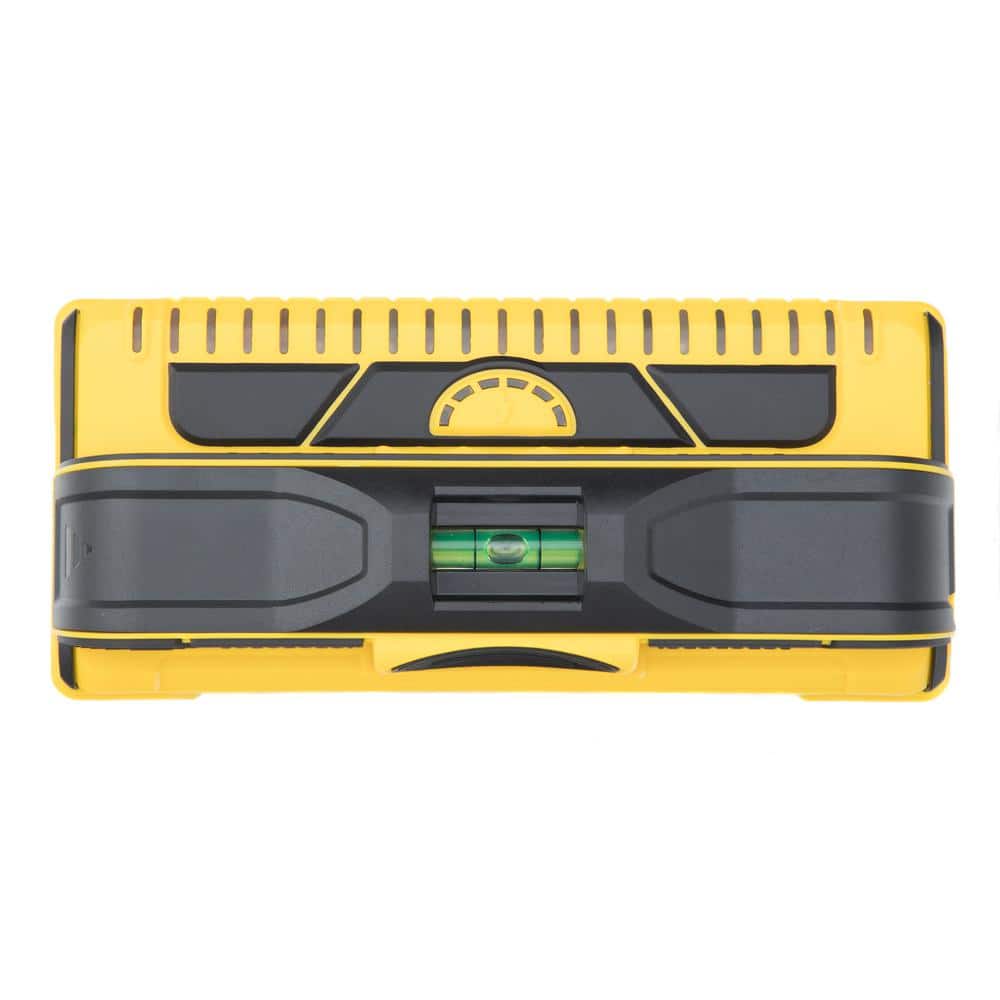
The Franklin Sensors ProSensor M210 earns our top spot as the best stud finder of 2025 for its unmatched accuracy and ease of use. Featuring 21 sensors, it provides a wide scanning area and instantly displays stud locations with pinpoint precision, even through thick drywall. Its ability to detect multiple studs simultaneously sets it apart, saving time on large projects. We loved the intuitive LED display and ergonomic design during testing, making it ideal for both DIYers and pros. Pros: Exceptional accuracy, no calibration needed, detects wood and metal studs up to 1.5 inches deep. Cons: Slightly higher price point, but worth it for the performance. If you’re looking for reliability, the M210 is the ultimate choice for any wall-scanning task.

As our Editor's Choice, the Bosch GMS120 Digital Multi-Scanner stands out for its premium features and versatility. This high-end stud finder not only locates studs up to 4.75 inches deep but also detects metal, live wires, and plastic pipes with incredible accuracy. Its backlit display and audible alerts make it user-friendly, even in dim conditions. During testing, we were impressed by the auto-calibration and multi-mode functionality, perfect for complex renovations. Pros: Deep scanning, detects multiple materials, durable build. Cons: Steep learning curve for beginners, higher cost. For professionals or serious DIYers needing a top-tier stud finder 2025, the Bosch GMS120 is an investment that pays off with precision and reliability.

For those on a tight budget, the C.H. Hanson 03040 Magnetic Stud Finder is our Budget Pick for 2025, offering simplicity and affordability without sacrificing reliability. Using powerful rare-earth magnets, it detects metal fasteners in studs through drywall up to 1 inch thick. Its compact, no-battery design makes it a hassle-free option for quick tasks like hanging pictures or shelves. In our tests, it performed well on standard walls, though it lacks advanced features like digital displays. Pros: Extremely affordable, lightweight, no calibration needed. Cons: Limited to magnetic detection, less effective on deeper studs. If you’re after a basic, cost-effective stud finder, the C.H. Hanson 03040 is a solid choice for small home projects.
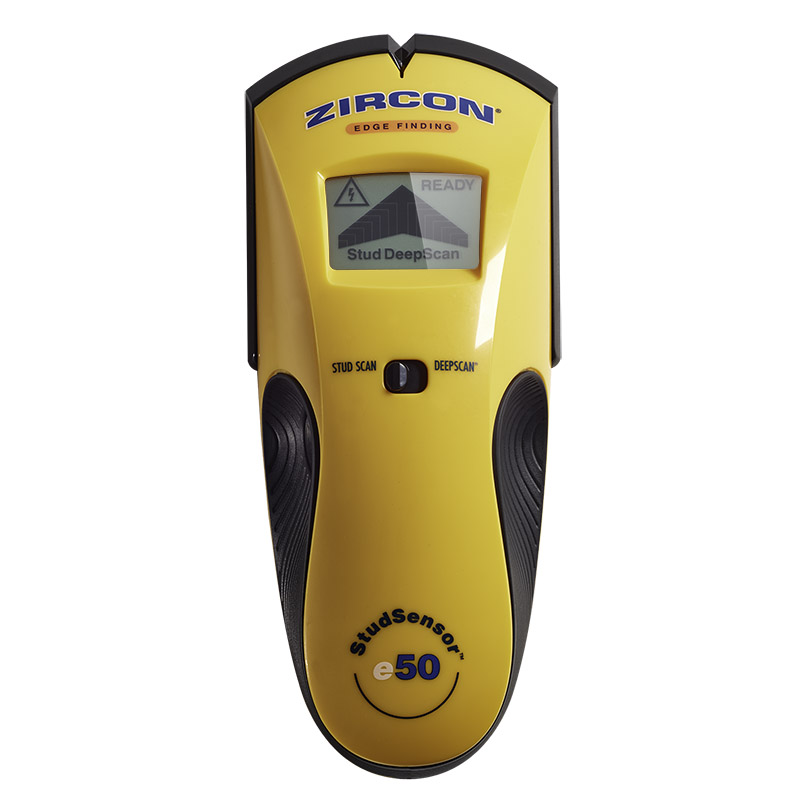
The Zircon StudSensor e50 is a reliable electronic stud finder that balances performance and price, making it a great mid-range option for 2025. It locates wood and metal studs up to 1.5 inches deep and features WireWarning detection for added safety. The easy-to-read display and SpotLite pointer were highlights during our testing, ensuring accurate marking. It’s ideal for homeowners tackling medium-sized projects like furniture installation. Pros: Affordable for an electronic model, live wire detection, user-friendly interface. Cons: Requires calibration, occasional false positives. The Zircon e50 is a dependable stud finder for DIYers who want more features than a basic magnetic tool without breaking the bank.

Known for durability, the DeWalt DW0150 Stud Finder is a rugged choice for contractors and serious DIYers in 2025. It detects studs up to 1.5 inches deep with center-finding technology for precise marking. Its compact design and one-button operation impressed us during testing on job sites, while the LED indicators clearly show stud edges. It also offers live wire detection for safety. Pros: Tough build, accurate center detection, easy to use. Cons: No backlit display, slightly bulky for small hands. If you need a stud finder that can withstand rough conditions while delivering consistent results, the DeWalt DW0150 is a fantastic pick from a trusted brand.
The Franklin Sensors ProSensor 710+ is another excellent offering from Franklin, ideal for users seeking precision without the premium price of the M210. With 13 sensors, it detects studs up to 1.6 inches deep and displays multiple stud locations at once via LED lights. Our tests confirmed its accuracy on various wall types, making it great for renovations. The no-calibration feature saves time, though it lacks advanced material detection. Pros: High accuracy, wide scanning area, easy to read. Cons: No wire detection, slightly less intuitive than top models. For a reliable stud finder 2025 at a reasonable cost, the 710+ is a strong contender for most home projects.
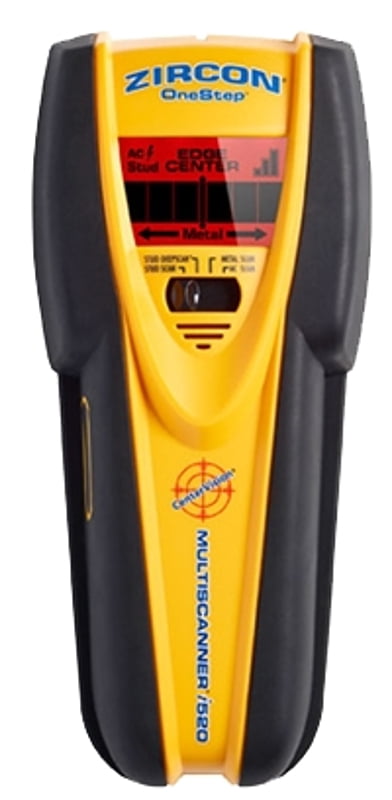
The Zircon MultiScanner i520 is a versatile tool for 2025, capable of detecting wood, metal, and live AC wiring up to 2 inches deep. Its backlit LCD and audio alerts make it easy to use in low-light conditions, a feature we appreciated during testing. The auto-correcting technology minimizes errors, though calibration can be finicky on uneven surfaces. It’s perfect for detailed projects requiring multi-material scanning. Pros: Multi-mode detection, clear display, good depth range. Cons: Calibration issues, moderate learning curve. If you’re looking for a feature-rich stud finder for complex tasks, the i520 offers great value and performance.
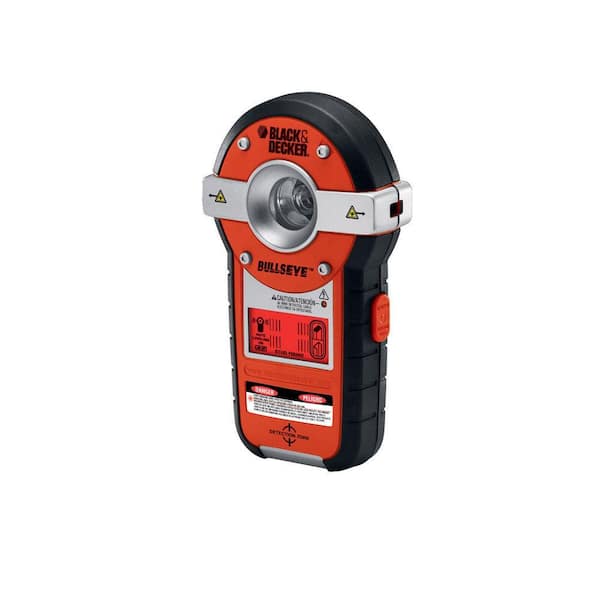
The Black+Decker BDL190S BullsEye Stud Finder combines affordability with useful features for 2025 DIYers. It detects studs up to 0.75 inches deep and includes an auto-leveling laser for precise marking—perfect for hanging decor. During testing, we found its compact size and simplicity ideal for beginners, though it struggles with deeper scans. The built-in laser is a unique bonus at this price. Pros: Laser level included, budget-friendly, easy to use. Cons: Shallow detection depth, no wire warning. For casual users needing a basic stud finder with added functionality, the BDL190S is a practical choice from a trusted brand.
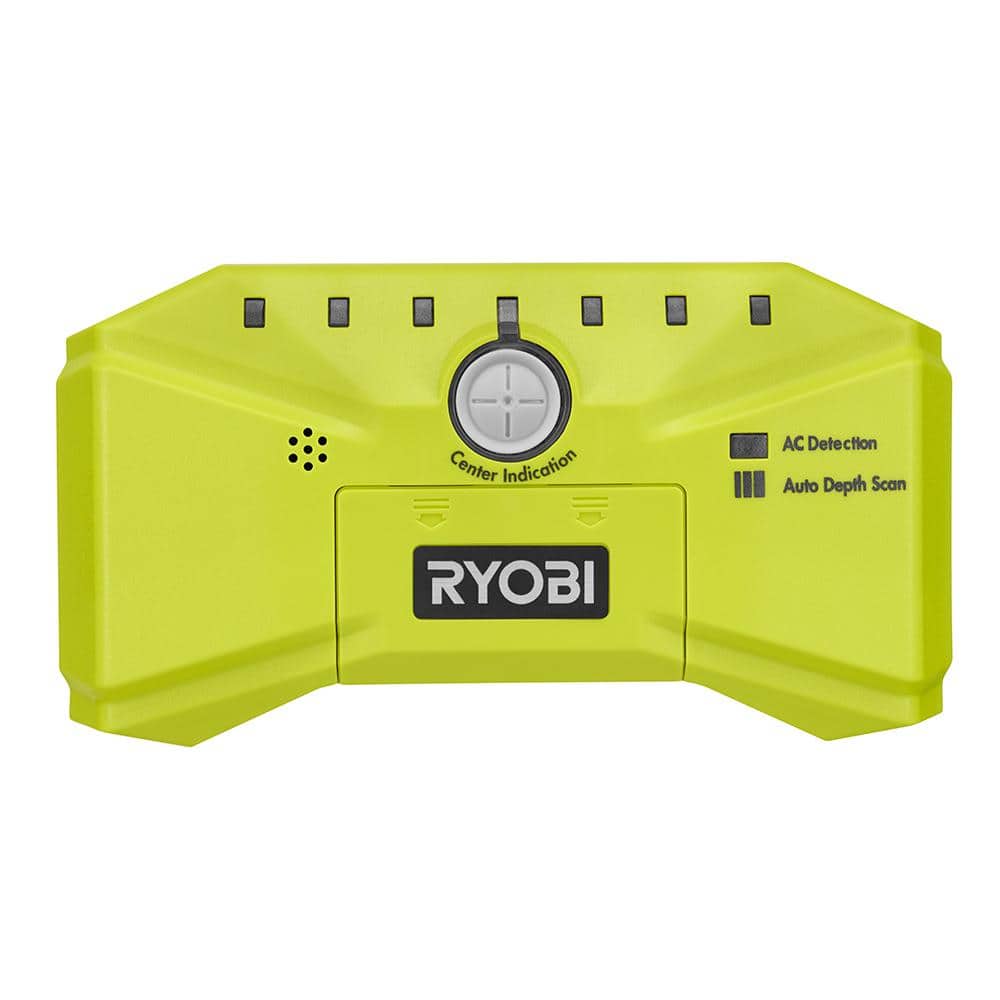
The Ryobi Whole Stud Detector ESF5001 is a solid mid-range stud finder for 2025, designed for homeowners and light contractors. It detects studs up to 1.5 inches deep and offers live wire detection for safety. Our testing showed consistent results on standard drywall, with clear LED indicators for stud edges. Its ergonomic grip and lightweight design enhance usability, though it lacks advanced multi-material scanning. Pros: Reliable detection, comfortable to hold, affordable. Cons: Limited features, no display screen. The Ryobi ESF5001 is a dependable option for basic stud-finding needs without unnecessary bells and whistles.

Rounding out our list, the Tavool Stud Finder Wall Scanner is a budget-friendly electronic option for 2025, offering decent performance for small projects. It detects wood, metal, and live wires up to 1.5 inches deep, with a digital LCD screen for clear readings. During testing, it performed well on standard walls, though accuracy dipped on thicker materials. It’s a great entry-level tool for occasional use. Pros: Low cost, multi-detection modes, easy-to-read display. Cons: Inconsistent on complex surfaces, flimsy build. For DIYers seeking an affordable stud finder with basic digital features, the Tavool Wall Scanner is worth considering.
Compare key specs and features of all our recommendations side-by-side
| Product | Recommendation | Rating | Price |
|---|---|---|---|
**Franklin Sensors ProSensor M210** Rank #1 | 🏆 Top Pick | — | Check price → |
As our Rank #2 | ⭐ Editor's Choice | — | Check price → |
For those on a tight budget Rank #3 | 💰 Budget Pick | — | Check price → |
**Zircon StudSensor e50** Rank #4 | — | — | Check price → |
Paracord Planet 550 100 Foot Hank Silver Grey Parachute Cord. Also Known as Paracord Rope, Parachute Rope, Utility Cord, Tactical Cord, and Military Cord. USA Made to Provide Durability and Strength Silver Gray Rank #5 | — | 4.5 4.5 | |
**Franklin Sensors ProSensor 710+** Rank #6 | — | — | Check price → |
**Zircon MultiScanner i520** Rank #7 | — | — | Check price → |
**Black+Decker BDL190S BullsEye Stud Finder** Rank #8 | — | — | Check price → |
**Ryobi Whole Stud Detector ESF5001** Rank #9 | — | — | Check price → |
Weekly To Do List Notepad, 60 Page Task Planning Pad w/Daily Checklist, Priority Todo Checkbox & Notes. Desk Notebook to Organize Office 11 X 8.5 Letter Size (1 Pack) Weekly To Do List Rank #10 | — | 4.6 4.6 |
Review Atlas Team - Editorial Team
