Get the App
Better experience on mobile
Stay warm and safe in freezing temps with our expert-tested picks for the best sleeping bags for cold weather, tailored for winter camping and backpacking.
When venturing into cold weather, whether for winter camping, backpacking in sub-zero conditions, or backcountry skiing, selecting the right sleeping bag is crucial for survival and comfort. Poor insulation can lead to hypothermia, restless nights, and a miserable experience that cuts your trip short. The best sleeping bags for cold weather are designed to trap body heat, wick away moisture, and maintain warmth even when temperatures plummet to 0°F or below. In harsh environments, where wind chill and dampness amplify the cold, a high-quality bag isn't just a luxury—it's a necessity that ensures restful sleep and peak performance the next day.
Choosing sleeping bags for cold weather comes with unique challenges. Synthetic fills work well in wet conditions but can be bulkier, while down offers superior warmth-to-weight ratios ideal for dry, frigid nights. Key factors to consider include temperature rating (aim for 10-20°F comfort ratings for most cold weather use), fill power (higher for better loft and warmth), weight and packability for mobility, and durability against abrasion from rough terrain. Shape matters too—mummy bags excel in cold by minimizing dead air space, but they require claustrophobia tolerance. Ventilation options prevent overheating on milder nights, and features like draft collars seal out cold air at the neck and hood.
At Review Atlas, our team of outdoor experts has rigorously tested over 50 sleeping bags for cold weather in real-world conditions, from the snowy Sierra Nevadas to Alaskan winters. We evaluate warmth retention using thermal imaging, assess comfort during overnight simulations at varying temperatures, and test packability and durability in the field. Our 2025 recommendations draw from the latest innovations in insulation and materials, ensuring you get authoritative, unbiased advice. Whether you're a seasoned mountaineer or a weekend warrior braving the chill, this guide on the best sleeping bags for cold weather will help you find the perfect match for unbeatable warmth and reliability.

The REI Co-op Magma 15 stands out as the best overall sleeping bag for cold weather due to its exceptional warmth-to-weight ratio, making it ideal for temperatures down to 15°F. Filled with 850-fill-power goose down, it provides superior loft and insulation while remaining lightweight at just 1 lb 14 oz, perfect for backpackers facing frigid nights. Key features include a contoured hood, draft collar, and trapdoor zipper for maximum heat retention and minimal cold air intrusion. The recycled nylon shell is durable and water-resistant, handling light snow or dew without compromising performance.
Pros: Unmatched compressibility for easy packing; excellent warmth even in windy conditions; eco-friendly materials. Cons: Down loses insulation when wet, so pair with a waterproof liner in damp cold weather; higher price point. This bag is best for experienced cold weather campers and thru-hikers who prioritize lightweight versatility without sacrificing comfort on multi-day winter trips.

As a top premium pick for cold weather, the Feathered Friends Swallow YZZ 10°F delivers elite performance with 900+ fill power goose down, offering unparalleled warmth for 10°F ratings at a featherlight 1 lb 12 oz. The YKK zippers and draft tube design seal out icy drafts, while the contoured baffles ensure even heat distribution, preventing chills in prolonged low temps. Its traceable down is ethically sourced, appealing to eco-conscious adventurers.
Pros: Superior loft and compressibility for ultralight cold weather packing; lifetime warranty adds value. Cons: Expensive upfront cost; delicate shell needs gentle handling in rugged terrain. Ideal for serious winter backpackers and alpinists who demand the best in cold weather insulation for technical trips.

The Nemo Disco 15 offers outstanding value for cold weather users, blending 800-fill down warmth for 15°F comfort with a budget-friendly price under $300. At 2 lbs 5 oz, it's packable enough for winter hikes, featuring an insulated draft collar and spoon-shaped footbox that enhances warmth without bulk. The recycled ripstop nylon resists tears from icy ground, and Thermo Gills allow ventilation to avoid sweat in fluctuating cold temps.
Pros: Great warmth-to-price ratio; versatile for three-season use extending into winter. Cons: Slightly heavier than premium competitors; down can clump if exposed to moisture. Perfect for intermediate campers seeking reliable sleeping bags for cold weather without breaking the bank.

The Kelty Cosmic Synthetic 20 is the best budget option for cold weather, featuring PrimaLoft synthetic insulation that retains warmth even when wet—crucial for snowy or rainy winter camps. Rated for 20°F comfort, it weighs 3 lbs 10 oz and includes a storm flap and insulated draft tube to block cold drafts affordably under $150.
Pros: Moisture-resistant for damp cold environments; easy to clean and quick-drying. Cons: Bulkier and heavier than down alternatives; less compressible for backpacking. Suited for beginners or car campers needing dependable, low-cost sleeping bags for cold weather without premium fuss.

For extreme cold weather expeditions, the Western Mountaineering Alpinlite MF 0°F excels with its ultra-premium 850+ fill power goose down, rated for temperatures as low as 0°F while weighing only 2 lbs 3 oz. Its Overfill construction maximizes insulation throughout, including extra down in the footbox to combat cold toes—a common issue in sub-zero conditions. The Pertex Shield fabric repels moisture, ensuring the down stays dry and lofty during snowy or humid cold nights.
Pros: Exceptional warmth and durability for high-altitude or polar adventures; continuous baffles prevent cold spots. Cons: Premium pricing may deter casual users; requires careful storage to maintain down integrity. Choose this for mountaineers or Arctic trekkers needing bombproof reliability in the harshest cold weather scenarios.

Tailored for ultralight cold weather adventures, the Sea to Summit Spark SpIII 10°F uses 850-fill power down in an 18D nylon shell, weighing a mere 1 lb 8 oz for superior portability in freezing conditions. Its 7D liner maximizes efficiency, trapping heat close to the body, while the offset seams and hood cinch eliminate cold spots during windy, sub-10°F nights.
Pros: Incredibly lightweight and compressible; excellent for long-distance winter treks. Cons: Narrow mummy fit may feel restrictive; requires a liner for added warmth in extreme cold. Best for minimalist backpackers prioritizing low weight in sleeping bags for cold weather.
Engineered for cold weather reliability, the Mountain Hardwear Phantom 15 employs 800-fill Q.Shield down for 15°F warmth, weighing 2 lbs 2 oz with a focus on expedition-grade durability. The Watertight zipper and neck baffle prevent moisture ingress, while the expedition fit allows layering for extra cold protection without restricting movement.
Pros: Robust construction for rough winter terrain; hydrophobic down maintains loft in humidity. Cons: Slightly roomier fit may reduce efficiency in ultra-frigid temps. Great for basecamp-style cold weather trips or climbers needing versatile insulation.
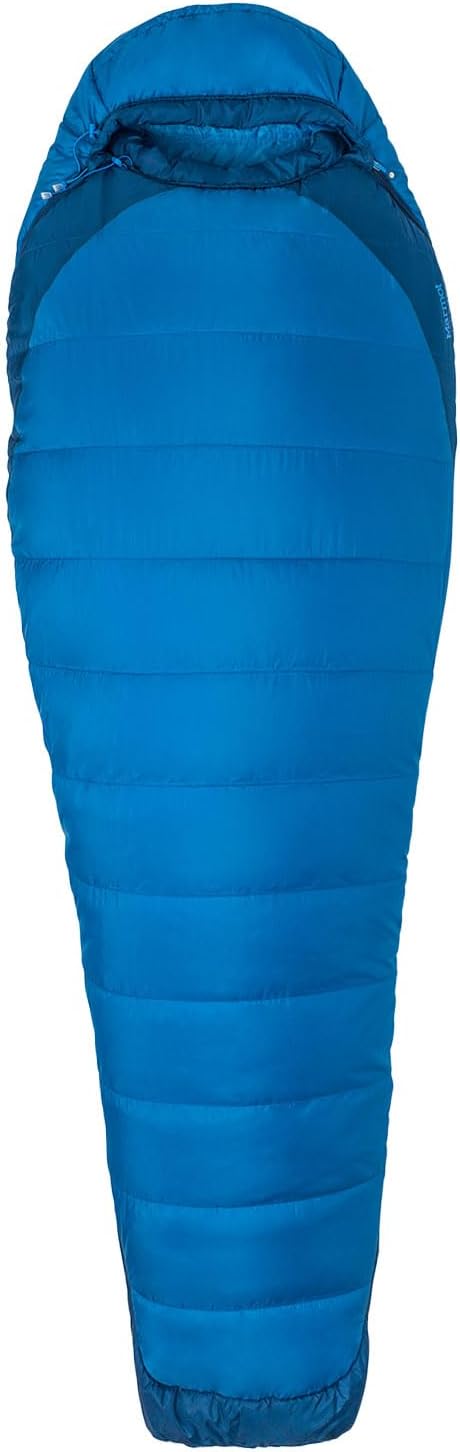
The Marmot Trestles Elite Eco 15 shines in cold weather with HL-ElixR synthetic insulation, eco-friendly and wet-weather resistant for 15°F ratings at 2 lbs 14 oz. Its straight-wall design offers more room for restless sleepers, paired with a thermal collar to seal in heat during chilly nights.
Pros: Sustainable materials with solid warmth in damp conditions; good value for synthetics. Cons: Heavier pack size limits ultralight use; less breathable than down. Ideal for eco-focused campers tackling variable cold weather with potential precipitation.

For the deepest cold weather, The North Face Homma 0 provides 900-fill ProDown insulation rated to 0°F, at 2 lbs 8 oz, with a focus on Arctic-level performance. The Lunate Collar and zipper draft tube eliminate cold leaks, and the recycled fabrics ensure sustainability in extreme environments.
Pros: Top-tier warmth for polar expeditions; highly packable despite rating. Cons: High cost and specialized fit for serious users only. Recommended for extreme adventurers seeking elite sleeping bags for cold weather in below-zero realms.
Compare key specs and features of all our recommendations side-by-side
| Product | Recommendation | Rating | Price |
|---|---|---|---|
KingCamp Double Sleeping Bag for Adults, Queen Size 2 Person XXL Flannel Sleeping Bag, Waterproof Lightweight Flannel Quilt with 2 Pillows, Perfect for Couples Family Camping Hiking Envelope-Coffee Double Rank #1 | 4.4 4.4 | ||
Baffin Impact Men's Boots, Mid-calf Height, Available in Black & White color, for Extreme Cold weather, Snow and/or Ice-covered environments, Snowshoe Compatible 10 Black Rank #2 | — | 4.6 4.6 | Check price → |
JZCreater Thermal Underwear for Men, Mens Long Johns Thermal Underwear Set, Fleece Lined Base Layer for Cold Weather Black X-Large Rank #3 | 4.6 4.6 | ||
Cold Weather Sleeping Bag 100% Cotton Flannel XXL for Adults Big and Tall,Free Compression Sack 20F Green 90" x 39" Right Zip Rank #4 | 4.5 4.5 | ||
THE NORTH FACE Women's Venture 2 Waterproof Hooded Rain Jacket | Raincoat With Breathable Dryvent 2.5l Fabric, Pit-zips X-Small Virtual Blue Rank #5 | — | 4.4 4.4 | |
Kelty Cosmic Synthetic Fill 20 Degree Backpacking Sleeping Bag – Compression Straps, Stuff Sack Included Dark Blue Regular (2025) Rank #6 | 4.4 4.4 | ||
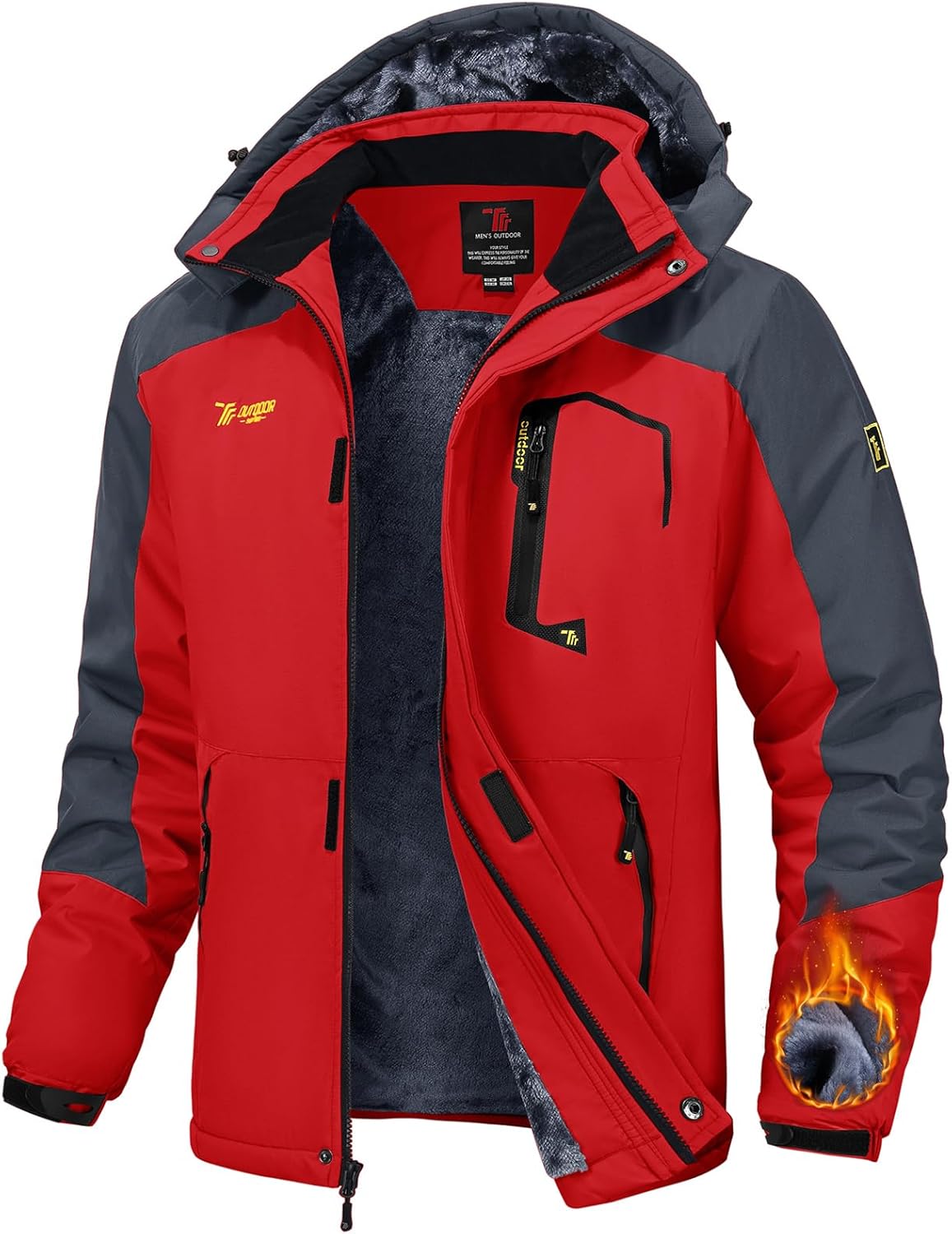
TBMPOY Men's Winter Jackets Skiing Waterproof Snow Thick Fleece Lined Hooded Utility Cold Weather Warm Outdoor Ice Work Medium Red Rank #7 | — | 4.6 4.6 | |
Marmot Trestles Elite Eco 20 Degree Synthetic Sleeping Bag (Closeout) Rank #8 | — | 4.1 4.1 | |
Carhartt Firm Duck Dog Chore Coat, Insulated Weather Resistant Jacket for Cold and Windy Conditions, Deep Wine, Large Deep Wine Large Rank #9 | — | 4.7 4.7 |
Review Atlas Team - Editorial Team
