Get the App
Better experience on mobile
A step-by-step guide to diagnose and fix your lawn mower that won’t start, with upgrade options if needed.
Dealing with a lawn mower that refuses to start can be incredibly frustrating, especially when your yard is overdue for a trim. You’re not alone—this is one of the most common issues lawn mower owners face, with countless forum posts and YouTube comments echoing the same struggle. Whether it’s a push mower or a riding model, the problem often stems from simple oversights or more complex mechanical failures.
This guide will walk you through the most common reasons your lawn mower won’t start, from quick checks like fuel levels to deeper issues like carburetor problems. We’ve compiled 8 actionable fixes based on real user experiences and expert advice to get your mower running again. If all else fails, we’ll also help you decide if it’s time to upgrade to a more reliable machine.
By the end of this guide, you’ll know how to troubleshoot effectively, what tools you might need, and whether repairing or replacing makes more sense for your situation.
Difficulty: easy | Time: 5 minutes
Start by ensuring your mower has enough fuel in the tank. If it’s a gas-powered mower, open the cap and look inside—use a flashlight if needed. If the tank is empty, fill it with fresh gasoline (avoid fuel older than 30 days as it can go stale and prevent starting). Even if there’s fuel, smell it; stale gas has a sour odor and can clog the system.
Why it works: Fuel is the most basic requirement for a gas mower to start. Stale fuel can gum up the engine, preventing ignition.
What you should see: After adding fresh fuel, pull the starter cord or turn the key. The engine should sputter or start within a few tries if fuel was the issue.
Warning signs: If it still doesn’t start, the fuel might not be reaching the engine, pointing to a clogged line or carburetor (see later steps).
Tools needed: Fresh gasoline
Difficulty: easy | Time: 10 minutes
Locate the air filter (usually under a plastic cover near the engine) and remove it. Check if it’s dirty or clogged with grass and debris. A blocked filter restricts airflow, preventing the engine from starting. If it’s dirty, tap it gently to remove loose dirt or replace it if it’s too far gone.
Why it works: The engine needs air to mix with fuel for combustion. A clogged filter starves the engine of air.
What you should see: After cleaning or replacing the filter, try starting the mower. It should start more easily if airflow was the problem.
Warning signs: If there’s no change, the issue might be deeper in the fuel system or ignition.
Tools needed: Screwdriver (if cover needs removal)
Difficulty: easy | Time: 5 minutes
Find the spark plug (a small metal piece with a wire attached, often near the top of the engine). Ensure the wire is securely connected. If it’s loose, push it back on firmly. If it looks corroded or damaged, you may need to replace it (see next step).
Why it works: The spark plug creates the spark needed to ignite fuel. A disconnected or faulty plug means no ignition.
What you should see: After reconnecting, try starting the mower. A successful start means the connection was the issue.
Warning signs: If it still doesn’t start, the plug itself might be faulty or fouled.
Difficulty: medium | Time: 15 minutes
Disconnect the spark plug wire and use a spark plug wrench to remove the old plug. Inspect it for black soot, corrosion, or a worn electrode. If it’s dirty, clean it with a wire brush, or better yet, replace it with a new one (check your mower’s manual for the correct model). Reinstall and reconnect the wire.
Why it works: A worn or fouled spark plug can’t produce a strong enough spark to start the engine.
What you should see: With a new or cleaned plug, the mower should start after a few pulls if the ignition system was the issue.
Warning signs: If it still fails, the problem could be in the fuel delivery system. Safety note: Always disconnect the wire before handling the plug to avoid shocks.
Tools needed: Spark plug wrench, Wire brush or new spark plug
Difficulty: medium | Time: 20 minutes
If your mower is electric or a riding model, locate the battery and check if it’s charged. Use a multimeter to test voltage (should be around 12.6V for a full charge). If it’s low, charge it using a compatible charger. Also, inspect terminals for corrosion—clean with a wire brush if needed.
Why it works: A dead battery prevents the starter motor from engaging.
What you should see: After charging, the mower should start with a turn of the key or push of a button.
Warning signs: If the battery won’t hold a charge, it may need replacement. Safety note: Handle batteries carefully to avoid acid spills.
Tools needed: Multimeter, Battery charger, Wire brush
Difficulty: medium | Time: 20 minutes
Trace the fuel line from the tank to the carburetor (consult your manual if unsure). Look for kinks, cracks, or blockages. If accessible, disconnect the line and blow through it with compressed air to clear debris. Reconnect securely.
Why it works: A blocked fuel line prevents gas from reaching the engine, stopping it from starting.
What you should see: If cleared, fuel should flow freely, and the mower may start after a few tries.
Warning signs: If fuel still doesn’t flow, the carburetor might be clogged (next step). Safety note: Work in a well-ventilated area away from sparks due to fuel vapors.
Tools needed: Compressed air, Screwdriver
Difficulty: hard | Time: 30-45 minutes
Locate the carburetor (often near the air filter) and remove it using a screwdriver or wrench (refer to your manual). Spray carburetor cleaner into the openings to remove gunk and debris. Let it sit for a few minutes, then reassemble. If it’s too dirty, consider a rebuild kit or professional help.
Why it works: A clogged carburetor prevents fuel from mixing with air properly, stopping the engine.
What you should see: After cleaning, the mower should start if fuel delivery was the issue.
Warning signs: If it still doesn’t start, internal engine damage might be the culprit. Safety note: Use cleaner in a ventilated space and wear gloves.
Tools needed: Carburetor cleaner, Screwdriver, Wrench
Difficulty: hard | Time: 30 minutes
If all else fails, test engine compression using a compression tester (screw it into the spark plug hole and pull the starter cord). Readings should be within the range specified in your manual (often 60-80 psi for small engines). Low compression indicates worn piston rings or valves.
Why it works: Without proper compression, the engine can’t sustain combustion to start.
What you should see: If compression is normal, the issue lies elsewhere. If low, major repairs are needed.
Warning signs: Low compression often means the engine is nearing the end of its life—consider replacement over repair. Safety note: Follow tester instructions to avoid injury.
Tools needed: Compression tester
If you’ve worked through all the troubleshooting steps and your lawn mower still won’t start, it might be time to consider an upgrade. Signs of permanent failure include low engine compression, persistent carburetor issues despite cleaning, or a battery that no longer holds a charge after replacement. If your mower is over 5-7 years old (or 10+ for premium models), the cost of repairs—often $100-$300 for major issues like engine rebuilds—may outweigh the benefits, especially if parts are hard to find or the machine has other wear-and-tear problems.
Check your warranty status before proceeding with costly repairs. Most mowers come with a 1-3 year warranty covering manufacturing defects, though wear-related issues like compression loss are often excluded. If your warranty has expired and repair estimates approach 50% or more of a new mower’s cost, replacement is usually the smarter choice. Safety is also a concern—older mowers may lack modern safety features or have degraded components that could pose risks during operation.
Ultimately, if you’re facing frequent breakdowns or spending more time fixing than mowing, upgrading to a newer, more reliable model can save you time, money, and frustration in the long run. Below, we’ve listed some excellent options across different budgets to help you make the switch.
🛒 Buy Greenworks 40V 16-Inch Cordless Electric Lawn Mower on Amazon
🛒 Buy Honda HRX217K5VKA 187cc Gas Lawn Mower on Amazon
🛒 Buy EGO Power+ LM2142SP 56-Volt Cordless Electric Lawn Mower on Amazon
🛒 Buy Craftsman M105 140cc Gas Powered Push Lawn Mower on Amazon

A budget-friendly electric option that eliminates fuel and starting issues common in gas mowers, with solid reviews for reliability.
Price Range: $250-$300
Key Benefits:

A mid-range gas mower known for durability and easy starting, backed by Honda’s reputation for quality engines.
Price Range: $600-$700
Key Benefits:

A premium electric mower with self-propulsion and long battery life, ideal for those tired of gas mower maintenance.
Price Range: $500-$600
Key Benefits:

An affordable gas option for small yards, with a reliable engine and straightforward starting mechanism.
Price Range: $200-$250
Key Benefits:
Compare key specs and features of all our recommendations side-by-side
| Product | Recommendation | Rating | Price |
|---|---|---|---|
maXpeedingrods 4000 Watt Dual Fuel Inverter Generator with Bluetooth® Control Start and Display, RV Ready, Electric Start, Quiet for Outdoor Camping, Home Backup, Garden,PGMA Compliant 4000W Dual Fuel+App Control Rank #1 | 🏆 Top Pick | 4.2 4.2 | |
BILT HARD 21 Inch 201cc 4-Cycle Engine Push Lawn Mower, 3-in-1 Gas Lawn Mower with Bagging, Mulching and Side Discharge, Easy Start with Adjustable 8-Positions Cutting Height for Lawn, Yard, Garden 21 Inch, Hand Push Rank #2 | 💰 Budget Pick | 4.1 4.1 | |
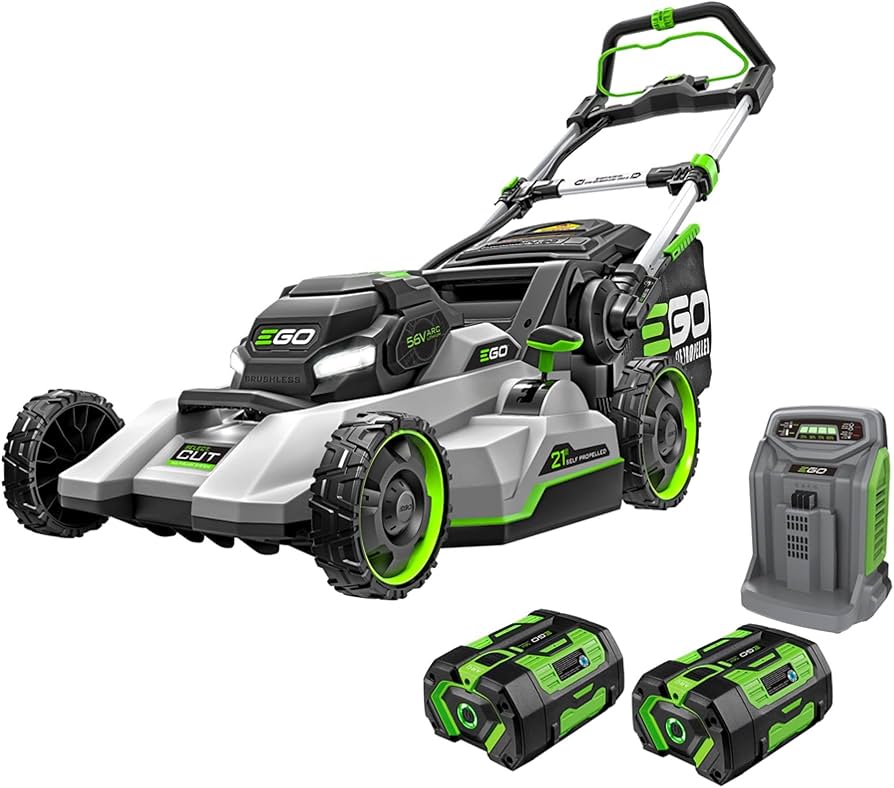 EGO POWER+ Electric Lawn Mower, Self-Propelled Cordless with Select Cut and Touch Drive, Includes (2) 56V 6.0Ah Batteries and Rapid Charger - LM2134SP-2 w/(2) 6.0Ah Batteries, Select Cut Rank #3 | — | 4.5 4.5 | |
PowerSmart Gas Lawn Mower 21-Inch 144cc OHV Engine 2-in-1 Push Mower with Bagging Rank #4 | — | 4.2 4.2 |
