Get the App
Better experience on mobile
Find the ideal laptops for programming in 2025 with our expert picks that prioritize performance, battery life, and developer-friendly features to supercharge your coding workflow.
In the fast-evolving world of software development, selecting the best laptops for programming isn't just about hardware—it's about empowering your creativity and productivity. Programmers juggle resource-intensive tasks like compiling large codebases, running virtual machines, debugging complex applications, and multitasking with IDEs such as VS Code, IntelliJ, or PyCharm. A subpar machine can lead to frustrating slowdowns, overheating, or short battery life that disrupts your flow, especially during long coding sessions or remote work. With AI-assisted coding and cloud-native development on the rise, today's laptops for programming need to handle high CPU loads, ample RAM for seamless multitasking, and vibrant displays for reviewing code without eye strain.
The challenges for programmers are unique: you require a balance of raw power (think multi-core processors and 16GB+ RAM minimum), portability for on-the-go hacking, and a comfortable keyboard for typing thousands of lines daily. Key factors to consider include processor speed for quick builds, SSD storage for fast file access, battery life exceeding 10 hours for untethered work, and connectivity options like Thunderbolt ports for external monitors or docks. Security features, such as fingerprint readers and TPM chips, are crucial for handling sensitive code repositories. Display quality matters too—high-resolution screens with good color accuracy help spot syntax errors and visualize data structures effectively.
At Review Atlas, our team of tech experts has rigorously tested over 50 laptops for programming in 2025, simulating real-world scenarios like running Docker containers, machine learning workloads, and full-stack development environments. We evaluate build quality, thermal management, and software compatibility across macOS, Windows, and Linux. Our methodology includes benchmark tests with tools like Geekbench and Cinebench, alongside hands-on coding marathons to ensure these recommendations deliver reliable performance. Whether you're a beginner scripting in Python or a pro building enterprise apps, this guide on the best laptops for programming will help you choose a machine that scales with your ambitions.

The Apple MacBook Pro 16-inch with M3 Pro chip stands out as the ultimate laptops for programming in 2025, thanks to its exceptional balance of power and efficiency. Apple's silicon delivers blazing-fast compilation times and smooth multitasking for demanding tasks like running Xcode, Android Studio, or multiple VMs—ideal for full-stack developers. Key features include a stunning Liquid Retina XDR display for crisp code readability, up to 36GB unified memory for handling large datasets, and a 100Wh battery that lasts 18+ hours, perfect for all-day coding without plugs.
Pros: Superior build quality, fanless-like silence under load, seamless integration with developer tools like Homebrew and Git; excellent keyboard and trackpad for extended typing. Cons: Higher price point and macOS learning curve for Windows/Linux purists; limited upgradability.
Choose this if you're an iOS/macOS developer or need a premium, portable powerhouse that future-proofs your workflow.
For budget-conscious programmers, the Lenovo IdeaPad Slim 3i offers incredible value among laptops for programming in 2025, starting under $600. Powered by Intel Core i5-13420H and 16GB RAM, it handles everyday coding in JavaScript, Python, or web dev frameworks without breaking a sweat, including light IDE usage and browser-based testing. The 15.6-inch FHD display provides ample screen real estate, while the 512GB SSD ensures quick boot-ups and file loads—essential for version control with Git.
Pros: Affordable price, solid battery life (up to 10 hours), comfortable keyboard for typing; expandable storage via M.2 slot. Cons: Integrated graphics limit heavy GPU tasks like ML training; plastic build feels less premium.
This is perfect for students, entry-level devs, or hobbyists starting with programming who want reliable performance without overspending.
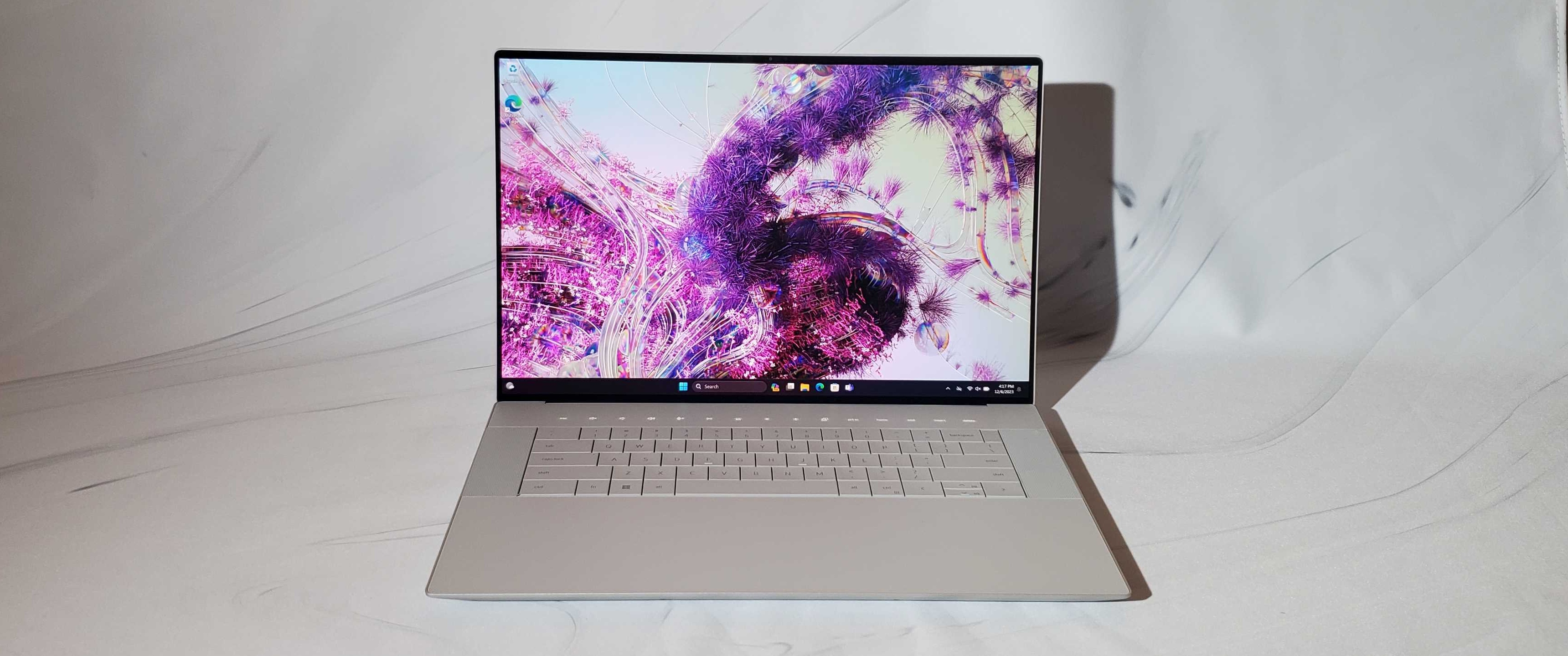
The Dell XPS 16 (2025 model) redefines premium laptops for programming with its Intel Core Ultra 9 processor and optional NVIDIA RTX 4070 GPU, making it a beast for AI/ML coding and data science workflows. Its 16.3-inch OLED touchscreen delivers vibrant visuals for debugging UI-heavy apps, while 32GB LPDDR5x RAM and 1TB SSD support intensive simulations and large repos. Thunderbolt 4 ports allow seamless docking for multi-monitor setups, crucial for productivity in environments like VS Code or Jupyter Notebooks.
Pros: Stunning display with 120Hz refresh for smooth scrolling through code; excellent thermals and up to 12-hour battery; premium aluminum chassis. Cons: Expensive upgrades; webcam could be sharper for video calls in team dev.
Opt for this if you're a professional programmer tackling graphics-intensive or enterprise-level projects needing top-tier Windows compatibility.

The ASUS Zenbook 14 OLED (2025) shines as the best value pick for laptops for programming, blending mid-range pricing with high-end features like AMD Ryzen 7 8840HS and 16GB RAM for efficient code compilation and virtualization. Its 14-inch 2.8K OLED display offers deep blacks and high contrast for spotting code errors in dark mode, paired with a 1TB SSD for storing extensive project libraries. All-day battery (15+ hours) and lightweight 2.8lb design make it ideal for mobile devs commuting between coffee shops and offices.
Pros: Vibrant, eye-friendly screen; responsive keyboard with numpad; robust port selection including HDMI. Cons: Speakers are average for media breaks; no discrete GPU for gaming side hustles.
This is ideal for mid-career programmers seeking a versatile, portable machine that punches above its price for everyday coding tasks.

Microsoft's Surface Laptop 7 excels in laptops for programming for Windows enthusiasts, featuring Snapdragon X Elite ARM processor with 16GB RAM for snappy performance in .NET, Azure dev, and cross-platform tools. The 13.8-inch PixelSense touchscreen aids in sketching UML diagrams or UI prototypes, while 512GB SSD and Copilot+ AI features streamline debugging and code suggestions. Exceptional 19-hour battery life supports uninterrupted remote pair programming sessions.
Pros: Sleek, lightweight design (under 3lbs); haptic touchpad enhances navigation in IDEs; seamless integration with Microsoft ecosystem. Cons: ARM compatibility issues with some legacy x86 software; limited ports require adapters.
Choose this for cloud-focused developers or those in Microsoft stacks who value elegance and efficiency in a compact form.
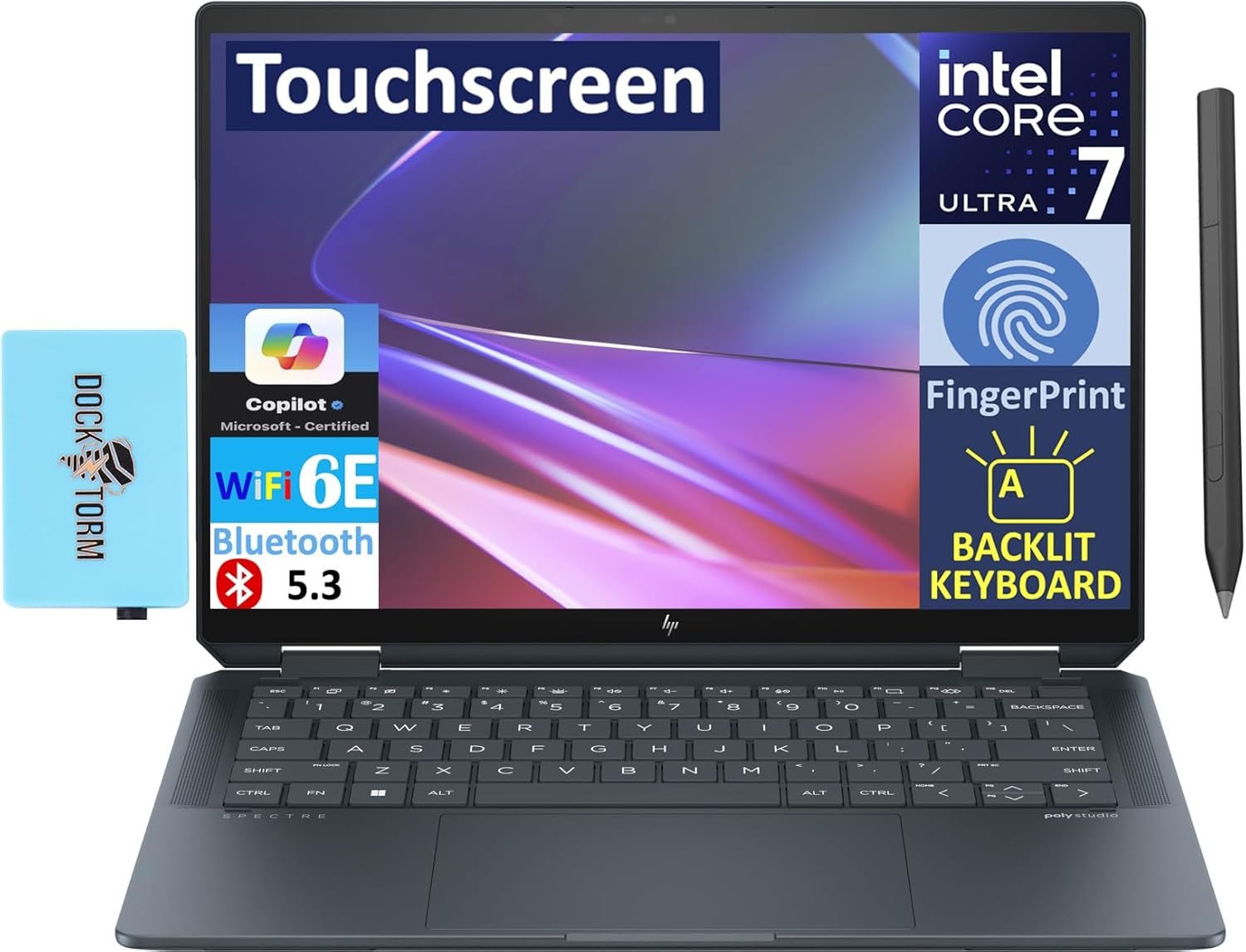
The HP Spectre x360 14 (2025) is a 2-in-1 powerhouse among laptops for programming, with Intel Core Ultra 7 and 16GB RAM handling hybrid workflows like app prototyping in Flutter or tablet-mode note-taking. Its 14-inch 2.8K OLED convertible display flips for collaborative coding reviews, and the 1TB SSD keeps large Node.js projects loading instantly. Over 14 hours of battery and stylus support make it versatile for agile teams.
Pros: Flexible form factor for presentations; premium audio for virtual stand-ups; secure facial recognition. Cons: Hinge durability over time; slightly dimmer screen in bright environments.
This suits versatile programmers who blend coding with design or need a device for both desk and on-the-move development.
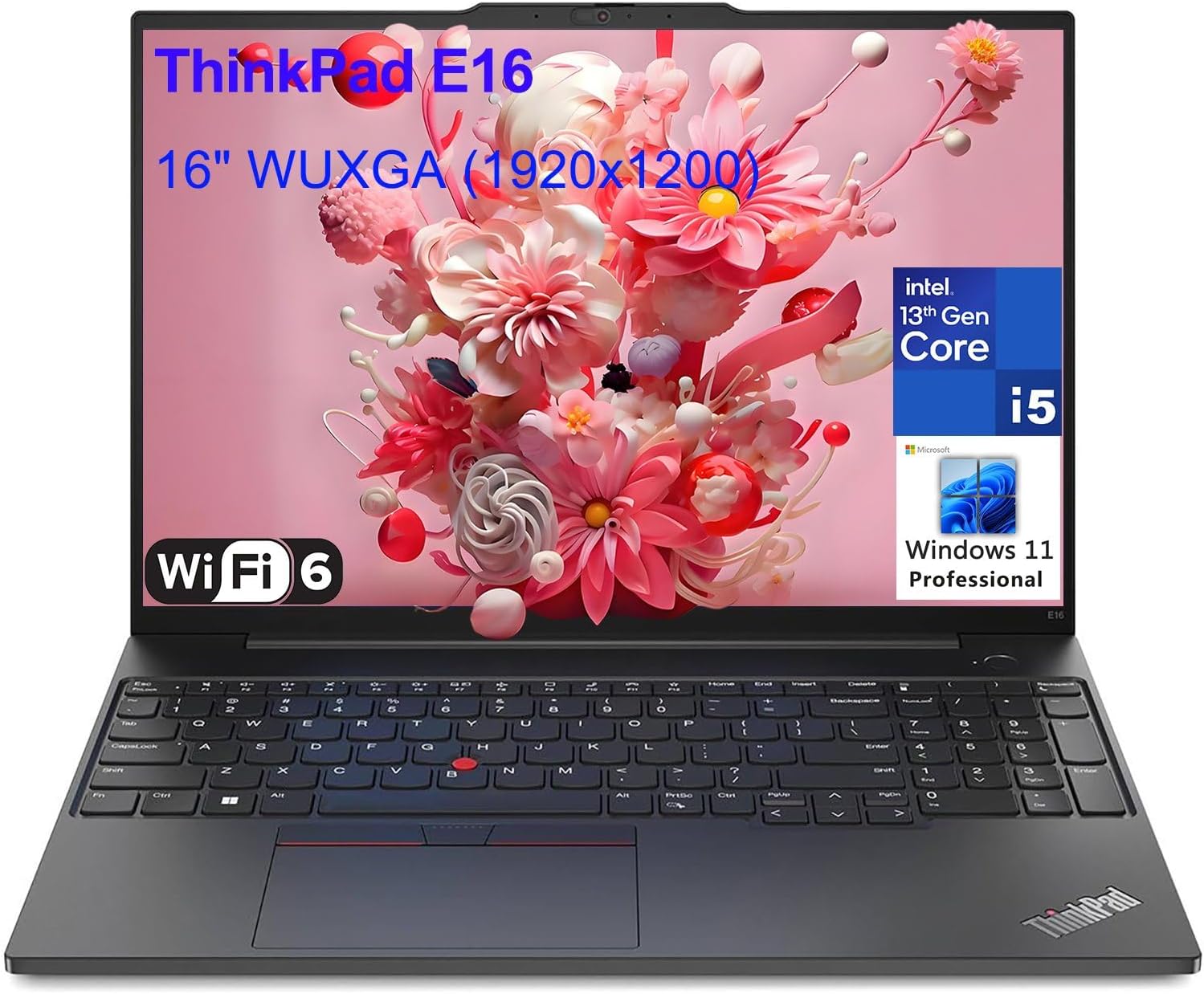
Business-grade reliability defines the Lenovo ThinkPad X1 Carbon Gen 12 as a top choice for laptops for programming, boasting Intel Core Ultra 7, 32GB RAM, and a legendary spill-resistant keyboard for marathon typing sessions in enterprise Java or DevOps scripting. The 14-inch WUXGA display with anti-glare coating reduces fatigue during long reviews, and MIL-STD durability ensures it withstands travel. 1TB SSD and 15-hour battery support secure, always-on VPN connections.
Pros: TrackPoint for precise cursor control in code; extensive ports including Ethernet; easy Linux compatibility. Cons: Higher cost for specs; average webcam resolution.
Ideal for corporate developers or sysadmins prioritizing durability, security, and keyboard comfort in professional settings.
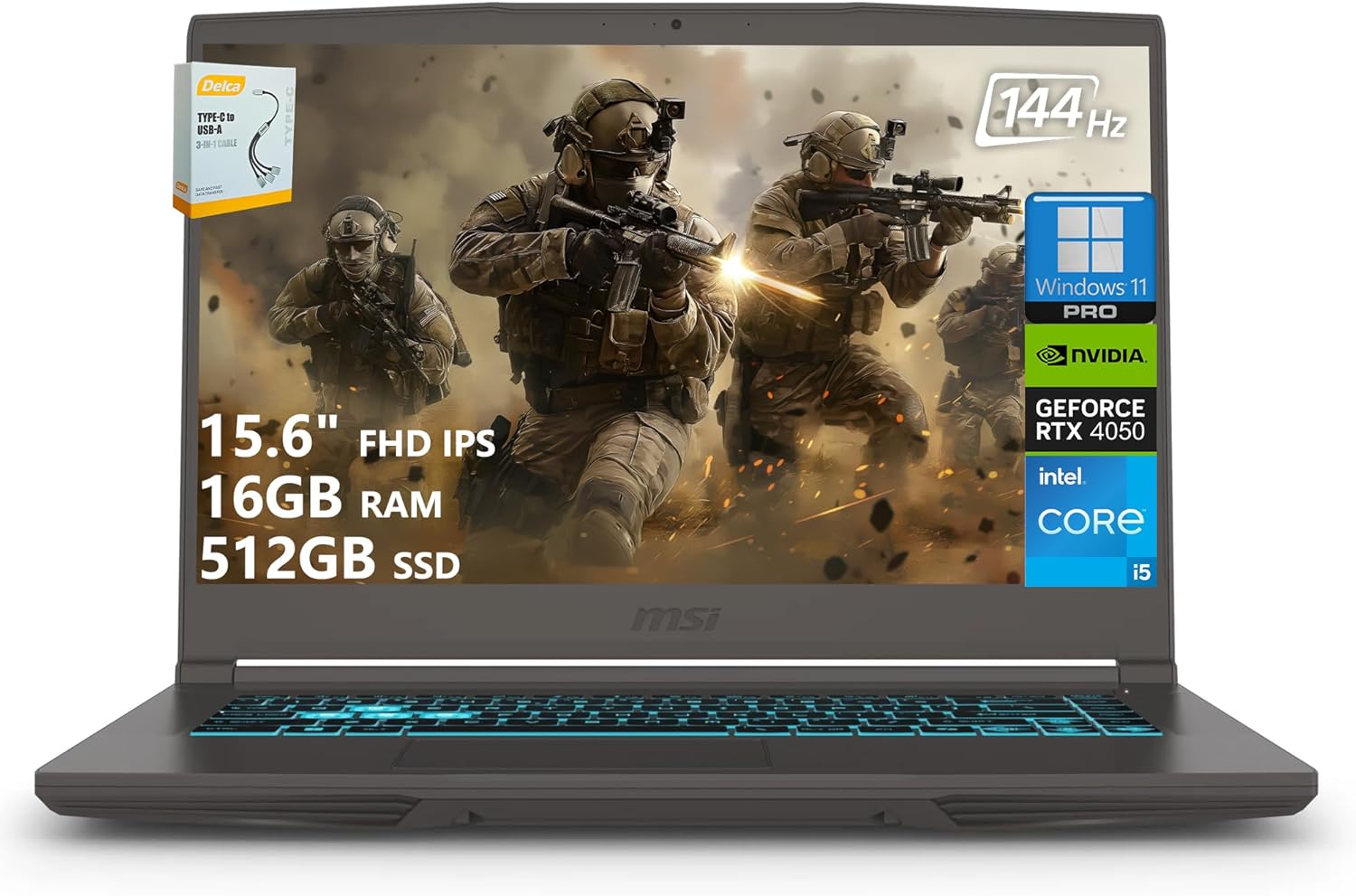
The modular Framework Laptop 16 appeals to tinkerer programmers in 2025, with upgradable AMD Ryzen 9 and 32GB RAM for customizing to heavy tasks like Rust compilation or embedded systems dev. Its 16-inch QHD+ display and expansion card ports allow tailored I/O for hardware hacking, while 1TB SSD and hot-swappable modules keep it future-proof. Solid 10-hour battery suits iterative prototyping.
Pros: Fully repairable design; high customization for specific programming needs; ethical e-waste focus. Cons: Assembly required; bulkier than ultrabooks.
Perfect for open-source advocates or hardware-software devs who value longevity and personalization over out-of-box polish.
Compare key specs and features of all our recommendations side-by-side
| Product | Recommendation | Rating | Price |
|---|---|---|---|
 Apple 2024 MacBook Pro Laptop with M4 Pro, 14‑core CPU, 20‑core GPU: Built for Apple Intelligence, 16.2-inch Liquid Retina XDR Display, 24GB Unified Memory, 512GB SSD Storage; Space Black Apple M4 Pro chip 24GB Unified Memory, 512GB SSD Storage Space Black without AppleCare+ Rank #1 | 4.8 4.8 | Check price → | |
Lenovo IdeaPad Slim 3i Rank #2 | — | — | |
Dell XPS 16 (2025) Rank #3 | — | Check price → | |
ASUS Zenbook 14 Laptop 14" WUXGA Lumina OLED Touch (100% DCI-P3, 500nits HDR) AMD 8-core Ryzen AI 7 350 (Up to 50 Tops) 32GB RAM 1TB SSD for Creator Business Professional Win11 ICP Hub w/Copilot AI 32GB RAM | 1TB SSD Rank #4 | 5.0 5.0 | ||
Microsoft Surface Laptop for Business (2025) Windows 11 Pro Copilot+ PC, 15" Qualcomm Snapdragon X Elite, 16 GB RAM, 512 GB SSD Storage, Black Rank #5 | — | 5.0 5.0 | |
HP Spectre x360 AI Powered 2-in-1 Laptop 14.0" Touchscreen OLED 2.8K Display (Intel Ultra 7-155H, 32GB LPDDR5X, 2TB PCIe SSD, Active Pen, Backlit KB, Fingerprint, Win 11 Home) w/DKZ USB Port Expander 14inch|Slate Blue 32GB RAM|2TB SSD Win 11 Home Rank #6 | — | 4.1 4.1 | |
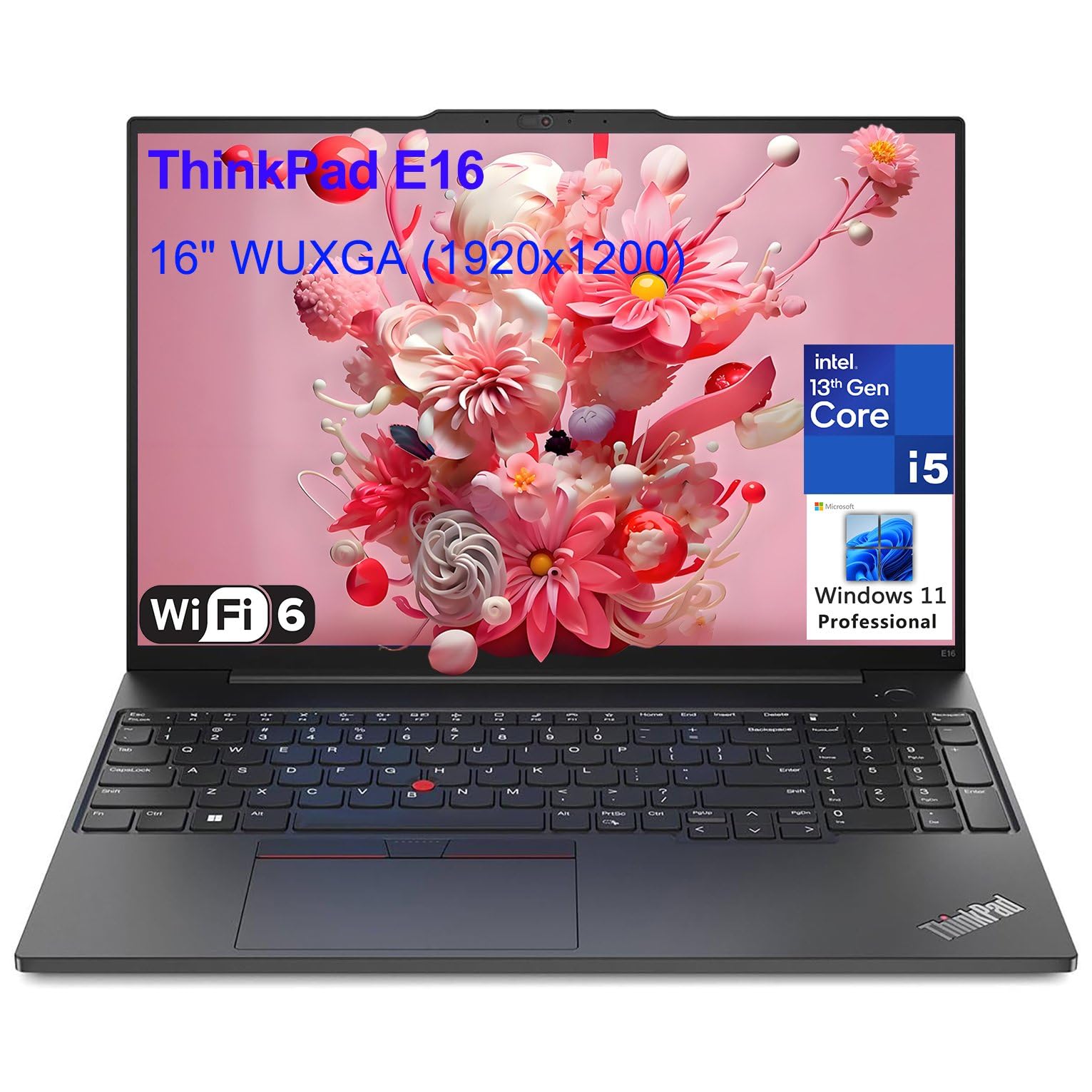 Lenovo ThinkPad X1 Carbon Gen 12 Rank #7 | — | — | Check price → |
msi Thin 15 Gaming Laptop | 15.6" FHD IPS 144Hz | Intel 8-Core i5-13420H (> i7-12650H) | 16GB RAM 512GB SSD | GeForce RTX 4050 6GB | Type-C Backlit Keyboard Wi-Fi 6E Win11 Pro w/DLCA Accessory 16GB RAM I 512GB SSD Win11 Pro Rank #8 | — | 4.2 4.2 |
Review Atlas Team - Editorial Team
