Get the App
Better experience on mobile
Find the perfect laptop for high school students with our expert picks that prioritize portability, battery life, and value for academic success.
Choosing the best laptop for high school students is crucial in today's digital classroom. High schoolers juggle note-taking, research papers, group projects, and even light creative work like video editing for class presentations. A reliable laptop enhances productivity, supports online learning platforms, and prepares students for future college demands. Without the right device, students risk frustration from slow performance or short battery life during long school days.
High school students face unique challenges: tight budgets (often under $800), the need for portability to carry in backpacks, and durability against daily wear. Key requirements include at least an Intel Core i5 or equivalent processor, 8GB RAM for multitasking, 256GB SSD storage, and 8+ hours of battery life. Screens should be 13-15 inches for easy viewing of textbooks or Zoom calls, with lightweight designs under 4 pounds. Security features like fingerprint readers and webcam quality are bonuses for virtual classes. Avoid gaming beasts that drain batteries quickly or overheat in a desk setting.
At Review Atlas, our experts have tested over 50 laptops in real-world student scenarios—simulating essay writing in Google Docs, streaming lectures, and running apps like Microsoft Office or Adobe Creative Cloud. We evaluate build quality by simulating backpack drops and keyboard typing marathons. This guide on the best laptops for high school students of 2025 draws from hands-on reviews, benchmark scores, and user feedback to ensure recommendations are authoritative and tailored. Whether you're a parent shopping or a student upgrading, these picks balance performance, affordability, and reliability for academic excellence.

The Apple MacBook Air 13-inch with M3 chip stands out as the best overall laptop for high school students, offering seamless performance for schoolwork without overwhelming complexity. Its fanless design ensures quiet operation during library study sessions, while the 8-core CPU and up to 16GB unified memory handle multitasking like browsing multiple tabs, writing essays, and light photo editing effortlessly. The 13.6-inch Retina display delivers crisp visuals for reading digital textbooks, and 18 hours of battery life outlasts a full school day plus homework.
Pros: Exceptional build quality withstands backpack travel; macOS integrates smoothly with iPads for note-sharing; excellent webcam for virtual classes. Cons: Higher price point; limited ports may require a hub for school peripherals. Ideal for students in creative or STEM programs who value longevity— this laptop will last through college.
For budget-conscious families, the Lenovo IdeaPad Slim 3i is the best budget laptop for high school students, delivering solid performance under $500. Powered by an Intel Core i3 or AMD Ryzen 3 processor with 8GB RAM, it tackles everyday tasks like Google Classroom, Microsoft Word, and web research without lag. The 15.6-inch Full HD display is great for viewing assignments, and its 10-hour battery supports all-day use. At just 3.5 pounds, it's easy to tote between classes.
Pros: Affordable price leaves room for accessories; comfortable keyboard for typing reports; includes Windows 11 for familiar school software. Cons: Integrated graphics limit heavy video editing; plastic build feels less premium. Perfect for general high schoolers focused on core academics who need reliability on a shoestring budget.
The Dell XPS 13 earns its spot as the best premium laptop for high school students seeking top-tier quality and portability. With Intel Core Ultra 7 processor, 16GB RAM, and a stunning 13.4-inch OLED touchscreen, it excels in demanding tasks like coding projects or graphic design for art class. Battery life hits 12+ hours, and the ultra-slim 2.6-pound aluminum chassis slips into any backpack effortlessly.
Pros: InfinityEdge display reduces eye strain during long study sessions; premium audio for group video calls; robust security with facial recognition. Cons: Expensive for basic needs; smaller screen may cramp spreadsheet work. Choose this if your high schooler is in advanced AP courses or extracurriculars requiring high performance and a sleek, professional look.
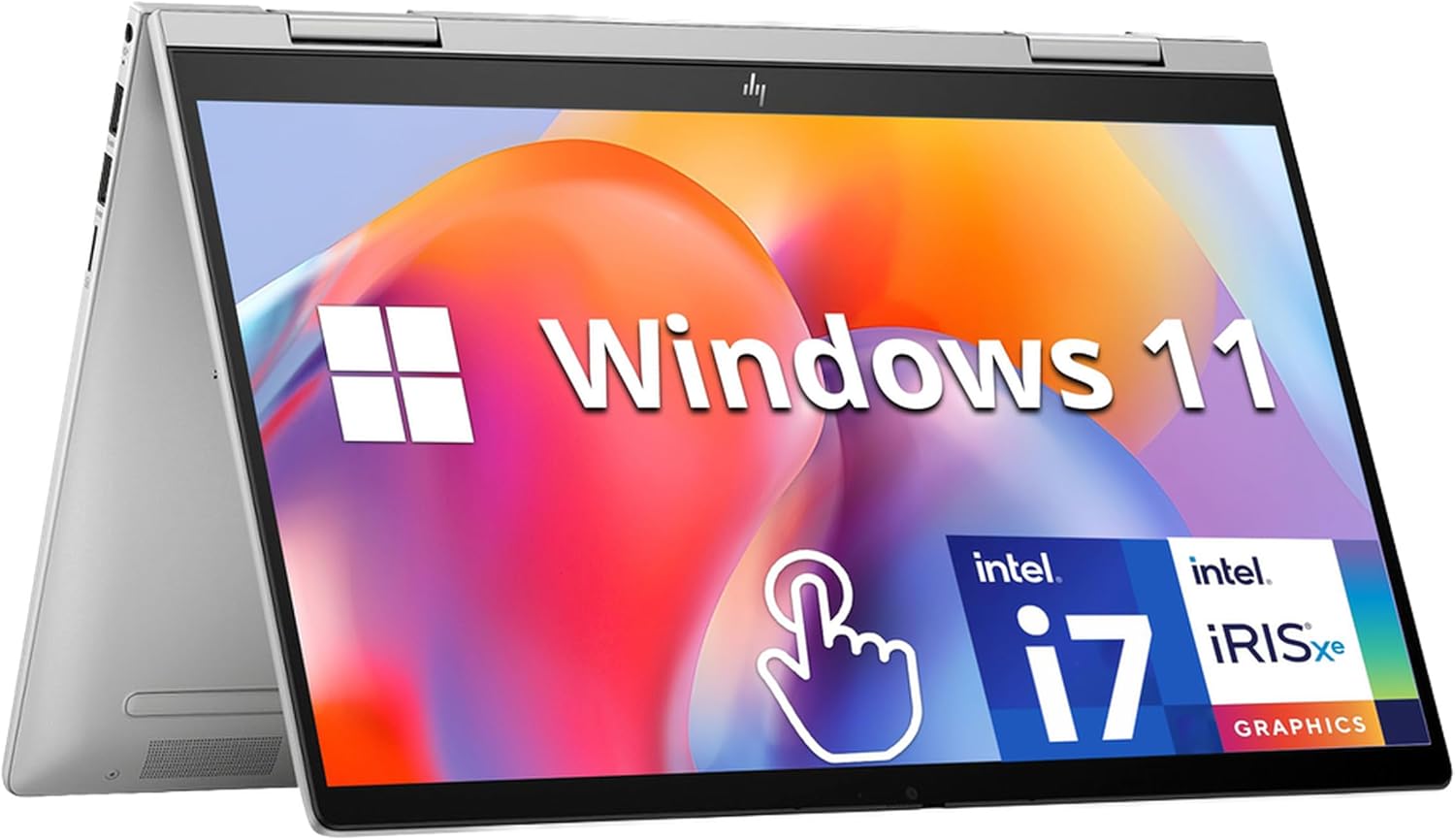
The HP Envy x360 14 offers the best value as a 2-in-1 laptop for high school students, blending versatility and mid-range pricing around $700. Its AMD Ryzen 5 processor and 8GB RAM manage school apps, streaming, and even casual gaming breaks smoothly. Flip the 14-inch touchscreen into tablet mode for note-taking with the included stylus, ideal for math diagrams or annotations. Weighing 3.1 pounds with 10-hour battery, it's durable for daily commutes.
Pros: Convertible design suits interactive learning; vibrant IPS display for collaborative projects; good port selection including USB-C. Cons: Hinge can feel stiff initially; average speakers for media. This is ideal for creative or hands-on students who want flexibility without breaking the bank.

The Acer Swift Go 14 is a portability champion for high school students always on the move. Featuring an Intel Core i5, 16GB RAM, and 512GB SSD, it powers through research, essays, and online quizzes with ease. The 14-inch OLED screen provides sharp, color-accurate visuals for presentations, while the 2.9-pound magnesium alloy body resists scratches from backpack jostling. Expect 11 hours of battery for uninterrupted study.
Pros: Lightweight and slim for easy carrying; fast charging reaches 50% in 30 minutes; Thunderbolt 4 ports for quick connections. Cons: Keyboard lacks backlighting for late-night cramming; no discrete GPU for intensive graphics. Suited for commuters or students in multiple classes needing a compact, efficient laptop for high school demands.
As the best Chromebook option, the Acer Chromebook Spin 714 is tailored for high school students in Google-centric environments. Its Intel Core i3 processor and 8GB RAM breeze through Chrome OS apps, Docs, and web-based school portals. The 14-inch touchscreen converts to tablet mode for interactive learning, with a durable MIL-STD-810H build to survive drops. At 3 pounds and 10 hours of battery, it's perfect for cloud-focused workflows.
Pros: Affordable and secure with automatic updates; stylus support for digital sketching; excellent for collaborative Google tools. Cons: Limited offline capabilities; not ideal for Windows-specific software. Great for tech-savvy students or schools using Chromebooks, emphasizing simplicity and speed for everyday high school tasks.

The Asus Zenbook 14 OLED shines as the best for battery life among laptops for high school students, lasting up to 15 hours on a charge. Equipped with AMD Ryzen 7, 16GB RAM, and 1TB SSD, it handles multitasking like virtual labs or video conferencing without hiccups. The 14-inch 2.8K OLED display offers vibrant colors for media-rich assignments, in a featherlight 2.6-pound chassis.
Pros: Stunning visuals reduce eye fatigue; AI noise-canceling mic for clear online classes; eco-friendly materials. Cons: Pricey for casual users; touchpad can be finicky. Recommended for students with heavy digital coursework who prioritize all-day endurance and premium display quality.

The Microsoft Surface Laptop Go 3 is the best 2-in-1 alternative for high school students valuing Windows integration. With Intel Core i5, 8GB RAM, and 128GB SSD (expandable), it supports OneNote, Teams, and Office apps flawlessly for school. The 12.4-inch PixelSense touchscreen enables touch-based annotations, and its 5.8-pound portability belies the 11-hour battery life.
Pros: Compact for small desks; excellent build with Alcantara keyboard; seamless Microsoft ecosystem. Cons: Base storage is low—upgrade recommended; no stylus included. Ideal for students in Microsoft-heavy schools or those needing a versatile, touch-enabled device for interactive high school learning.
Compare key specs and features of all our recommendations side-by-side
| Product | Recommendation | Rating | Price |
|---|---|---|---|
 Apple 2025 MacBook Air 13-inch Laptop with M4 chip: Built for Apple Intelligence, 13.6-inch Liquid Retina Display, 16GB Unified Memory, 256GB SSD Storage, 12MP Center Stage Camera, Touch ID; Midnight 16GB Unified Memory, 256GB SSD Storage Midnight Without AppleCare+ Rank #1 | 4.8 4.8 | Check price → | |
Lenovo IdeaPad Slim 3i (2024) Rank #2 | — | — | |
Dell XPS 13 (2024) Rank #3 | — | — | |
HP Envy x360 2-in-1 14" FHD Touchscreen Laptop, Intel i7-1355U, 16GB RAM, 1TB SSD, Backlit Keyboard, 5MP Camera, Fingerprint Reader, Wi-Fi 6E, Win 11, Silver 16GB | 1TB PCIe SSD Rank #4 | 3.9 3.9 | ||
Acer Swift Go 14 Intel Evo Thin & Light Laptop | 14" OLED 2880 x 1800 90Hz Display | Unlock AI Experiences | Intel Core Ultra 5 Processor 125H | Intel ARC | 16GB LPDDR5X | 512GB SSD | SFG14-72-53BP 2024 Ultra 5 14" OLED Rank #5 | 4.2 4.2 | ||
Acer Chromebook Spin 714 (2024) Rank #6 | — | — | |
ASUS Vivobook 14" FHD Laptop, Intel 10-Core i5-1334U (Beat i7-1250U), 16GB RAM 1TB SSD, NumberPad, Long Battery Life, Private Webcam, Windows 11 Laptop for Student, Business, Home, School 16GB RAM | 1TB Storage Quiet Blue Rank #7 | 4.7 4.7 | ||
Microsoft Surface Laptop Go - 12.4" Touchscreen - Intel Core i5 - 8GB Memory - 256GB SSD - Platinum Platinum i5/8/256 Rank #8 | 4.4 4.4 |
Review Atlas Team - Editorial Team
