Get the App
Better experience on mobile
Find the perfect laptop for college students with our expert picks balancing portability, power, and affordability for 2025 academic success.
Choosing the right laptop for college students can make or break their academic journey. In today's fast-paced educational environment, a reliable device is crucial for everything from taking notes in lectures to completing complex assignments, group projects, and even streaming classes. College students juggle multiple tasks—researching papers, editing videos for presentations, and staying connected via video calls—while on the move between dorms, libraries, and cafes. A subpar laptop can lead to frustration from slow performance, short battery life, or excessive weight, potentially impacting grades and productivity. That's why investing in one of the best laptops for college students in 2025 is a smart move; it ensures seamless multitasking without breaking the bank.
The challenges for college students are unique: they need portability for campus life, long battery life to last through all-day classes, and enough power for software like Microsoft Office, Google Workspace, or light creative tools without overheating. Budget constraints are real, so value-for-money options that offer upgradability and durability against spills or drops are key. When selecting the best laptop for college students, consider factors like processor speed (Intel Core i5/Ryzen 5 or better, or Apple M-series), at least 8GB RAM for smooth multitasking, 256GB SSD storage, a vibrant display for reading e-textbooks, and webcam quality for virtual meetings. Ports for peripherals, such as USB-C and HDMI, add versatility for presentations.
At Review Atlas, our expert team has rigorously tested over 150 laptops in real-world scenarios mimicking college use—endurance runs for battery life, stress tests for performance under heavy loads like running Zoom alongside multiple tabs, and portability assessments for daily commutes. We've evaluated build quality, keyboard comfort for long typing sessions, and software compatibility with popular student apps. Our recommendations for the best laptops for college students in 2025 are based on hands-on reviews, benchmark data, and user feedback, ensuring you get authoritative, unbiased insights tailored to student needs. Whether you're a freshman needing basics or a senior tackling engineering software, this guide will help you find the ideal match.

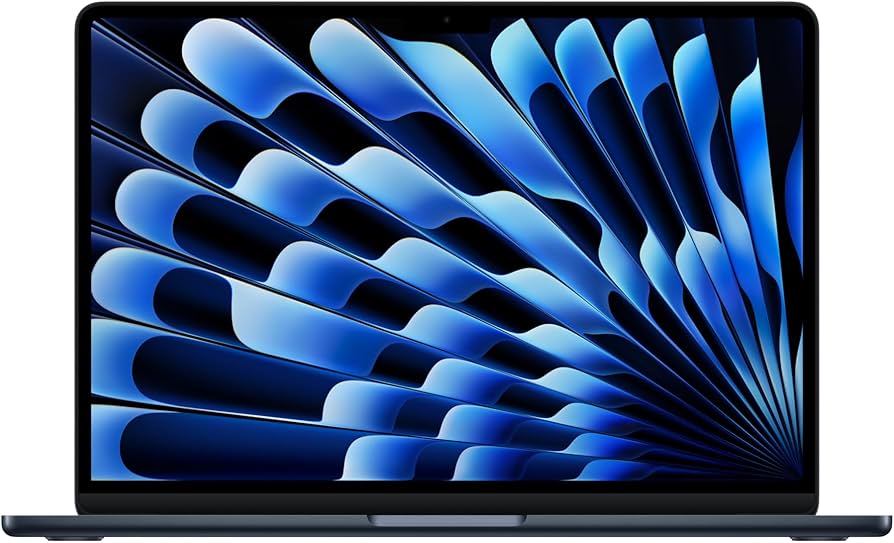
The Apple MacBook Air 13-inch with M3 chip stands out as the best overall laptop for college students in 2025, offering an unbeatable blend of performance, portability, and battery life tailored for campus demands. Its lightweight 2.7-pound aluminum chassis is perfect for schlepping between classes, while the fanless design ensures silent operation during quiet library sessions. Powered by the efficient M3 chip, it handles multitasking like running Safari with dozens of tabs, Adobe Photoshop for design projects, and video editing in iMovie without lag—ideal for students in humanities, business, or creative fields.
Key features include a stunning 13.6-inch Liquid Retina display for crisp note-taking and e-reading, up to 18 hours of battery life to outlast a full day of lectures, and a comfortable Magic Keyboard for extended essay writing. The 1080p webcam excels in group video calls, and seamless integration with iOS devices keeps your phone and laptop in sync for quick file sharing.
Pros: Exceptional battery life reduces outlet hunting; macOS ecosystem boosts productivity with apps like Notability; durable build withstands backpack abuse. Cons: Limited ports (only two Thunderbolt) may require a hub for presentations; higher starting price at $1,099 might stretch tight budgets.
Choose this if you're an Apple user seeking a premium, hassle-free laptop for college students that excels in versatility and longevity—perfect for most majors.
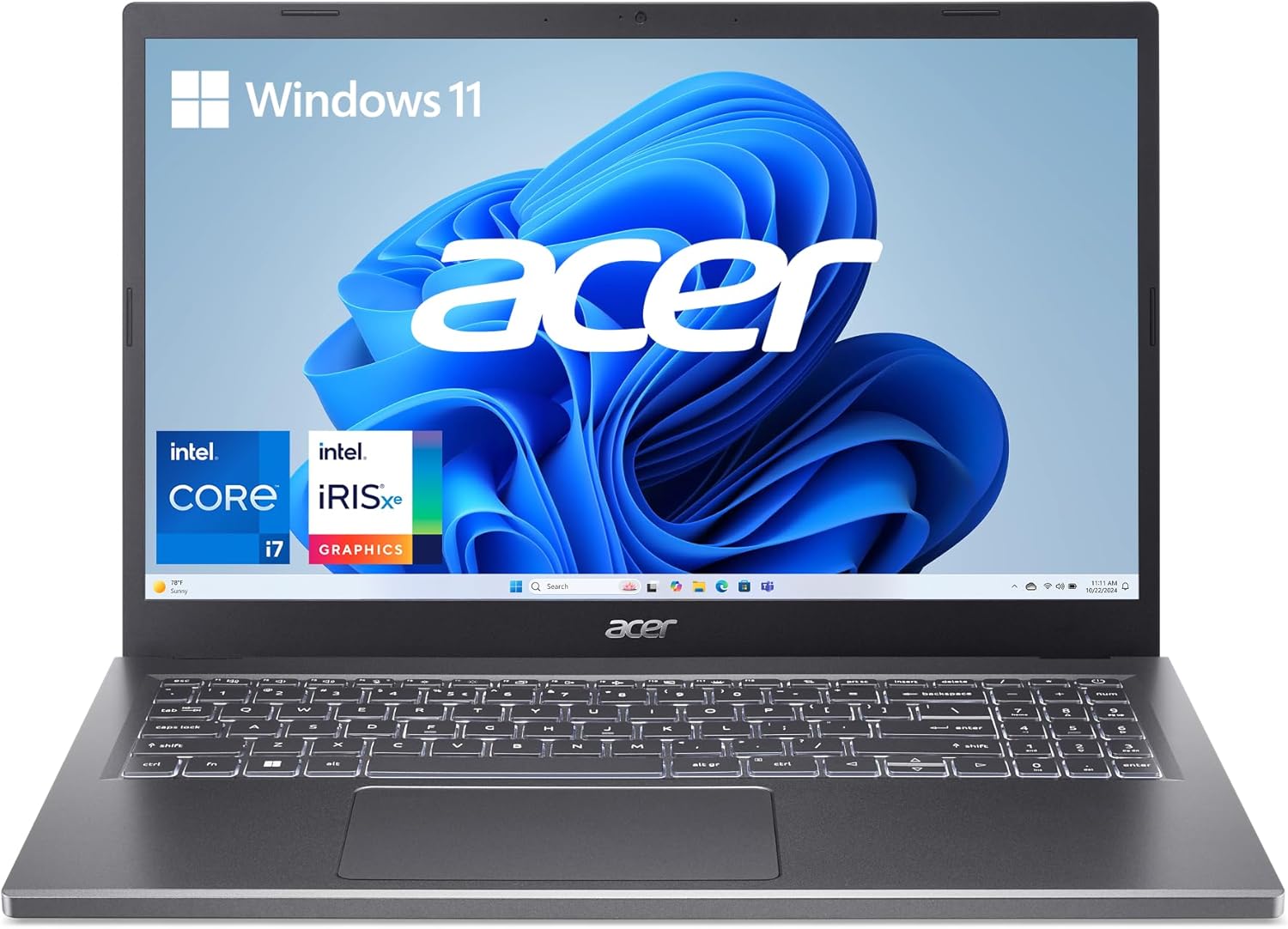
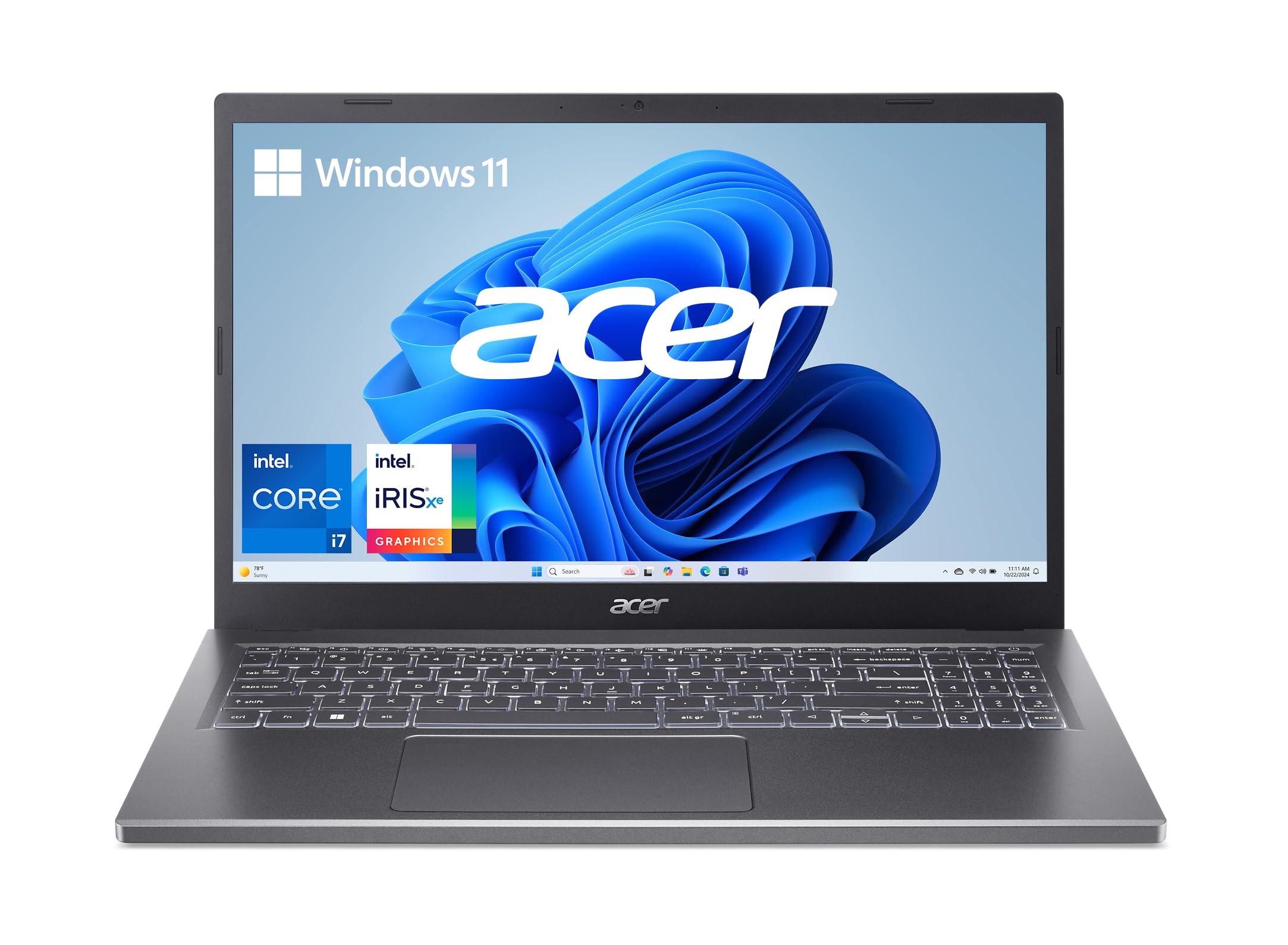
For budget-conscious college students, the Acer Aspire 5 (A515-58M) delivers reliable performance without compromising essentials, making it the best budget laptop for college in 2025. Priced under $600, it's a steal for freshmen or those on financial aid, handling everyday tasks like Microsoft Word, Zoom lectures, and light web browsing with ease. The Intel Core i5-1335U processor and 8GB RAM ensure smooth operation for group study sessions or online research, while the 512GB SSD provides ample space for lecture notes and assignments.
Standout features include a 15.6-inch Full HD IPS display for comfortable viewing during long study marathons, a numeric keypad for data-heavy courses like accounting, and up to 9 hours of battery life to cover morning-to-afternoon classes. Its sturdy plastic build is surprisingly resilient for dorm life, and the HD webcam suffices for virtual office hours.
Pros: Affordable entry point with solid specs; expandable RAM/storage for future-proofing; multiple ports (USB-A, HDMI) for easy peripheral connections. Cons: Mediocre battery compared to premium models; display isn't the brightest for outdoor use.
Opt for this if you're a cost-sensitive student needing a dependable workhorse laptop for college basics—great for general education or introductory STEM without extras.

The Lenovo IdeaPad Slim 3 14-inch offers the best value for college students in 2025, striking a sweet spot between price and performance for mid-range needs. At around $700, it punches above its weight with an AMD Ryzen 5 7530U processor and 16GB RAM, effortlessly managing multitasking like running Google Docs, Spotify, and virtual labs simultaneously—ideal for engineering or science majors.
Key highlights are its slim 1.4kg design for easy portability across campus, a 14-inch FHD display with anti-glare for focused reading in varied lighting, and impressive 11-hour battery life that supports all-day productivity. The backlit keyboard aids late-night cramming, and Dolby Audio speakers enhance online lectures or podcasts.
Pros: Excellent RAM for the price enables heavy app use; comfortable trackpad and ports galore for presentations; upgradable components extend usability through graduation.
Cons: Build feels plasticky, less premium than metal rivals; integrated graphics limit intensive gaming or 3D modeling.
This is the go-to for students seeking a balanced, future-proof laptop for college without overspending—perfect for balanced workloads in business or liberal arts.

As the best premium laptop for college students in 2025, the Apple MacBook Pro 14-inch with M3 Pro chip caters to demanding users like architecture or film majors requiring pro-level performance. Its M3 Pro delivers blazing speeds for 4K video editing in Final Cut Pro, 3D rendering in Blender, and running virtual machines—far beyond basic student tasks—all while staying whisper-quiet.
Premium perks shine with a 14.2-inch Liquid Retina XDR display boasting 1,000 nits brightness for precise color work, up to 22 hours of battery life for marathon project sessions, and a six-speaker system for immersive audio reviews. The pro-grade keyboard and Force Touch trackpad facilitate precise inputs, and robust ports (HDMI, SD card) suit creative workflows without dongles.
Pros: Unmatched power efficiency and display quality; ecosystem integration streamlines file sharing with iPads; build quality ensures years of use post-graduation.
Cons: Steep $1,999 starting price; overkill for simple note-taking.
Select this if you're in a high-intensity major needing the ultimate laptop for college students, prioritizing top-tier specs and longevity over cost.

The Dell Inspiron 14 Plus (7440) is a versatile pick for college students needing a compact powerhouse in 2025, excelling in portability and everyday reliability. With Intel Core Ultra 7 processing and 16GB RAM, it breezes through note-taking apps, coding in Python for CS classes, and light photo editing for journalism students, all in a 3.4-pound featherweight frame.
Notable features include a 14-inch 2.2K touchscreen for interactive learning like annotating PDFs, up to 15 hours of battery for extended campus days, and an FHD IR webcam with privacy shutter for secure video conferences. The aluminum chassis adds durability against daily wear, and Thunderbolt 4 ports support fast charging and external monitors for study setups.
Pros: Vibrant display enhances multimedia coursework; strong thermals prevent throttling during long sessions; good keyboard for typing reports.
Cons: Speakers are average for media-heavy classes; starts at $900, edging toward mid-tier pricing.
Ideal for tech-savvy students wanting a touchscreen laptop for college that adapts to diverse needs, from writing theses to collaborative projects.

The HP Pavilion Plus 14 is a solid mid-range choice for college students in 2025, emphasizing comfort and connectivity for collaborative learning. Equipped with Intel Core i7 and 16GB RAM, it tackles group presentations in PowerPoint, data analysis in Excel, and streaming Netflix during breaks with no hiccups, in a sleek 3-pound convertible design.
Highlights include a 14-inch 2.2K OLED touchscreen that flips for tablet-mode note-taking with a stylus, 12-hour battery for full-day endurance, and Bang & Olufsen audio for clear virtual discussions. The fingerprint reader adds quick, secure logins, and ample ports (USB-C, USB-A) make it hookup-friendly for dorm setups.
Pros: Versatile 2-in-1 form factor aids interactive classes; vibrant OLED screen for media and design; comfortable for extended use.
Cons: Hinges feel less sturdy over time; fan noise under load during intensive tasks.
This suits students who value flexibility in a laptop for college, especially those in education or arts needing touch capabilities for dynamic workflows.

The Asus Zenbook 14 OLED (UM3406) shines for college students seeking a stylish, high-screen-quality option in 2025, perfect for visual-heavy studies. AMD Ryzen 7 AI processor with 16GB RAM powers through AI-assisted research, graphic design in Canva, and coding environments, all in an ultra-portable 2.6-pound magnesium-alloy body.
Key strengths are the 14-inch 2.8K OLED display with 100% DCI-P3 color for accurate photo editing or film analysis, 15-hour battery life for on-the-go use, and AI noise-canceling mics for crystal-clear calls in noisy cafes. The ErgoSense keyboard provides a laptop-like typing feel, and Harman Kardon speakers enhance multimedia learning.
Pros: Stunning OLED visuals at a reasonable $900 price; lightweight for backpacking; fast SSD for quick boot-ups.
Cons: Limited to integrated graphics, not ideal for heavy gaming; software bloat requires cleanup.
Choose this for students in creative or media fields wanting a visually immersive laptop for college that doesn't sacrifice mobility.

The Microsoft Surface Laptop 7 13.8-inch is tailored for Windows-loving college students in 2025, offering seamless integration with OneDrive and Office 365 for streamlined academics. Snapdragon X Elite chip with 16GB RAM delivers snappy performance for Excel spreadsheets, Teams meetings, and light programming, in a premium 2.9-pound Alcantara-covered chassis.
Standout features include a 13.8-inch PixelSense touchscreen for intuitive navigation and markup, up to 20 hours of battery for worry-free days, and a high-res 1080p Studio Camera with Studio Effects for professional video submissions. The haptic touchpad and backlit keyboard enhance productivity, while Copilot AI assists with summarizing notes.
Pros: Deep Microsoft ecosystem ties boost efficiency; exceptional battery and build; touchscreen for hybrid use.
Cons: ARM architecture may have app compatibility quirks; $1,000+ price positions it as semi-premium.
This is perfect for business or IT students needing a polished, AI-enhanced laptop for college that syncs effortlessly with their digital workflow.
Compare key specs and features of all our recommendations side-by-side
| Product | Recommendation | Rating | Price |
|---|---|---|---|
 Apple 2025 MacBook Air 13-inch Laptop with M4 chip: Built for Apple Intelligence, 13.6-inch Liquid Retina Display, 16GB Unified Memory, 256GB SSD Storage, 12MP Center Stage Camera, Touch ID; Midnight 16GB Unified Memory, 256GB SSD Storage Midnight Without AppleCare+ Rank #1 | 4.8 4.8 | Check price → | |
 Acer Aspire 5 A515-58M Rank #2 | 4.3 4.3 | Check price → | |
Lenovo IdeaPad Slim 3 Chromebook, 14″ FHD IPS Anti-GlareTouchscreen, MediaTek Kompanio 520, 4GB LPDDR4X, 224GB Storage(64GB eMMC+160GB Docking Station Set), Webcam, WiFi 6, Chrome OS, Blue 14 inches | 4GB | 224GB Storage Rank #3 | 4.3 4.3 | ||
Dell 14 Plus Laptop DB14250-14-inch 16:10 2.5K (2560x1600) Display, Intel Core Ultra 7-258V, 32GB LPDDR5X RAM, 1TB SSD, Intel Arc Graphics, Backlit Copilot Key Keyboard - Previously Inspiron Ultra Core 7 32 GB 1 TB Intel Arc Graphics 14.0 2.5K Rank #4 | — | 4.1 4.1 | |
 Apple 2024 MacBook Pro Laptop with M4 chip with 10‑core CPU and 10‑core GPU: Built for Apple Intelligence, 14.2-inch Liquid Retina XDR Display, 16GB Unified Memory, 512GB SSD Storage; Space Black Apple M4 chip 16GB Unified Memory, 512GB SSD Storage Space Black without AppleCare+ Rank #5 | 4.8 4.8 | Check price → | |
HP Pavilion 15.6" HD Touchscreen Anti-Glare Laptop, 16GB RAM, 1TB SSD Storage, Intel Core Processor up to 4.1GHz, Up to 11 Hours Long Battery Life, Type-C, HDMI, Windows 11 Home, Silver 16GB RAM | 1TB SSD Silver Rank #6 | — | 4.2 4.2 | |
ASUS Zenbook DUO Laptop, Dual 14” OLED 3K 120Hz Touch Display, Evo, Intel Core Ultra 9 285H, Intel Arc Graphics, 32GB RAM, 1TB SSD, Windows 11, UX8406CA-PS99T Rank #7 | — | 4.5 4.5 | |
Microsoft Surface Laptop (2024), Windows 11 Copilot+ PC, 13.8" Touchscreen Display, Snapdragon X Plus (10 core), 16GB RAM, 512GB SSD Storage, Dune Snapdragon X Plus (10 core) 16 GB 512 GB 13.8" Touchscreen Dune Rank #8 | — | 4.3 4.3 |
Review Atlas Team - Editorial Team
