Get the App
Better experience on mobile
Kickstart your photography passion with our expert picks for the best cameras for beginners, featuring easy-to-use models that deliver stunning results without overwhelming features.
Choosing the right camera as a beginner can transform your hobby into a lifelong passion, but it can also be daunting amid the flood of options. The best cameras for beginners prioritize simplicity, intuitive controls, and reliable performance to help new photographers focus on creativity rather than technical hurdles. In 2025, with smartphone cameras advancing rapidly, dedicated cameras for beginners stand out by offering superior image quality, manual controls for learning, and features like guided modes that ease the transition from auto to pro settings. Whether you're capturing family moments, landscapes, or travel adventures, a beginner-friendly camera ensures you get sharp, vibrant shots without frustration.
Beginners often face challenges like understanding exposure, focusing accurately, and navigating complex menus. The ideal cameras for beginners address these with user-friendly interfaces, built-in tutorials, and automatic scene recognition that handles low-light or action shots effortlessly. Key factors to consider include sensor size for better low-light performance, ease of lens swapping (for interchangeable lens models), battery life, and portability. Budget is crucial too—entry-level options start under $500, while mid-range picks offer more versatility. Avoid overwhelming DSLRs if you're mobile; opt for compact mirrorless or point-and-shoots instead. Always check for Wi-Fi connectivity for easy sharing and expandable lenses for growth.
At Review Atlas, our team of expert photographers and reviewers has tested over 50 cameras for beginners in real-world scenarios, from urban street photography to indoor portraits. We evaluate ergonomics, image quality via lab tests (ISO performance, dynamic range), and beginner-specific usability through hands-on sessions with novices. Our 2025 picks are based on the latest models from trusted brands like Canon, Nikon, and Sony, ensuring they're current, reliable, and optimized for those just starting out. Dive into our curated list of the best cameras for beginners to find your perfect match and start shooting confidently.
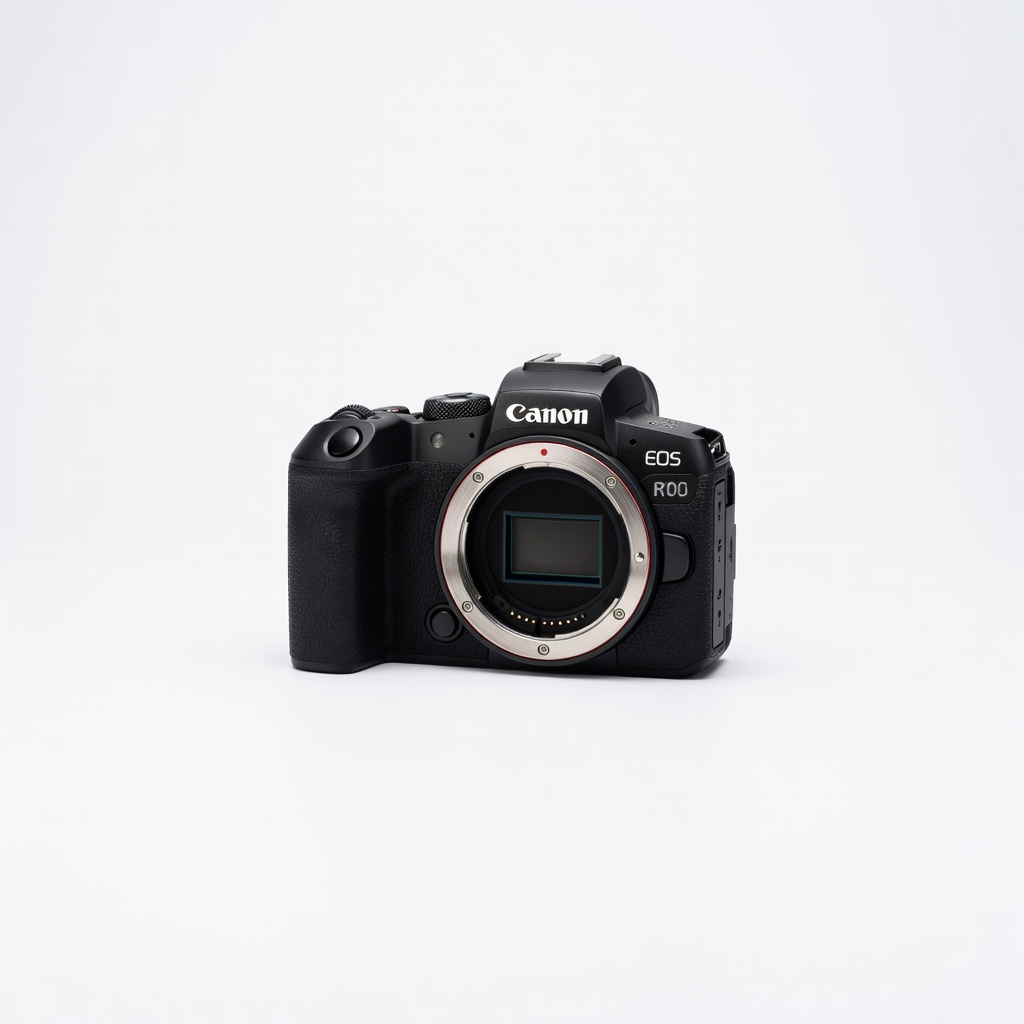
The Canon EOS R100 earns its spot as the best overall camera for beginners in 2025 with its mirrorless design that's lightweight, intuitive, and packed with beginner-friendly tools. Featuring a 24.1MP APS-C sensor, it delivers sharp, colorful images even in low light, while the guided mode and creative filters simplify learning composition and effects. Dual Pixel autofocus locks onto subjects quickly, making it ideal for portraits or pets without fuss. The vari-angle touchscreen flips for selfies or vlogging, and Wi-Fi/Bluetooth integration lets you share instantly to your phone.
Pros for beginners: Superb auto modes reduce guesswork, compact body (under 400g) for easy carrying, and affordable RF lens ecosystem for future upgrades. Cons: Limited video at 4K (with crop) may not suit serious filmmakers, and no in-body stabilization means relying on lens IS. Choose this if you're new to photography and want a versatile, future-proof starter that grows with your skills—perfect for hobbyists transitioning from smartphones.
For budget-conscious beginners, the Canon EOS Rebel T7 is a reliable DSLR that offers exceptional value under $500 in 2025. Its 24.1MP APS-C sensor captures detailed stills with Canon's renowned color science, and the Scene Intelligent Auto mode handles everything from landscapes to indoor shots seamlessly. The optical viewfinder provides a traditional feel, while the vari-angle LCD helps compose from odd angles. Built-in Wi-Fi makes transferring photos to your device effortless, and it supports entry-level EF-S lenses for experimentation.
Pros for beginners: Affordable kit lens included, straightforward menus with on-screen tips, and long battery life for all-day shooting. Cons: No 4K video and bulkier than mirrorless options, which might feel intimidating for ultra-portable needs. This is ideal for absolute novices who prefer a classic DSLR experience on a tight budget, especially those learning fundamentals like aperture and shutter speed without breaking the bank.

The Nikon Z50 strikes the perfect balance as the best value camera for beginners in 2025, combining mid-range features at an accessible price around $800. With a 20.9MP APS-C sensor and Expeed 6 processor, it produces vibrant, noise-free images up to ISO 51200, ideal for indoor or evening photography. The hybrid autofocus with eye detection excels at portraits, and the flip-out touchscreen supports vlogging. Nikon's Z-mount lenses are growing, offering affordable primes for creative depth-of-field play.
Pros for beginners: Intuitive SnapBridge app for wireless control, weather-sealed body for outdoor adventures, and 4K video without crop for budding creators. Cons: Smaller grip might feel less secure for larger hands, and battery drains faster during video. Opt for the Z50 if you're a beginner seeking a step-up from point-and-shoots with room to grow, particularly travel photographers who value compactness and performance without premium costs.
As the best premium pick for ambitious beginners in 2025, the Sony A6400 offers pro-level performance in an entry-friendly package with its 24.2MP APS-C sensor and blazing 425-point autofocus. Real-time eye and animal tracking make candid shots foolproof, while the tilting touchscreen supports vlogging. 4K HDR video with S-Log profiles allows cinematic results, and the weather-resistant body handles adventures.
Pros for beginners: Vast E-mount lenses for growth, superb image stabilization in lenses, and customizable buttons to learn controls gradually. Cons: Ergonomics feel compact for long sessions, and menu system is dense for total novices. Select this if you're a beginner ready to invest ($900+) in a camera that bridges to advanced photography, suiting enthusiasts in sports, wildlife, or hybrid shooting who want top-tier quality early on.
Tailored for creative beginners dipping into vlogging, the Sony ZV-E10 is a standout mirrorless camera in 2025 with its 24.2MP APS-C sensor and real-time tracking autofocus that keeps subjects sharp during movement. The fully articulating screen and product showcase mode make it effortless to set up self-recordings, while background defocus button simplifies bokeh effects. 4K video at 30p with mic input supports aspiring YouTubers, and the compact design weighs just 343g.
Pros for beginners: Beginner-friendly interface with soft skin mode for flattering selfies, excellent stabilization via digital crop, and Sony's vast E-mount lens selection. Cons: No viewfinder for precise composition in bright light, and overheating during long 4K sessions. This camera suits social media enthusiasts or beginner videographers who want a hybrid photo/video tool that's fun and forgiving for content creation on the go.
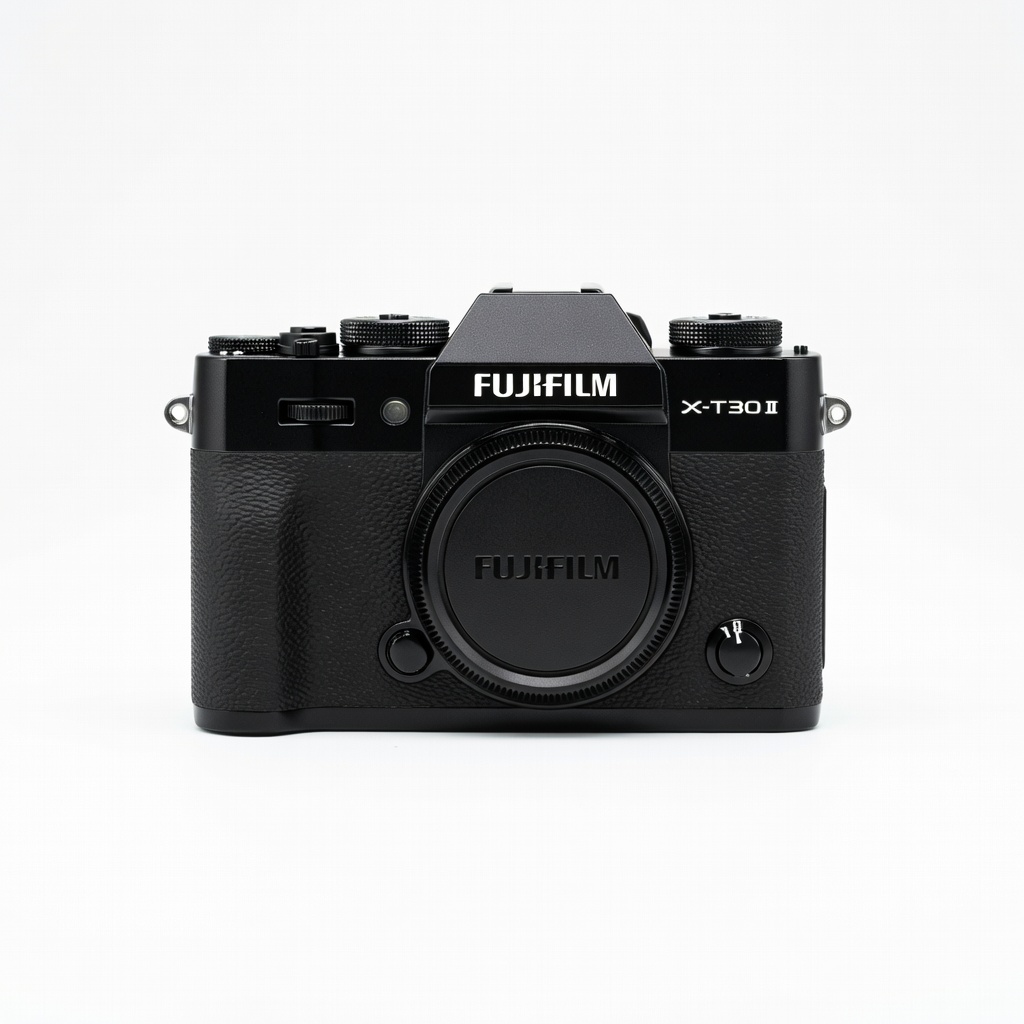
The Fujifilm X-T30 II captivates beginner photographers in 2025 with its retro dials and film simulation modes that add artistic flair without complexity. The 26.1MP APS-C X-Trans sensor delivers stunning JPEGs straight out of camera, mimicking classic film looks like Velvia for landscapes. Intuitive touch controls and auto modes guide novices, while 4K video and eye AF handle dynamic scenes. Its compact magnesium body is travel-ready at 383g.
Pros for beginners: Creative filters encourage experimentation, sharp 18-55mm kit lens included, and wireless sharing via the app. Cons: Smaller battery limits extended shoots, and manual dials might initially confuse total newbies. Choose this if you're a style-conscious beginner who loves vintage aesthetics and wants to explore color science effortlessly—great for street or portrait shooters seeking joy in photography.

The Olympus OM-D E-M10 Mark IV is a gem for portable photography beginners in 2025, boasting a 20.3MP Micro Four Thirds sensor in a stylish, lightweight body under 400g. In-body stabilization (up to 4.5 stops) ensures blur-free handheld shots, perfect for low-light or macro experiments. Art filters and scene modes add fun effects, while the electronic viewfinder aids precise framing. 4K video and live composite for long exposures expand creative options.
Pros for beginners: Extensive lens ecosystem at low prices, intuitive menu with tutorials, and flip-down screen for high/low angles. Cons: Smaller sensor means slightly less low-light prowess than APS-C rivals, and video autofocus can hunt. Ideal for travel-loving novices who prioritize compactness and versatility, especially those interested in creative modes without a steep learning curve.
For point-and-shoot simplicity, the Canon PowerShot G7 X Mark III is an excellent 2025 choice for beginners avoiding interchangeable lenses. Its 20.1MP 1-inch sensor and 24-100mm f/1.8-2.8 zoom deliver bright, detailed images with natural bokeh, ideal for travel or events. The flip-up touchscreen enables easy selfies and vlogs, with 4K video and live streaming to YouTube. Pop-up flash and image stabilization keep shots steady.
Pros for beginners: Pocketable size, auto macro for close-ups, and Wi-Fi for quick edits on your phone. Cons: Fixed lens limits wide-angle creativity, and battery life is average for video. This suits casual beginners who want high-quality results without lens swaps—perfect for vacations, social media, or those upgrading from smartphones seeking a no-fuss, premium compact.

The Nikon D3500 remains a solid DSLR for classic beginners in 2025, with its 24.2MP APS-C sensor producing clean, high-res images up to 14fps burst. Guide mode walks you through settings like a personal tutor, and the optical viewfinder offers a real-time view without battery drain. The EN-EL14a battery lasts 1,550 shots, great for day trips, and it pairs with affordable F-mount lenses.
Pros for beginners: Lightweight at 365g, intuitive controls for learning basics, and excellent dynamic range for editing flexibility. Cons: No 4K video and outdated Wi-Fi (via optional adapter), plus bulkier than mirrorless. Choose this budget DSLR if you prefer a traditional shooting experience and want to master fundamentals affordably—ideal for family photographers or students starting in a classroom setting.
Compare key specs and features of all our recommendations side-by-side
| Product | Recommendation | Rating | Price |
|---|---|---|---|
Canon EOS R100 Rank #1 | — | Check price → | |
Canon EOS Rebel T7 Rank #2 | — | — | |
Nikon NIKKOR Z DX 16-50mm VR (Black) | Compact mid-range zoom lens with image stabilization for APS-C size/DX format Z series mirrorless cameras | Nikon USA Model Rank #3 | 4.4 4.4 | ||
Sony ZV-E10 Rank #4 | — | — | — |
Fujifilm X-T30 II Rank #5 | — | — | Check price → |
Wasabi Power Battery (2-Pack), Dual Charger for Olympus BLS-5, BLS-50, PS-BLS5, BLS-1, PS-BLS1, E-420, E-450, E-600, E-620, Pen E-P1, E-P2, E-P3, E-PL1, E-PL3, E-PM1, OM-D E-M10 Mark II, III, IIIs, IV Rank #6 | — | 4.4 4.4 | |
Sony A6400 Rank #7 | — | — | |
Canon PowerShot G7 X Mark III Rank #8 | — | — | Check price → |
Nikon D3500 DX-Format DSLR Two Lens Kit with AF-P DX NIKKOR 18-55mm f/3.5-5.6G VR & AF-P DX NIKKOR 70-300mm f/4.5-6.3G ED, Black Rank #9 | — | 4.7 4.7 |
Review Atlas Team - Editorial Team
