Get the App
Better experience on mobile
Six mats spanning roughly $25 to $180, matched to real practice styles rather than a single one-size-fits-all ranking.
Grip, not thickness, is the spec that separates a yoga mat you keep from one you replace within a year. Thickness is easy to market and easy to measure, so it dominates product listings — but most durability complaints trace back to a mat that turned slippery once hands got sweaty, or one that compressed underfoot in a standing pose and never recovered its shape.
Material is the other variable that gets undersold. Closed-cell PVC — the construction Manduka uses on its PRO line — doesn't absorb sweat, wipes clean, and can last for years, but it arrives slick and needs weeks of regular practice before the surface develops real tack. Open-cell natural rubber (JadeYoga, Liforme, B Yoga) grips better immediately and grips harder as you sweat, but it drinks in moisture and needs routine cleaning to avoid odor and premature breakdown. TPE foam sits in the middle: lighter, cheaper, acceptable dry grip, mediocre wet grip. Cork is naturally antimicrobial but offers almost no cushioning and feels unforgiving on hardwood.
Price also doesn't scale linearly with quality here. Moving from a $25–$35 foam mat to an $80 rubber mat buys a genuinely different product; moving from $80 to $165 mostly buys construction refinement, alignment markings, or a longer warranty. For most people the mid-tier is where the value concentrates — unless longevity matters more than upfront cost, in which case a lifetime-warranted mat can work out cheaper per year than replacing a budget mat twice.
This guide covers six mats selected for different practice styles rather than a single winner, based on manufacturer specs, published expert reviews, and aggregated verified buyer feedback — not first-party testing. Each entry notes the specific situation in which it's the wrong choice, because in this category the mismatch between mat and practice style causes more disappointment than build quality does.
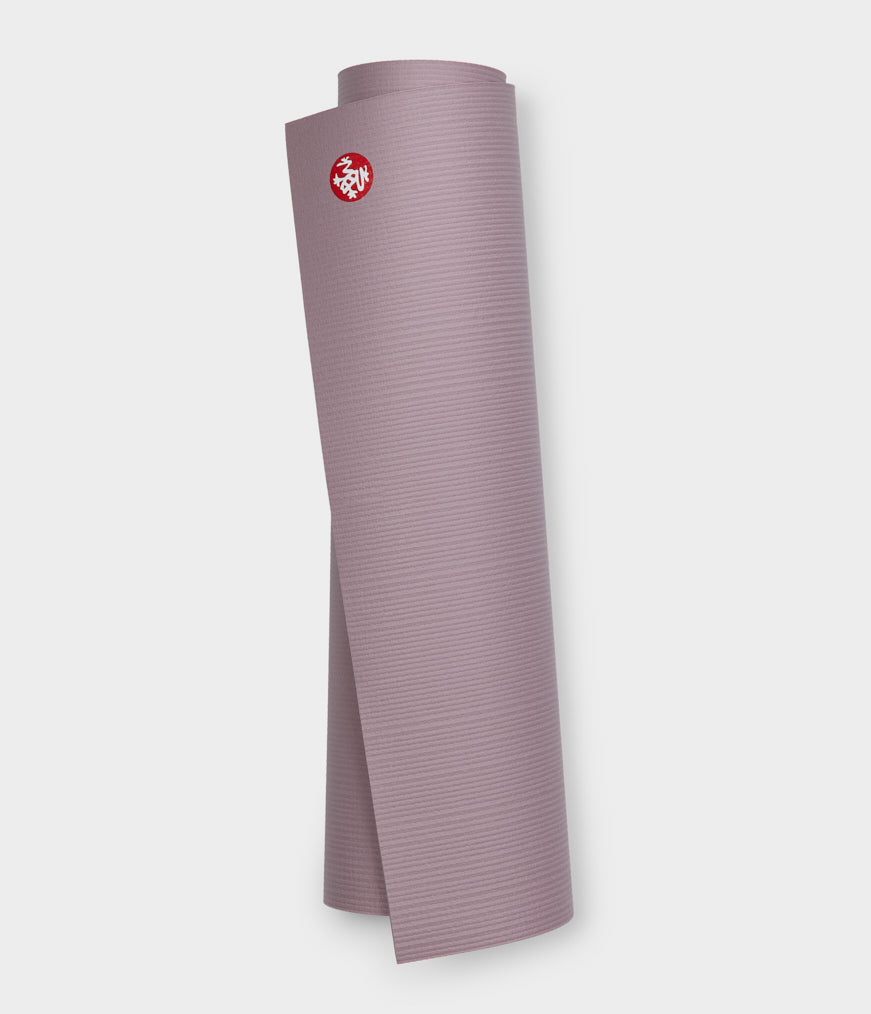
The Manduka PRO is the closest thing this category has to a buy-once mat: a dense, closed-cell PVC surface that resists sweat absorption, backed by a lifetime warranty and two decades of studio use behind it. It arrives slick and stays that way for weeks, which is the trade-off most first-time buyers don't anticipate when they unroll it.
Main limitation: It's heavy at roughly 7.5 pounds and remains noticeably slippery through the first several weeks of use, which frustrates buyers expecting immediate tacky grip.
Skip if: Skip it if you commute to class daily and need something you can carry easily, or if you want usable grip on day one rather than after a break-in period.
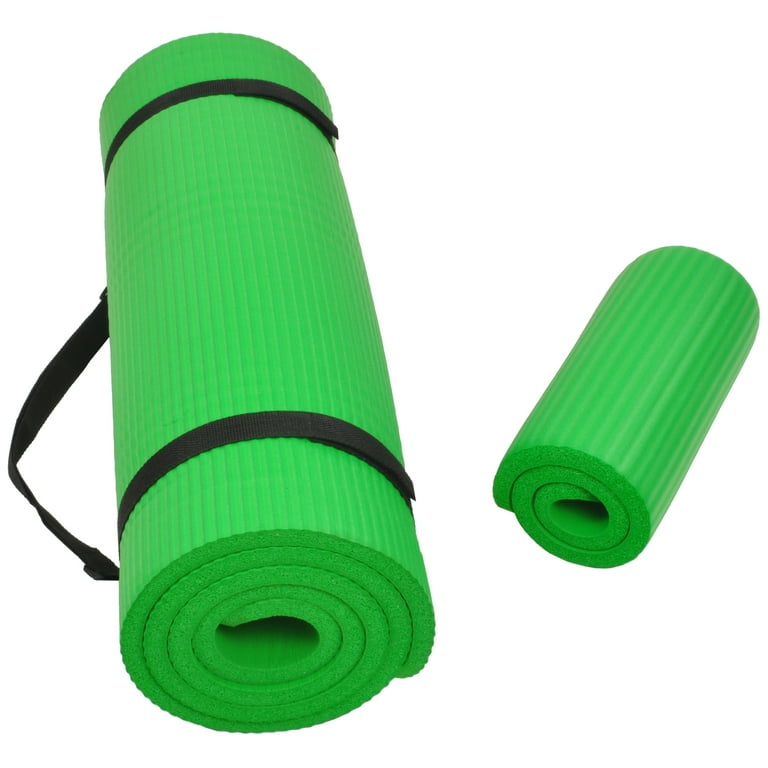
At roughly a quarter of the price of premium mats, the GoYoga delivers the two things most beginners actually need: substantial joint-friendly cushioning and a textured nonslip foam surface that works fine for gentle, restorative, and floor-based practice. Density is the compromise — thick foam compresses underfoot in standing poses and won't survive years of daily vinyasa.
Main limitation: The soft foam compresses visibly in balancing poses and tends to flatten and show wear within about a year of frequent use.
Skip if: Skip it if you practice vigorous vinyasa most days, need a stable surface for arm balances, or expect the mat to still look new after three years.
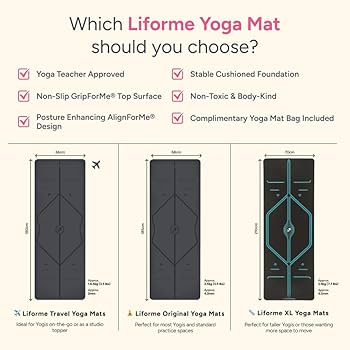
Liforme's etched alignment system — a center line plus directional markers for hands and feet — is genuinely useful for anyone refining placement without a teacher correcting them, and the grippy top layer holds up in sweaty conditions. The cost and care requirements are the catch: it's among the priciest mats here, and its open-cell surface needs consistent cleaning.
Main limitation: The open-cell top surface absorbs sweat and requires regular cleaning to prevent odor and gradual grip degradation.
Skip if: Skip it if you want a wipe-and-go closed-cell mat, are hard on your gear, or can't justify premium pricing for printed alignment guides.
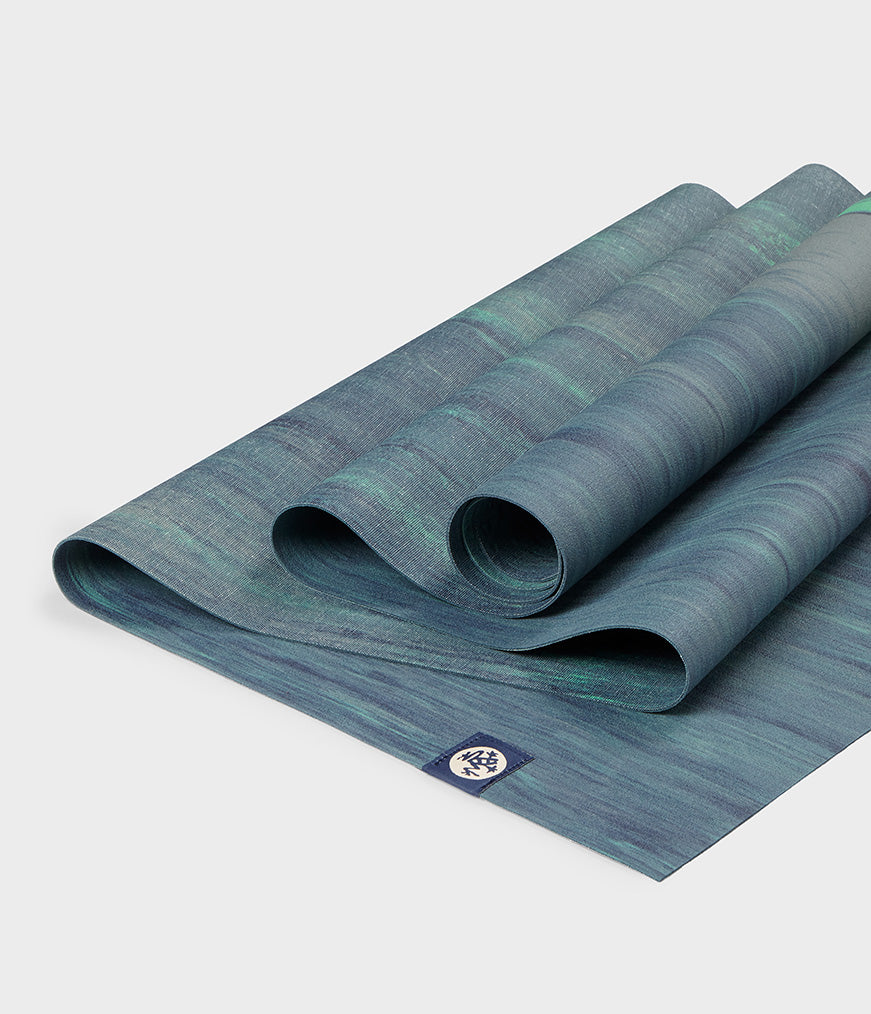
At 1.5mm and about 2 pounds, the eKO SuperLite folds into a carry-on and weighs less than a filled water bottle, which makes it the practical answer for hotel rooms, retreats, and borrowed studio floors. It's a topper rather than a standalone mat — there's effectively no cushioning, so the surface beneath it has to be forgiving.
Main limitation: With only 1.5mm of thickness there is essentially no padding, and the natural rubber surface shows wear quickly under heavy use.
Skip if: Skip it if you have sensitive knees or wrists, or if you want a single mat that covers both travel and daily home practice.
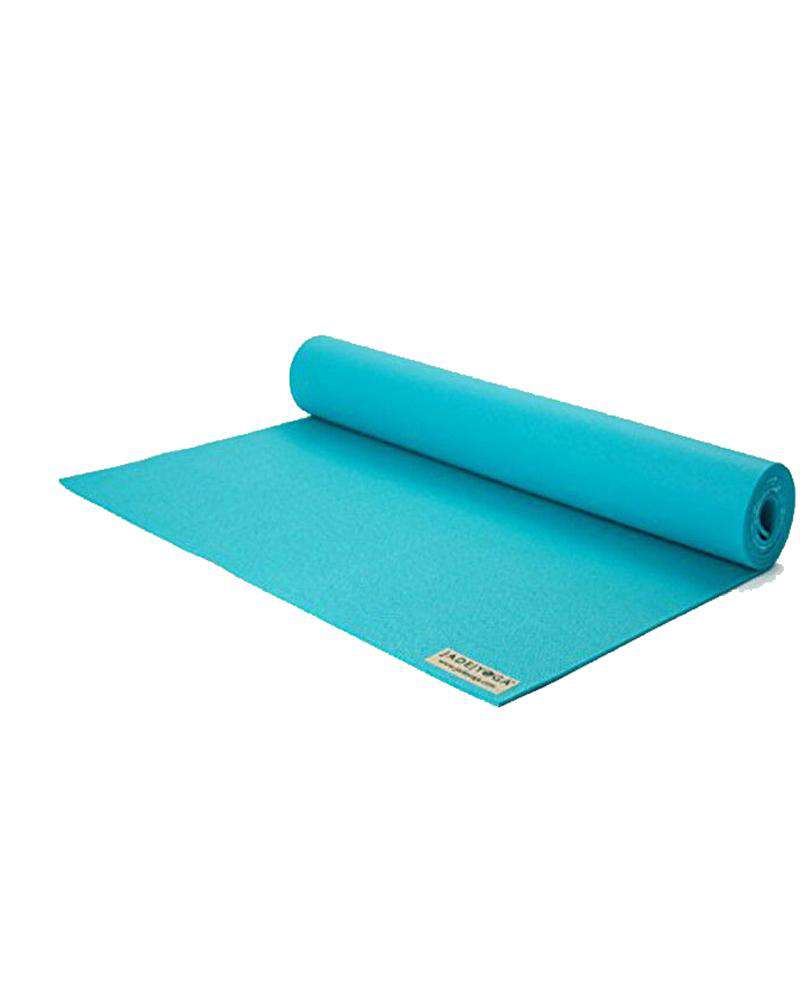
The Harmony is made in the USA from natural rubber with a no-PVC, nontoxic composition, and JadeYoga plants a tree for every mat sold — a verifiable program rather than vague sustainability language. Its open-cell rubber grips better the more you sweat, but the same rubber degrades faster in direct sunlight and carries a distinct odor when new.
Main limitation: The open-cell natural rubber breaks down faster with sun exposure and heavy use than closed-cell PVC, and it has a noticeable rubber smell for the first week or so.
Skip if: Skip it if you practice outdoors in direct sun regularly, have a latex allergy, or dislike the smell of natural rubber.
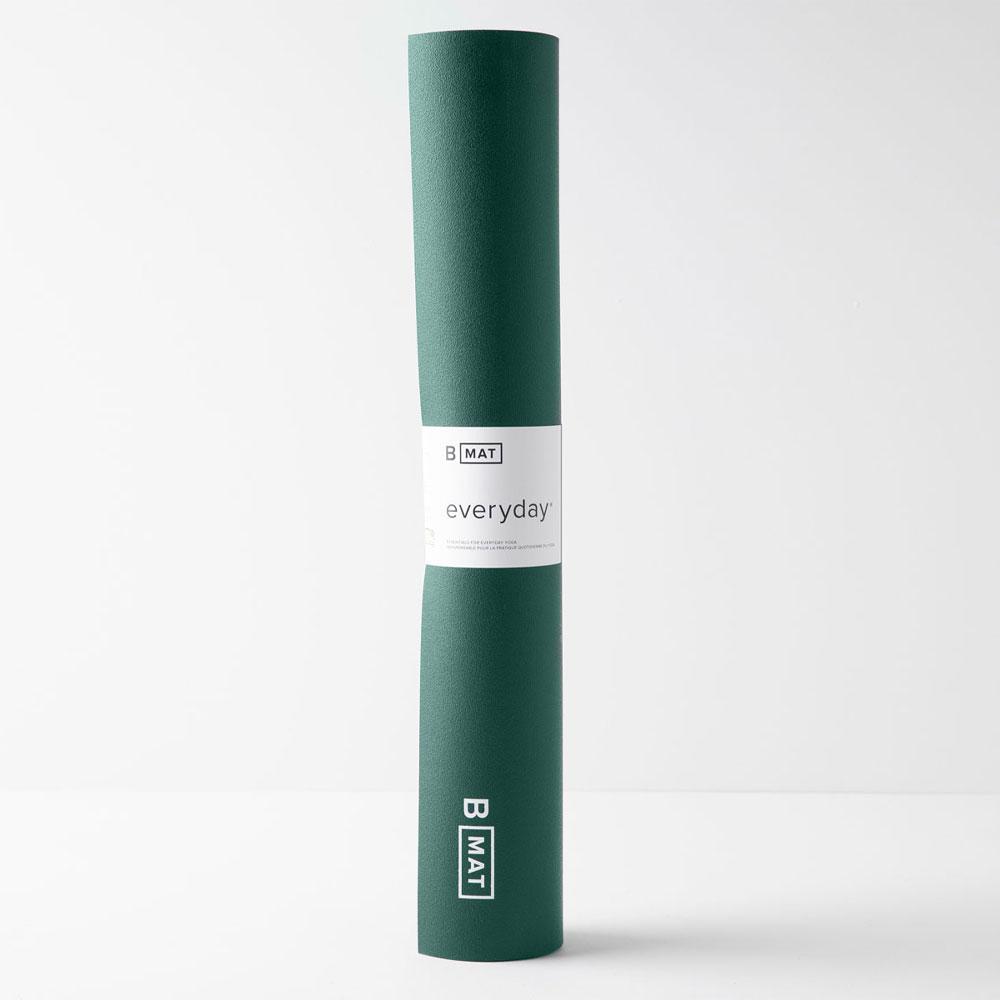
The B Mat Everyday is engineered around moisture: its rubber construction and grip surface hold traction when hands are wet, and the 4mm profile keeps you close enough to the floor for balance work. That purpose-built density is also why it's heavier than most 4mm mats and needs consistent post-class cleaning.
Main limitation: It's noticeably heavier than most mats in its thickness class, and the open-cell surface requires regular cleaning to stay odor-free.
Skip if: Skip it if you mostly do gentle or restorative yoga in a cool room, or if you want a lightweight mat to carry to and from class.
Compare key specs and features of all our recommendations side-by-side
| Product | Recommendation | Rating | Price |
|---|---|---|---|
Manduka PRO Yoga Mat 6mm Rank #1 | 🏆 Top Pick | 9.3/10 | $138–$168 Check current price → |
BalanceFrom GoYoga All-Purpose 1/2-Inch Extra Thick Yoga Mat Rank #2 | 💰 Budget Pick | 8.0/10 | $25–$35 Check current price → |
Liforme Original Yoga Mat with AlignForMe Rank #3 | ⭐ Editor's Choice | 9.0/10 | $150–$180 Check current price → |
Manduka eKO Superlite Travel Yoga Mat 1.5mm Rank #4 | — | 8.2/10 | $48–$62 Check current price → |
JadeYoga Harmony Yoga Mat (5mm) Rank #5 | — | 8.5/10 | $80–$95 Check current price → |
B Yoga B Mat Everyday (4mm) Rank #6 | — | 8.3/10 | $82–$95 Check current price → |
Common questions buyers have about this category.
For most adults practicing on a wood or tile floor, 4–5mm is the sweet spot: enough padding for knees and wrists without sacrificing the stability that standing and balancing poses require. Travel mats sit around 1.5–2mm and work as toppers over a studio floor, while 6mm and up is best reserved for restorative practice, floor work, or anyone with sensitive joints. Thicker is not automatically better — past roughly 8mm the foam compresses underfoot and makes balance poses harder.
There's no single best material, only trade-offs. Closed-cell PVC is the most durable and easiest to clean, but starts slick and needs a break-in period. Open-cell natural rubber grips better immediately and improves with sweat, but absorbs moisture and needs regular cleaning. TPE foam is lighter and cheaper with decent dry grip and weaker wet grip. Cork offers natural antimicrobial properties and strong dry grip but almost no cushioning and a firm feel on hard floors.
First confirm whether the mat is slipping on the floor or your hands are slipping on the mat — the fixes are different. For floor slippage, wipe the underside with a damp cloth to remove dust and manufacturing residue, and use a thin rubber or mesh underlay on smooth hardwood or laminate. For hand slippage, a grippy towel over the top of the mat is usually more effective than replacing the mat, especially during sweaty sessions.
For routine cleaning, wipe the mat down with a diluted gentle soap solution or a mat-specific cleaner, then let it air dry completely before rolling it up — moisture trapped in a rolled mat is the main cause of odor. Open-cell rubber mats need this after every sweaty session, while closed-cell PVC can go longer between cleanings. Avoid harsh disinfectants, alcohol, and washing machines, which degrade most mat surfaces and void warranties.
It depends on how long you plan to keep it. A lifetime-warranted mat that costs three to four times a budget mat can work out cheaper per year if you practice regularly for several years, because budget foam mats typically compress and lose grip within about a year. If you're new to yoga or practice only occasionally, the value calculation usually favors starting with a mid-range or budget mat and upgrading once you know your preferences.
Yes, or at minimum a mat designed for moisture. Standard closed-cell mats become dangerously slick when hands and feet sweat, which is why hot yoga mats use open-cell rubber or moisture-activated grip surfaces. A cheaper alternative is to keep your current mat and add a grippy absorbent towel over the top, which handles sweat well but shifts during fast transitions.
A budget foam mat used a few times a week typically lasts around a year before it flattens or loses grip, while a well-maintained natural rubber mat often lasts two to four years with regular practice. Premium closed-cell mats with lifetime warranties are the outlier — they can outlast several cheaper mats, provided you accept the break-in period and follow the manufacturer's cleaning guidance. Sun exposure, hot cars, and rolling a damp mat are the three fastest ways to shorten any mat's lifespan.
Products we evaluated but did not recommend — and why.
