Get the App
Better experience on mobile
From budget-friendly basics to premium mats with sweat-activated grip, we rank the best yoga mats for every type of yogi.
The best yoga mat isn't necessarily the most expensive one—it's the one that keeps you from slipping in downward dog and supports your joints on the hard studio floor. The problem is that grip, cushioning, and weight all trade off against each other: a thick, plush mat feels great on your knees but makes balance poses harder, while a thin, ultralight mat is easy to carry but offers little padding.
Over the last decade, yoga mat technology has evolved rapidly. PVC mats ruled the market for years, but now you'll find natural rubber, polyurethane, and even cork, each with its own quirks. Beyond material, manufacturers are adding alignment guides, extra-long lengths for taller practitioners, and sweat-activated grips for hot studios.
In this guide, we've analyzed specifications, expert commentary in publications like Yoga Journal and Verywell Fit, and patterns in buyer feedback to rank six mats that cover everything from rock-bottom basics to professional-grade equipment. We've also taken into account how these mats hold up over time, how easy they are to clean, and whether they deliver on their eco-friendly claims.
There's no single 'perfect' mat for everyone—the right choice depends on your style, frequency, and sensitivity to materials. That's why we've broken down our recommendations by use case, so whether you're a sweaty Bikram devotee or a weekend warrior who needs to fit a mat in a carry-on, you'll find a pick that fits.
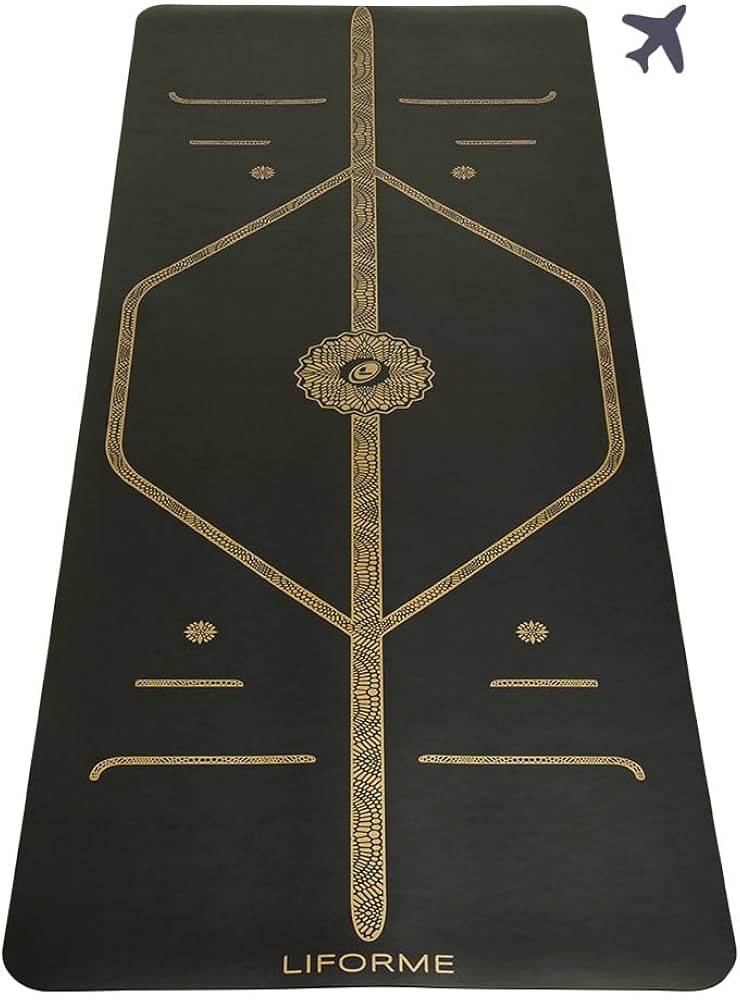
The Liforme Yoga Mat is widely regarded as the gold standard for serious practitioners, with its proprietary 'AlignForMe' system and grippy natural rubber surface that becomes tackier when hands get sweaty. It stays planted on the floor during vigorous sessions, but the main trade-off is its price and weight—it's one of the heaviest mats you can buy.
Main limitation: At over 5 pounds and more than $150, it's expensive and not easy to carry to and from the studio.
Skip if: If you're a casual yogi or need a mat for frequent travel, the Liforme's weight and price are likely overkill.
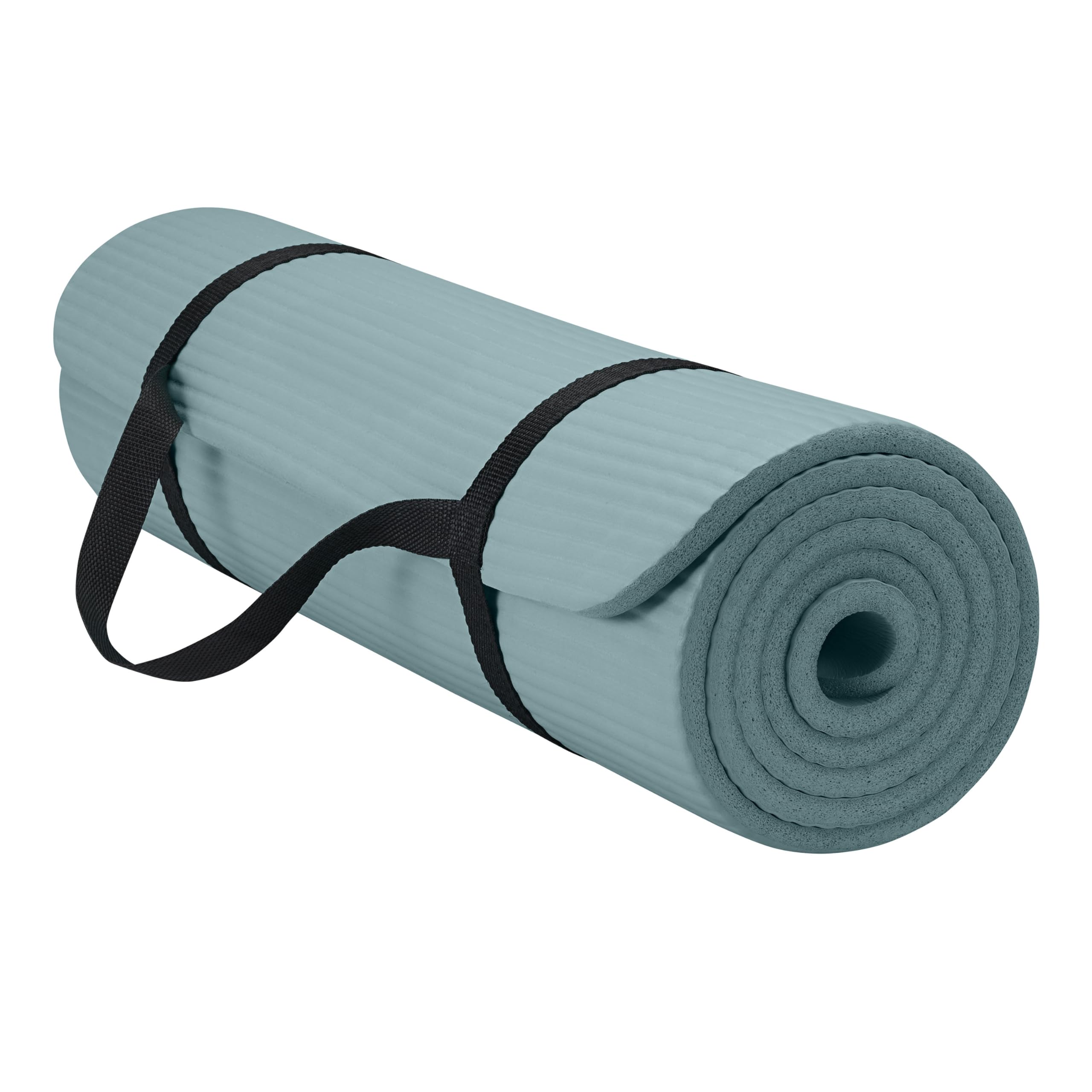
The Gaiam Essentials delivers dependable cushioning and a non-slip texture at an unbeatable price, making it a favorite for new yogis and home exercisers. At 72 inches long and 6mm thick, it protects joints without feeling like a marshmallow. But it's not the most durable mat and may show wear with heavy use.
Main limitation: The PVC foam can degrade and peel after months of intense practice.
Skip if: If you practice daily or prefer eco-friendly materials, this mat's PVC construction and shorter lifespan are significant downsides.
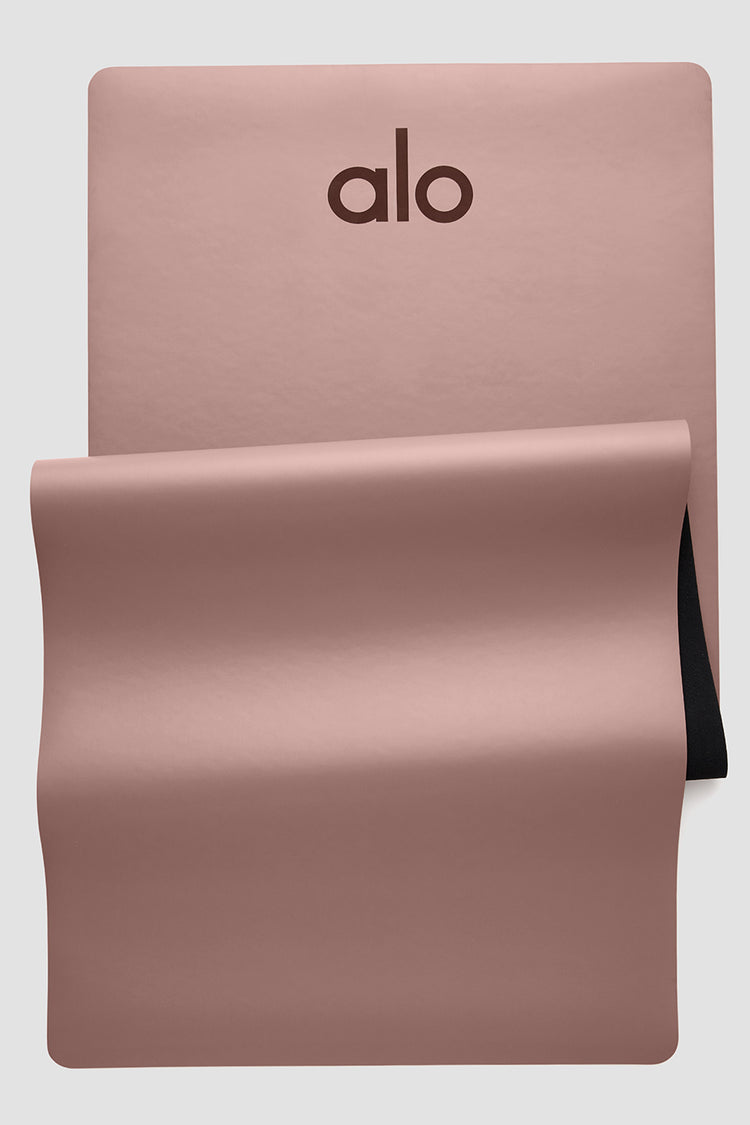
The Alo Warrior Mat features a suede-like top layer that grips better as you sweat, making it a top pick for hot yoga classes where slip is a constant battle. The high-density foam absorbs impact and the mat stays anchored during fast transitions. On the downside, it's pricier than many rivals and the care routine is more demanding.
Main limitation: The open-cell surface absorbs sweat and needs regular spraying and air drying to prevent odor.
Skip if: Avoid this mat if you're looking for a low-maintenance, wipe-clean surface.
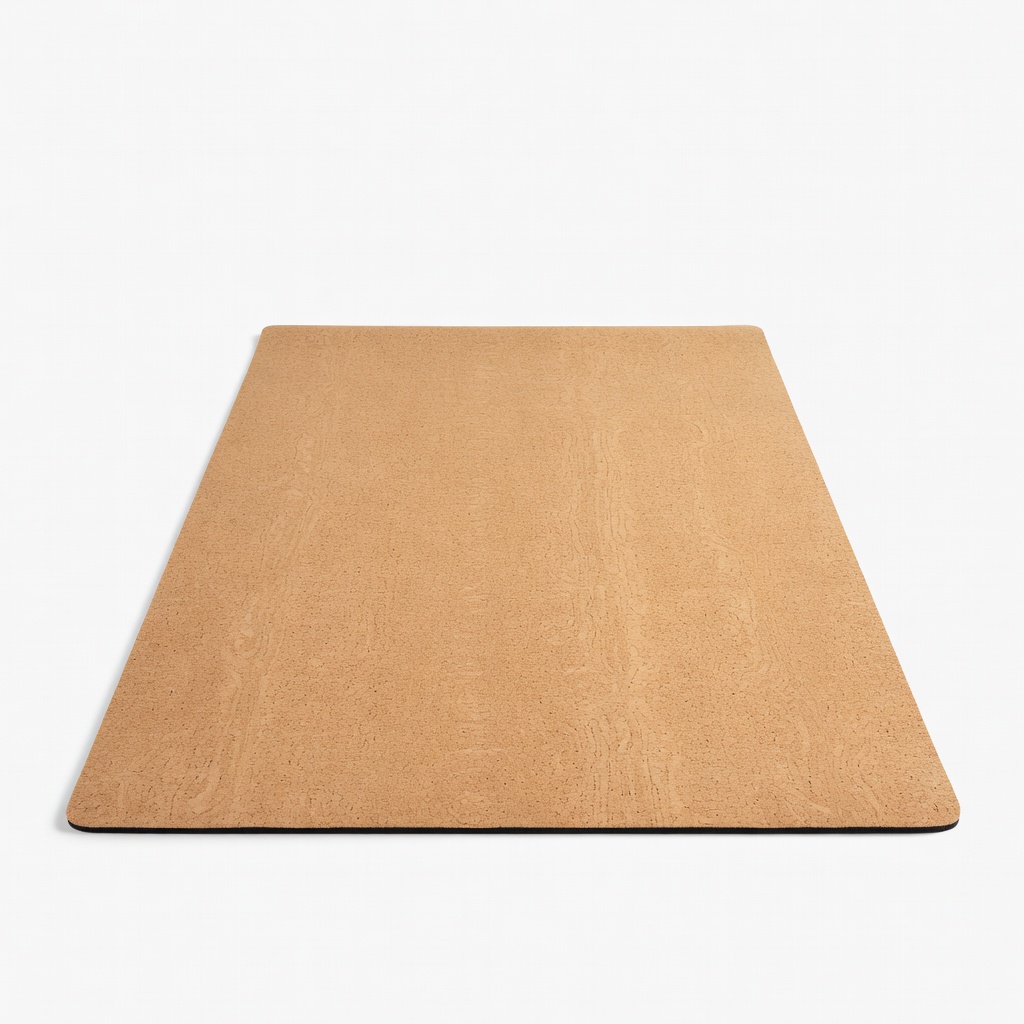
The Manduka eKO Superlite weighs just 2 pounds and folds flat into a backpack, making it the ultimate companion for yogis on the go. Made from natural tree rubber, it offers reliable grip and eco-friendly materials. However, at 1.5mm thin, it provides minimal cushioning, so it's not ideal for restorative floor work.
Main limitation: Minimal padding means it's uncomfortable for knees or back on hard floors.
Skip if: If you have sensitive joints or need a mat for yin/restorative practice, this is too thin.
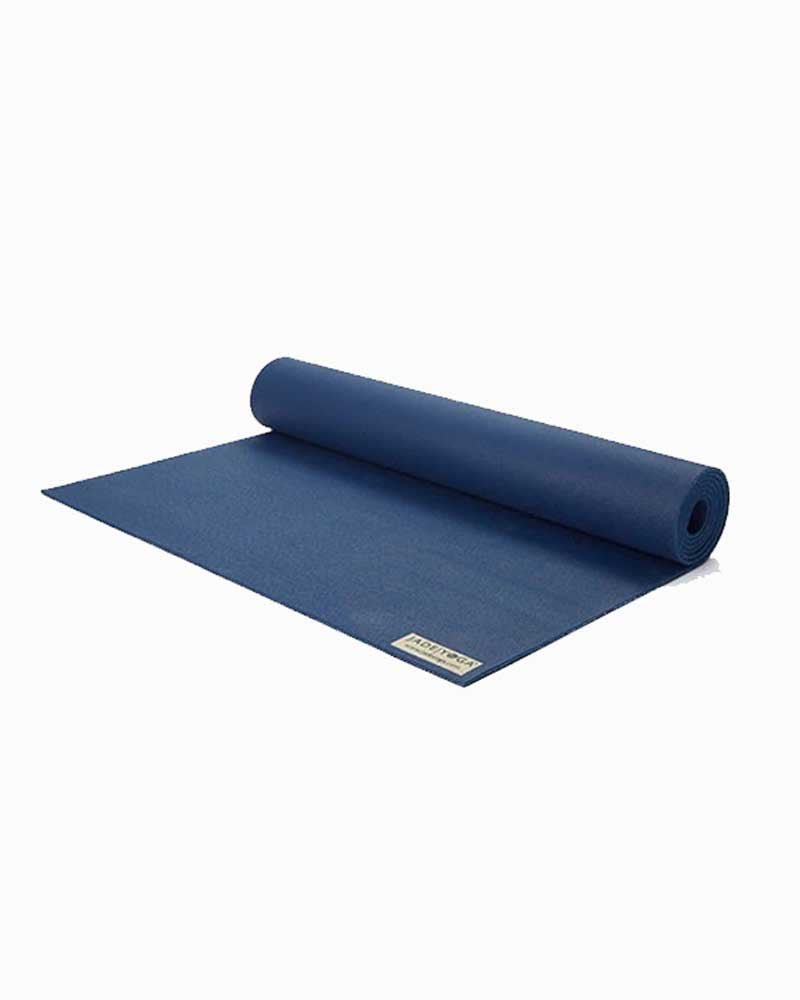
The Jade Harmony Mat is crafted from natural rubber and made in the USA with renewable energy, appealing to environmentally conscious yogis. Its open-cell texture provides exceptional grip in both dry and damp conditions. The trade-off is that natural rubber breaks down faster than PVC and has a distinctive smell that fades over time.
Main limitation: Natural rubber is less durable than synthetic materials and can degrade if exposed to direct sunlight.
Skip if: If you're allergic to latex (found in natural rubber) or need a mat for heavy daily use, skip this one.
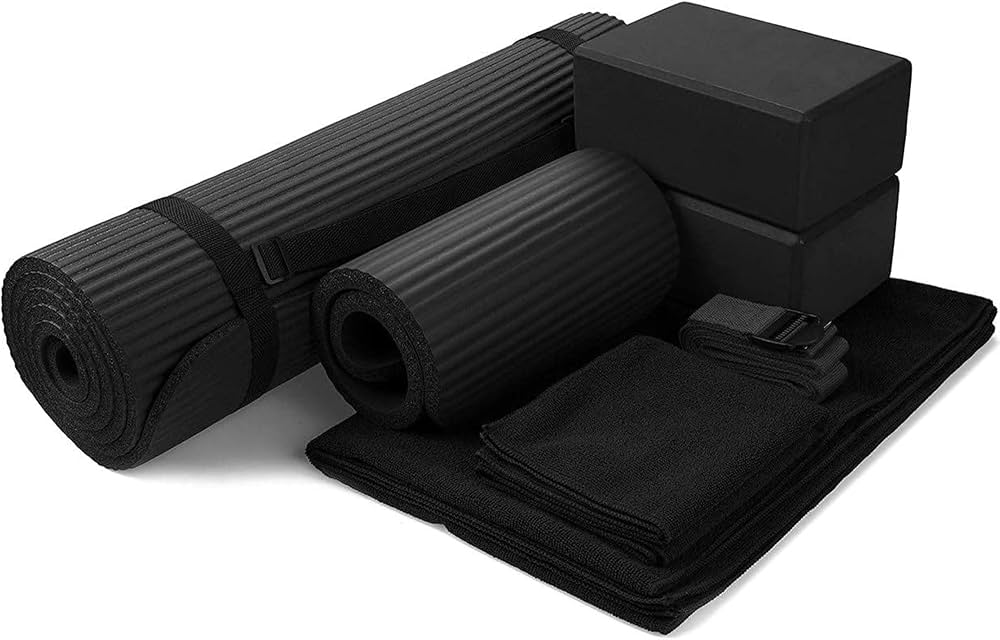
The BalanceFrom GoYoga Mat offers 1 inch of high-density foam, giving it the most plush cushioning in our lineup—ideal for anyone with sensitive knees and joints. The double-sided non-slip texture keeps you secure, and the included straps make it easy to haul. But the ultra-thick construction reduces ground feel and stability in standing poses.
Main limitation: Too soft for balance-intensive poses like tree or handstand; it can also stretch under heavy weights.
Skip if: Advanced yogis who prioritize stability and connection to the floor will likely find it too squishy.
Compare key specs and features of all our recommendations side-by-side
| Product | Recommendation | Rating | Price |
|---|---|---|---|
Liforme Yoga Mat Rank #1 | 🏆 Top Pick | 9.0/10 | $150–$180 Check current price → |
Gaiam Essentials Thick Yoga Mat Rank #2 | 💰 Budget Pick | 7.5/10 | $20–$30 Check current price → |
Alo Yoga Warrior Mat Rank #3 | ⭐ Editor's Choice | 8.2/10 | $100–$130 Check current price → |
Manduka eKO Superlite Travel Mat Rank #4 | — | 7.8/10 | $50–$70 Check current price → |
Jade Yoga Harmony Mat Rank #5 | — | 8.0/10 | $80–$100 Check current price → |
BalanceFrom GoYoga Mat Rank #6 | — | 7.2/10 | $25–$40 Check current price → |
Common questions buyers have about this category.
Standard yoga mats are 3mm to 5mm thick. If you have sensitive joints, need extra cushioning, or practice restorative or yin yoga, a 6mm or 1-inch mat may be more comfortable. However, thicker mats make balancing poses less stable, so those focused on flow or arm balances often prefer thinner mats (around 3-4mm).
There's no single best material—it depends on your priorities. PVC is durable and affordable but not eco-friendly. Natural rubber offers excellent grip and sustainability but can be heavy and may trigger latex allergies. TPE is recyclable and lightweight, but sometimes less durable. For hot yoga, look for polyurethane or suede-like top layers that become grippier when wet.
Use a simple solution of water and a few drops of mild dish soap, or a dedicated yoga mat cleaner. Spray it on a cloth and wipe down the mat after each session. Avoid soaking the mat in water or using harsh chemicals, as they can degrade the material. Let it air dry flat or hang loosely—never in direct sunlight for natural rubber mats.
For regular practitioners, yes. A premium mat (like the Liforme or Manduka PRO) often lasts several years longer and provides better grip and comfort than a budget mat. Those who practice only occasionally or are just starting out can get by with more affordable options like the Gaiam Essentials. Consider your practice frequency and whether the added durability and performance justify the upfront cost.
Open-cell mats have a porous, textured surface that absorbs sweat and provides extra grip when wet—great for hot yoga, but they need more cleaning and can harbor bacteria. Closed-cell mats are non-porous and smooth, making them easier to wipe clean and more hygienic, but they can feel slippery when you sweat. Pick based on your practice style and maintenance preferences.
Yes, but it's not ideal. A thin mat on thick carpet will feel uneven and can slide around. If you must practice on carpet, choose a mat with a generous thickness (at least 5mm) and a high-traction bottom. Some mats have a 'sticky' bottom that works on carpet, but for optimal stability, a dedicated studio or hard floor is better.
Products we evaluated but did not recommend — and why.
