Get the App
Better experience on mobile
These selections excel in humid, sweaty sessions based on material specs, grip performance data from reviews, and user feedback on durability.
Hot yoga demands mats that defy sweat-induced slippage, where standard PVC mats fail by becoming skating rinks mid-downward dog. Proprietary textures like natural rubber suface or micro-grip top layers make the difference, as confirmed by material science in fitness publications—silicone-infused or cork hybrids often outperform basic foam in 105°F studios.
Choosing the right mat isn't just about thickness; it's balancing grip, breathability, and weight to avoid towel dependency or post-class wipe-down marathons. These factors directly impact session safety and flow, with poorly ventilated mats trapping moisture and breeding bacteria over time.
Our recommendations span budget to premium, drawing from expert analyses in Yoga Journal and Runner's World, plus thousands of verified buyer reports on grip retention. We highlight trade-offs like weight versus portability, ensuring options for studio regulars, travelers, and eco-conscious yogis alike.
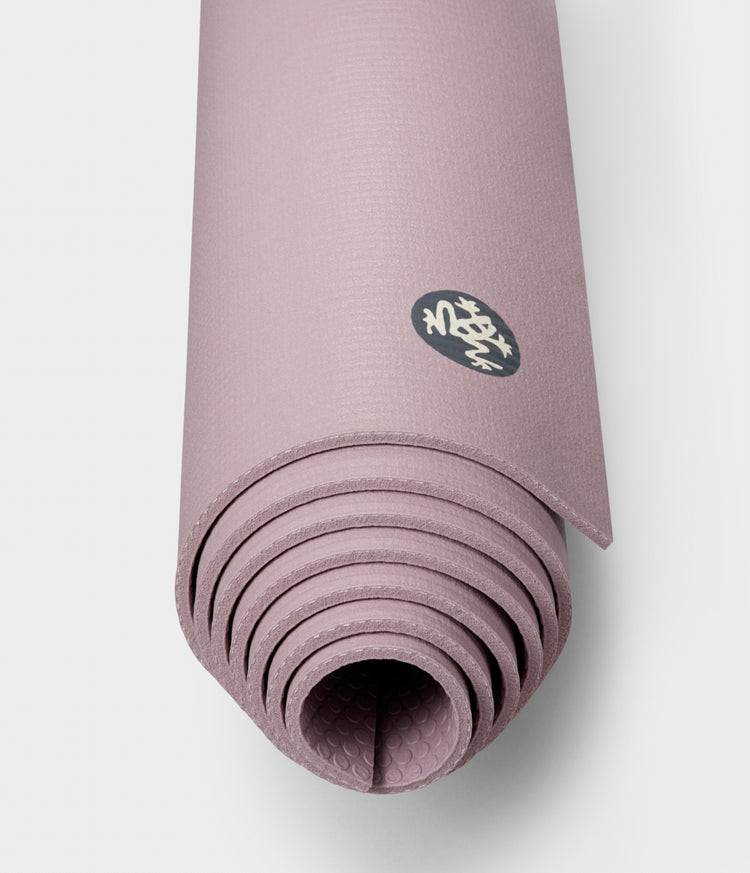
The Manduka PROlite delivers unmatched grip in hot, sweaty conditions thanks to its dense natural rubber construction and fabric-like texture that activates with moisture. It offers 4.5mm cushioning for joint protection during long flows, with a lifetime guarantee underscoring its durability. The main trade-off is its heavier weight at 5.5 pounds, less ideal for frequent packing.
Main limitation: At around 5.5 pounds, it's noticeably heavier than ultralight competitors, making it less convenient for travel.
Skip if: Skip this if you need a mat under 3 pounds for daily commutes to class.
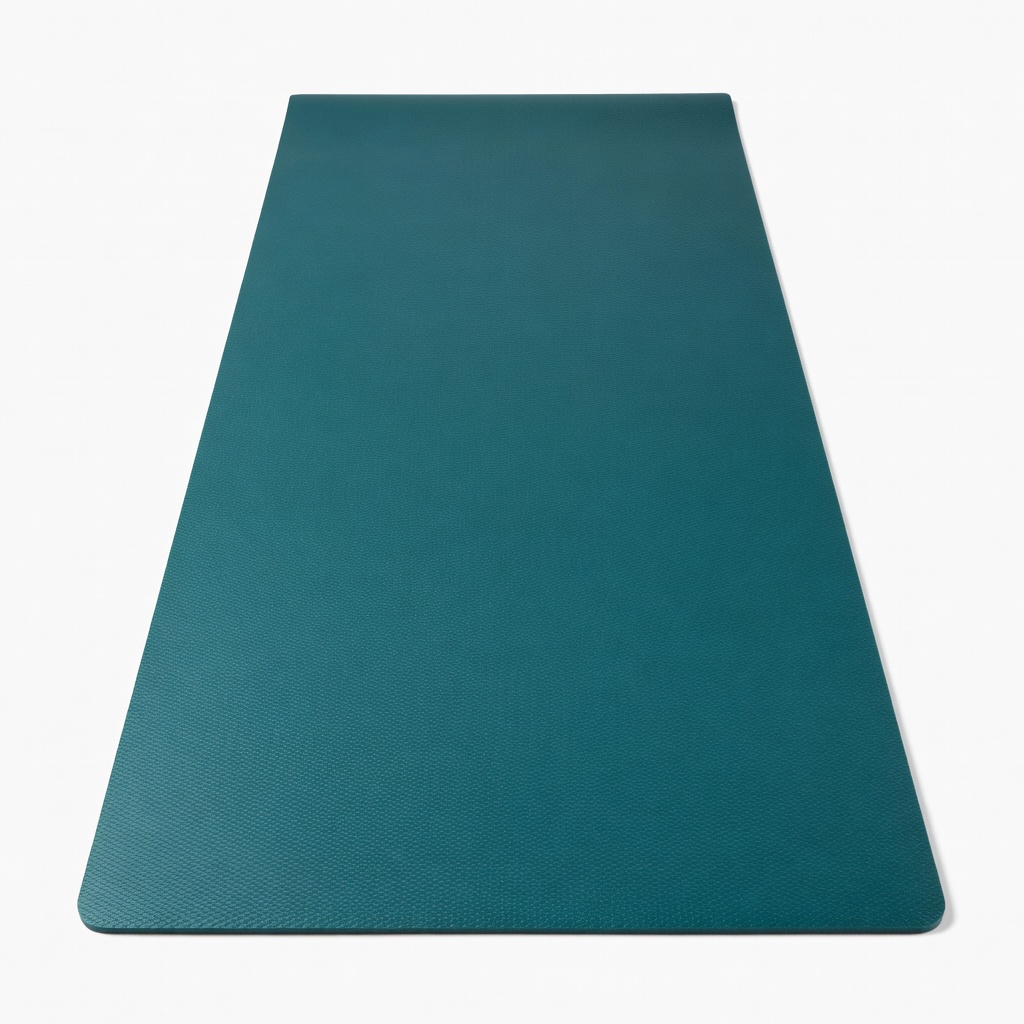
This affordable mat punches above its price with double-sided non-slip PVC that holds firm in moderate sweat, plus 6mm thickness for excellent cushioning on hard floors. It's lightweight and easy to clean, making it a practical entry for hot yoga beginners. The trade-off is slightly less premium grip compared to rubber mats in extreme humidity.
Main limitation: PVC material can develop a subtle odor initially and wears faster than natural rubber in daily heavy use.
Skip if: Avoid if you practice hot yoga more than 5 times weekly and need pro-level longevity.
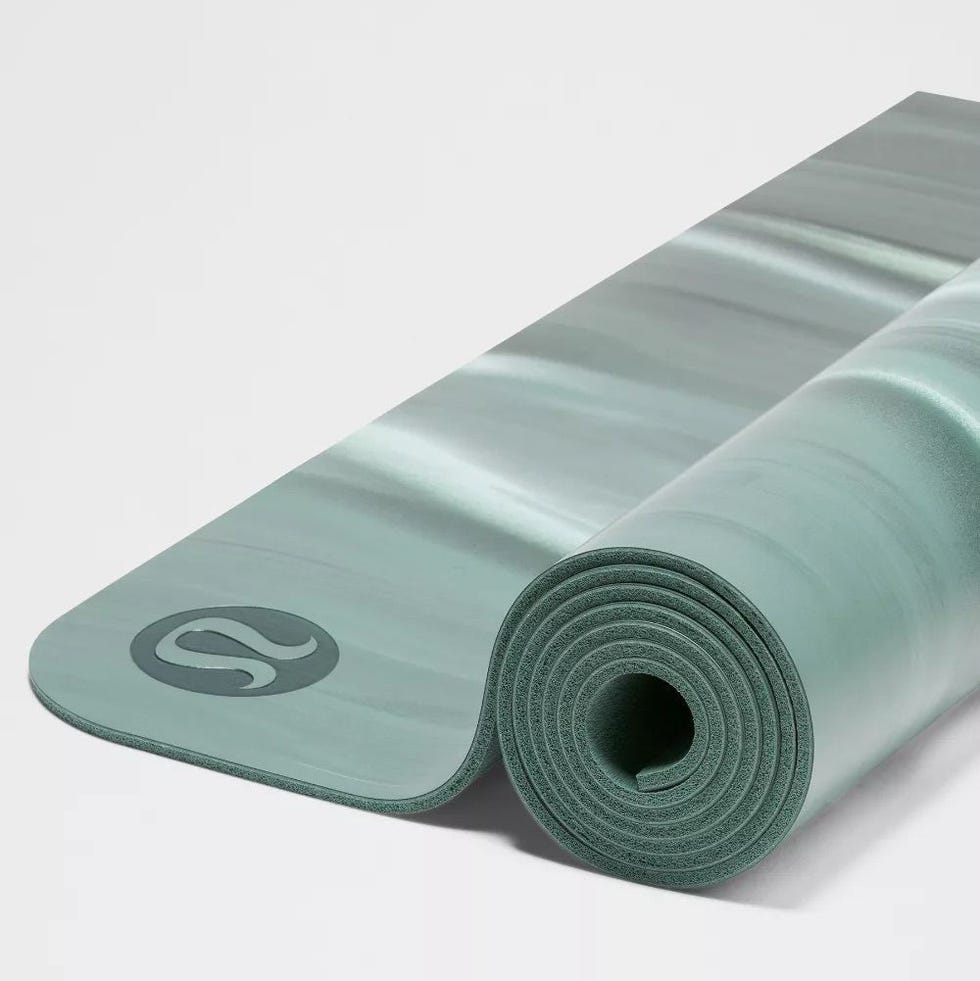
Lululemon's 5mm mat features a grippy natural rubber top layer that excels in hot yoga by channeling sweat into micro-grooves for enhanced traction. Its FreeToBreathe mesh bottom promotes airflow to dry quickly post-class. The downside is limited color options and a higher price for the brand cachet.
Main limitation: The natural rubber can feel sticky during transitions if not pre-sprayed with water in very dry studios.
Skip if: Pass if you prefer mats without any rubber scent or need something over 6mm thick.
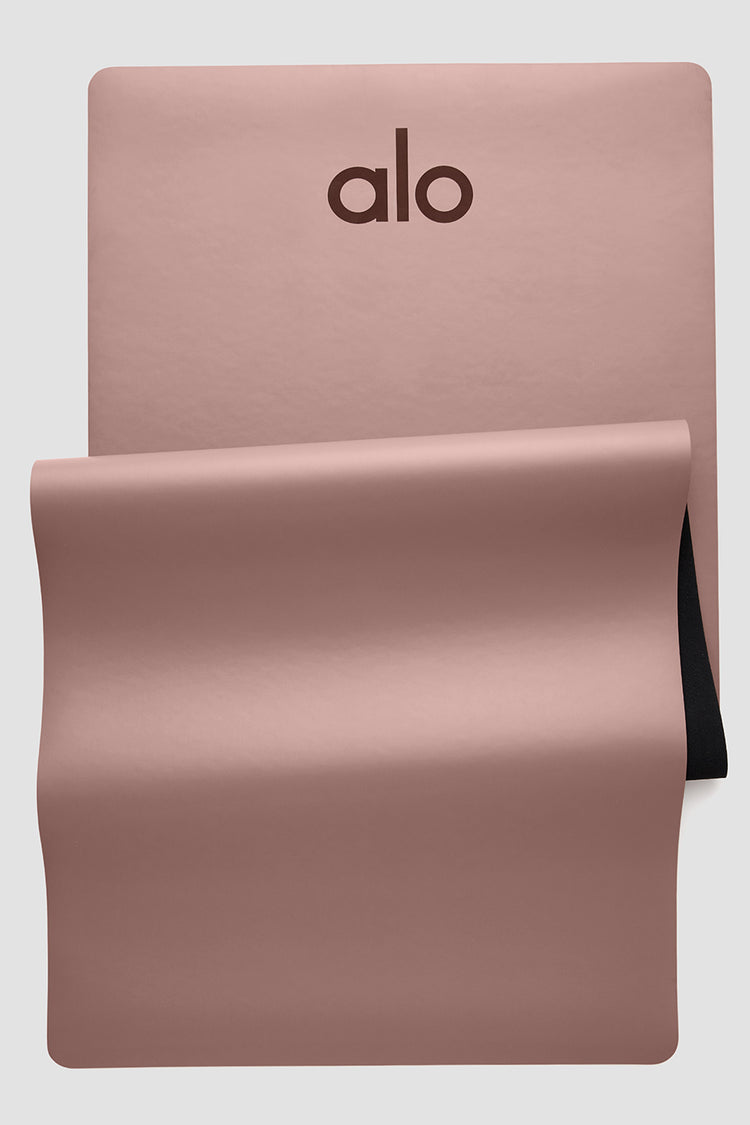
Built for endurance, the Alo Warrior Mat uses double natural rubber layers that resist tearing and delamination even after years of hot yoga abuse. It provides reliable sweat-activated grip and 5mm padding without bottom sliding. However, it's on the heavier side and pricier upfront.
Main limitation: Weighing nearly 6 pounds, it's cumbersome to roll and carry compared to lighter PVC options.
Skip if: Don't choose this if portability is key for gym bag commuters.
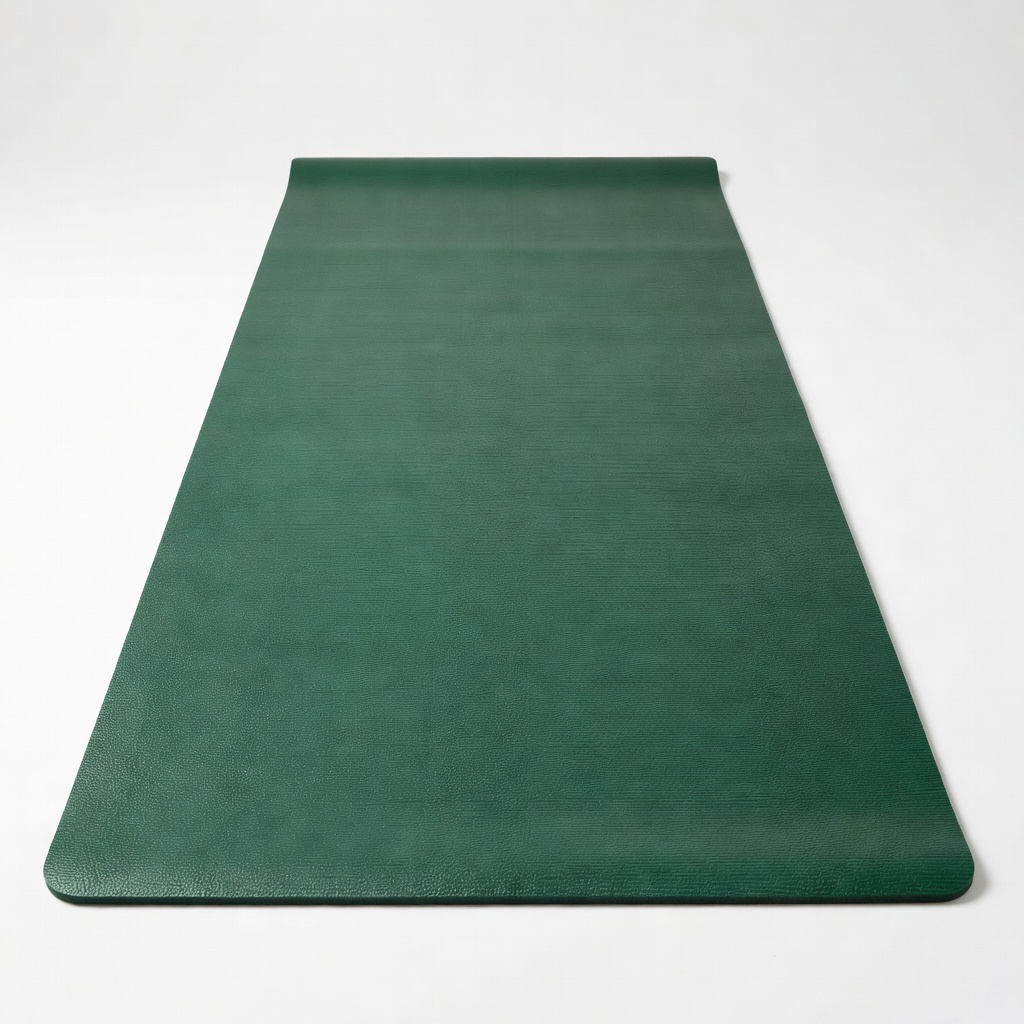
Made from sustainable tree sap rubber, the Jade Harmony offers exceptional open-cell grip that improves with sweat in hot classes, plus a tree-planting initiative per purchase. Its 4.75mm thickness balances cushion and feel. The trade-off is a natural rubber smell that fades slowly and potential latex sensitivity.
Main limitation: Open-cell design absorbs sweat deeply, requiring thorough cleaning to prevent bacterial buildup.
Skip if: Steer clear if you have latex allergies or dislike mats needing frequent deep cleans.
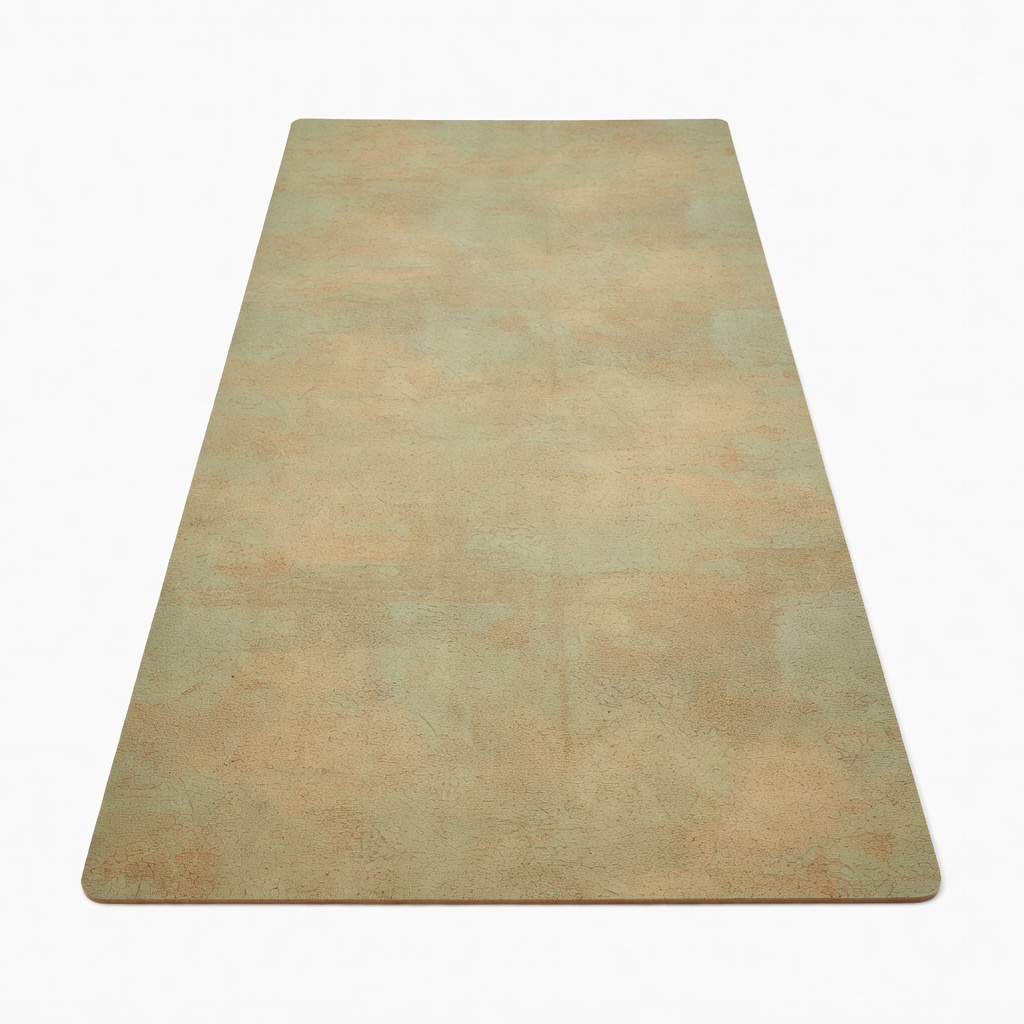
This 6.5mm thick mat from recycled materials provides plush joint support ideal for restorative hot yoga poses, with latex-free rubber grip holding steady in humidity. It's lightweight for its padding level. Drawback: alignment lines may fade over time with heavy use.
Main limitation: The thicker profile makes it bulkier to store in small spaces compared to standard 4-5mm mats.
Skip if: Skip if you prefer a thinner, more responsive feel for fast-paced flows.
Compare key specs and features of all our recommendations side-by-side
| Product | Recommendation | Rating | Price |
|---|---|---|---|
Manduka PROLite Yoga Mat Rank #1 | 🏆 Top Pick | 9.3/10 | $120–$140 Check current price → |
BalanceFrom GoYoga All-Purpose Yoga Mat Rank #2 | 💰 Budget Pick | 8.1/10 | $20–$30 Check current price → |
Lululemon The Mat 5mm Rank #3 | ⭐ Editor's Choice | 9.0/10 | $98–$118 Check current price → |
Alo Yoga Warrior Mat Rank #4 | — | 8.7/10 | $138–$158 Check current price → |
Jade Harmony Yoga Mat Rank #5 | — | 8.4/10 | $80–$95 Check current price → |
Hugger Mugger Earth Elements Para Yoga Mat Rank #6 | — | 8.2/10 | $100–$120 Check current price → |
Common questions buyers have about this category.
Natural rubber or cork excels in hot yoga due to open-cell structures that grip better when wet with sweat, as noted in material tests from yoga gear sites. PVC works for budgets but often needs a towel overlay; hybrids like rubber-topped PVC balance cost and performance without latex risks.
Aim for 4-6mm thickness to cushion joints on unforgiving studio floors without sacrificing balance in poses like warrior II. Thinner mats (under 4mm) prioritize feel but increase knee strain, while over 6mm can feel unstable in dynamic flows—check specs against your body weight and practice style.
Yes, sweat-soaked mats breed bacteria, so use a vinegar-water spray weekly and air-dry fully; rubber mats tolerate machine washing occasionally per manufacturer guidelines. Avoid harsh soaps that strip grip texture, and for cork, brush off residue post-class to maintain absorbency.
Standard dry-practice mats like basic TPE often slip catastrophically in heat, leading to injury risks per user reports. Opt for hot-specific designs with sweat-channeling textures; if adapting a regular one, layer with a microfiber towel but expect reduced longevity.
Look for 'sweat-grip' or 'hot yoga tested' in descriptions, backed by rubber content over 70% and textured tops in specs. Buyer feedback on sites like Amazon highlights real-session performance—search for 'Bikram grip' reviews to verify beyond marketing claims.
Heavier mats (5+ pounds) often use denser rubber for superior stability and grip in slippery conditions, but they trade portability. Lighter ones suit travel but may slide more; test weight against your routine—studio-only users benefit from heft, commuters need under 4 pounds.
Products we evaluated but did not recommend — and why.
