Get the App
Better experience on mobile
From budget-friendly options to premium investments, these six mats excel in humid, sweaty conditions while offering the cushioning and durability you need for a consistent practice.
Hot yoga's defining challenge isn't just the heat—it's what the heat does to your mat. Sweat turns ordinary yoga mats into hazard zones, forcing you to replant your hands and feet every few breaths. In this category, a mat's 'feel' in the store can be utterly deceiving; what matters is how it performs when the sweat starts flowing. The best hot-yoga mats are engineered with moisture-wicking textures, natural rubber, or polyurethane surfaces that become grippier, not slipperier, when wet.
We've sorted through the market to find mats that genuinely address these conditions—not just prettily colored mats that look good on Instagram. Our selections span budget-friendly buys to premium investments, with varying thicknesses and materials to suit different practice styles. We focused on factors like wet traction, absorbency, cushioning, weight, and durability, pulling from expert assessments and real-world user reports.
What follows are six mats that have proven themselves in hot rooms across studios nationwide, plus a few others that were close but missed the cutoff. Whether you're a sweaty vinyasa enthusiast or a dedicated Bikram practitioner, there's a mat here that will keep you grounded—without the dreaded slide.
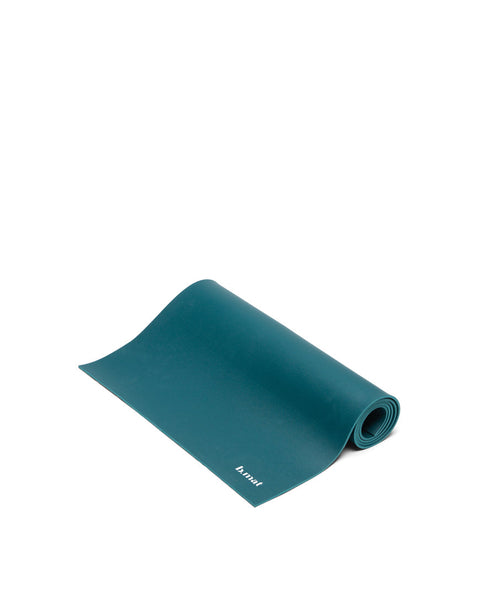
The B Mat Strong combines natural rubber with a finely textured surface that becomes stickier as you sweat, making it a top choice for hot yoga. The 6mm thickness cushions joints while still providing the ground feel needed for balance poses. The trade-off is significant weight and a premium price.
Main limitation: At roughly six pounds, it's heavy to carry and not ideal for traveling.
Skip if: Anyone who primarily needs a lightweight mat for commuting to and from the studio.
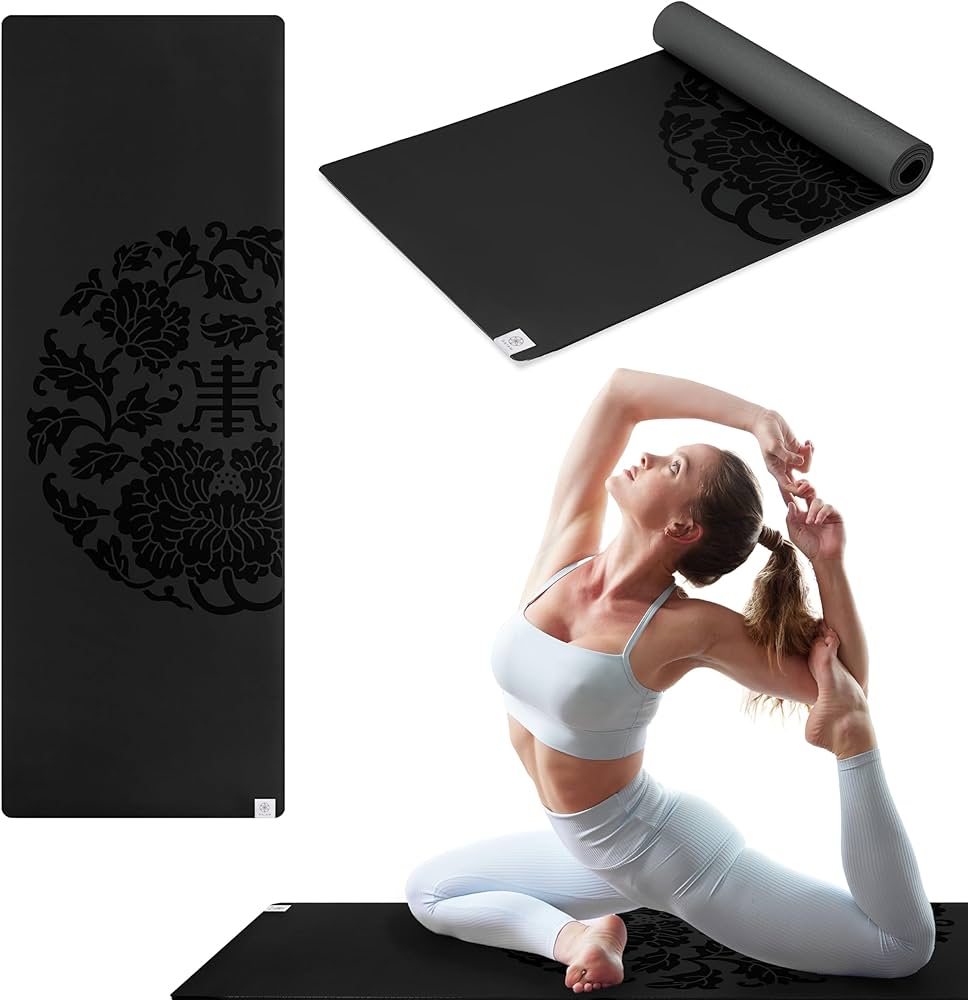
Gaiam's Dry Grip mat features a specially textured top that channels moisture away, keeping your hands and feet planted even during intense flows. Priced under $50, it delivers hot-yoga-specific grip without the premium price tag. The main compromise is durability—the top layer can wear down with heavy use.
Main limitation: It offers minimal cushioning and may feel thin on hard studio floors.
Skip if: Yogis with sensitive knees or those who want a plush surface for long sessions.
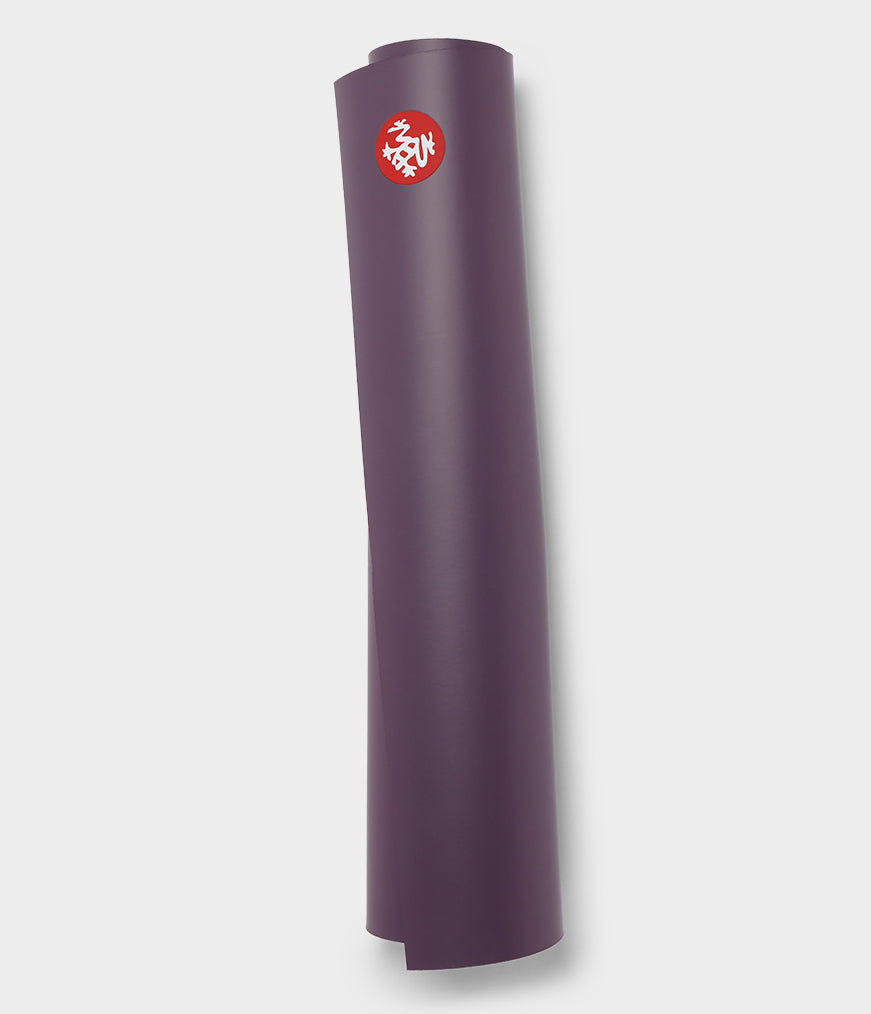
Manduka's GRP mat uses a proprietary microfiber top that instantly wicks away perspiration, providing reliable grip in the hottest classes. It's also manufactured with eco-conscious processes and is PVC-free, appealing to sustainability-minded yogis. However, the absorbent surface can feel spongy and may show wear if used aggressively.
Main limitation: The texture can be abrasive on elbows and knees during floor poses.
Skip if: Yogis who do long prone or supine holds that require extra cushioning.
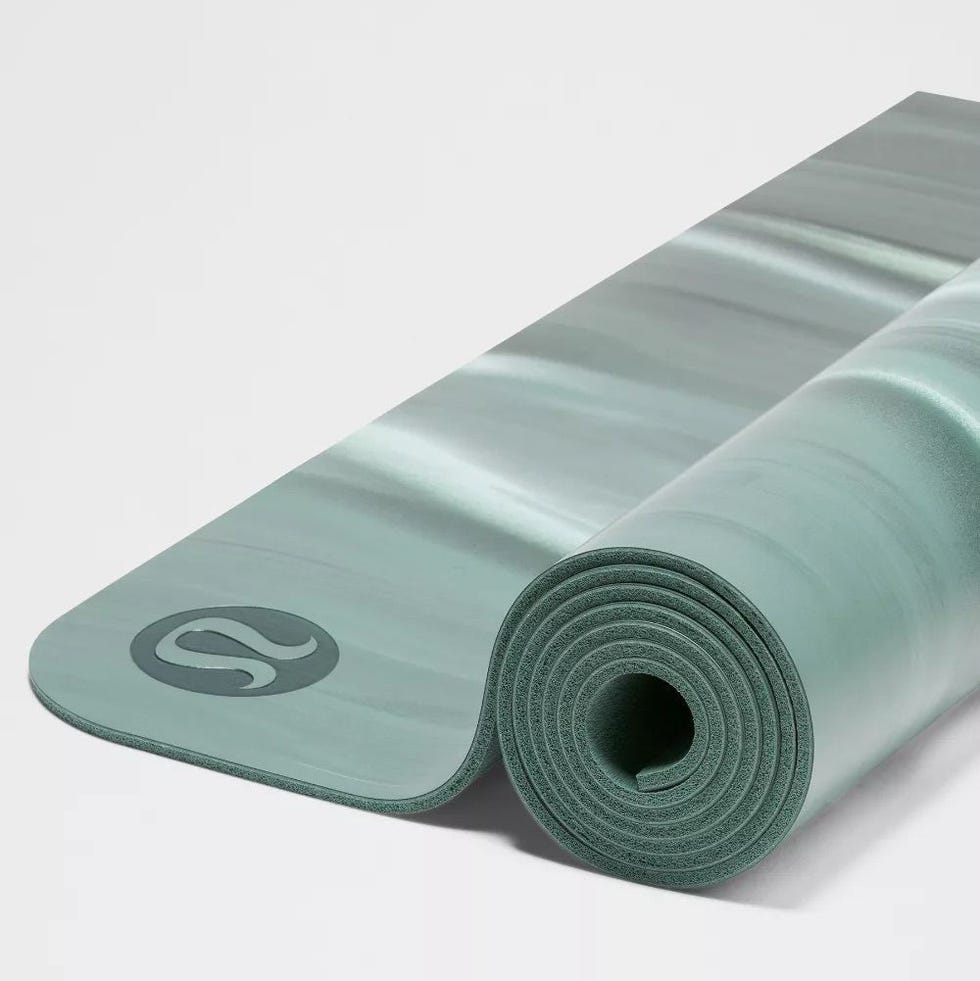
Lululemon's 5mm mat features a polyurethane top layer that becomes grippier with moisture, making it a favorite among hot yogis who want both traction and plush support. Its anti-microbial additive and easy-to-clean surface are bonuses for sweaty practices. The main trade-off is the higher price and heft.
Main limitation: The top layer can be delicate and may peel if you use harsh cleaning products.
Skip if: Budget-conscious students who are hard on their equipment.
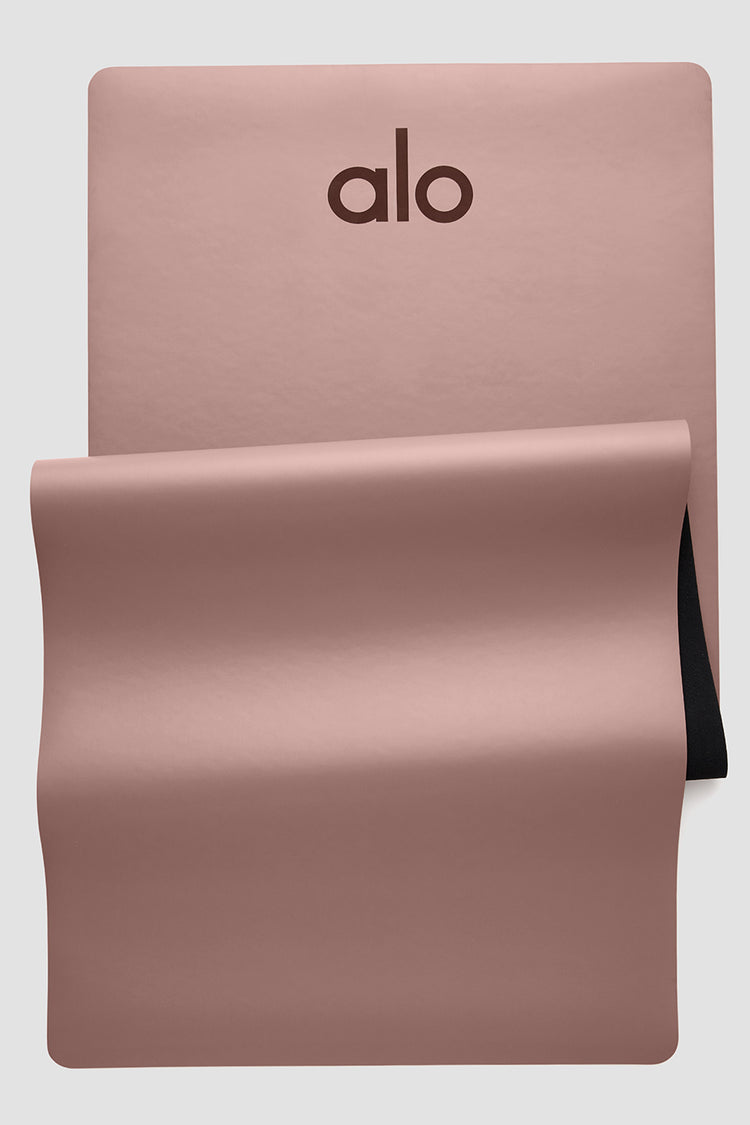
The Alo Yoga Warrior Mat uses natural rubber with a fine embossed texture that offers reliable traction and a responsive, yet cushioned, feel. It's a great win for eco-conscious yogis who want a sustainable performance mat. On the downside, the 4mm thickness may be insufficient for those with sensitive joints.
Main limitation: Natural rubber can degrade over time from UV exposure if left in the sun.
Skip if: Those who frequently practice on very hard concrete floors and need extra padding.
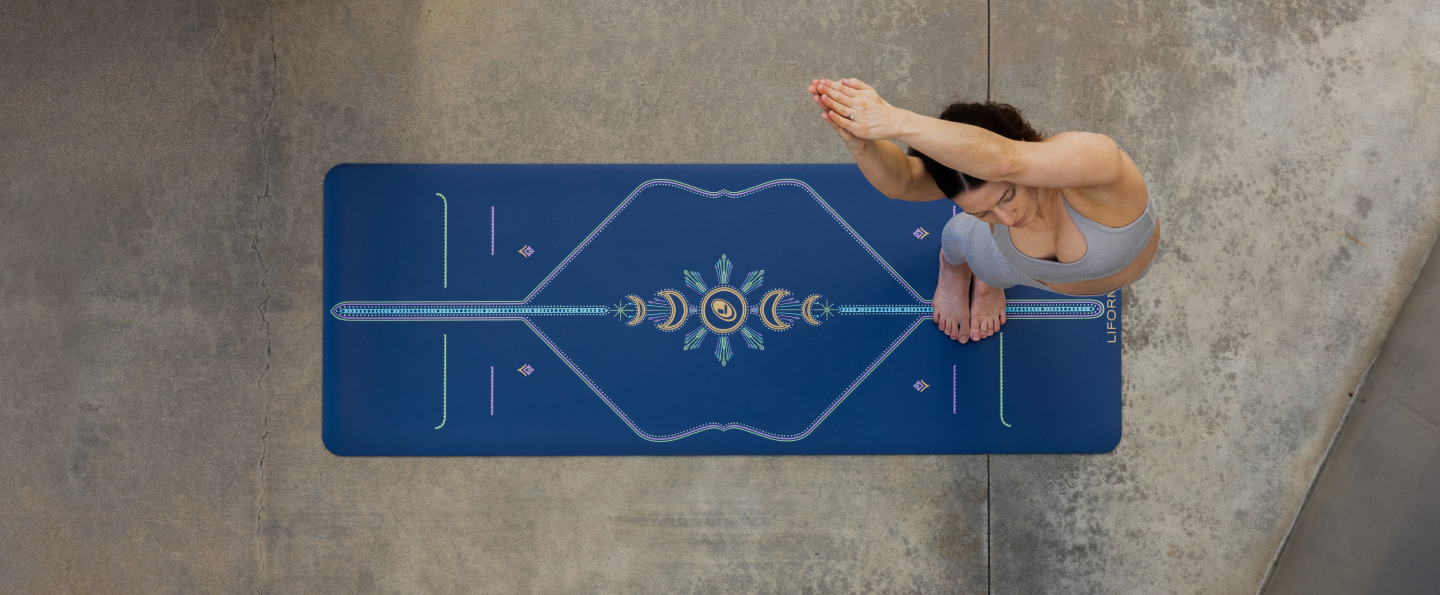
Liforme's mat is famous for its alignment markers that help you position hands and feet precisely, and its natural rubber base provides excellent grip even in sweaty conditions. The large canvas-topped surface also aids moisture control. The caveat is that the alignment markings can fade with repeated cleaning, and the mat is fairly heavy.
Main limitation: The printed alignment lines may wear off after several months of hot practice.
Skip if: Yogis who want a simple, uncluttered mat without visual guides.
Compare key specs and features of all our recommendations side-by-side
| Product | Recommendation | Rating | Price |
|---|---|---|---|
B MAT Strong 6mm Rank #1 | 🏆 Top Pick | 9.0/10 | $160–$180 Check current price → |
Gaiam Dry Grip Yoga Mat Rank #2 | 💰 Budget Pick | 8.0/10 | $35–$45 Check current price → |
Manduka GRP Yoga Mat Rank #3 | ⭐ Editor's Choice | 8.5/10 | $110–$130 Check current price → |
Lululemon The Mat 5mm Rank #4 | — | 8.3/10 | $148 (fixed) Check current price → |
Alo Yoga Warrior Mat Rank #5 | — | 7.8/10 | $120–$135 Check current price → |
Liforme Yoga Mat Rank #6 | — | 8.0/10 | $140–$155 Check current price → |
Common questions buyers have about this category.
Most standard yoga mats are made from PVC or TPE with a smooth surface that doesn't channel moisture away. When sweat accumulates between your skin and the mat, it creates a thin lubricating film. Hot yoga–specific mats use microtextured surfaces, absorbent top layers, or materials like natural rubber and polyurethane that become stickier when wet, preventing the film from forming.
A yoga towel can be a lifesaver in a hot class—it absorbs sweat and adds a non-slip layer over a standard mat. However, towels can shift mid-pose, and they don't provide the cushioning or tactile feedback of a dedicated hot yoga mat. If you practice frequently, investing in a well-designed hot yoga mat will offer more consistent grip and stability. If you're on a budget, a towel works fine as a temporary solution.
For hot yoga, 4mm–6mm is the sweet spot. Thinner mats (1.5mm–3mm) are lighter and more portable but offer little joint cushioning on hard floors. Thicker mats (6mm+) feel plush but can compromise balance in standing poses. If you have sensitive knees or wrists, lean toward 5mm–6mm; if you prioritize ground connection and lightness, 4mm is a good compromise. Always try a mat in-studio if possible.
After every class, spray your mat with a 1:3 mixture of vinegar and water (or a commercial mat cleaner) and wipe it down with a soft cloth. Hang it to air dry, but avoid direct sunlight, which can degrade natural rubber. For deeper cleaning, use a mild soap and water solution and rinse thoroughly. Do not machine wash or soak plastic/rubber mats, as it can damage the internal structure.
Natural rubber generally provides better wet grip than standard PVC and is more biodegradable, making it a sustainable choice. However, rubber mats can have a strong smell initially and are heavier. PVC mats are cheaper and more durable, but many 'sticky' PVC mats lose their grip when wet. The exception is PVC mats with special texturing like Gaiam's Dry Grip. Ultimately, it comes down to personal preference—try both and see which feels more stable.
Alignment lines, like those on Liforme, can be helpful for beginners or anyone refining their posture. They provide immediate visual feedback for hand and foot placement, which is especially useful in a hot, sweaty class where you might be distracted by discomfort. That said, alignment marks are not a substitute for a qualified teacher, and some advanced yogis find them unnecessary once they know their body's alignment naturally.
The lifespan depends on material and care. PVC mats can last 3–5 years, while natural rubber mats may start breaking down after 2–3 years of frequent hot practice. Signs it's time to replace include peeling top layers, persistent odor, or a loss of grip even after surface cleaning. If you practice daily, inspect your mat every few months for early signs of wear—investing in a new mat is cheaper than injuring yourself from a sudden slip.
Products we evaluated but did not recommend — and why.
