Get the App
Better experience on mobile
Stay grounded in the hottest rooms with mats engineered for moisture-wicking performance and wet-grip traction.
Hot yoga is a different beast. In a room heated to 105°F with 40% humidity, your mat transforms from a simple prop into a critical piece of safety equipment. Sweat pools on the surface within minutes, turning even a slightly worn mat into a slip hazard. The difference between a good hot yoga session and a frustrating one often comes down to one thing: whether your mat can maintain traction when soaked.
Most yoga mats are designed for ambient conditions, not the torrential sweat of a Bikram or hot vinyasa class. A mat that feels sticky in a normal class can become a skating rink in a hot room. That's why hot yoga practitioners need to prioritize specific features: a moisture-wicking top layer, a rubber base that grips the floor even when wet, and a material that won't break down after repeated exposure to sweat and cleaning.
We spent hours researching published expert reviews, manufacturer specifications, and aggregated buyer feedback to identify the mats that consistently perform in hot conditions. We focused on wet grip, durability, cushioning versus stability, material safety, and value across price points. Whether you're a beginner looking for an affordable entry point or a seasoned yogi ready to invest in a premium mat, this guide covers options from under $50 to over $150.
The six picks below represent the best of what's available in 2026. Each has been chosen for a specific strength—whether that's uncompromising grip, budget-friendly performance, or a reversible design that suits multiple practices. We've also noted the trade-offs, because no mat is perfect for everyone.
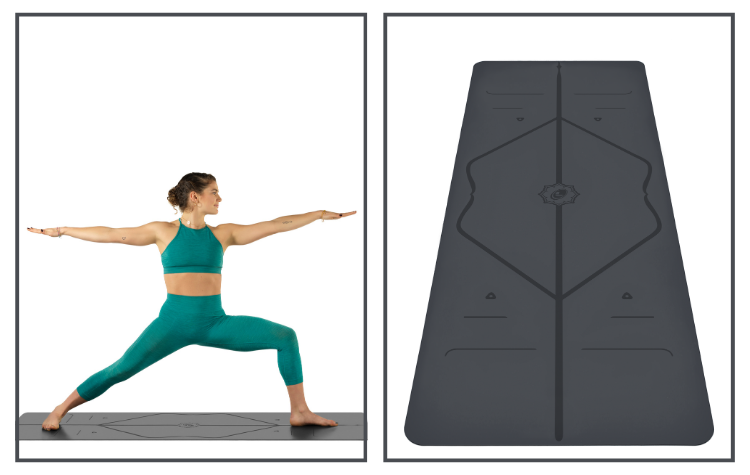
The Liforme Original sets the standard for hot yoga with its proprietary GripForMe surface that stays tacky even when soaked, plus etched alignment markers that help you fine-tune poses. However, it's a significant investment and the top layer can wear down with heavy use, especially if you practice daily.
Main limitation: The high price and relatively thin 4.2mm cushioning may not suit those needing extra joint support.
Skip if: Skip it if you're on a tight budget or prefer a thicker, plusher mat for restorative practices.
The Gaiam Dry-Grip delivers impressive wet traction for under $50, with a moisture-wicking top layer that keeps your hands from sliding during sweaty flows. It's not as durable as premium mats, and the cushioning may flatten over time, but it's a fantastic entry point for hot yoga.
Main limitation: The material can develop a lingering odor and may start to peel after months of regular hot yoga use.
Skip if: Skip it if you practice intensely more than three times a week and need a mat that will last for years.
Manduka's GRP Adapt is engineered specifically for hot yoga, featuring a closed-cell top layer that wicks sweat away while maintaining a reliable grip. It's heavier and pricier than standard mats, but its durability and odor resistance are top-notch.
Main limitation: At 5mm and 5.5 lbs, it's bulky to carry, and the grip can feel less sticky than Liforme's when extremely wet.
Skip if: Skip it if you need a lightweight mat for commuting or prefer an open-cell mat that absorbs sweat.
The B Mat Everyday is legendary among hot yogis for its exceptional grip when wet, thanks to a rubber base and a polyurethane top layer that actually gets tackier as you sweat. It's on the heavier side and requires regular cleaning, but it handles torrential sweat better than almost anything else.
Main limitation: The open-cell top layer absorbs sweat and can harbor bacteria if not cleaned after every session.
Skip if: Skip it if you're not willing to commit to a consistent cleaning routine or if you prefer a closed-cell mat.
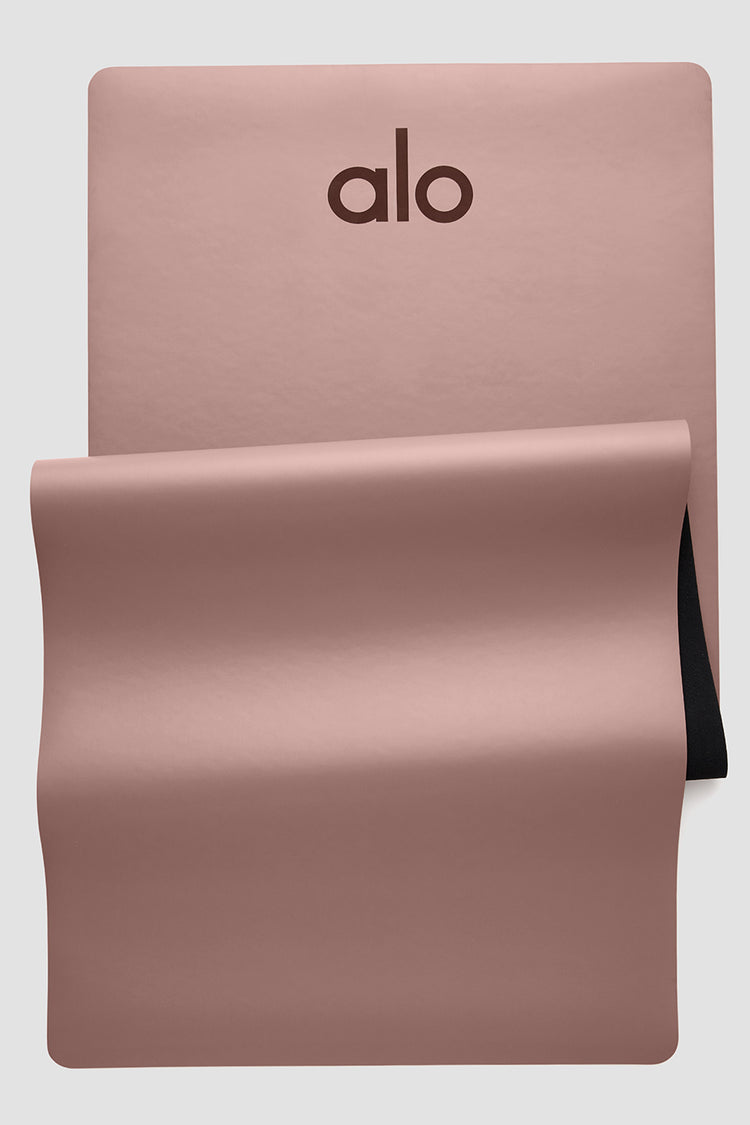
The Alo Warrior Mat offers a luxurious, cushioned feel with a dry-wicking top layer that keeps you stable during hot vinyasa classes. It's a favorite in boutique studios for its style and performance, but the strong rubber smell out of the box and hefty weight are notable drawbacks.
Main limitation: The initial chemical odor can take weeks to dissipate, and at 5mm and 6 lbs, it's not travel-friendly.
Skip if: Skip it if you're sensitive to smells or need a portable mat for studio hopping.
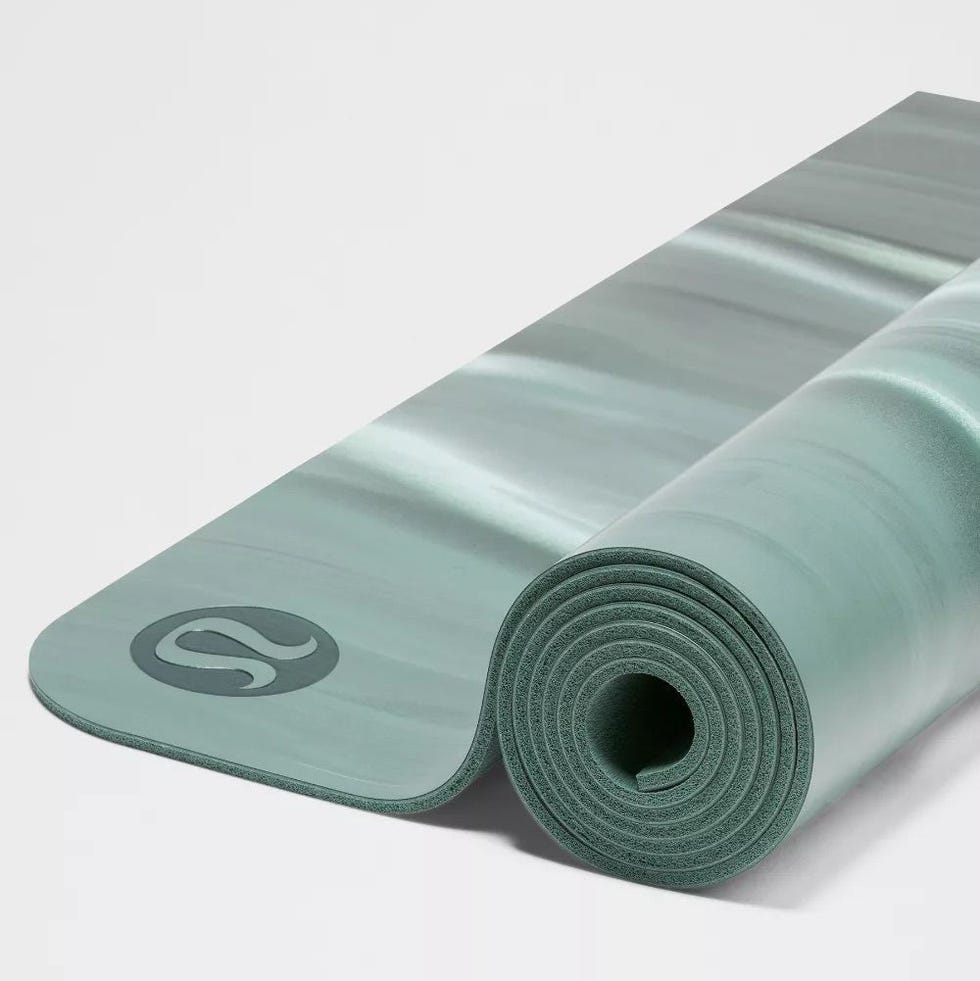
Lululemon's The Mat is reversible: one side offers a grippy, moisture-wicking surface for hot yoga, while the other provides extra cushioning for restorative work. It's a versatile choice, but the rubber scent lingers and the grip isn't quite as aggressive as dedicated hot yoga mats.
Main limitation: The top layer can pill and wear down with frequent use, and the mat is heavy at 5.24 lbs.
Skip if: Skip it if you need maximum wet grip for extreme sweat or prefer a lighter mat for daily carry.
Compare key specs and features of all our recommendations side-by-side
| Product | Recommendation | Rating | Price |
|---|---|---|---|
Liforme Original Yoga Mat Rank #1 | 🏆 Top Pick | 9.2/10 | $150–$170 Check current price → |
Gaiam Dry-Grip Yoga Mat (5mm) Rank #2 | 💰 Budget Pick | 8.0/10 | $40–$50 Check current price → |
Manduka GRP Adapt Yoga Mat Rank #3 | ⭐ Editor's Choice | 8.8/10 | $120–$140 Check current price → |
B Yoga B Mat Everyday (4mm) Rank #4 | — | 8.5/10 | $80–$100 Check current price → |
Alo Yoga Warrior Mat Rank #5 | — | 8.3/10 | $100–$120 Check current price → |
Lululemon The Mat 5mm Rank #6 | — | 8.4/10 | $98–$118 Check current price → |
Common questions buyers have about this category.
A good hot yoga mat must maintain grip when wet, resist moisture absorption or wick sweat away, and be durable enough to withstand frequent cleaning. Materials like polyurethane, microfiber, and natural rubber with a closed-cell top layer are common choices. Thickness also matters: 4mm to 5mm provides a balance of cushioning and stability when you're sweaty.
Not necessarily. If your mat is designed for hot yoga—with a moisture-wicking or grip-when-wet surface—you may not need a towel. However, some practitioners still use a thin, grippy towel for extra absorbency or hygiene. If you do use a towel, choose one with silicone dots on the underside to prevent bunching.
Most hot yoga practitioners prefer 4mm to 5mm mats. Thinner mats (3mm) offer greater stability for balance poses but less cushioning for joints. Thicker mats (6mm+) can feel unstable in standing poses when sweat is involved. If you have joint pain, consider a 5mm mat with a dense, supportive core rather than a soft, squishy one.
Natural rubber is an excellent base material because it grips the floor well and is eco-friendly. However, the top layer matters more for hot yoga. Some natural rubber mats have open-cell surfaces that absorb sweat (good for grip, but require cleaning), while others have closed-cell or polyurethane tops that wick moisture. Check the specific construction before buying.
For open-cell mats, spray with a diluted vinegar solution or a gentle mat cleaner and wipe down after every session, then hang to dry completely. Closed-cell mats can be wiped with a damp cloth and mild soap. Avoid harsh chemicals, and never put a natural rubber mat in the washing machine unless the manufacturer explicitly says it's safe.
With regular use (3–5 times per week), a high-quality hot yoga mat may last 1–3 years before losing grip or showing wear. Budget mats often last 6–12 months. Durability depends on material, cleaning habits, and how aggressively you practice. Closed-cell mats tend to outlast open-cell ones, but open-cell mats can be reconditioned with proper care.
Premium mats like Liforme and Manduka GRP often justify their price with superior wet grip, durability, and warranties. If you practice hot yoga multiple times a week, the investment can pay off in safety and longevity. However, budget-friendly options like the Gaiam Dry-Grip perform well for casual practitioners, so it depends on your frequency and sweat level.
Products we evaluated but did not recommend — and why.
