Get the App
Better experience on mobile
From budget-friendly options to premium mats, these six picks handle heat, moisture, and intense practice without slipping.
Hot yoga transforms the equation for yoga mats: heat and sweat turn ordinary PVC surfaces from dependable to treacherous. The best hot yoga mats don't just resist moisture—they actively get grippier as your palms and feet become damp. That's why materials like natural rubber, polyurethane, and high-grip microfiber dominate this category, while standard cushioned mats can leave you slipping into destabilizing poses.
Finding the right mat isn't just about price. It's about understanding how the mat's surface reacts to humidity, how much sweat it can absorb before losing traction, and how well the underlying material resists degradation from frequent hot sessions. A mat that works beautifully in a 75°F studio may fail you at 105°F with 40% humidity. We've focused on mats specifically designed for sweaty practices, cross-referencing manufacturer claims with dozens of verified user experiences to separate marketing from performance.
Our selections span every price range, from a truly affordable option that doesn't compromise on wet grip to premium mats used by dedicated hot yogis worldwide. We've also considered weight and portability—some mats are heavy enough to stay put but become burdensome on the commute to your studio. Each pick is rated based on its overall value, niche strengths, and any trade-offs you should know about before buying.
Whether you're a Bikram beginner or a power yoga veteran, the mats below represent the best current options for keeping you stable, safe, and comfortable when the heat is on.
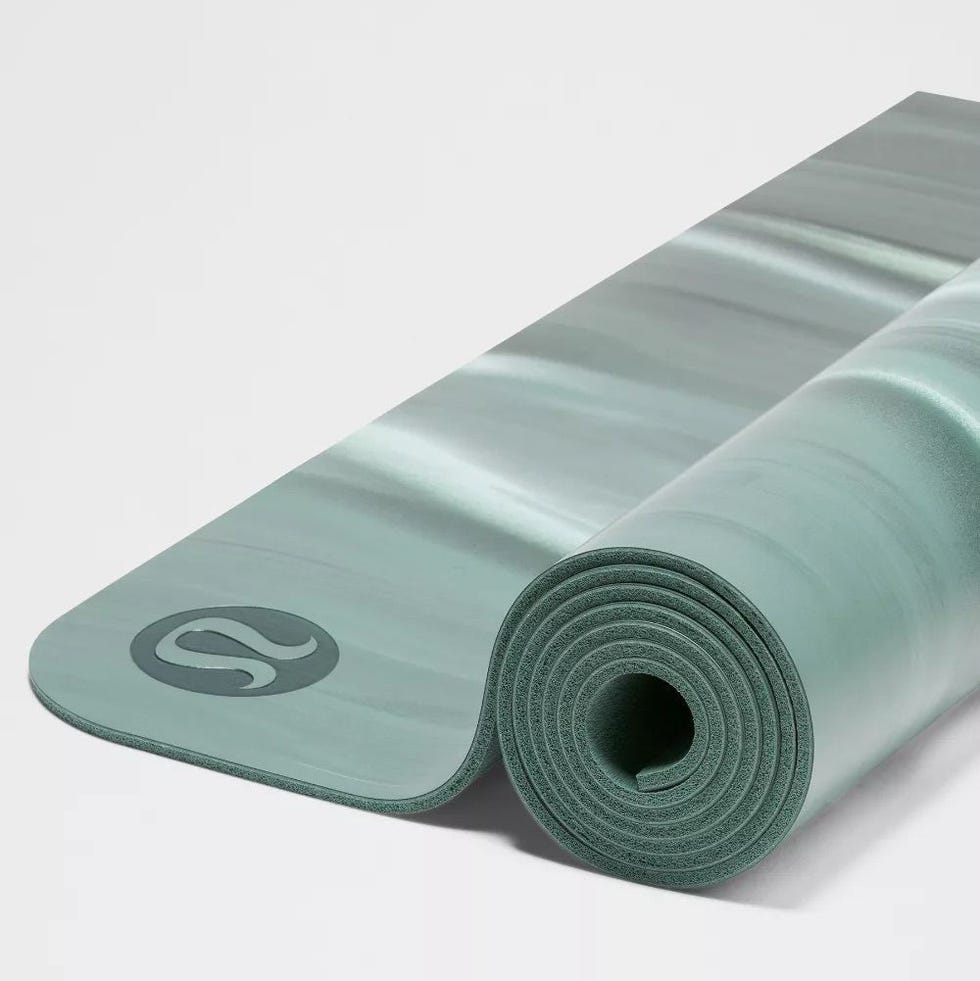
Lululemon's The Mat features a polyurethane top layer that becomes increasingly grippy as you sweat, making it a top choice for hot yoga. The natural rubber base provides durable traction on studio floors, and the 5mm thickness offers a balanced cushion. The main trade-off is its hefty weight and premium price, which may not suit yogis who need a portable mat.
Main limitation: At about 7 pounds, it's heavy to carry to and from the studio, and the rubber can emit a strong odor during its first few uses.
Skip if: Skip this mat if you exclusively practice at home and want something lighter and easier to store.
The IUGA Pro delivers surprisingly strong wet-grip performance at a fraction of the cost of premium mats. Its non-slip top layer handles sweat well, while the included alignment lines help with pose positioning. The 5mm thickness offers decent comfort, though it's not as plush as pricier options.
Main limitation: The alignment lines can be distracting for some yogis, and the mat's grip may decline slightly after a year of heavy use.
Skip if: Skip if you prefer a minimalist mat without printed alignment markers or need a wider, extra-long surface.
Manduka's GRP (Grip Reborn) mat is engineered specifically for hot and power yoga, featuring a proprietary natural rubber top that grips fiercely even when saturated. The tapered edges reduce tripping hazards during dynamic flows, and the excellent traction helps with challenging standing balances. The trade-off is a stiffer feel that some may find less plush.
Main limitation: The mat can be slippery until it's broken in, and it's heavier than many travel-friendly options.
Skip if: Not ideal for those who prefer a soft, cushioned surface for restorative hot classes.
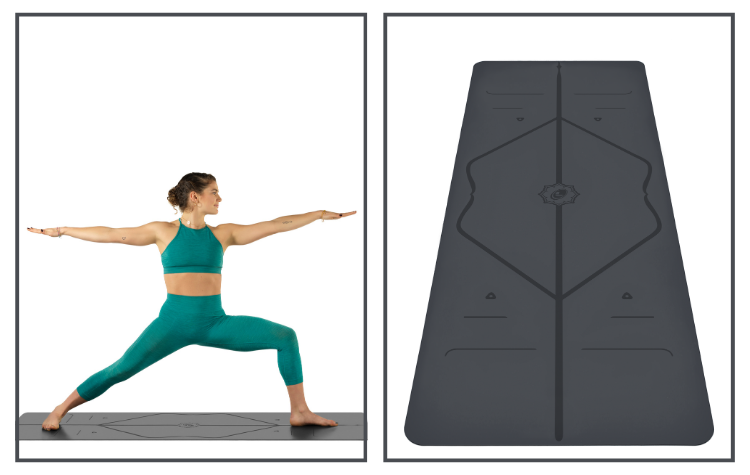
Liforme's mat features a unique built-in alignment system that helps you position hands and feet correctly, making it popular among teachers and dedicated practitioners. The natural rubber base offers good grip, and the microfiber top layer handles sweat surprisingly well. Its premium construction and design come at a premium price.
Main limitation: The alignment markings can be visually overwhelming for some, and the mat requires regular cleaning to prevent sweat buildup.
Skip if: Skip if you prefer an unmarked, simple mat or want a heavier mat that stays put during intense sessions.
B-Mat Strong is built for intense, consistent use, with a rugged natural rubber surface that becomes more grippy with sweat. Its 5mm thickness provides substantial cushioning for knees and joints, and the mat's dense build resists wear and tear impressively. It's on the heavier side, making it less portable.
Main limitation: Weighs about 6.5 pounds and may feel too stiff for beginners seeking a plush feel.
Skip if: If you plan to carry your mat to classes on a daily basis, look for a lighter alternative.
Yoloha's cork mat combines natural cork and rubber for a non-slip surface that actually improves with moisture. Cork is naturally antimicrobial, making it a hygienic choice for sweaty practices, and the mat's sustainability credentials are strong. The cork surface requires breaking in and may feel rough on the hands initially.
Main limitation: Cork can stain or absorb darker oils over time, and the mat's grippy texture may be too abrasive for sensitive skin.
Skip if: Skip if you prefer a soft, plush cushioning underfoot or dislike the earthy smell of cork.
Compare key specs and features of all our recommendations side-by-side
| Product | Recommendation | Rating | Price |
|---|---|---|---|
Lululemon The Mat 5mm Rank #1 | 🏆 Top Pick | 9.3/10 | $128–$148 Check current price → |
IUGA Pro Non-Slip Yoga Mat Rank #2 | 💰 Budget Pick | 8.4/10 | Around $70 Check current price → |
Manduka GRP Yoga Mat Rank #3 | ⭐ Editor's Choice | 8.8/10 | $118–$138 Check current price → |
Liforme Original Yoga Mat Rank #4 | — | 8.7/10 | $150–$170 Check current price → |
B Mat Strong Yoga Mat Rank #5 | — | 8.5/10 | $90–$110 Check current price → |
Yoloha Original Cork Yoga Mat Rank #6 | — | 8.0/10 | $95–$120 Check current price → |
Common questions buyers have about this category.
A hot yoga mat must provide grip that remains effective—or even improves—when exposed to sweat and high humidity. Look for materials like natural rubber, polyurethane, or microfiber that draw moisture away from your skin and maintain traction. Closed-cell surfaces, like PVC, tend to become slippery, while open-cell surfaces absorb sweat and offer better grip but require more frequent cleaning.
For hot yoga, a thickness of 4mm to 5mm is generally recommended. Thicker mats (6mm and up) provide more cushioning but can compromise stability during balancing poses. Thinner mats (under 4mm) give excellent ground feedback but may not be comfortable for your knees or wrists in aggressive sequences. Choose a mat that balances cushioning with the firm grip needed for safe execution of poses.
Yes, cork mats are a popular eco-friendly choice for hot yoga. Cork has a naturally high coefficient of friction that increases when wet, offering excellent grip for sweaty hands and feet. Additionally, cork is antimicrobial and resistant to odor, making it hygienic. The main downside is that cork can be abrasive for those with sensitive skin and requires a break-in period as the surface softens.
For mats with open-cell surfaces (like rubber or microfiber), wipe down after each session using a mixture of one part vinegar to three parts water or a yogurt-specific mat cleaner. Avoid harsh detergents that can break down the mat's surface. For closed-cell mats, you can use a diluted dish soap solution. Always air-dry the mat thoroughly before rolling, and never put it in a washing machine or dryer.
Some hot yoga mats are sufficient on their own, but many practitioners still prefer a towel to absorb excess sweat, especially on their hands and feet. A towel also adds a layer of hygiene and can improve grip when placed on top of a less-grippy mat. If your mat has a polyurethane or microfiber surface, you may not need a towel—test it out first. For cork and open-cell mats, a towel can extend time between cleanings.
Natural rubber mats are generally superior for hot yoga because they offer better grip, are more sustainable, and often become stickier as they heat up. PVC mats, conversely, are less expensive and durable, but they become slippery when sweaty and may contain phthalates that release at high temperatures—not ideal for hot yoga. If you have a latex allergy, choose a mat labeled 'latex-free' natural rubber or alternative synthetic mats.
Depending on usage and care, a high-quality material can last between 2 and 5 years. Natural rubber mats degrade faster if exposed to direct sunlight or high heat when not in use. Frequent hot yoga sessions—5+ times per week—can compress the resilience of even the best mats. Rotating between two mats and cleaning them properly can extend their lifespan significantly.
Products we evaluated but did not recommend — and why.
