Get the App
Better experience on mobile
Get the best products related to our top picks
In an increasingly interconnected world, selecting the right world atlas map is more than just picking up a book—it's about equipping yourself with a reliable tool for navigation, education, learning global geography, or planning adventures. World atlases serve diverse needs: from students grasping country borders and climate zones to travelers uncovering hidden gems, researchers analyzing trade routes, or families homeschooling with interactive content. A quality atlas provides accurate, up-to-date maps that reflect real-world changes like geopolitical shifts, environmental data, and urban expansions, preventing misinformation that could derail studies or trips.
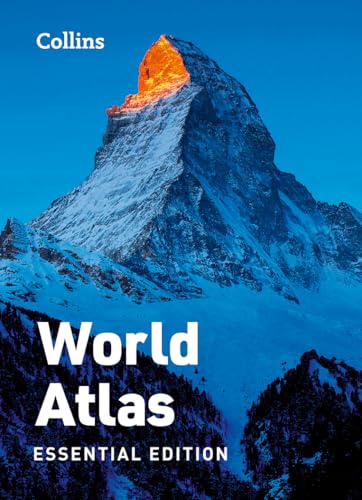
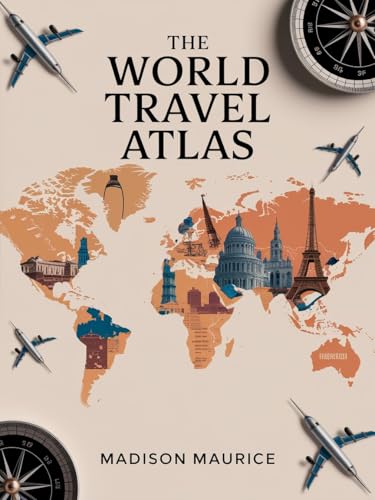
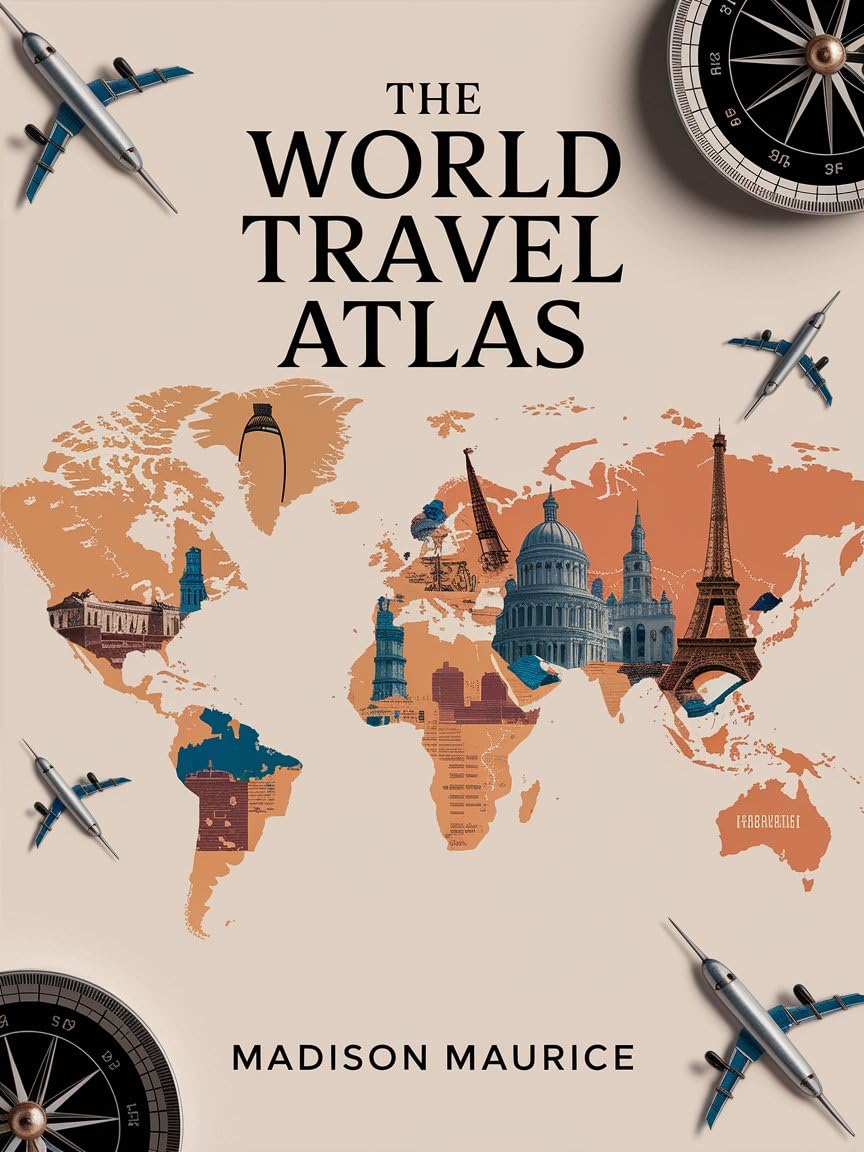
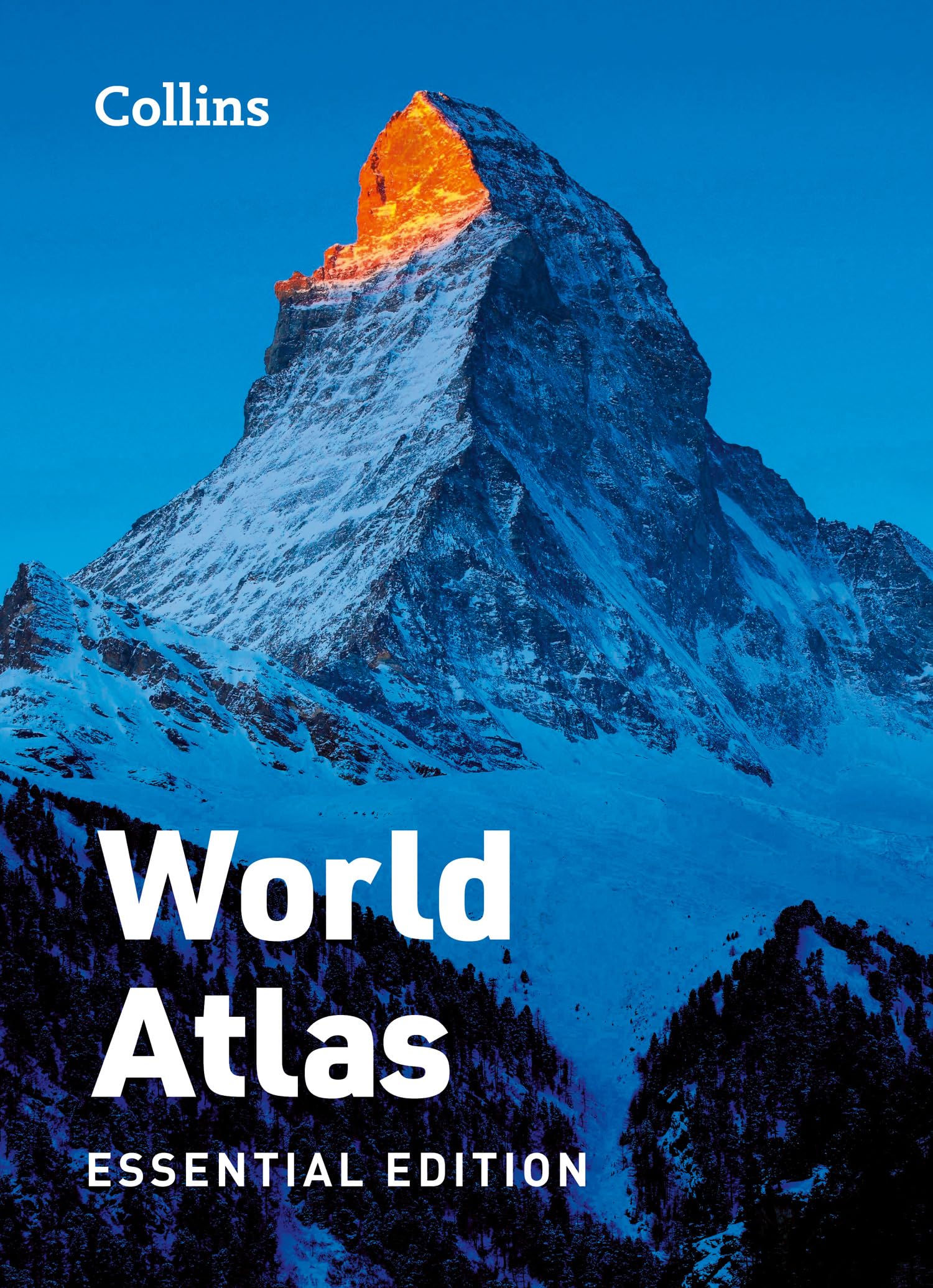
This guide compares budget-friendly options against premium ones. Budget atlases, often priced at $0 (digital or basic editions), focus on core essentials like basic maps and facts, ideal for casual users or those testing the waters without commitment. Premium editions, up to $23.99, offer enhanced details such as high-resolution visuals, interactive elements, and specialized insights, justifying the cost for professionals or enthusiasts who demand depth. Free or low-cost picks like The Ultimate Interactive World Atlas and The World Travel Atlas provide accessible entry points with fun activities, while mid-range like Atlas Gothica ($13.99) adds quirky, alternative perspectives. At the higher end, the Collins World Atlas: Essential Edition ($23.99) and UPDATED WORLD ATLAS 2025-2026 ($0.00, likely a promotional digital version) deliver comprehensive, research-grade data.
Readers will learn key features to evaluate, such as map accuracy and interactivity; budget breakdowns to match spending to needs; pitfalls like overlooking update dates; and tailored recommendations. We'll review all five products—Atlas Gothica, The Ultimate Interactive World Atlas, The World Travel Atlas, UPDATED WORLD ATLAS 2025-2026, and Collins World Atlas: Essential Edition—highlighting pros, cons, and ideal users to help you decide confidently for 2025's evolving global landscape. (Word count: 278)
When evaluating world atlas maps, focus on these 5-7 specific features to ensure the product aligns with your goals:
Map Detail and Accuracy: Look for high-resolution maps with precise boundaries, topography, and labels. For instance, premium atlases like the Collins World Atlas include satellite-derived imagery and updated political boundaries post-2024 elections, while budget options may rely on simplified outlines without recent changes like new trade corridors in Asia.
Interactivity and Format: Digital or interactive atlases, such as The Ultimate Interactive World Atlas, offer clickable maps, quizzes, and zoomable views via apps or PDFs, enhancing engagement for students. Traditional print versions, like Atlas Gothica, prioritize portability but lack searchability—check if it supports AR overlays or online companions.
Content Depth: Beyond maps, assess included data like country facts, climate zones, population stats, and economic insights. The UPDATED WORLD ATLAS 2025-2026 excels here with sections on trade routes and geographic insights, whereas travel-focused ones like The World Travel Atlas emphasize cultural adventures over raw data.
Update Frequency and Currency: Atlases should reflect 2025 realities, including climate-impacted coastlines or emerging nations. Opt for editions dated 2025-2026, avoiding pre-2023 prints that miss events like Arctic route openings.
Visual Quality and Usability: Evaluate color schemes for color-blind accessibility, font clarity, and index thoroughness. Premium picks use eco-friendly inks and durable bindings; budget freebies might have lower-res scans prone to pixelation on screens.
Educational or Specialized Tools: For learning, seek activities, glossaries, or homeschool alignments, as in The Ultimate Interactive World Atlas. Researchers need citation-ready sources, found in Collins.
Portability and Accessibility: Consider size (pocket vs. desk) and formats (print, e-book, app). Digital $0 options like The World Travel Atlas are lightweight for travel, but print like Collins offers tactile reference.
World atlas prices span $0 to $23.99, dividing into clear tiers that dictate value.
At the entry level ($0), products like The Ultimate Interactive World Atlas, The World Travel Atlas, and UPDATED WORLD ATLAS 2025-2026 are often free digital downloads or promotional e-books. You get basic maps, introductory facts, and light activities—sufficient for casual browsing or budget-conscious families. Limitations include shallower content and potential ads/watermarks, but they're risk-free starters.
Mid-range ($13.99) features Atlas Gothica, offering unique, curiosity-driven narratives with maps. This tier adds personality and moderate depth without premium costs, ideal for travelers seeking inspiration over exhaustive data. Expect solid production but fewer global stats.
Premium ($23.99) is exemplified by Collins World Atlas: Essential Edition, providing professional-grade maps, indexes, and durable hardcover builds. You gain longevity, accuracy, and extras like thematic sections on sustainability—worth it for educators or pros who use it frequently. Overall, allocate based on usage: free for trials, mid for fun, premium for reliability. Factor in long-term value; a $23.99 atlas might last years, amortizing to pennies per use.
The sweet spot lies in balancing robust features with affordability, typically $0-$15 for most users. Free options like UPDATED WORLD ATLAS 2025-2026 punch above their weight with 2025-specific data on climate and trade, rivaling pricier rivals in factual accuracy but falling short in visuals—performance is 80% of premium at 0% cost, perfect for students verifying homework.
At $13.99, Atlas Gothica offers high engagement through alternative destinations, delivering niche value that generic free atlases lack, though it skimps on comprehensive stats. For $23.99, Collins provides top-tier performance with detailed, indexed maps and global insights, justifying the price for heavy users (e.g., researchers) where precision saves time—think 95% utility vs. free's 70%. Avoid extremes: freebies suit light needs without buyer's remorse, but premium shines for depth. Test via previews; if interactivity matters, free digital edges out print premiums in accessibility.
Overlooking Edition Dates: Many buy outdated atlases (pre-2025), missing shifts like border changes in Eastern Europe—always verify publication year to avoid obsolete info.
Ignoring User Format Needs: Print enthusiasts grab digital-only freebies like The World Travel Atlas, leading to compatibility issues on non-tablet devices; match to your setup (e.g., app support for interactivity).
Focusing Solely on Price: Snagging the cheapest $0 option without checking depth means missing key features like climate zones in UPDATED WORLD ATLAS—review contents first.
Neglecting Intended Audience: Parents pick travel atlases like Atlas Gothica for kids, but its adult-oriented curiosities confuse young learners; align with age or purpose.
Skipping Index and Search Quality: Weak indexes in budget picks waste time hunting locations—test via samples to ensure quick navigation.
Our top three picks cater to varied needs. First, Collins World Atlas: Essential Edition ($23.99) is best for researchers and educators needing precise, durable reference with thematic maps—who value accuracy over flash. Second, UPDATED WORLD ATLAS 2025-2026 ($0.00) suits budget-savvy students or professionals seeking current data on trade and climate—ideal for free, comprehensive overviews. Third, The Ultimate Interactive World Atlas ($0.00) is perfect for homeschoolers and families with kids, offering activities and fun maps—who prioritize engagement without cost. (Word count: 742)
A world atlas is a comprehensive collection of maps organized by regions, continents, or themes, often including supplementary data like population statistics, climate details, and historical notes—far beyond a simple map book's focus on navigation routes or city layouts. For example, the Collins World Atlas: Essential Edition integrates thematic maps on trade routes, while a basic map book might only show highways. Atlases like UPDATED WORLD ATLAS 2025-2026 add value with 2025-specific insights, making them better for education or research. If you're just plotting a road trip, a map book suffices; for global understanding, an atlas provides context, helping users grasp interconnections like how climate zones affect migration patterns.
Yes, especially for beginners or budget users, as they offer 70-80% of the utility of paid versions without cost. The Ultimate Interactive World Atlas ($0.00) includes engaging activities and digital maps that rival the educational aspects of the $23.99 Collins, though with simpler graphics. Free options like The World Travel Atlas provide solid country facts but may lack the durable print and depth of premiums—ideal for testing needs or casual use. Paid atlases justify expense for pros needing high-res accuracy; always preview free digital samples to confirm they meet your interactivity or detail requirements before committing to purchases like Atlas Gothica.
World atlases should update every 1-2 years to capture geopolitical shifts, environmental changes, and urban growth—key for 2025 with ongoing climate impacts and border adjustments. Products like UPDATED WORLD ATLAS 2025-2026 and Collins World Atlas: Essential Edition are explicitly current, incorporating post-2024 data on Arctic routes and population booms. Older editions risk inaccuracies, such as outdated EU boundaries. For free digital ones like The Ultimate Interactive World Atlas, check publisher sites for patches; print like Atlas Gothica may not refresh easily. Prioritize 2025-dated editions to ensure relevance for planning or study.
For kids and homeschooling, opt for interactive, fun-focused options like The Ultimate Interactive World Atlas ($0.00), which includes quizzes, activities, and colorful maps to teach geography engagingly—aligned with curricula and more dynamic than the fact-heavy UPDATED WORLD ATLAS 2025-2026. It avoids the adult curiosities of Atlas Gothica ($13.99), which might overwhelm young learners, and offers better retention than the straightforward Collins ($23.99). Look for age-appropriate features like simplified labels and games; this free pick builds foundational skills without overwhelming detail, making lessons enjoyable for ages 8-14.
Digital atlases like The World Travel Atlas ($0.00) excel for travel with searchable, lightweight access on phones—zoomable maps and facts beat lugging the bulky Collins World Atlas ($23.99). However, they can't fully replace physical for offline reliability or tactile reference in remote areas; Atlas Gothica's print narratives add inspirational heft absent in digitals. Hybrids, like potentially app-linked freebies, bridge gaps, but battery life and screen glare are cons. For 2025 trips, digital suits urban explorers; physical for adventurers needing durability—combine both for comprehensive planning.
Accessibility matters for all users: seek color-blind-friendly palettes (e.g., patterns over reds/greens in Collins), large fonts, and audio options in digitals like The Ultimate Interactive World Atlas. Free options may have smaller text in PDFs, while premiums offer braille-compatible indices. For global data, ensure inclusive coverage of underrepresented regions—UPDATED WORLD ATLAS 2025-2026 includes diverse climate insights. Test previews for usability; if you need screen-reader support, digital freebies often integrate better with tools like VoiceOver.
For research, prioritize data-rich picks like UPDATED WORLD ATLAS 2025-2026 ($0.00) for its trade routes and stats, or Collins World Atlas: Essential Edition ($23.99) for cited, high-detail maps—both outperform adventure-focused ones like The World Travel Atlas in analytical depth. Avoid niche like Atlas Gothica for broad studies. Check for source references and exportable data in digitals; these 2025 editions support evidence-based work on topics like geographic insights, but supplement with online databases for hyper-specific queries.
Scan tables of contents or previews for dedicated sections—UPDATED WORLD ATLAS 2025-2026 explicitly includes climate zones and trade routes with maps, while Collins adds thematic visuals. Free options like The Ultimate Interactive World Atlas touch on basics via activities but lack depth compared to premiums. For 2025 relevance, verify coverage of current issues like sustainable shipping lanes; user reviews or publisher specs confirm this, ensuring the atlas aligns with your focus without generic overviews. (Word count: 512)
Compare key specs and features of all our recommendations side-by-side
| Product | Recommendation | Rating | Price |
|---|---|---|---|
Product Rank #1 | 🏆 Top Pick | — | — |
Product Rank #2 | — | — | |
 The World Travel Atlas : A Journey Through Every Country on Earth with Maps, Facts, and Unforgettable Adventures Rank #3 | — | — | Check price → |
Product Rank #4 | — | — | — |
 Collins World Atlas: Essential Edition Rank #5 | 💰 Budget Pick | — |
