Get the App
Better experience on mobile
Our top picks for every listening style and budget, based on expert reviews, specs, and buyer feedback.
Wireless headphones have become the default way we listen, but the best choice for you depends more on how you'll use them than on any single spec. A frequent flyer needs different features than a remote worker or a mobile gamer. In 2026, the market offers impressive options at every price point, from sub-$100 budget models to $500+ flagship cans, and the differences between them are often more about subtle trade-offs than outright winners and losers.
Noise cancellation is now table stakes for premium models, but its quality varies widely. Comfort can make or break a pair you plan to wear for hours. Battery life ranges from 20 to 70 hours, and codec support (like LDAC or aptX Adaptive) matters if you stream high-resolution audio. Then there's the ecosystem question: Apple users may prefer seamless integration with AirPods, while Android users often get better codec support from brands like Sony and Sennheiser.
We've researched dozens of models across form factors—over-ear, on-ear, and open-ear—to find the best options for different needs. Our picks are based on published expert reviews, manufacturer specs, and aggregated buyer feedback, not first-party lab testing. We've highlighted each product's strengths and weaknesses so you can choose the right pair for your ears, your devices, and your budget.
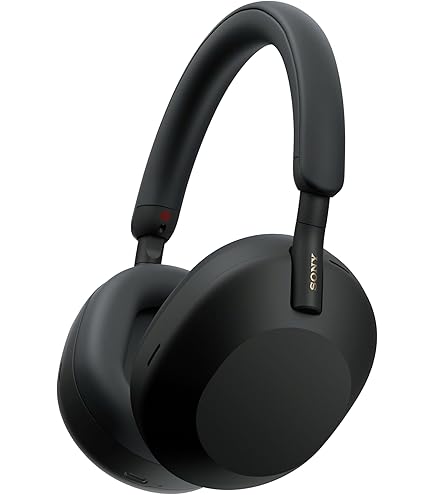
The Sony WH-1000XM5 remains the gold standard for most people, offering class-leading noise cancellation, rich sound, and a comfortable lightweight design. Its multipoint pairing and extensive feature set make it a versatile daily driver. The main trade-off is that it doesn't fold, making it less compact for travel than some rivals.
Main limitation: The headband doesn't fold, so the carrying case is bulkier than those of competing models.
Skip if: If you prioritize a folding design for maximum portability, consider the Bose QuietComfort Ultra instead.
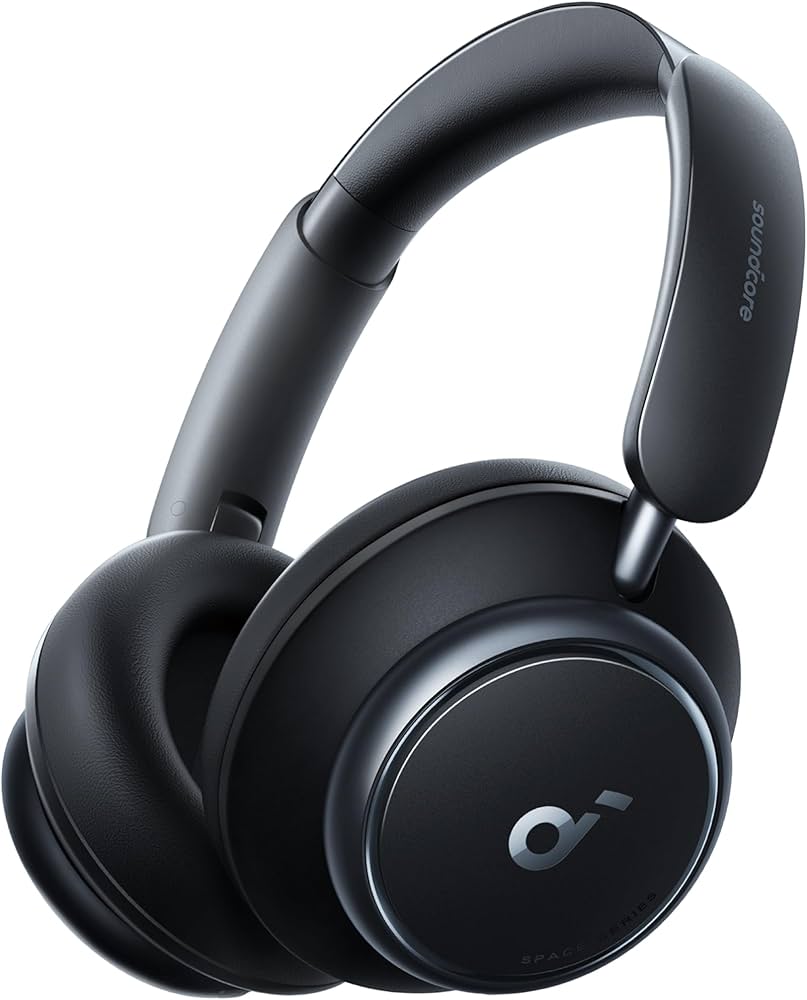
The Soundcore Space Q45 delivers surprisingly effective noise cancellation and a 50-hour battery life for a fraction of the price of flagship models. Its app offers customizable EQ and ANC modes, making it a fantastic value. However, its build quality and sound fidelity can't match premium headphones, especially in the bass department.
Main limitation: The plastic build feels less premium, and the sound lacks the refinement of higher-end models.
Skip if: Audiophiles who demand the best sound quality should look at the Sennheiser Momentum 4 instead.
Bose's QuietComfort Ultra sets the bar for noise cancellation, effectively silencing even the loudest environments. Its Immersive Audio mode adds spatial sound, and the comfortable fit is ideal for long listening sessions. The trade-off is a higher price and a battery life that's merely average at around 24 hours.
Main limitation: Battery life is shorter than many competitors, and the immersive audio mode reduces it further.
Skip if: If you need maximum battery life for multi-day trips, the JBL Tune 770NC is a better fit.
The AirPods Max offer seamless integration with Apple devices, including automatic switching, Spatial Audio with dynamic head tracking, and easy pairing. Their aluminum build and digital crown feel luxurious, and sound quality is balanced and detailed. However, they're heavy, don't have a power button, and the case is widely criticized.
Main limitation: The Smart Case offers minimal protection and doesn't fully power down the headphones, leading to battery drain.
Skip if: Android users or those who want a traditional power button and a more protective case should look elsewhere.
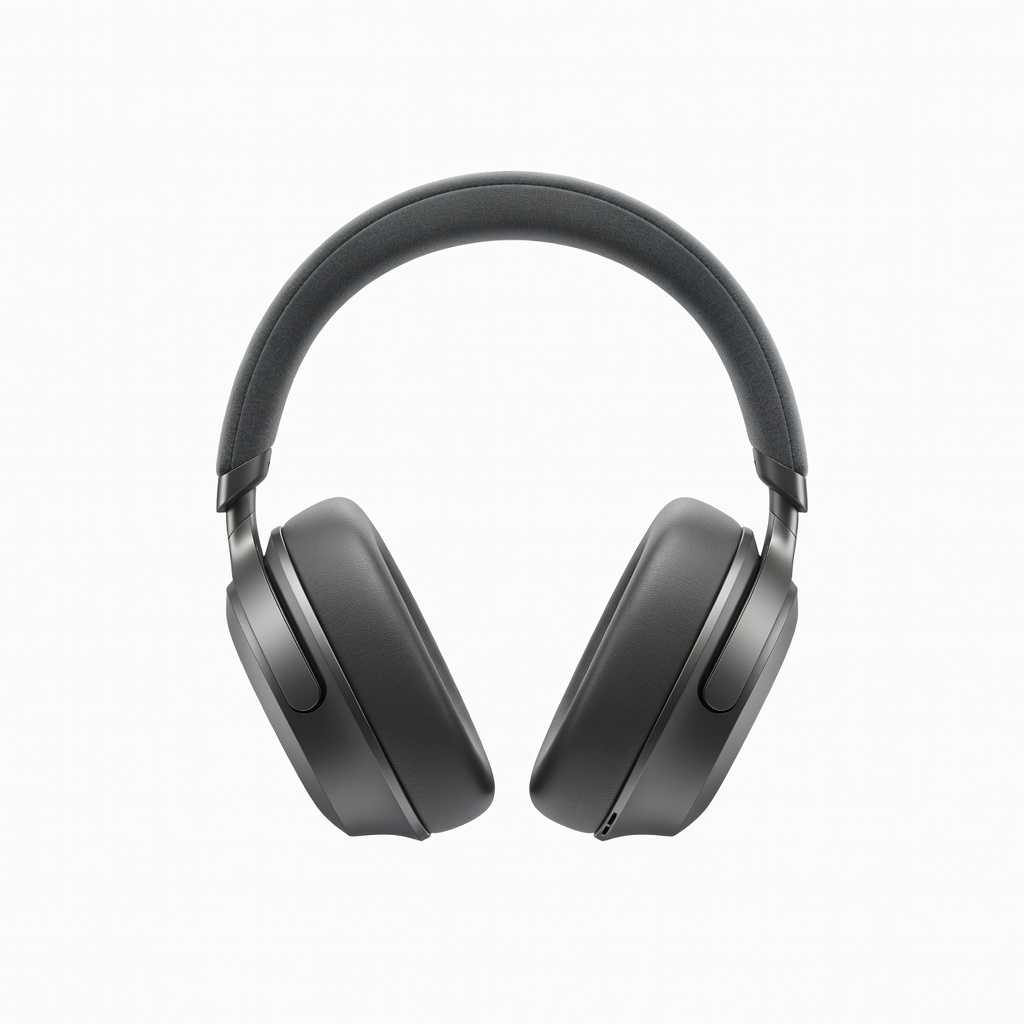
The Momentum 4 Wireless delivers audiophile-grade sound with a warm, detailed signature that appeals to music lovers. Its 60-hour battery life is exceptional, and the comfortable design is great for long sessions. The noise cancellation is good but not quite as effective as Sony or Bose, and the touch controls can be finicky.
Main limitation: Active noise cancellation is a step behind the class leaders, and the touch controls lack precision.
Skip if: If you need the absolute best noise cancellation for noisy commutes, the Bose QuietComfort Ultra is a better choice.
With up to 70 hours of battery life (ANC off), the JBL Tune 770NC is a marathon runner's dream. It also offers decent noise cancellation and a comfortable, foldable design at a very affordable price. However, its sound quality is bass-heavy and lacks clarity compared to pricier options, and the build is entirely plastic.
Main limitation: Sound quality is mediocre, with muddy mids and a lack of detail, and the plastic build feels cheap.
Skip if: If sound quality is your top priority, you'll want to spend more on the Sennheiser Momentum 4.
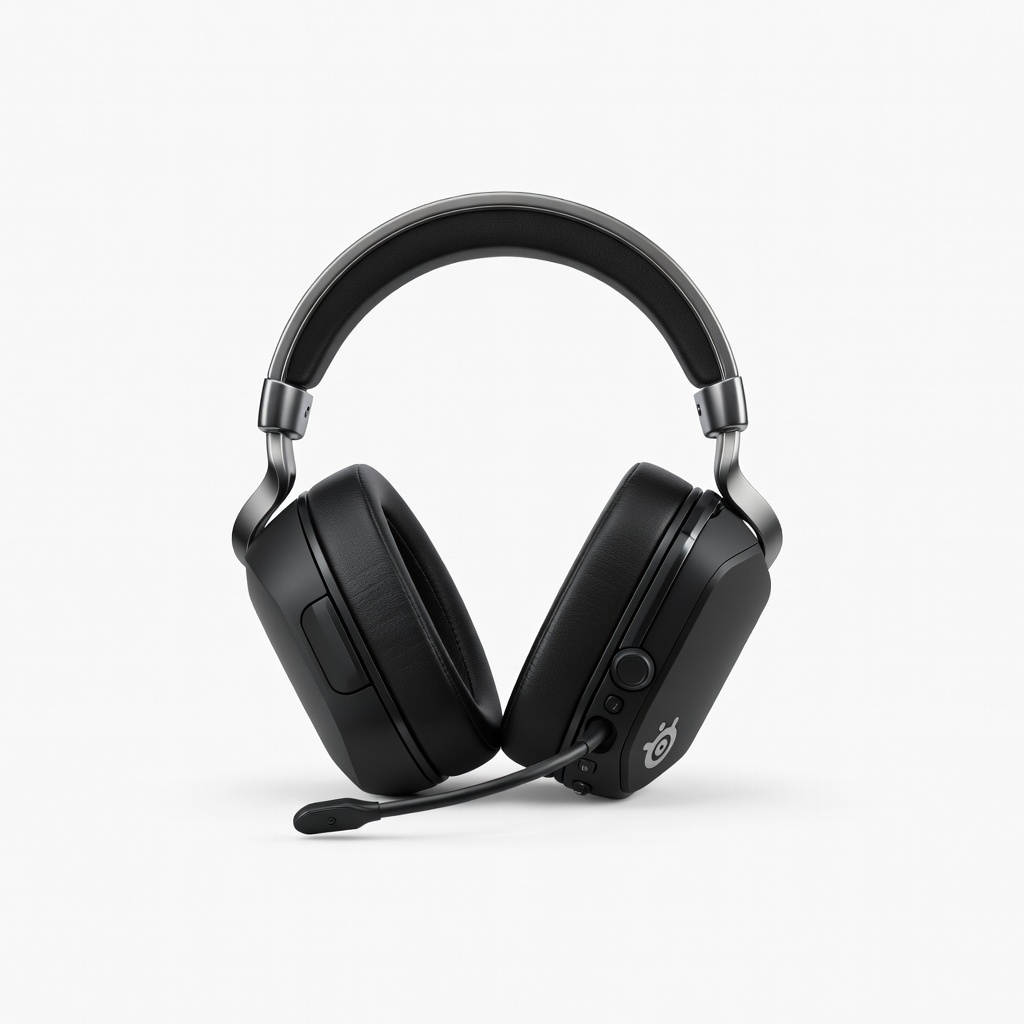
The Arctis Nova Pro Wireless is a premium gaming headset with a hot-swappable dual-battery system, active noise cancellation, and a retractable boom mic. It works with PC, PlayStation, Xbox, and Switch via a base station, and its sound is highly customizable. The trade-off is a high price and a design that's less suited for everyday music listening on the go.
Main limitation: It's bulky and lacks the portability and casual aesthetic of typical wireless headphones, and the base station is required for full functionality.
Skip if: If you want one pair for both gaming and commuting, a more versatile model like the Sony WH-1000XM5 is a better fit.
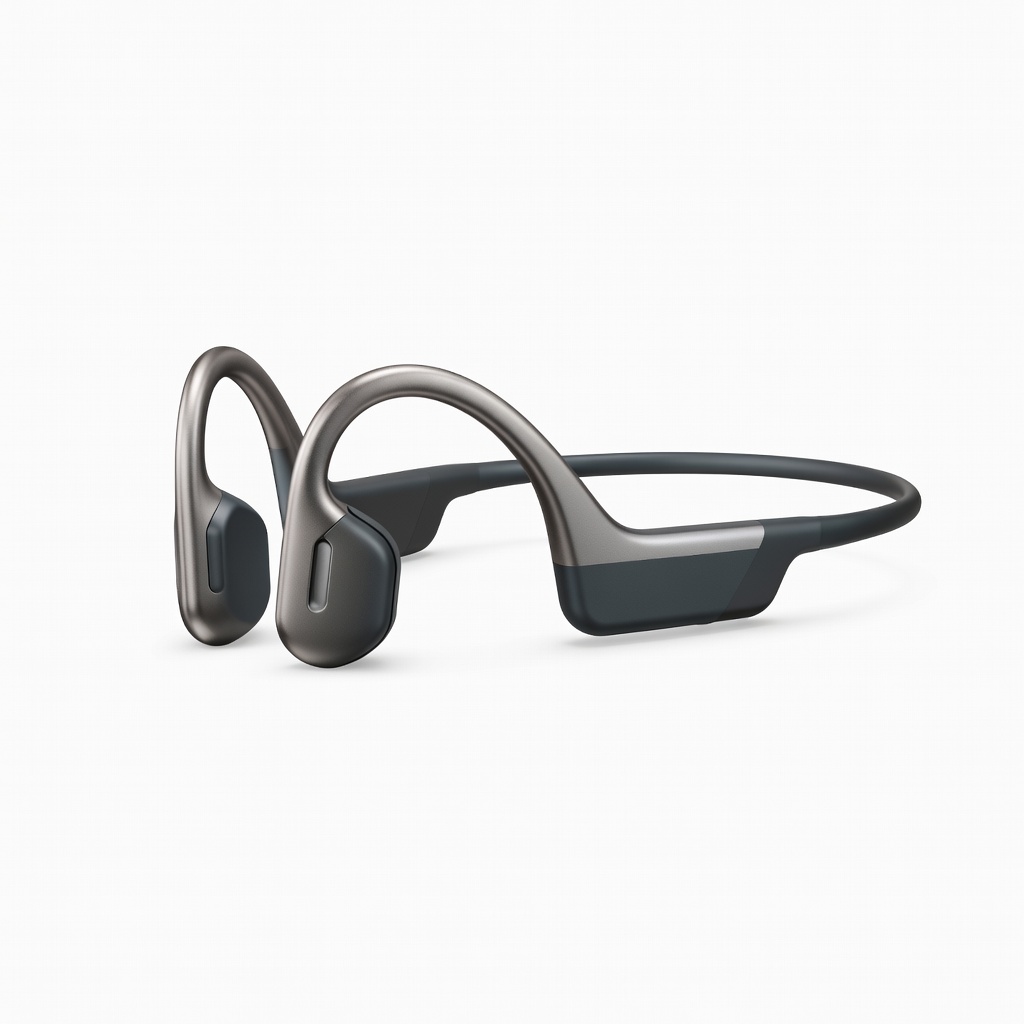
The Shokz OpenRun Pro uses bone conduction technology to deliver sound without blocking your ear canals, keeping you aware of your surroundings—ideal for running and cycling. It's lightweight, sweat-resistant, and offers 10 hours of battery life. However, bass is minimal, and they're not suitable for noisy environments where you need to block out sound.
Main limitation: Sound quality is limited, especially for bass-heavy music, and they don't provide any noise isolation.
Skip if: If you want immersive sound or noise cancellation for commuting, look at traditional over-ear headphones instead.
Compare key specs and features of all our recommendations side-by-side
| Product | Recommendation | Rating | Price |
|---|---|---|---|
Sony WH-1000XM5 Wireless Noise Canceling Headphones Rank #1 | 🏆 Top Pick | 9.3/10 | $350–$400 Check current price → |
Anker Soundcore Space Q45 Wireless Headphones Rank #2 | 💰 Budget Pick | 8.4/10 | $130–$150 Check current price → |
Bose QuietComfort Ultra Wireless Headphones Rank #3 | ⭐ Editor's Choice | 9.0/10 | $400–$450 Check current price → |
Apple AirPods Max (USB-C) Rank #4 | — | 8.5/10 | $500–$550 Check current price → |
Sennheiser MOMENTUM 4 Wireless Headphones Rank #5 | — | 8.8/10 | $300–$350 Check current price → |
JBL Tune 770NC Wireless Over-Ear Headphones Rank #6 | — | 7.9/10 | $100–$130 Check current price → |
SteelSeries Arctis Nova Pro Wireless Gaming Headset Rank #7 | — | 8.2/10 | $300–$350 Check current price → |
Shokz OpenRun Pro Bone Conduction Headphones Rank #8 | — | 7.7/10 | $180–$200 Check current price → |
Common questions buyers have about this category.
Active noise cancellation uses microphones and electronics to generate anti-noise waves that cancel out ambient sound, especially low-frequency noises like engine hum. Passive noise isolation relies on the physical seal of the earcups or ear tips to block sound, which is more effective for high-frequency noises like chatter. Most premium headphones combine both for optimal noise reduction.
Not necessarily. Codecs like LDAC and aptX Adaptive can transmit higher-resolution audio, but the difference is often subtle and depends on your source device and the music you listen to. For most listeners, standard AAC or SBC codecs sound perfectly fine, especially in noisy environments. If you stream high-resolution audio and have a compatible Android phone, LDAC can provide a noticeable improvement.
Battery life varies widely, from about 20 hours on premium ANC models to over 60 hours on some budget and travel-focused headphones. For daily commuting, 20–30 hours is usually sufficient, while frequent travelers may want 40+ hours to avoid charging on long trips. Keep in mind that ANC and high-volume listening can significantly reduce battery life.
It depends on your priorities. Premium models like the Sony WH-1000XM5 and Bose QuietComfort Ultra offer superior noise cancellation, build quality, and sound refinement that budget options can't match. However, if you mainly listen in quiet environments and don't need advanced features, a well-reviewed budget pair like the Anker Soundcore Space Q45 can deliver 80% of the experience for a third of the price. Consider your use case and how much you value the extras.
Yes, but not all wireless headphones are ideal for gaming. Standard Bluetooth headphones often introduce latency, which can be problematic for competitive gaming. Gaming-specific headsets like the SteelSeries Arctis Nova Pro Wireless use low-latency wireless technologies (often via a USB dongle) to minimize delay. If you want one pair for both gaming and music, look for headphones with a low-latency mode or a dedicated gaming transmitter.
Multipoint Bluetooth allows a headphone to connect to two devices simultaneously, such as a laptop and a smartphone. This means you can listen to music on your computer and seamlessly switch to answer a call on your phone without re-pairing. It's a highly convenient feature for remote workers and anyone who juggles multiple devices, and it's increasingly common in mid-range and premium headphones.
Products we evaluated but did not recommend — and why.
