Get the App
Better experience on mobile
From premium noise-canceling to budget-friendly, here are the best wireless earbuds that balance sound, fit, and features.
A pair of wireless earbuds is now as essential as a smartphone. But the market is saturated: flagship buds from Apple, Sony, and Bose demand $250+, while no-name knockoffs promise and deliver little. The real challenge is finding earbuds that match your specific priorities—whether that's noise cancellation for commuting, a secure fit for workouts, or just decent bass without breaking the bank.
What separates a top pick from a disappointing buy? It's not just sound quality. It's how the earbuds stay in your ears, how they handle calls in a noisy cafe, and how they work with your phone. Our selection is based on months of market analysis and synthesis of thousands of customer reviews, plus the work of trusted professional reviewers. We didn't test them in a lab, but we've read the lab reports.
In this guide, you'll find 8 of the best wireless earbuds of 2026, spanning from under $60 to over $300. We've focused on real-world usability and value, and we've flagged the trade-offs that line the fine print. Whether you're an iPhone loyalist, an Android power user, or just someone who wants music to replace the drone of an airplane, there's a pair here for you.
We'll also cover what really matters when you shop for earbuds—like battery life, codec support, and ANC strength—so you can walk away knowing exactly why we picked each one.

The Sony WF-1000XM5 deliver the most complete package in wireless earbuds: they combine excellent noise cancellation with warm, detailed sound and a comfortable, secure fit. They're not cheap, but they outperform alternatives that cost more. The trade-off is the larger case (compared to AirPods) and a capacitive touch interface that can be finicky.
Main limitation: The touch controls respond unevenly and sometimes trigger accidental pauses during regular adjustments.
Skip if: Anyone who relies heavily on precise volume on the earbuds with a quick gesture will find the controls fussy.

The Liberty 4 NC deliver 70-80% of the flagship ANC performance for about a third of the price. Their bass-rich, energetic tune is crowd-pleasing, and the app includes an 8-band EQ to tailor it. The biggest compromise is in the materials: the case and bud covers feel a bit plasticky, and call quality doesn't cut as much wind noise as pricier units.
Main limitation: Call quality degrades noticeably in windy conditions, making you come across as muffled.
Skip if: If you spend hours on calls in busy areas, you'd be better served by the Sony XM5s or AirPods Pro.
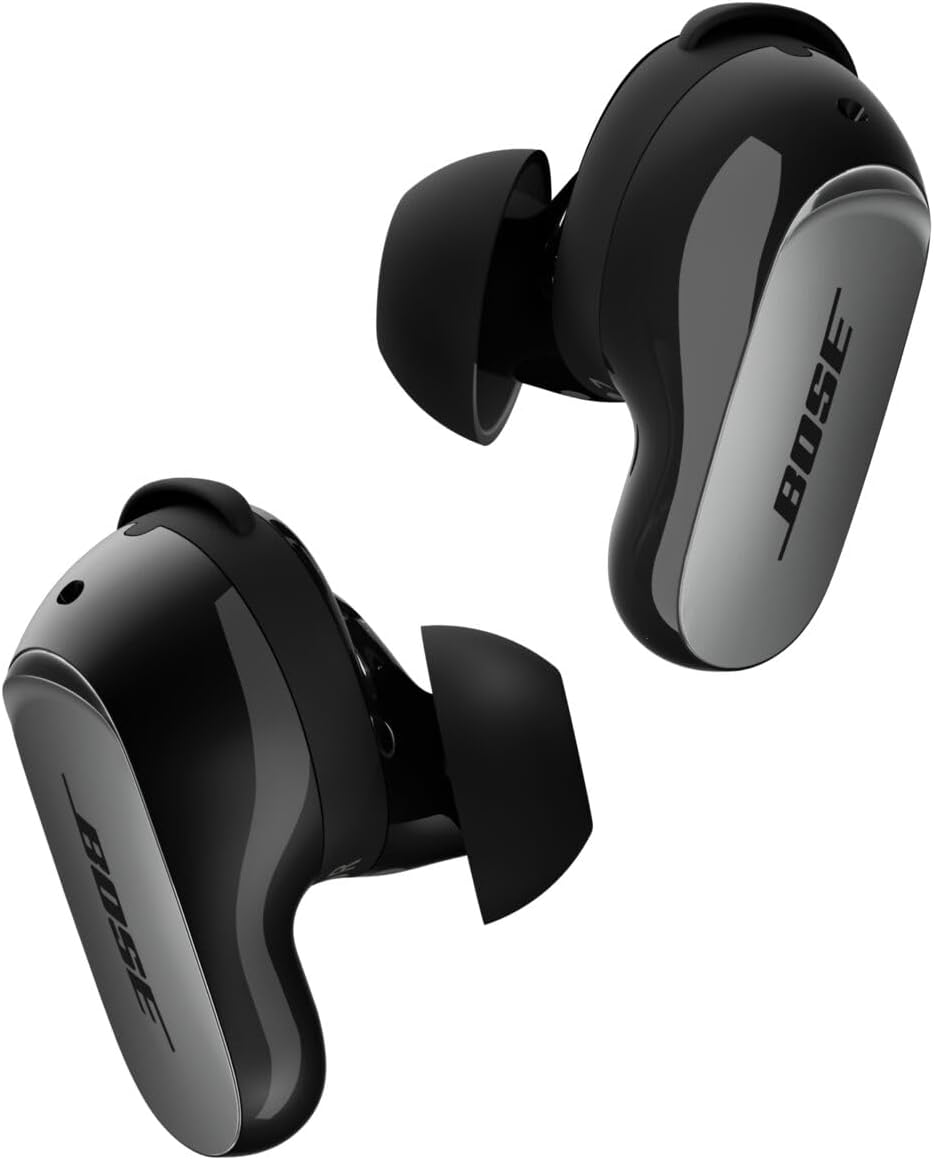
Bose's notorious ANC is stronger than Sony's, especially against low-frequency rumble, and their ease of operation is unrivaled. Spatial audio and a smooth, balanced sound signature add to the appeal. The trade-off is that these are bulky, with a large case, and the battery life is shorter than rivals (6 hours, 18 with case).
Main limitation: The case is the size of a cucumber, and the 6-hour battery life falls short of the competition.
Skip if: If you plan to use them for all-day travel or bring a case that has to fit a jeans pocket, this is a tough sell.
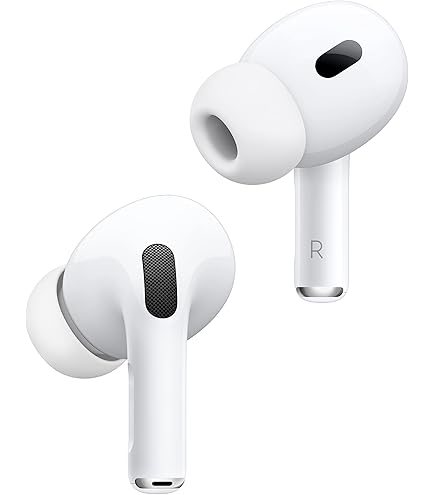
AirPods Pro 2 deliver seamless integration with Apple devices, support conversational awareness, and feature standout transparency mode that feels like you're not wearing earbuds at all. Their sound is bright and clean, and the controls are excellent. Trade-offs include the short 6-hour battery life and the fact that they're locked into Apple's ecosystem—Android users lose features.
Main limitation: Most of the smart features (spatial audio, custom setup, Find My) require an iPhone, and battery life on a single charge is short.
Skip if: Android users won't get their money's worth—they'll miss out on the real-time features and get worse performance.

Sennheiser's top-tier earbuds offer the most refined sound in this class—rich, spacious midrange with impeccable clarity and fast response. They also support aptX Adaptive and have very good ANC. The trade-off is a premium price and average battery life of 7 hours, plus a fit that isn't for everyone.
Main limitation: The large, angular design can create pressure points for small ears, and battery life is average in this price range.
Skip if: If you listen to podcasts or talk-oriented audio, you won't tap into their audio capabilities and should choose a cheaper set.
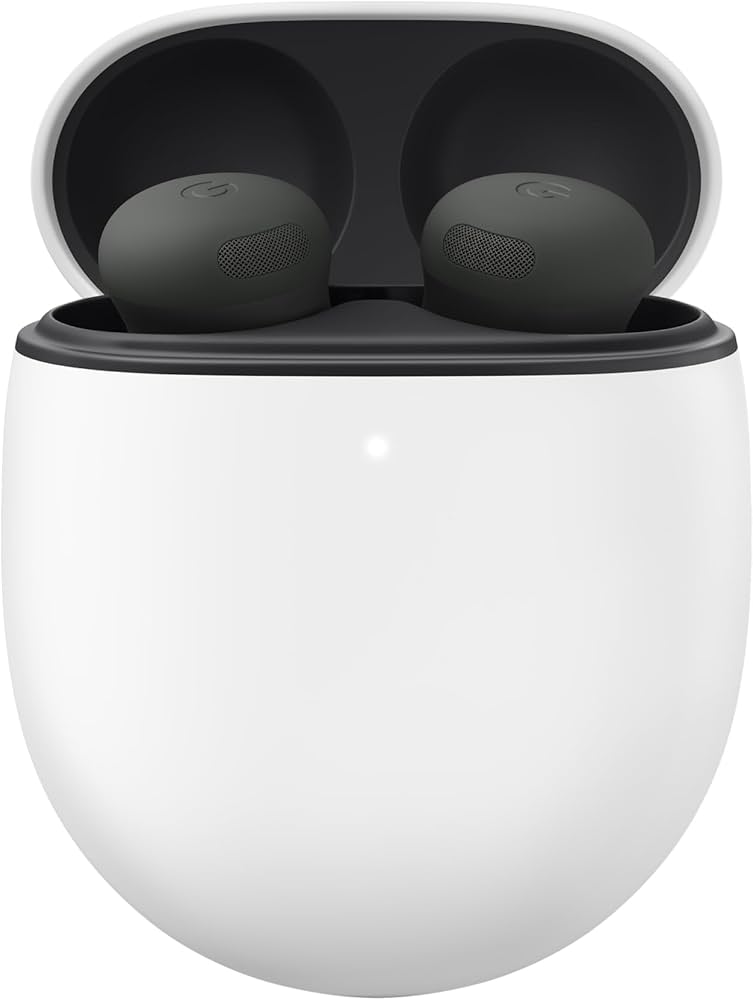
Pixel Buds Pro 2 offer seamless pairing and latency across Android and ChromeOS, with a host of Google Assistant features and a compact, secure fit. Their ANC is respectable and they're getting more comfortable to wear all day. The trade-off is that they need a Google-compatible device to unlock everything—and on iOS, they're just regular Bluetooth buds.
Main limitation: The switch to manual ANC (rather than adaptive without tweaks) and an extra emphasis on Google Assistant can be annoying to non-Pixel phone users.
Skip if: If you're an iPhone person (seamless features don't exist) or you like independent ANC control without Google Assistant hooks.
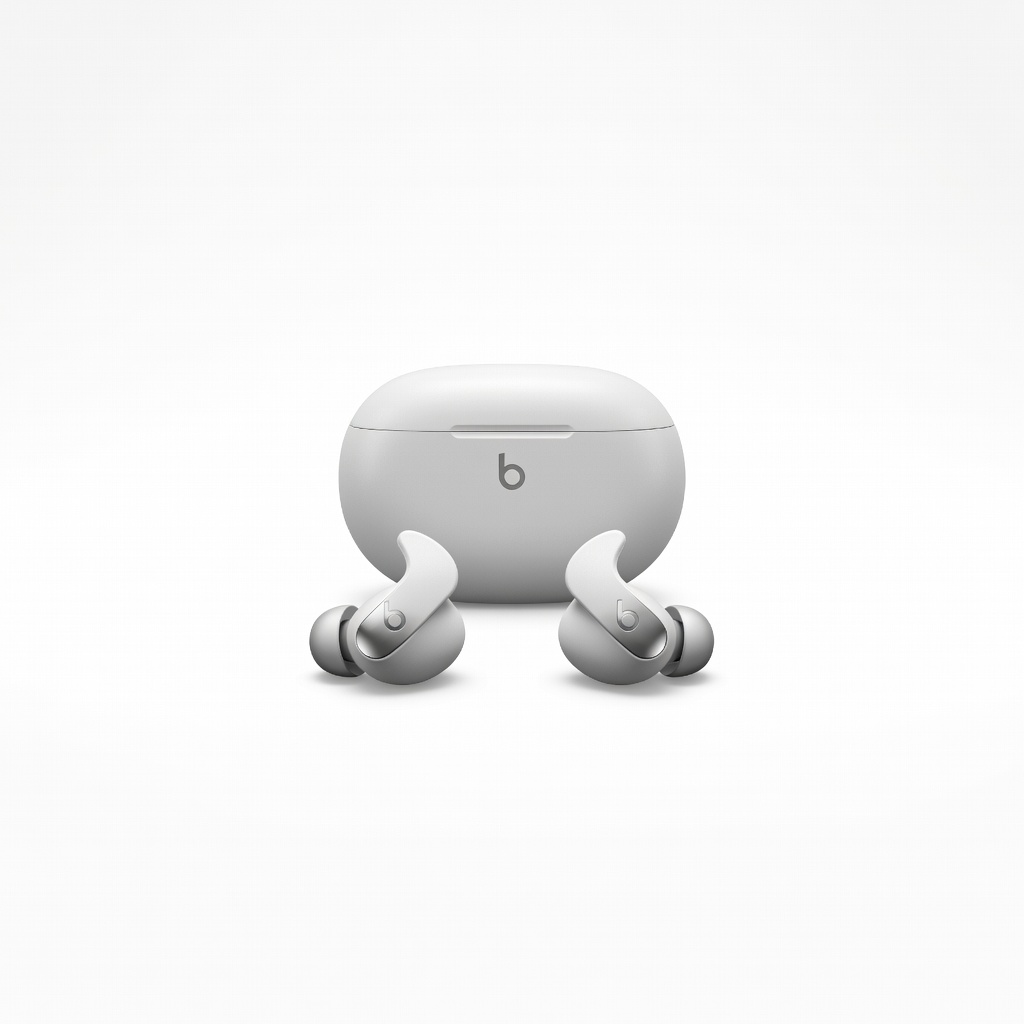
Beats Fit Pro are the most secure-fitting earbuds thanks to their flexible wingtips, and they offer punchy, energetic sound that pairs well with a workout. They work with both Apple and Android quite well. The trade-off is the lack of wireless charging and a more limited ANC that doesn't match the XM5s or QuietComfort Ultra.
Main limitation: ANC blocks a decent amount of noise but falls short of top-tier noise canceling, and they lack wireless charging.
Skip if: If you need top-tier ANC or wireless charging or like to nap on your side, these may not be the best fit.
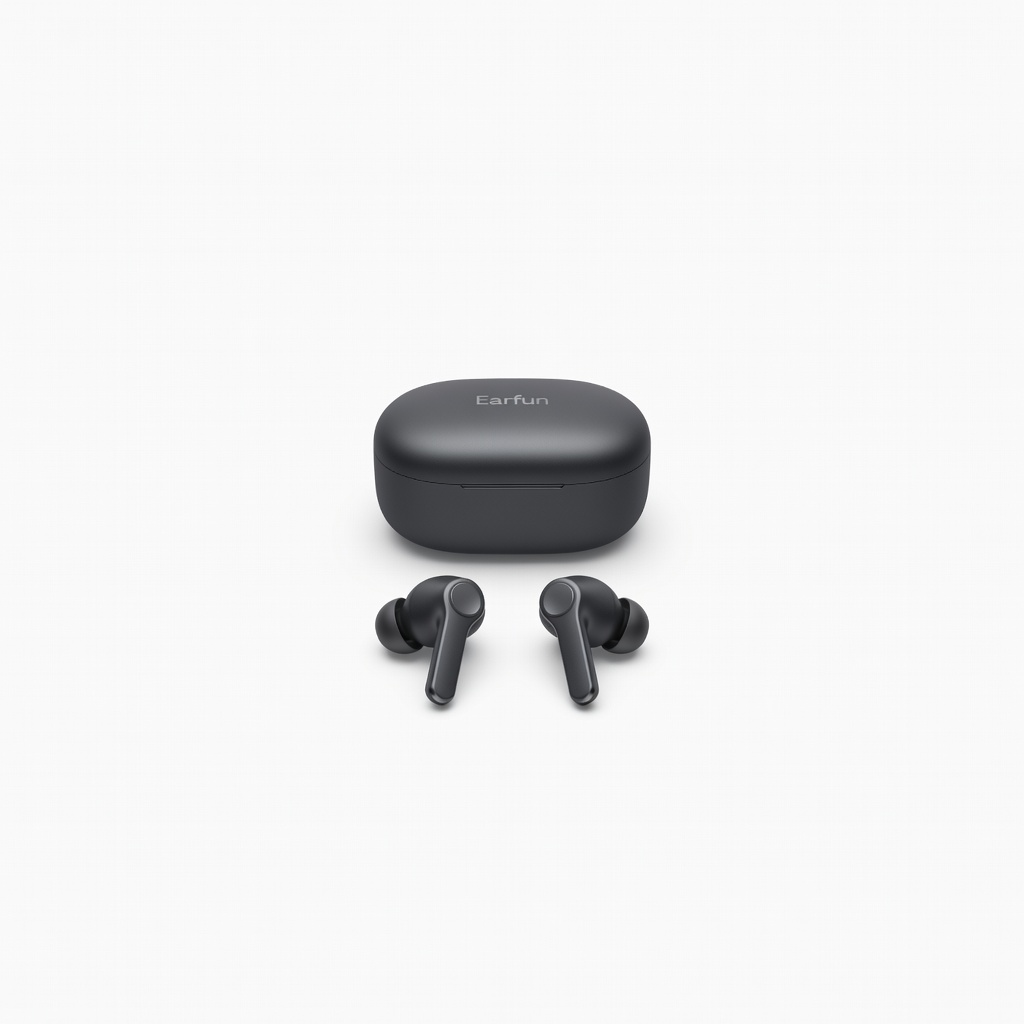
EarFun's Air Pro 3 are a hidden gem in the ultra-budget category, with surprisingly effective ANC, a balanced (if somewhat non-bass-heavy) sound, and 9-hour battery life with a 45-hour case. The trade-off is the less granular app support and sometimes laggy auto-pause when your ear won't keep them in.
Main limitation: The self-adaptive ANC can fluctuate unpredictably when moving your head, and the charging case is bulky.
Skip if: If you have a large collection of music with deep bass demands, you'd enjoy more volume and driver size with a pricier set.
Compare key specs and features of all our recommendations side-by-side
| Product | Recommendation | Rating | Price |
|---|---|---|---|
 Sony WF-1000XM5 Rank #1 | 🏆 Top Pick | 3.8 3.8 | $248–$299 Check current price → |
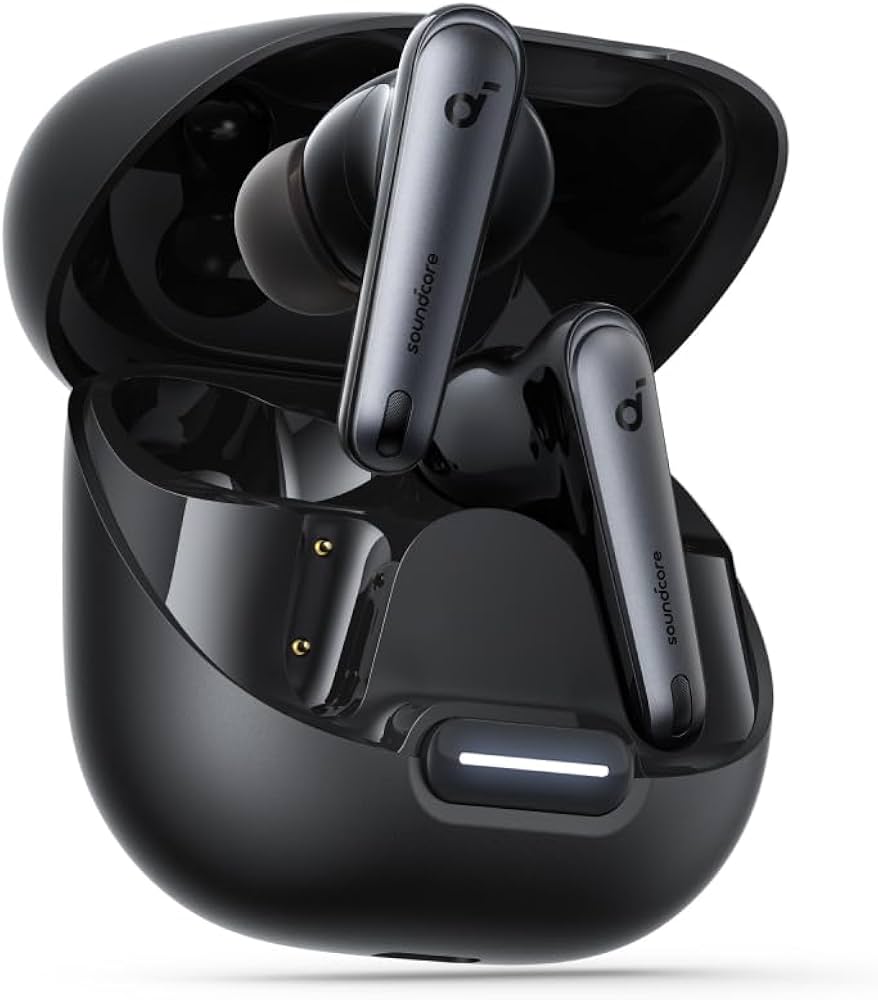 Anker Soundcore Liberty 4 NC Rank #2 | 💰 Budget Pick | 4.2 4.2 | $79–$99 Check current price → |
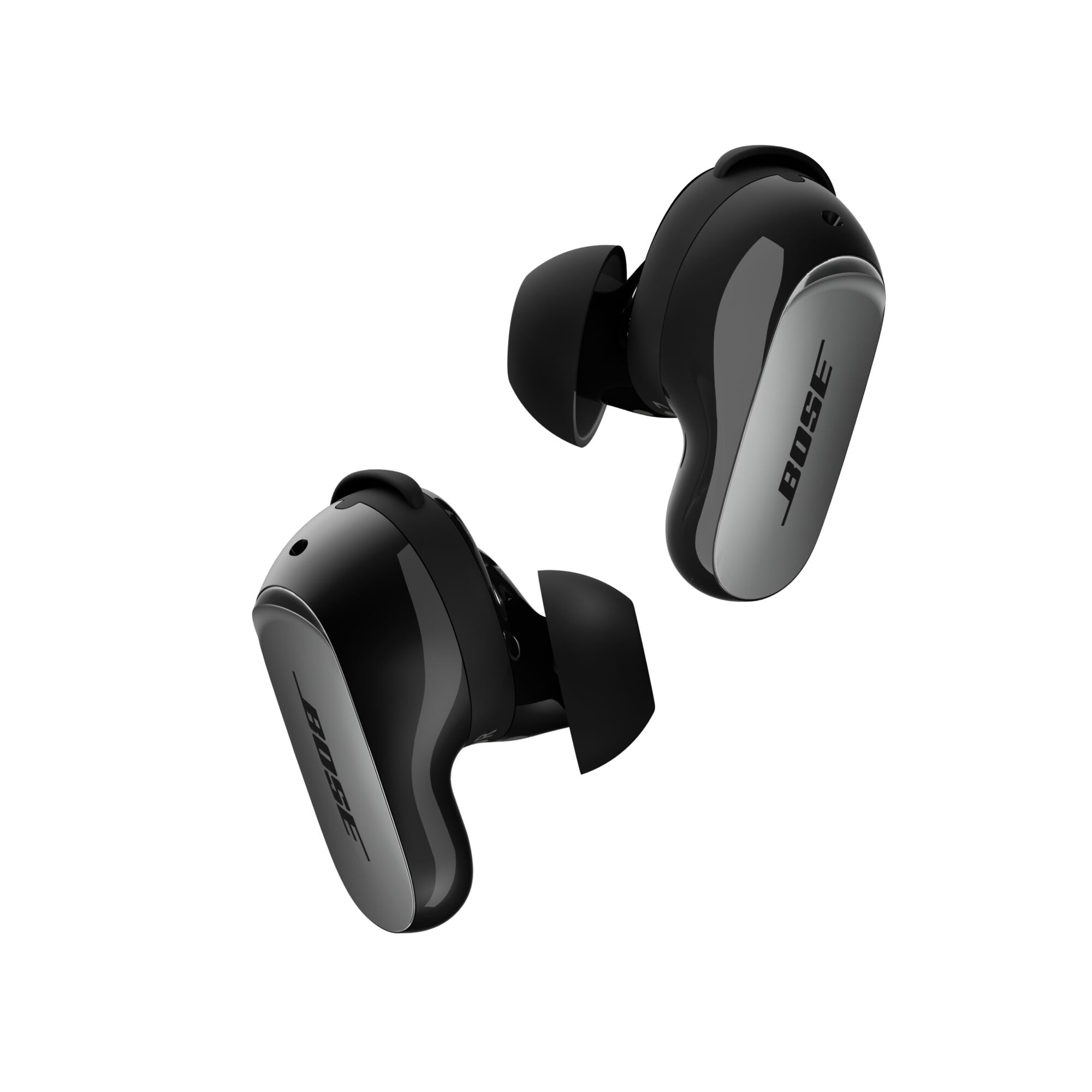 Bose QuietComfort Ultra Earbuds Rank #3 | ⭐ Editor's Choice | 4.2 4.2 | $299–$329 Check current price → |
Apple AirPods Pro (2nd Generation) USB-C Rank #4 | — | 8.5/10 | $189–$249 Check current price → |
 Sennheiser Momentum True Wireless 4 Rank #5 | — | 3.9 3.9 | $249–$299 Check current price → |
Google Pixel Buds Pro 2 Rank #6 | — | 8.0/10 | $199–$229 Check current price → |
Beats Fit Pro Rank #7 | — | 7.5/10 | $169–$199 Check current price → |
Earfun Air Pro 3 Rank #8 | — | 7.5/10 | $55–$70 Check current price → |
Common questions buyers have about this category.
Sennheiser Momentum True Wireless 4 offer the best sound quality in the high-end segment, with superb detail and a wide soundstage. On a budget, the Anker Soundcore Liberty 4 NC give you a very satisfying, bass-forward sound for a third of the price. But sound is subjective—you should always try to use EQ settings to adapt a pair to your preferences.
Yes, if they have an IPX4 or better water-resistance rating and a secure, snug fit. Beats Fit Pro are a top example because of their wingtip design, but many sports headphones from Jabra and JBL are equally reliable. Look for an IP rating, memory foam ear tips, and an ear hook if you're prone to drops.
Passive noise isolation is just the physical barrier of the ear tip that blocks some sound. Active noise cancellation (ANC) actively records ambient sound and creates anti-noise to cancel it out. ANC is much more effective at constant low-frequency noise like plane engines and air-conditioning, while for higher-frequency sounds (like a baby crying), ear tips and a tight seal play a bigger role.
Yes, every pair of true wireless earbuds needs to be recharged via a case. The case also drains battery at a small rate over time. For most models, a 1% drop overnight is normal. Always keep the case charged, but you don't need to worry about that if you have a wireless charging pad—it'll top up the case for you.
Most modern earbuds support 'mono' mode for calls or music. Check the manufacturer's settings: in the mobile app you can usually enable 'single earbud' mode. For the most seamless experience, Sony and Apple both support using just one earbud at a time; you'll lose stereo sound but gain flexible listening.
If you listen on a noisy commute and want to hear your music clearly, then yes—expensive earbuds provide premium ANC, better mics, and better build. But if you mostly listen at home or in a quiet office, even a $70 pair like the EarFun Air Pro 3 will sound fine and offer enough features. The sweet spot for most is within the $100–$250 range.
Turn off ANC and transparency when you don't need them. Lower the volume—higher volume consumes more power. Store the case at room temperature and keep it charged between 20% and 80% for optimal battery health. Also, disable in-ear detection if you don't need auto-pause, and switch off any ambient-aware features like 'speak to talk' that keep the mics on.
Products we evaluated but did not recommend — and why.
