Get the App
Better experience on mobile
From budget-friendly classics to purifying tech, these 6 bottles will keep you fueled on any trail.
The best water bottle for hiking isn't always the biggest or the trendiest—it's the one that fits your trail style. Most hikers either overpack water or under-hydrate, and the right bottle can solve both problems. Choose a 32-ounce option for a half-day trek, but if you're planning a long traverse, a filter bottle or a collapsible spare might be smarter.
Hydration on the trail isn't just about carrying liquid; it's about managing weight, temperature, and ease of use. A bottle that leaks in your pack or takes two hands to unscrew can turn a pleasant hike into a frustrating one. Materials matter too—stainless steel offers insulation but adds heft, while lightweight plastics prioritize packability over cold sips.
To create this list, we combed through spec sheets, expert reviews from outdoor gear publications, and thousands of buyer ratings to see which bottles perform under real-world scuffs, drops, and trail grit. We focused on capacity, weight, lid functionality, and durability, with a mix of budget staples and premium performers.
Whether you're a day hiker, an ultralight thru-hiker, or someone who just wants cold water after a long hill climb, our six picks cover every hiking hydration need. We've also included a few noted alternatives to round out your options.
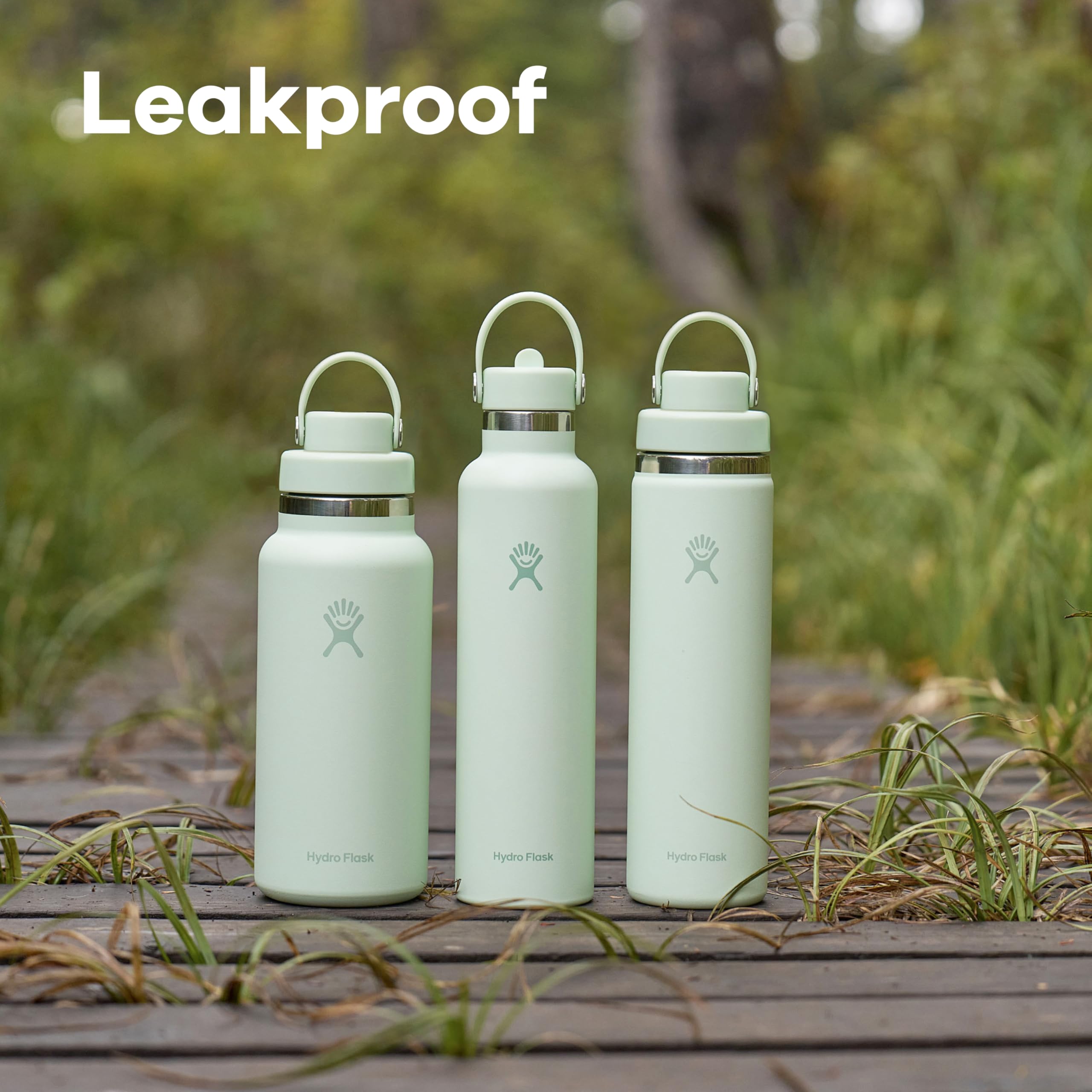
This insulated stainless steel bottle keeps water icy cold for 24 hours, thanks to TempShield vacuum insulation. Its wide mouth is perfect for adding ice cubes, and the Flex Cap lets you sip with one hand. The main trade-off is weight—a full 32 oz bottle is heavy—and the price is higher than basic bottles.
Main limitation: The 32 oz version is noticeably heavy when full, and the exterior can sweat if the drink is really cold.
Skip if: Ultralight backpackers who count every ounce should choose a collapsible bottle instead.
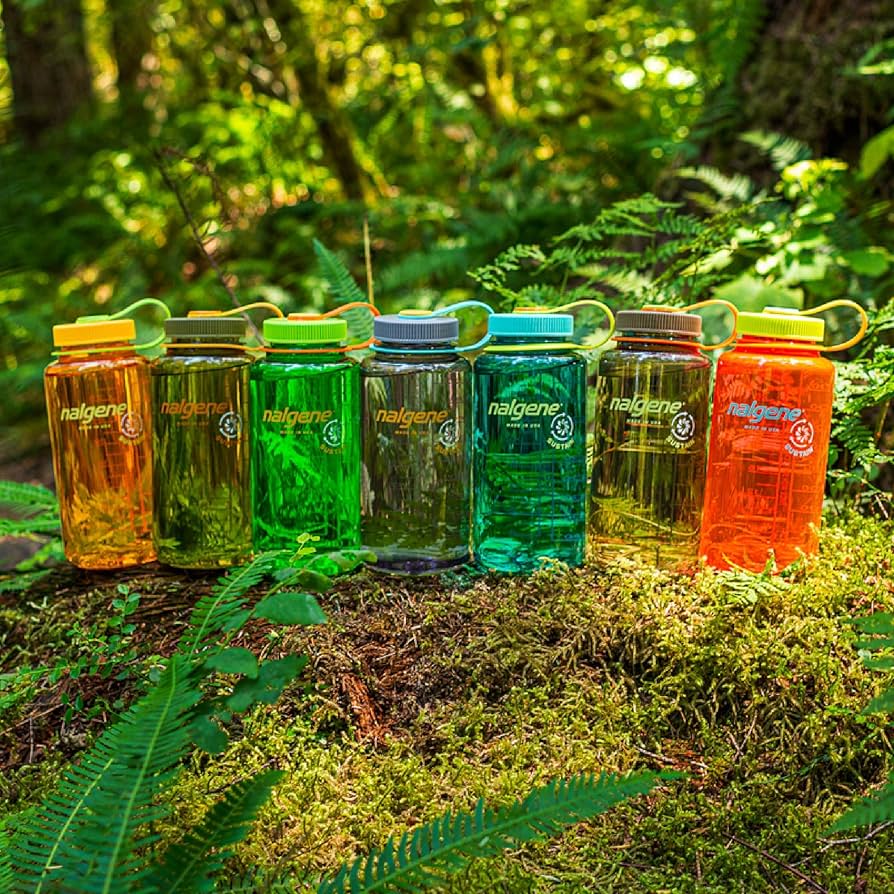
The Nalgene is the unbreakable, budget-friendly legend that has graced trailheads for decades. It's lightweight, easy to clean, and takes a beating without cracking. Just don't expect any insulation—your water will quickly warm up in the sun.
Main limitation: No insulation means water warms quickly, and the thin plastic can get a scratched, hazy look after heavy use.
Skip if: Anyone who insists on ice-cold water after hours on the trail.
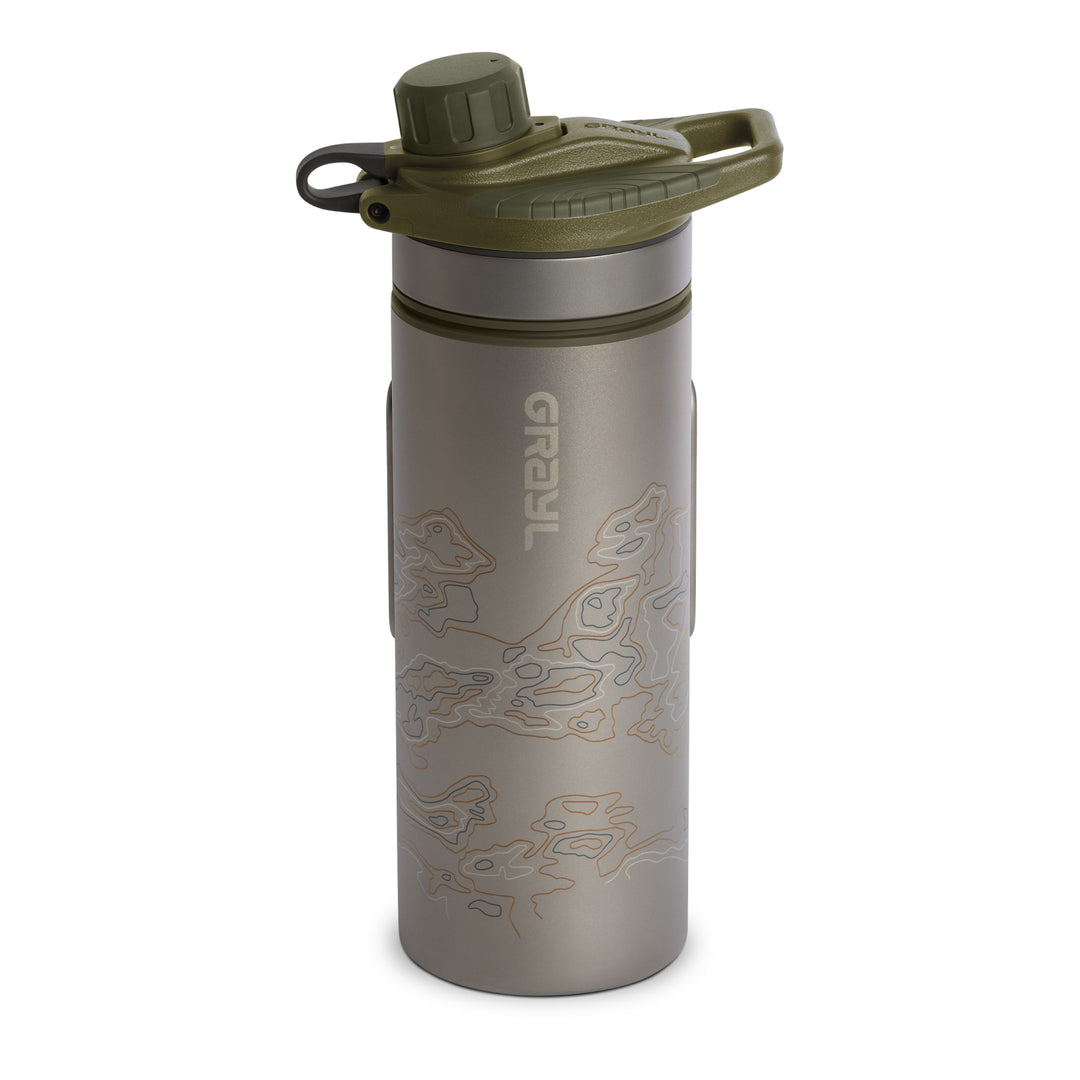
The Geopress is more than a bottle—it's a personal water purifier that removes viruses, bacteria, and protozoa in a simple press-down motion. Fill it from a stream, press, and drink safe water. It's heavy and pricey, but the security of having clean water anywhere is unmatched.
Main limitation: The purifying press takes two hands and is slower than a squeeze filter, and replacement filters are about $50.
Skip if: Day hikers on familiar trails with safe tap or spring sources.
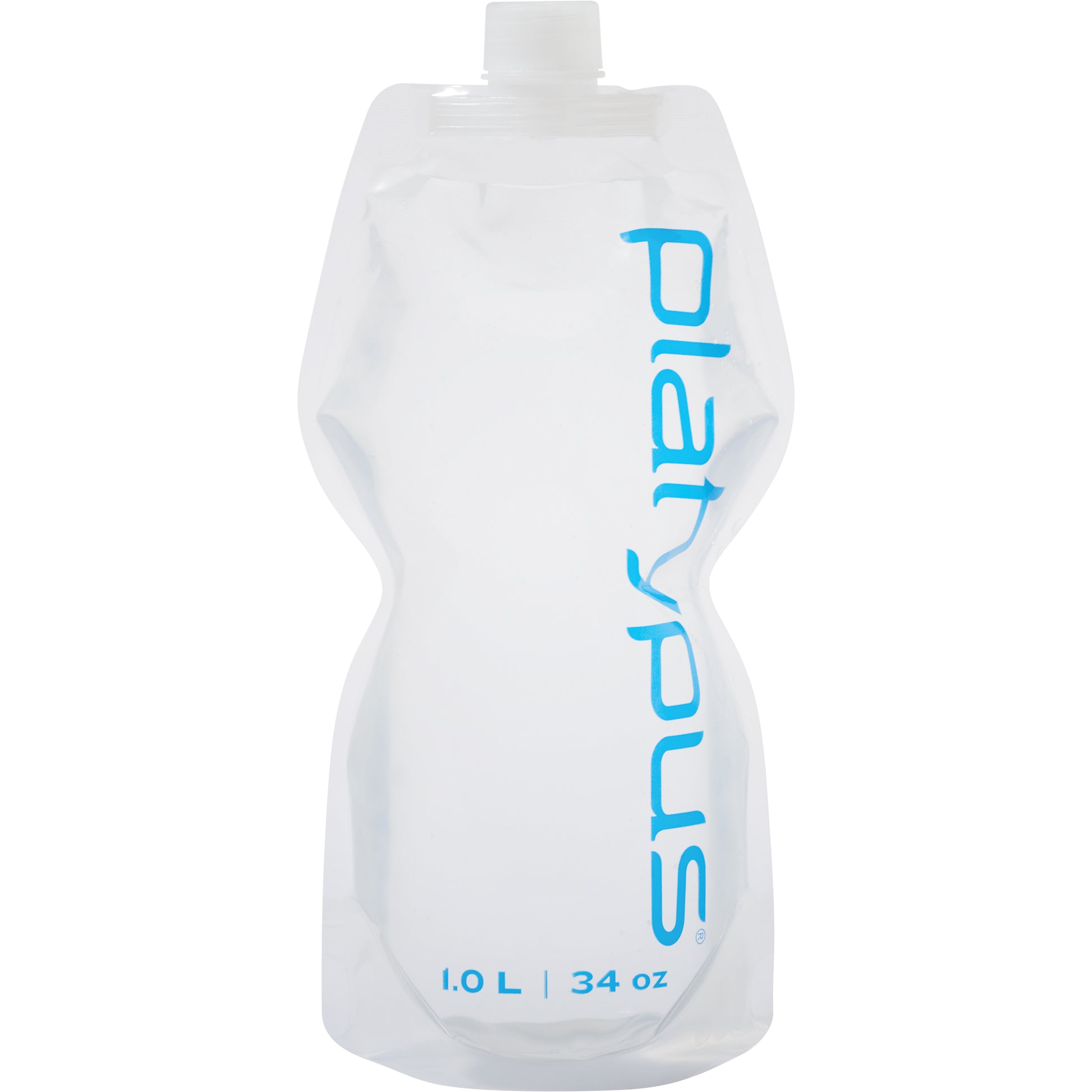
Weighing just 13 grams, the Platypus SoftBottle rolls up into a tiny pouch when empty, making it an ideal reserve water carrier for weight-conscious hikers. It's tough enough for normal trail use, but it won't withstand sharp objects or heavy crushing. Perfect for adding a liter of water without burdening your pack.
Main limitation: It's not as puncture-resistant as rigid bottles, and the soft material can be difficult to fill from a slow stream.
Skip if: Hikers who need a bottle that can be tossed around in a gear pile or used as a stand-up container.
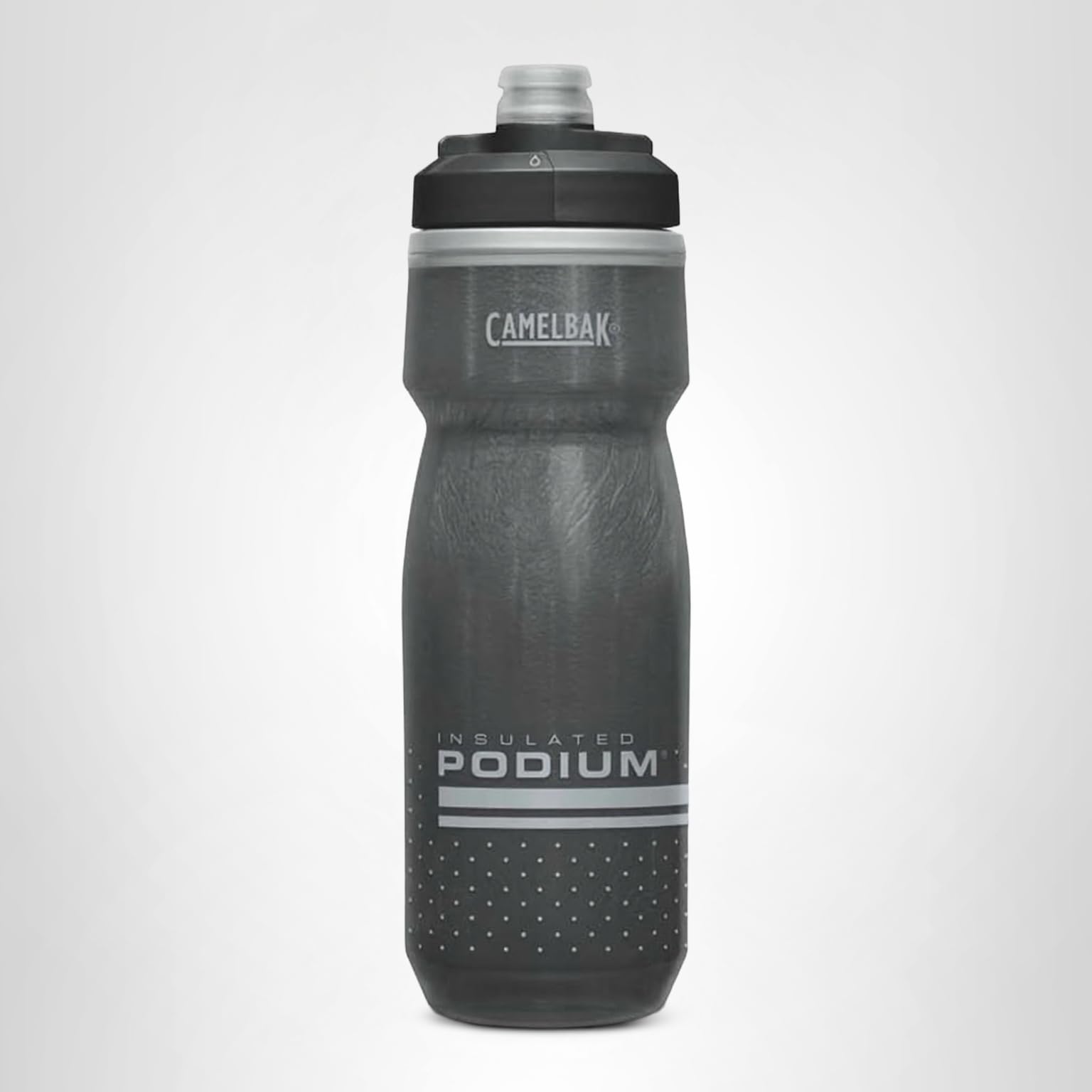
The Podium is a squeeze bottle with a high-flow nozzle that lets you get a drink without slowing your pace. It's a favorite for trail runners and fast hikers who need hands-free hydration on the move. The lightweight construction and easy-squeeze body keep it convenient, though the nozzle requires care to clean.
Main limitation: The nozzle can drip if left unsheared, and it's not designed to hold hot or freezing liquids for long.
Skip if: Hikers who prefer a classic screw-top and don't want to clean a specialized spout.
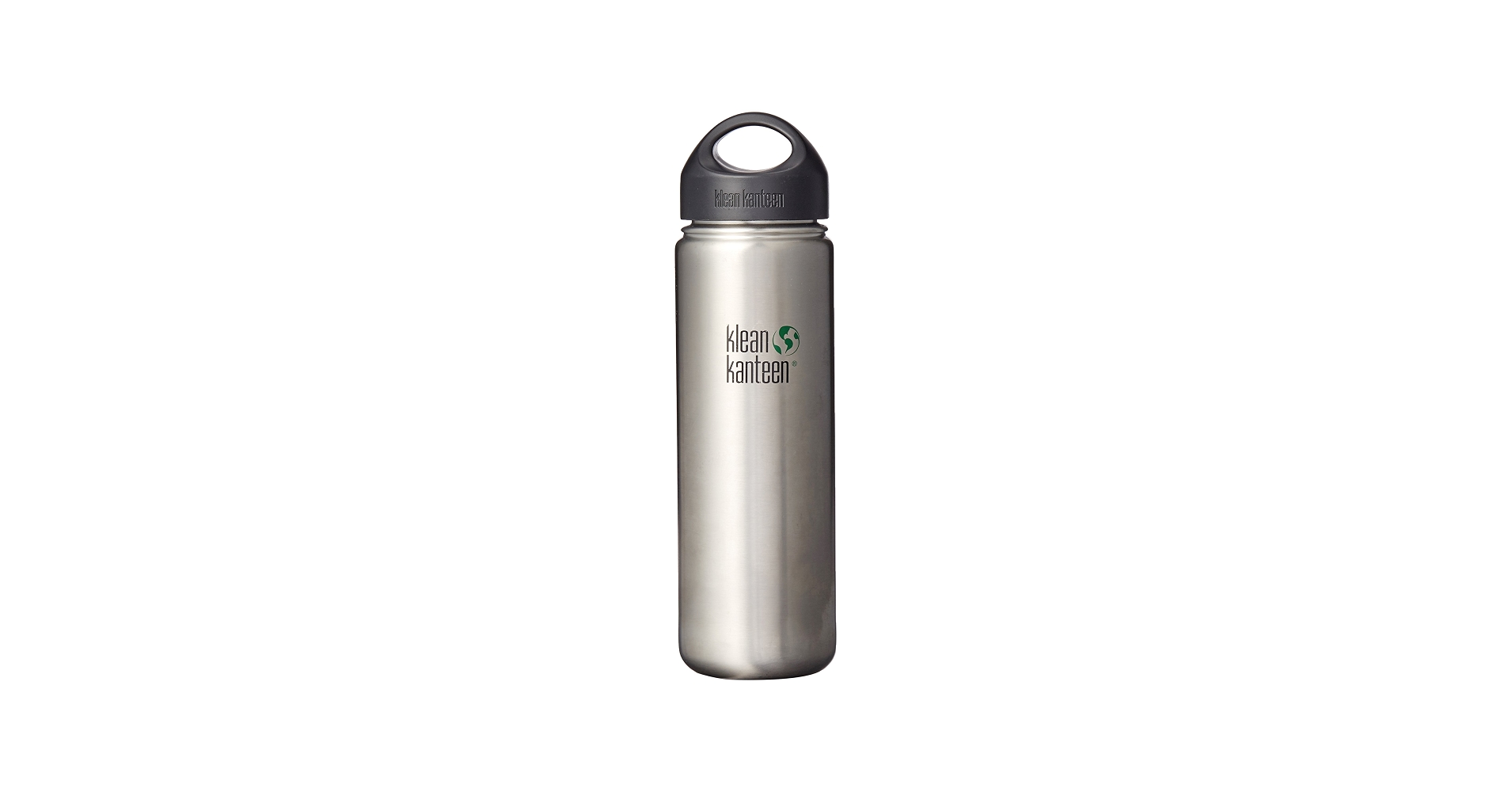
Klean Kanteen builds its bottles from high-grade 18/8 stainless steel with a non-liner interior that never imparts taste. The double-wall insulation keeps drinks cold for hours, and the brand's lifetime warranty makes it a sustainable choice. The 20 oz size is a bit small for long hikes, but ideal for short treks.
Main limitation: The 20 oz capacity may feel limiting on longer trails, and the optional tether for the cap is sold separately.
Skip if: Hikers who need a larger single-bottle capacity or who tend to lose lids.
Compare key specs and features of all our recommendations side-by-side
| Product | Recommendation | Rating | Price |
|---|---|---|---|
Hydro Flask 32 oz Wide Mouth Water Bottle with Flex Cap Rank #1 | 🏆 Top Pick | 9.0/10 | $45–$55 Check current price → |
Nalgene 32 oz Wide Mouth Bottle Rank #2 | 💰 Budget Pick | 8.5/10 | $12–$18 Check current price → |
Grayl GeoPress 24 oz Purifier Bottle Rank #3 | ⭐ Editor's Choice | 8.0/10 | $80–$95 Check current price → |
Platypus SoftBottle 1L Rank #4 | — | 7.5/10 | $12–$16 Check current price → |
CamelBak Podium 21 oz Rank #5 | — | 7.5/10 | $12–$15 Check current price → |
Klean Kanteen Wide Insulated 20 oz Rank #6 | — | 8.0/10 | $30–$38 Check current price → |
Common questions buyers have about this category.
For a half-day hike (3–6 hours), a 1L (32 oz) bottle is typically sufficient for moderate conditions. For full-day hikes or hot weather, carry at least 2L total capacity, either in a single larger bottle or two bottles. Always account for distance, temperature, and your personal sweat rate.
If you want cold water throughout the day, yes—but insulation adds weight and usually reduces capacity. For most hikers in moderate climates, non-insulated bottles are fine and lighter. Insulation becomes valuable in summer heat or alpine sun where a plastic bottle gets tepid quickly.
For most bottles, you can swish hot soapy water if available, or use bottle-cleaning tablets and a lightweight brush. Avoid leaving water sitting in an insulated bottle after carrying electrolytes, as the sugar can leave a film. Always rinse thoroughly after each trip.
Some filter systems like the Katadyn BeFree pressurize the bottle and attach directly to the mouth. Others, like the Grayl, are self-contained press-and-filter units. If you want to filter stream water, a dedicated filter bottle or a squeeze filter like the Sawyer Squeeze (which attaches to various bottles) works.
Soft flasks are collapsible and pack down, but they are less durable, harder to clean, and often have a fruity taste from the thermoplastic material. Rigid bottles are more durable, easier to dry, and hold their shape, making them better for daily use. Many hikers carry one rigid bottle plus one soft flask as backup.
Choose bottles with leakproof lids that are properly threaded, and always check the O-ring or seal. For extra safety, place the bottle in a side pocket or use a waterproof pack liner. Screw lids are more reliable than pull-push spouts in most cases.
Double-walled insulated bottles with steel construction, like the Klean Kanteen, are designed to hold hot liquids. Avoid standard plastic bottles as they can deform or release chemicals when filled with boiling water. Some insulated bottles come with wide mouths that accommodate tea sleeves.
Products we evaluated but did not recommend — and why.
