Get the App
Better experience on mobile
From budget-friendly classics to premium insulated tumblers, these are the bottles worth carrying in 2026.
Choosing the right water bottle is less about fashion than you might think—it's about matching the container to your daily routine. A bottle that keeps ice water for 24 hours might be perfect for a day-long conference, but it's overkill for a 10-minute bike ride. In this guide, we've broken down the current 2026 market into seven distinct categories, from budget stalwarts to premium insulated trendsetters.
Today's water bottle aisle is packed with features: double-wall vacuum insulation, straw lids, glass liners, and even filter systems. The most important decision you'll make is not which color to pick, but which type of lid and material suits your hydration habits. The bottles below were selected because they perform their specific jobs very well, even if no single bottle can do everything perfectly.
We've paid close attention to the subtle differences that make a bottle a daily driver or a desk ornament. Leak-resistance, drying difficulty, weight when full, and how easily you can add ice—these are the details that separate a bottle you reach for every day from one that ends up in a drawer. We've also balanced price against longevity: sometimes spending a few extra dollars saves you from buying a replacement in six months.
After researching specifications, reading verified customer feedback, and comparing expert reviews, we've settled on seven picks that cover the most common needs. Whether you're a hiker, gym enthusiast, office worker, or simply someone who wants to drink more tap water, there's a bottle here for you.
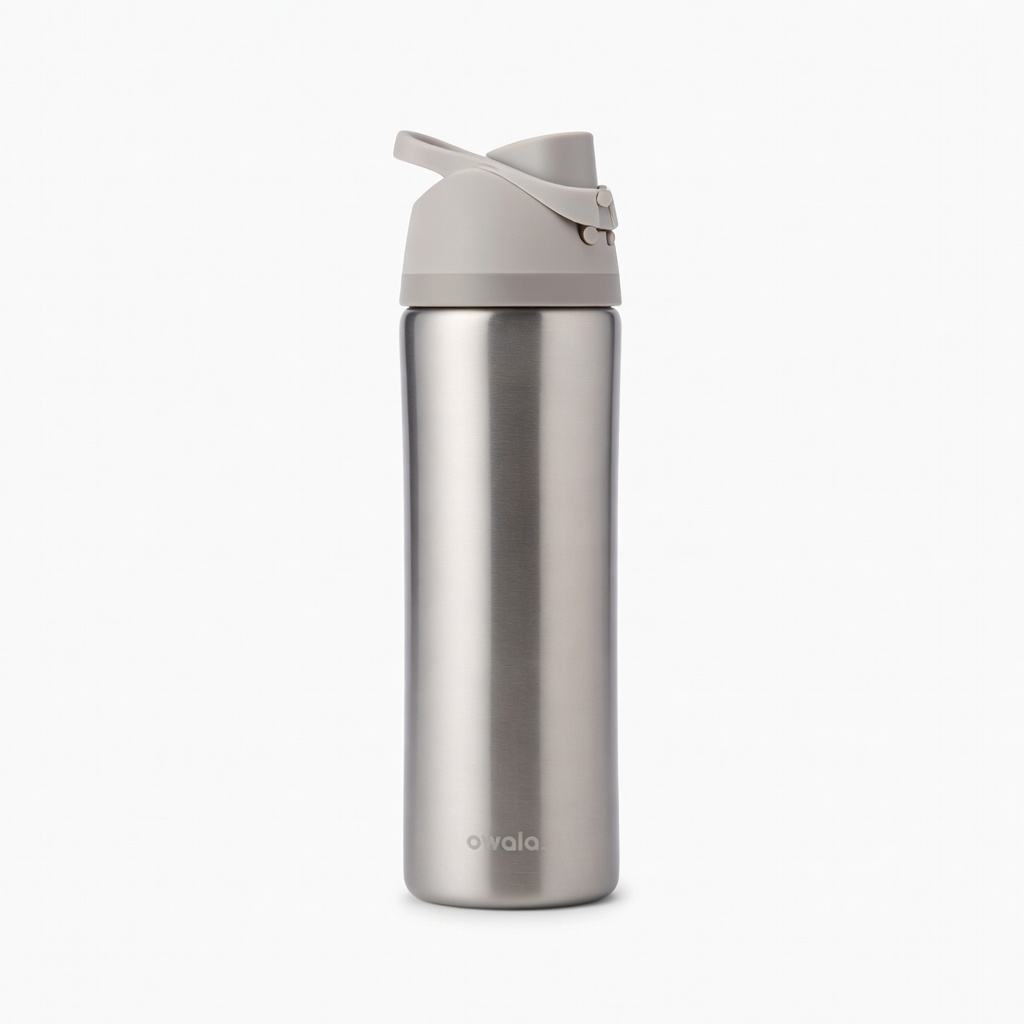
The Owala FreeSip combines a straw and a chug spout in a single lid, making it the most versatile bottle for both quick sips and long gulps. Its double-wall insulation keeps drinks cold for up to 24 hours, though hot liquids stay warm for only a few hours. The trade-off is that the lid has more parts to clean than simple screw-top bottles.
Main limitation: The FreeSip lid's multiple components make thorough cleaning more tedious, and the straw can be difficult to dry completely.
Skip if: Anyone who wants a minimalist, easy-to-clean screw-top bottle should look elsewhere.
A legendary workhorse, the Nalgene Wide Mouth is lightweight, nearly indestructible, and available for well under $20. It's made of BPA-free Tritan plastic that can take a beating, and the wide mouth makes adding ice cubes and cleaning easy. The trade-off is zero insulation, so drinks warm up quickly in hot weather.
Main limitation: Without any insulation, the Nalgene fails to keep drinks cold, and the wide mouth can lead to spills when drinking on the move.
Skip if: People who need to keep water cold for hours or who often drink while driving should skip this bottle.
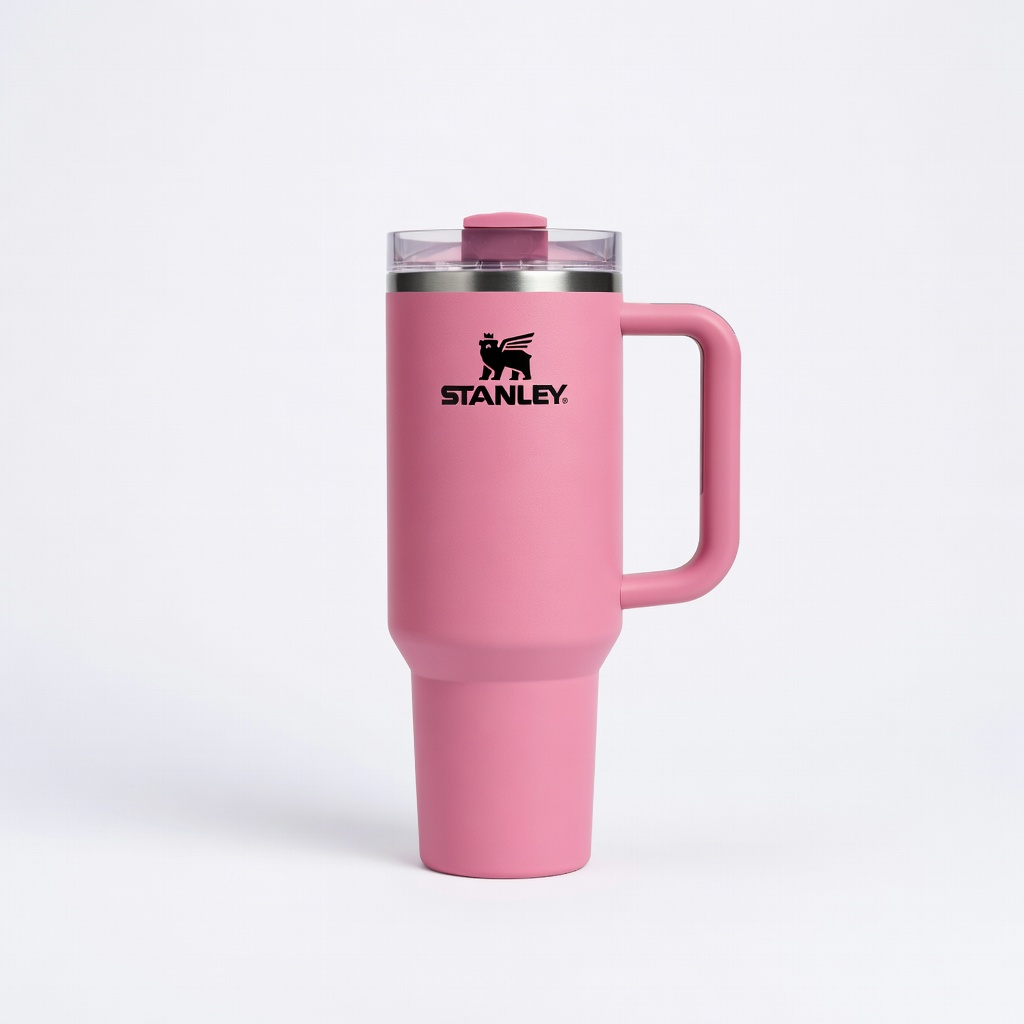
The Stanley Quencher has become a cultural icon for good reason: its 40-ounce capacity and comfortable handle make it perfect for drinking water all day long, whether at a desk or in the car. The FlowState lid offers multiple positions for sipping or using a straw, but the stainless steel body will dent if dropped and gets heavy when full.
Main limitation: The 40 oz capacity is heavy, and the open-grip lid leaves the straw exposed to dust when not in use.
Skip if: If you prefer a lightweight bottle to carry while hiking or running, this tumbler is too bulky.
Hydro Flask's stainless steel bottle is a favorite for hiking and camping because it keeps water ice-cold throughout a long trail day and is built to withstand rough handling. The wide mouth is easy to fill with ice and clean, and the powder-coat finish gives a secure grip. The downside is that the finish can chip or scratch over time, and the bottle is heavier than comparable plastic options.
Main limitation: The powder-coated exterior scratches easily, and the bottle is noticeably heavier than a plastic bottle of the same size.
Skip if: Anyone who prioritizes lightweight packing for long backpacking trips should choose a plastic alternative.
The YETI Rambler is absurdly tough, with a thick stainless steel body and a leakproof cap that can take a serious beating. It's less bulky than larger bottles, making it a great choice for throwing in a bag or bike cage. The trade-off is that 18 ounces is on the smaller side for serious hydrators, and the price is premium for the capacity.
Main limitation: The 18 oz capacity is limiting for all-day hydration, and the price per ounce is higher than most rivals.
Skip if: If you need more than a quick bottle for a workout or dog walk, you'll find yourself refilling constantly.
If you're concerned about plastic or metal flavor leaching into your water, the LifeFactory glass bottle is the answer. It features a borosilicate glass core with an insulating silicone sleeve, and the cap options are varied. The main downsides are that it's breakable and slightly heavier than plastic, and the glass alone won't keep water cold for more than an hour.
Main limitation: Glass is fragile, and the bottle has no insulation to keep water cold.
Skip if: Rugged users and those who need ice-cold water for hours should stick with metal.
The Takeya Actives is built with a straw lid that allows one-handed sipping during a workout, and its spout is angled for easy drinking while on the treadmill. The carrying loop and vacuum insulation are great for gym bags, but the straw lid is fiddly to clean and the bottle is not completely leakproof if you turn it upside down.
Main limitation: The straw lid is not fully leakproof, and the mouthpiece can be difficult to clean thoroughly.
Skip if: If you need a bottle that can survive being tossed into a bag without leaking, this isn't it.
Compare key specs and features of all our recommendations side-by-side
| Product | Recommendation | Rating | Price |
|---|---|---|---|
Owala FreeSip 24 oz Stainless Steel Water Bottle Rank #1 | 🏆 Top Pick | 9.0/10 | Around $30-$35 Check current price → |
Nalgene Sustain 32 oz Wide Mouth Water Bottle Rank #2 | 💰 Budget Pick | 8.0/10 | Around $15-$18 Check current price → |
Stanley Quencher H2.0 FlowState Tumbler 40 oz Rank #3 | ⭐ Editor's Choice | 8.5/10 | Around $45-$50 Check current price → |
Hydro Flask Wide Mouth Stainless Steel Water Bottle with Flex Cap 32 oz Rank #4 | — | 8.5/10 | Around $40-$45 Check current price → |
YETI Rambler Bottle 18 oz Rank #5 | — | 8.0/10 | Around $35-$40 Check current price → |
Lifefactory Glass Water Bottle with Silicone Sleeve 22 oz Rank #6 | — | 7.5/10 | Around $25-$30 Check current price → |
Takeya Actives Glass Water Bottle with Straw Lid 24 oz Rank #7 | — | 7.5/10 | Around $20-$25 Check current price → |
Common questions buyers have about this category.
Double-wall vacuum insulated bottles typically keep water cold for 18 to 24 hours when filled with ice, while single-wall stainless steel or plastic bottles offer almost no insulation. The exact duration depends on the bottle's construction, the starting temperature, and how often you open the lid. If you need all-day ice, look for a product that explicitly claims at least 24 hours of cold retention.
Yes, as long as they're made from BPA-free plastics like Tritan or polypropylene. These materials are food-grade and designed for repeated use. However, over time, plastic can develop micro-cracks or absorb odors from aggressive cleaning agents. Replace plastic bottles if they become deeply scratched, cloudy, or start to smell, as bacteria can hide in those imperfections.
Straw lids should be disassembled after every use and washed in warm, soapy water. You can also use a small bottle brush to scrub the straw and the lid's spout. Many are dishwasher-safe on the top rack, but the heat may warp the rubber gaskets over time. For a deeper clean, soak the components in a mixture of white vinegar and water overnight to remove mineral buildup and odor.
For most people, a 24 to 32-ounce bottle is a sweet spot—it's large enough to reduce frequent refills but small enough to fit in standard cupholders and backpack side pockets. If you're using the bottle at a desk all day, a 40-ounce tumbler might eliminate the need for refills altogether. For travelers and hikers, lighter plastic bottles under 24 ounces are easier to carry, especially when full.
Glass bottles are excellent for people who prioritize taste and are careful with their belongings. They don't retain flavors or leach chemicals, and they're easier to thoroughly clean. However, they are heavier than plastic and can shatter if dropped—even with a silicone sleeve. If you're primarily using the bottle at home or in the office, a glass bottle is a great choice, but for outdoor or gym use, a stainless steel bottle is more practical.
It depends on the material. Stainless steel bottles with powder-coat exteriors are usually dishwasher-safe, but the lid's rubber gaskets may degrade over time. Plastic bottles like Nalgene are often dishwasher-safe on the top rack, but glass bottles should be washed by hand to avoid thermal shock. Always check the manufacturer's instructions—many recommend hand-washing to preserve the seal and the bottle's appearance.
If you find mold in your bottle, scrub it with a bottle brush and hot, soapy water. Then soak the bottle (including the lid) in a solution of one part white vinegar to three parts water for 15-20 minutes. Rinse thoroughly and air dry completely. For stubborn mold, use a denture tablet or a specialized bottle-cleaning tablet. To prevent mold, always empty and dry the bottle after each use, and never let water sit for days inside.
Products we evaluated but did not recommend — and why.
