Get the App
Better experience on mobile
From ultralight collapsibles to backcountry purifiers, these bottles stand up to real trail conditions.
Choosing a water bottle for hiking often comes down to a series of compromises: weight versus insulation, size versus pack compatibility, and simplicity versus emergency filtration. The best bottle for a short alpine scramble may be the worst for a desert thru-hike. What makes this category tricky is that the perfect bottle doesn't exist—but the right one for your specific trail style does.
The most common mistake hikers make is buying a bottle that reads well on a spec sheet but fails the real-world test of being used on trail. Those with double-wall insulation often go unused because they're too heavy or too big to fit in a pack side pocket. Meanwhile, ultralight plastic bottles can crack after a few trips. We've sifted through years of user reports and expert evaluations to pick bottles that hold up in actual hiking conditions, not just product launches.
In this guide, we evaluate six bottles that cover the full spectrum: from the legendary Nalgene (budget and bulletproof) to the Grayl Geopress (backcountry purification) and the Yeti Rambler (ice retention for hot days). Each pick is judged on capacity, durability, portability, and whether its trade-offs are acceptable for the audience it's designed to serve. We also flag the hikers who should skip each bottle, because no single choice is right for everyone.
Whether you're a weekend peak-bagger or a thru-hiker counting grams, the research here will help you match your bottle to your hiking style—and avoid the regret of buying something that stays in your gear closet.
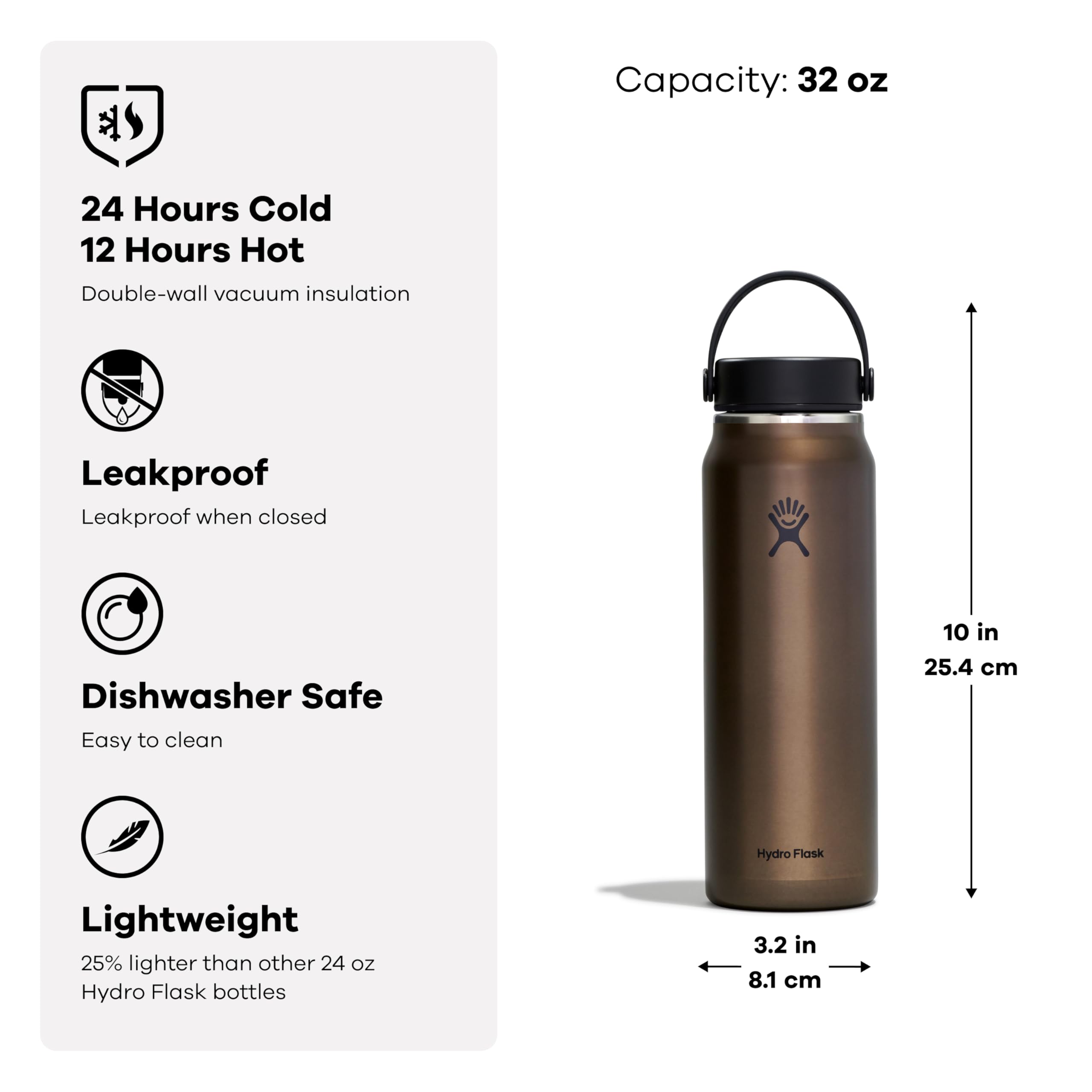
Double-wall vacuum insulation keeps water cold for up to 24 hours, and the rugged Trail Series design (with a magnetic flex cap and integrated handle) makes it easy to clip to a pack or grab mid-hike. The main trade-off is weight, as stainless steel is substantially heavier than plastic alternatives.
Main limitation: At 32 ounces, it's heavier than many hiking bottles, and the steel body can dent if dropped on rocks, though it's still more durable than thin plastic.
Skip if: Ultralight backpackers who count every ounce will find this bottle overkill for multi-day trips where weight is critical.
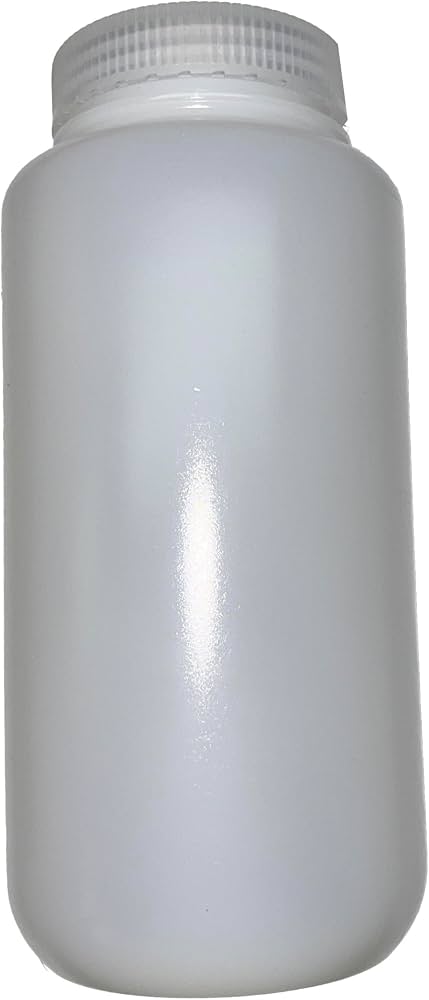
The iconic Nalgene is the go-to affordable hiking companion: it's nearly indestructible, leak-proof with the wide-mouth cap, and holds a full liter of water. Its transparent plastic lets you see water clarity easily, though the lack of insulation means water warms quickly in the sun.
Main limitation: No insulation, so your water heats up in direct sunlight, and the wide mouth requires careful sipping to avoid spills.
Skip if: If you hike in hot climates and want cold water all day, the small price difference for an insulated bottle is worth it.
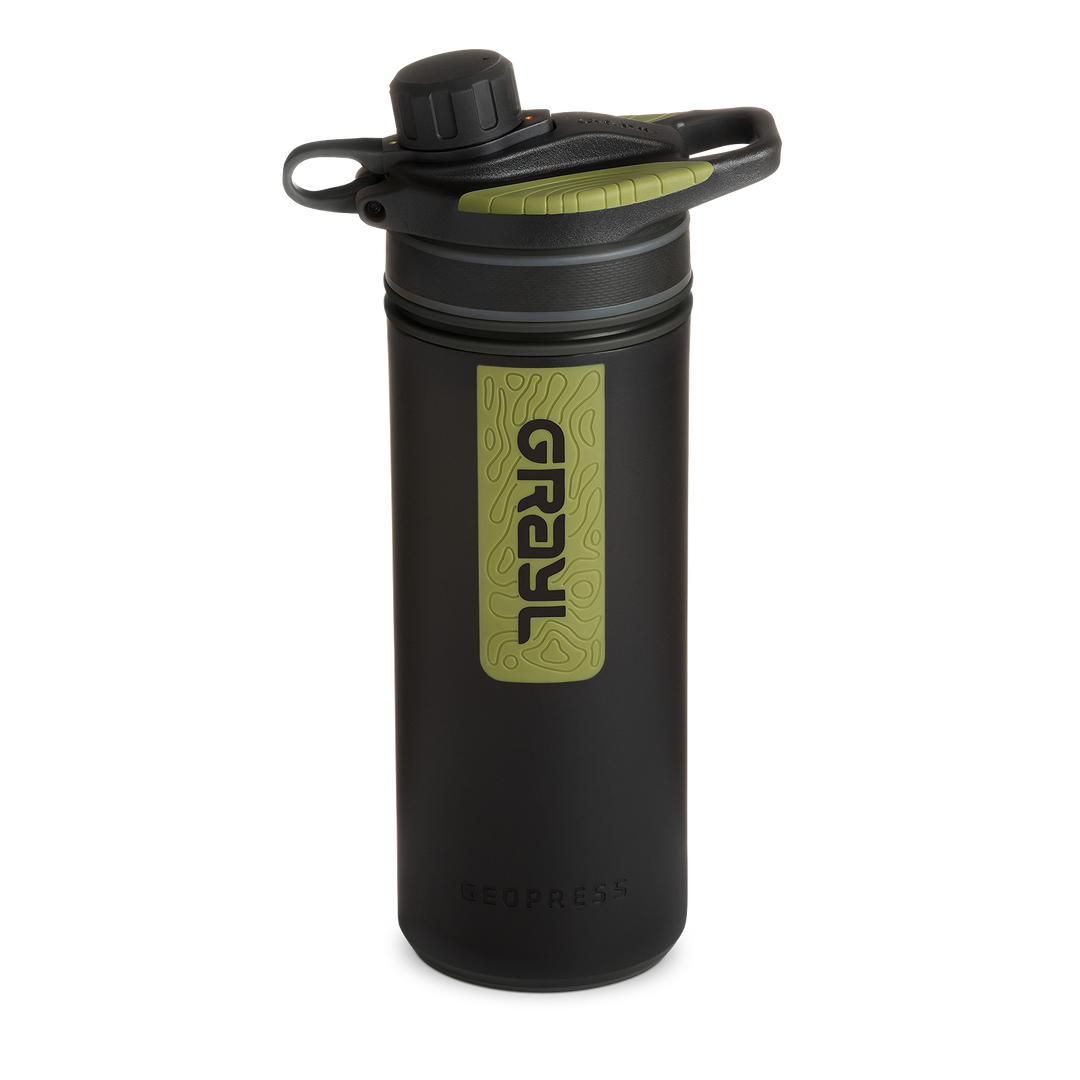
The Grayl Geopress turns any stream, lake, or questionable tap into safe drinking water by pressing the inner filter housing down into the bottle—no pumping or waiting. It removes viruses, bacteria, protozoa, and sediment, making it a critical tool for remote hikes. However, the filter adds weight and bulk, and replacement cartridges are a recurring cost.
Main limitation: The pressing mechanism takes effort and time, and the bottle is noticeably heavier and wider than standard hiking bottles.
Skip if: Hikers who stick to established trails with potable water stations will simply pay for unused filtration features.
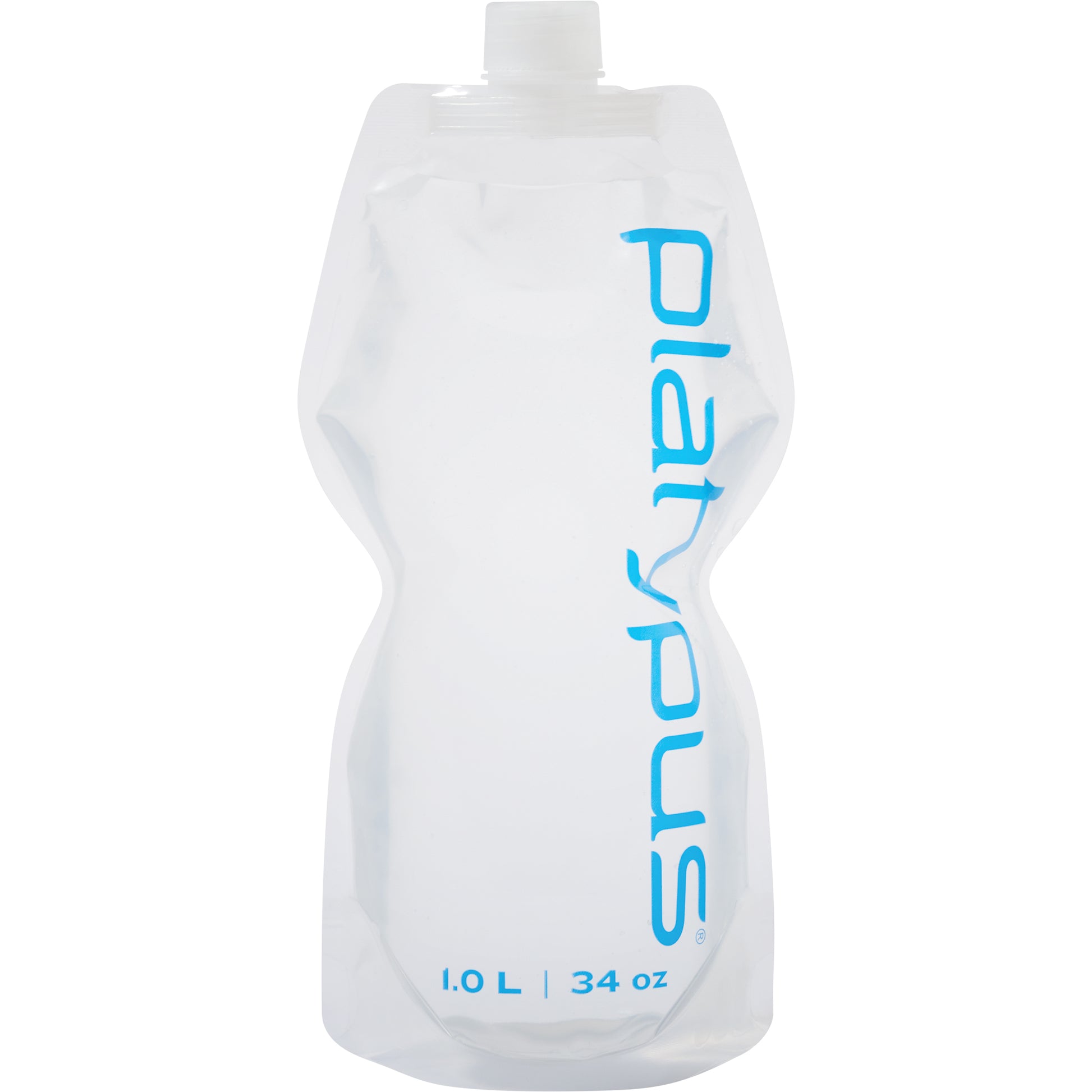
This collapsible bottle rolls down to almost nothing, offering hikers a way to carry extra water only when needed. At just a few ounces, it's the go-to for ultralight backpackers who want a backup container for dry stretches, but its flexible walls make it less convenient to drink from while moving.
Main limitation: The soft material requires two hands to fill and can't be used with standard car cupholders, and it lacks any insulation.
Skip if: Anyone seeking a rigid, everyday bottle will be annoyed by the soft-sided design.
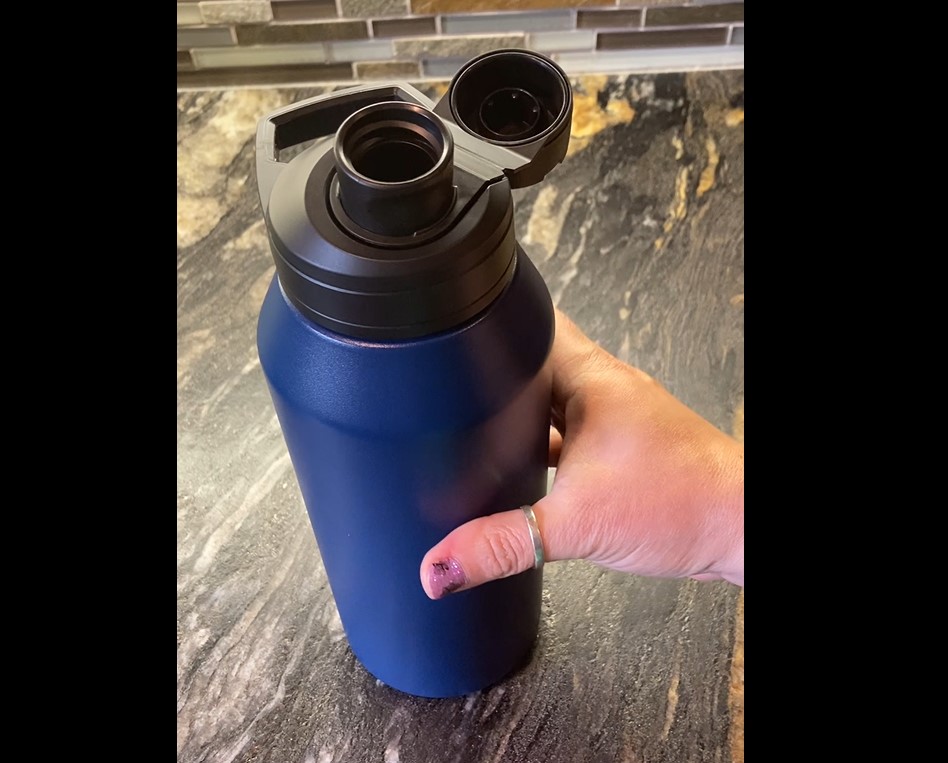
With a 40-ounce capacity, the Chute Mag lets you carry nearly 1.2 liters, reducing refill stops on long, hot days. The magnetic cap pivots out of the way so you can drink without unscrewing, but the bottle is not insulated, so it won't keep water cold.
Main limitation: No insulation means water warms in the sun, and the wide diameter may not fit standard backpack side pockets.
Skip if: Cold-water devotees will find the non-insulated design a dealbreaker on summer hikes.
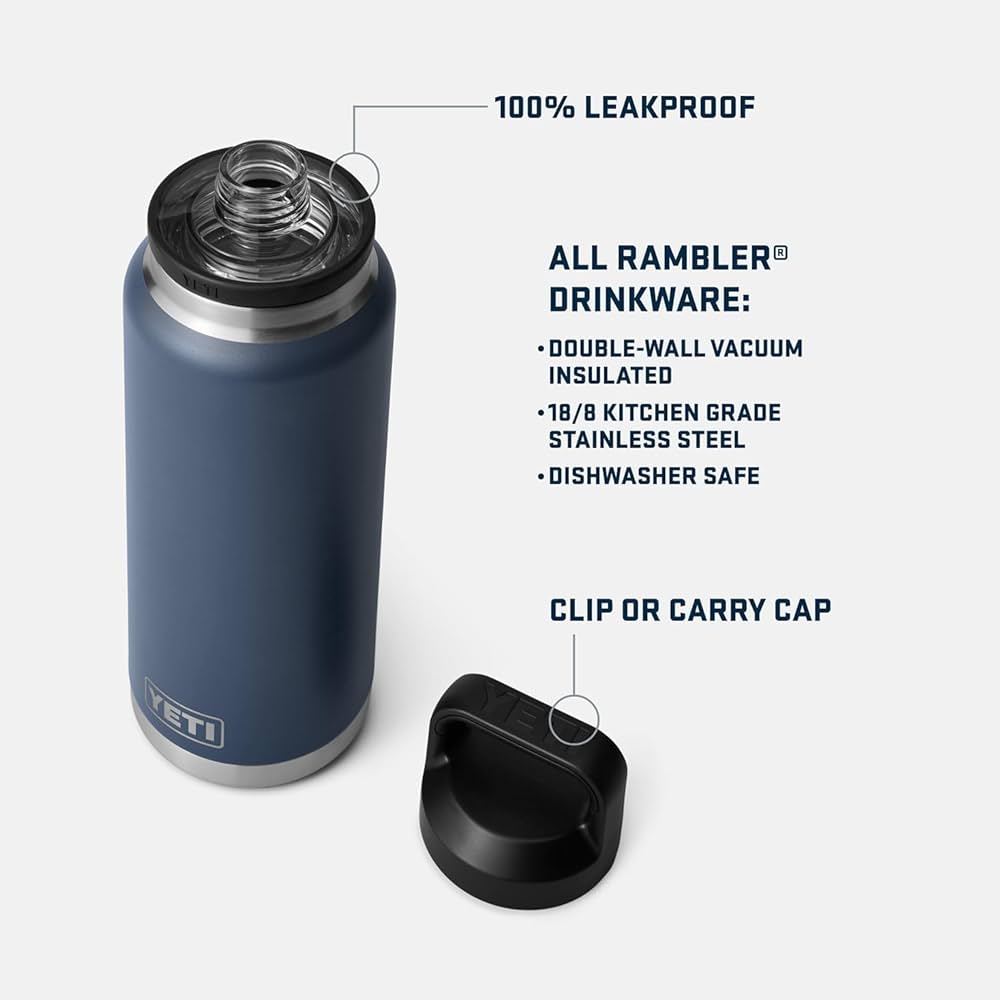
Yeti's Rambler delivers legendary ice retention, keeping water cold for over 24 hours thanks to double-wall vacuum insulation and a durable stainless steel build. It's practically bulletproof for rough trails, but it's one of the heaviest bottles in this lineup, which is fine for car-to-trail hikes but punishing for long backpacks.
Main limitation: The sheer weight (35+ ounces when full) makes it a poor choice for ultralight trips, and the price is premium.
Skip if: Thru-hikers and anyone who carries water for miles will find its weight prohibitive.
Compare key specs and features of all our recommendations side-by-side
| Product | Recommendation | Rating | Price |
|---|---|---|---|
Hydro Flask Trail Series 32 oz Rank #1 | 🏆 Top Pick | 9.0/10 | Approximately $55–$65 Check current price → |
Nalgene HDPE Wide Mouth 32 oz Rank #2 | 💰 Budget Pick | 8.0/10 | Around $15–$20 Check current price → |
Grayl Geopress 24 oz Purifying Bottle Rank #3 | ⭐ Editor's Choice | 8.5/10 | Approximately $90–$110 Check current price → |
Platypus SoftBottle 1L Rank #4 | — | 7.5/10 | Around $10–$15 Check current price → |
CamelBak Chute Mag 40 oz Rank #5 | — | 7.5/10 | Around $25–$30 Check current price → |
YETI Rambler 36 oz Bottle Rank #6 | — | 8.0/10 | Around $50–$60 Check current price → |
Common questions buyers have about this category.
For a standard day hike, a 32-ounce insulated bottle like the Hydro Flask Trail Series keeps water cold from trailhead to summit and fits snugly in a daypack pocket. For overnight trips, you'll want to consider weight and water purification: a lightweight filter bottle like the Grayl Geopress can refill from any stream, while a collapsible bottle gives you emergency capacity without permanent weight.
Insulated bottles make sense for hikers who want cold water on hot days and don't mind carrying an extra pound. The physical weight penalty is about 0.5 to 1 pound empty, but the psychological reward of ice-cold water after a climb can be significant. If you're a gram warrior on a thru-hike, the weight isn't worth it; for most recreational hikers, the comfort is well worth it.
Start by assessing whether you'll have access to clean water on your trail. If you're hiking in areas with potential contaminants—livestock, mineral content, or water-borne diseases—a purifier like the Grayl Geopress gives you safety without needing a separate pump or chemical tablets. If you'll be refilling from taps or known safe springs, a simple bottle is cheaper and lighter. Filter bottles also require regular cartridge maintenance, so match your choice to how often you'll actually use it.
The exact amount depends on your body, weather, and exertion level, but a 1-liter (32 oz) bottle covers most day hikers for 2-3 hours of moderate activity. For long summer hikes or arid climates, consider a 1.2-liter (40 oz) or carry a second bottle. In general, plan on about 0.5 liters per hour in mild conditions, so a 32-oz bottle is a good baseline, with a collapsible backup if you expect to be out longer.
Only bottles explicitly rated for hot liquids should be used with boiling water. Stainless steel bottles like the Yeti Rambler are safe and can actually retain heat for hours, making them great for winter hikes or brewing tea. Plastic bottles like a Nalgene can warp or leach chemicals if you pour boiling water, and even insulated plastic ones have lower heat tolerances. Always check the manufacturer's temperature rating before use.
Most filter cartridges have a lifespan measured in gallons, not years. The Grayl Geopress cartridge is rated for approximately 350 uses (or around 65 gallons) depending on water quality, while the Katadyn BeFree filters are typically good for 1,000 liters. Over time, the flow rate will slow down and the filtration effectiveness diminishes—replace it when you notice a significant reduction in flow or after the maximum volume. Follow the manufacturer's maintenance schedule for best results.
Products we evaluated but did not recommend — and why.
