Get the App
Better experience on mobile
From rugged trail bottles to office-friendly tumblers, these are the top water bottles that balance performance, durability, and value.
The perfect water bottle doesn't exist—but the perfect one for your routine does. The biggest mistake buyers make is chasing the most insulated or the largest bottle when they should actually consider how they'll carry it, clean it, and drink from it. Most of us drink more when the bottle is right in front of us, which is why a straw lid can boost intake by 20% compared to a screw cap. In 2026, there are more choices than ever, from lightweight plastic classics to stainless steel thermoses that keep ice cubes for a full day.
We've sorted through everything from budget-oriented Nalgene bottles to premium YETI and Hydro Flask models, and we've identified seven standouts that earn their place in your daily carry. While no single bottle is perfect for everyone, each of our top picks excels in a specific role, whether you're commuting, hiking, or powering through a desk job. Our goal is to help you find a bottle that you'll actually want to use every day—and one that lasts longer than a week.
The reviews below are based on published expert assessments, manufacturer specifications, and aggregated buyer feedback. We've considered real-world pain points like awkward mouthpieces, difficult cleaning, and premature insulation failure, so you don't have to learn them the hard way. From budget-friendly options to luxury-grade builds, we've balanced price against performance to give you a clear view of what matters most.
Read on to discover which bottle suits your lifestyle, what to look for in materials and insulation, and the subtle differences that separate a great bottle from a one-hit wonder.
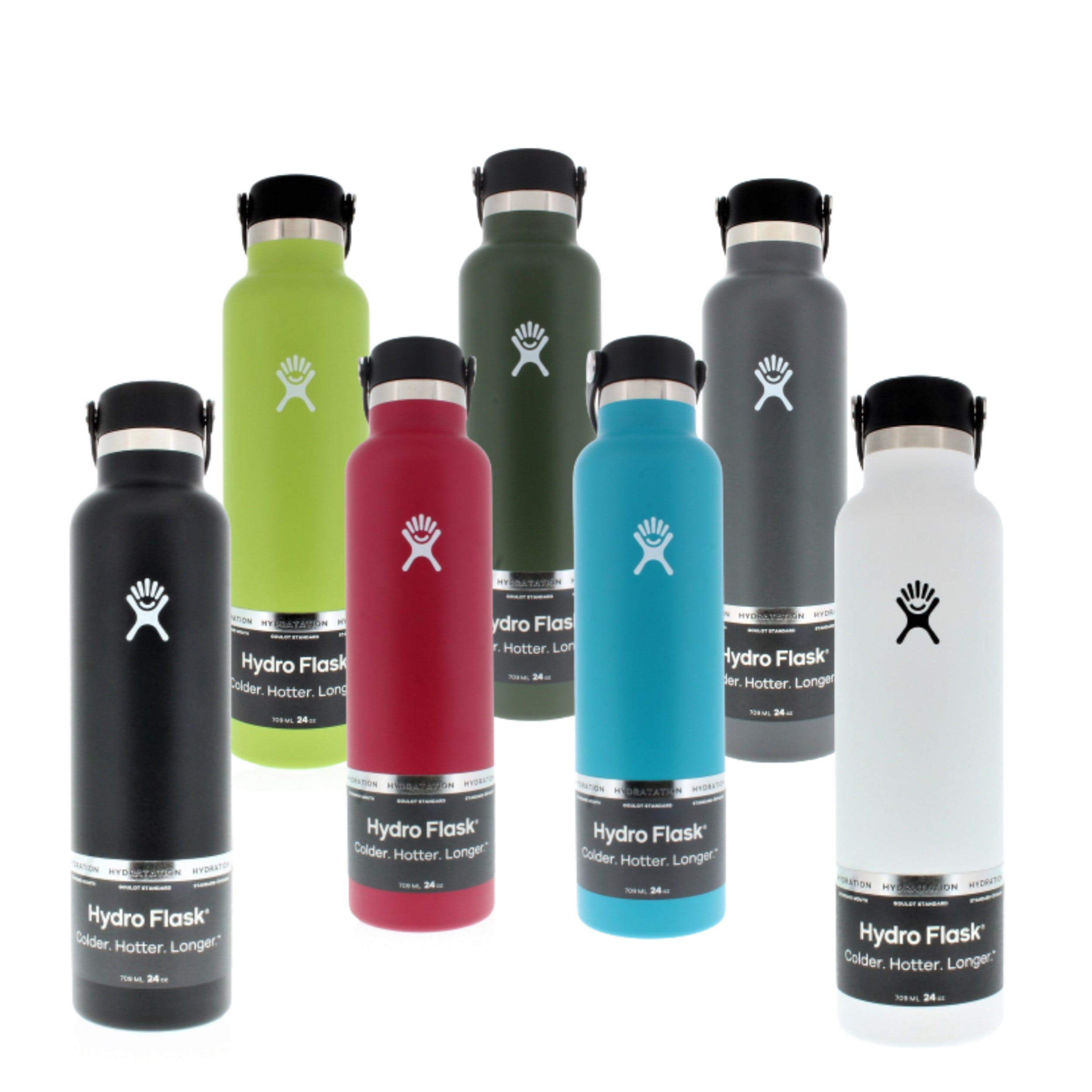
The gold standard for insulated bottles, the Hydro Flask Standard Mouth keeps drinks cold for up to 24 hours and hot for 12 thanks to double-wall vacuum insulation. It's the right size for daily carry, fits most cup holders, and the powder-coated finish offers a secure grip. The trade-off: you're paying a premium for the name, and the lid isn't completely leakproof when flipped open (though it seals for transport).
Main limitation: The wide, unlined mouth is harder to clean, and the finish can chip if dropped repeatedly.
Skip if: If you're on a strict budget, you'll get 90% of the performance for half the price from a ThermoFlask.
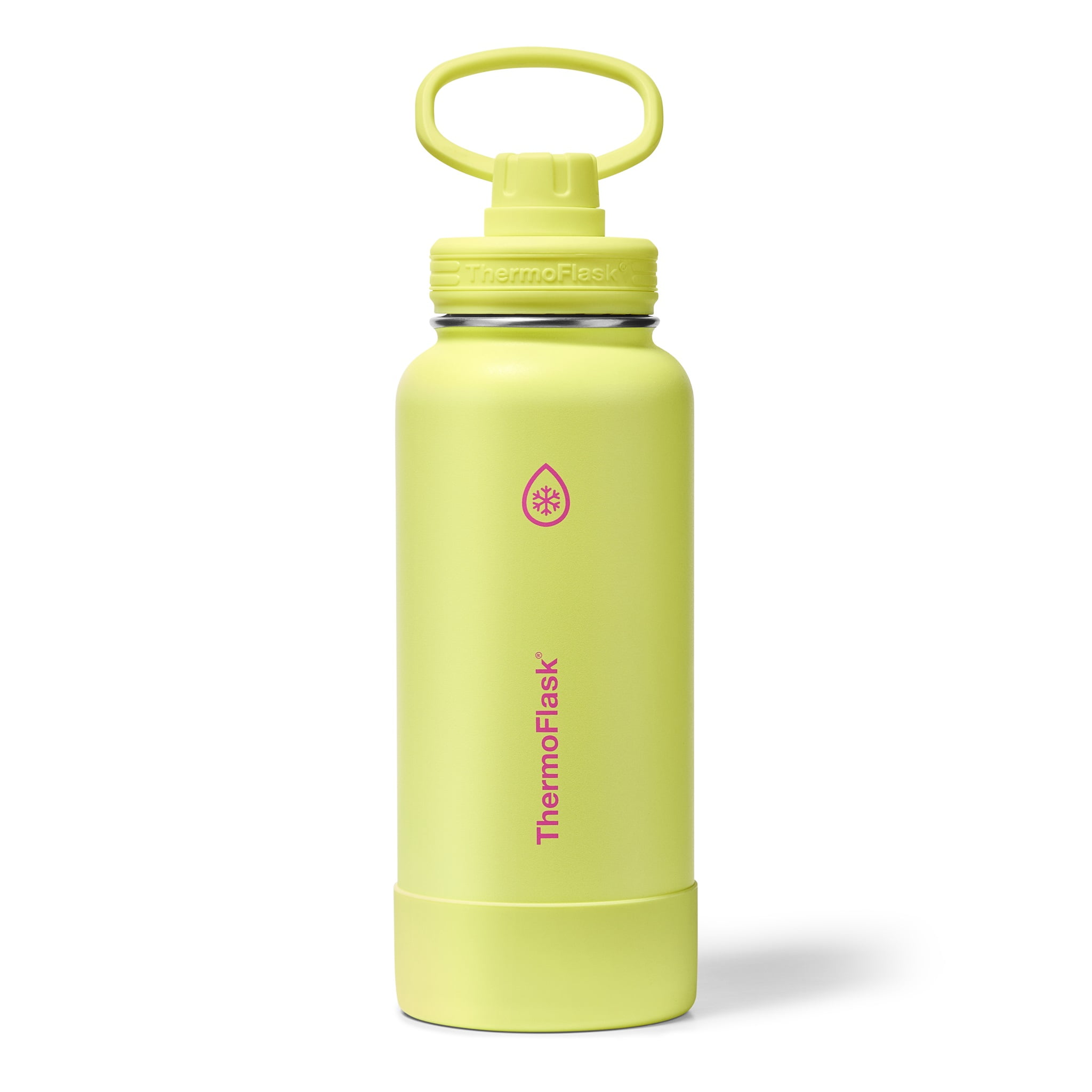
ThermoFlask delivers essentially the same vacuum-insulated performance as bottles costing twice as much. This 32-ounce model keeps ice water cold for 24 hours, comes with two lid options (straw and a spout), and has a powder-coated finish that resists condensation. It's a fantastic value, though it lacks the premium feel and brand recognition of Hydro Flask.
Main limitation: The lids are not fully interchangeable with other accessories, and the insulation isn't quite as efficient as the premium brands for hot liquids.
Skip if: Brand-conscious buyers or people who need a truly leak-proof bottle for carrying in a pocketbook should look elsewhere.
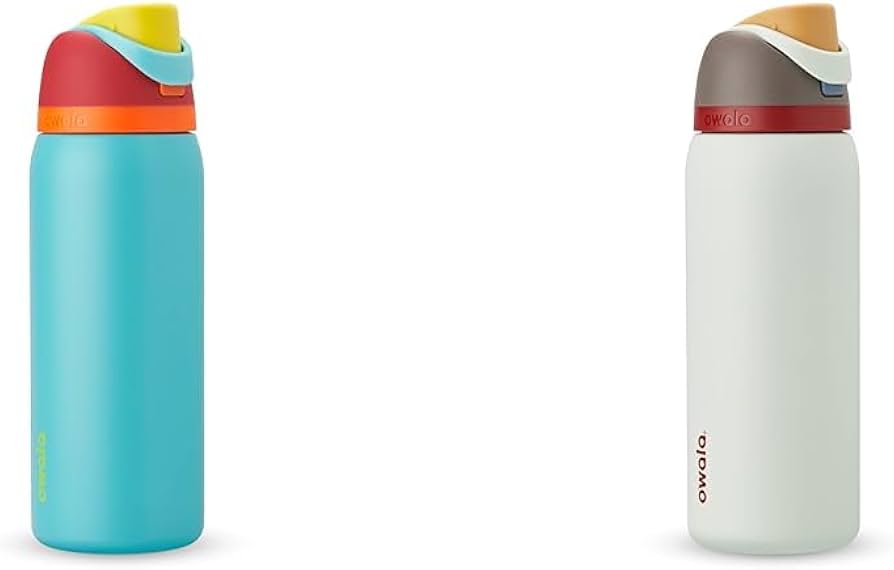
The Owala FreeSip’s patented two-in-one spout lets you sip through a wide straw or chug through a separate opening without tilting the bottle all the way back — a game-changer for drivers and anyone with a busy schedule. It's also fully leak-proof when closed and features an insulating sleeve for grip. The main downside is the plastic spout isn't meant for hot liquids, and it can be a bit more effort to clean.
Main limitation: The spout assembly has multiple parts and requires more thorough cleaning to avoid mildew.
Skip if: If you regularly want hot beverages (like coffee) in your bottle, this isn't the right pick.
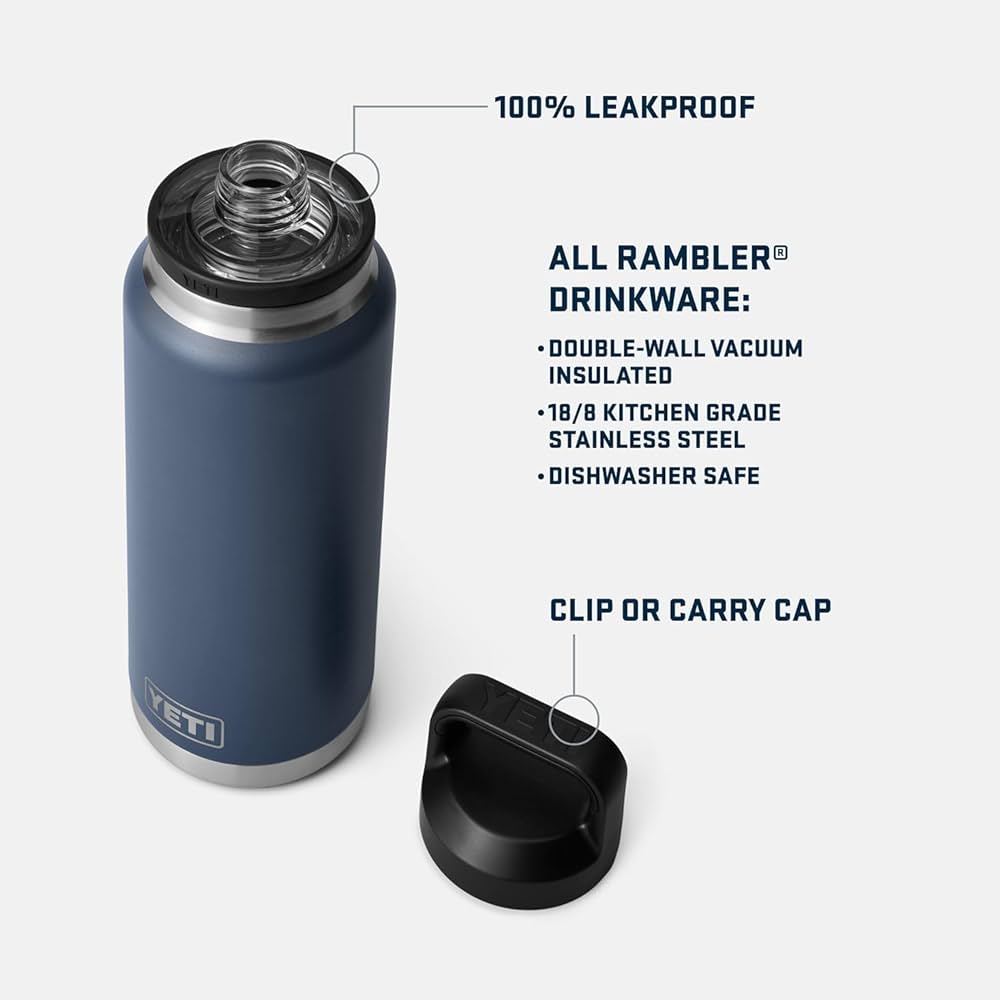
Built like a tank, the YETI Rambler is the kind of bottle you'll pass down to your kids. Its 18/8 kitchen-grade steel resists dents, while the durable DuraCoat finish survives scrapes and drops. It's also double-wall vacuum insulated for all-day temperature control. The trade-off is significant weight and a high price tag, plus the narrow mouth can make ice cubes awkward to add.
Main limitation: Heavy and bulky, it feels like overkill for casual desk hours, and the price is hard to justify for many.
Skip if: Anyone who prioritizes portability over ruggedness, since there's no lightweight version.
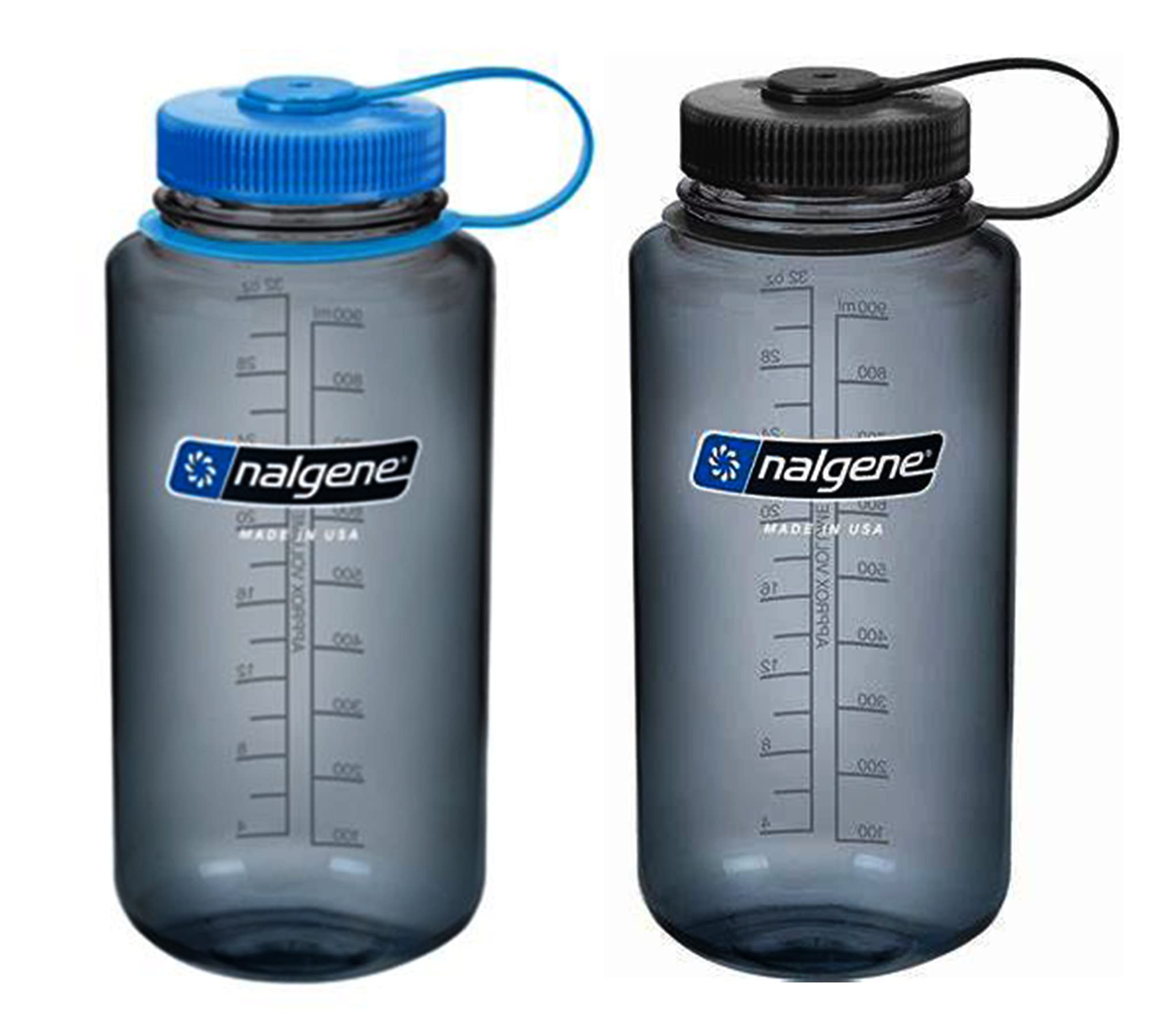
Weighing just 6.5 ounces, the classic Nalgene wide mouth is the go-to for serious hikers who count every gram. It's nearly indestructible BPA-free Tritan, and the wide opening makes it easy to fill from streams and add ice cubes. It doesn't insulate, so your water will take on ambient temperature, and the loop cap isn't leakproof when the bottle is squeezed.
Main limitation: No insulation, and the exposed plastic can leach a plastic flavor if left in a hot car (though it's BPA-free).
Skip if: If you want cold, insulated water for a long day out, this won't keep your drink cool for more than a couple of hours.
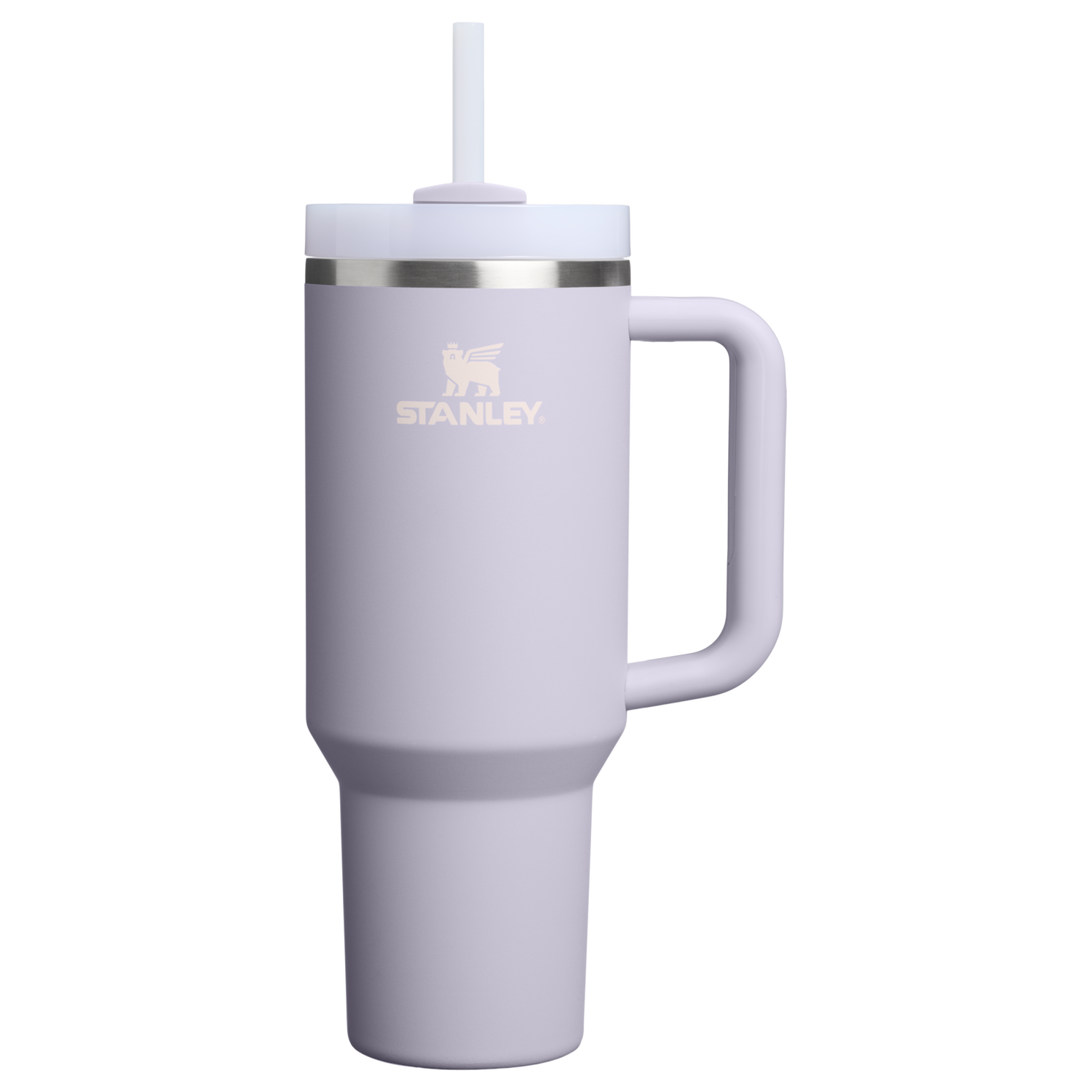
The Stanley Quencher’s huge 40-ounce capacity and integrated straw make it the ultimate companion for long road trips, office days, or binge-watching on the couch. It fits in most cupholders, has a comfortable handle, and keeps drinks cold up to 11 hours. The catch: it's not leak-proof (the straw pokes through), and it's not suitable for soda or anything carbonated.
Main limitation: The open straw exposes liquid to spills if the cup tips over, so it's definitely not rated for leak-proof transport.
Skip if: If you need a sealed bottle for a backpack or gym bag, this tumbler will likely leak on the way.
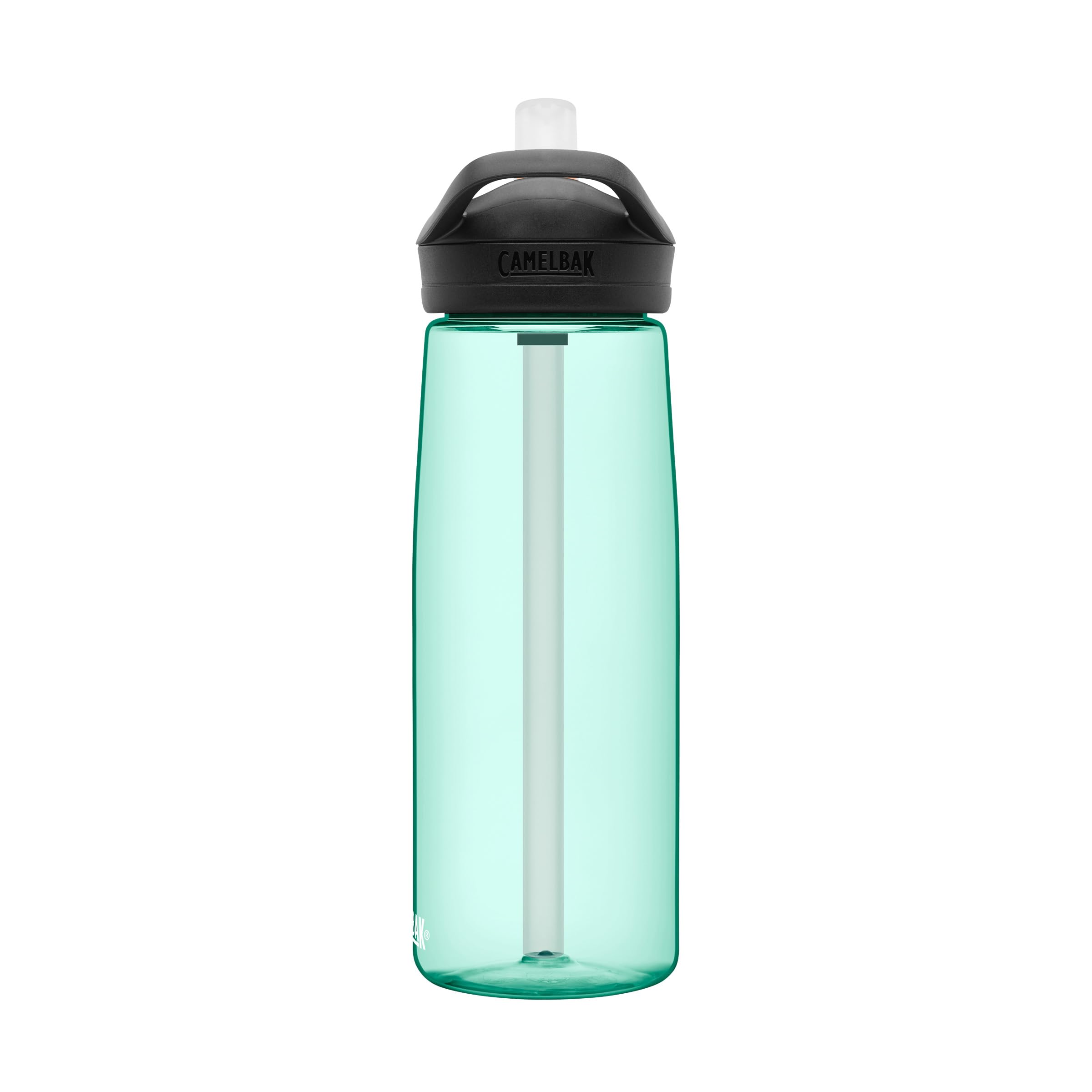
Designed for one-handed drinking, the CamelBak Eddy+ features a bite-valve that seals automatically when you stop sipping—so no leaks when you toss it into a gym bag. It's dishwasher-safe, BPA-free, and the insulated version keeps drinks cool for up to 12 hours (though the plastic spout is a heat weak point). The trade-off is that it can't handle hot liquids and the bite valve can degrade over time.
Main limitation: The bite valve is a common wear point—and it's a bit tricky to clean thoroughly if not disassembled.
Skip if: If you want a bottle that also works with hot coffee or tea, you'll want a full stainless steel design with a twist-off cap.
Compare key specs and features of all our recommendations side-by-side
| Product | Recommendation | Rating | Price |
|---|---|---|---|
Hydro Flask Standard Mouth 24oz Rank #1 | 🏆 Top Pick | 9.2/10 | $35–$45 Check current price → |
ThermoFlask 32 oz Double Wall Vacuum Insulated Rank #2 | 💰 Budget Pick | 8.3/10 | $15–$25 Check current price → |
Owala FreeSip 32 oz with Push-Cap Rank #3 | ⭐ Editor's Choice | 8.8/10 | $30–$40 Check current price → |
YETI Rambler 36 oz Bottle Rank #4 | — | 8.6/10 | $45–$60 Check current price → |
Nalgene Wide Mouth 32 oz Tritan Bottle Rank #5 | — | 8.0/10 | $10–$15 Check current price → |
Stanley Quencher 40 oz Tumbler Rank #6 | — | 8.2/10 | $35–$50 Check current price → |
CamelBak Eddy+ 25 oz Rank #7 | — | 7.8/10 | $15–$25 Check current price → |
Common questions buyers have about this category.
It depends on your needs. Stainless steel is the most durable and offers the best insulation, maintaining cold or hot temperatures for hours. Plastic (like Tritan) is lighter and more affordable, but it lacks temperature regulation and can retain flavors. Glass is inert and doesn't alter taste, but it is fragile and heavy. For most daily use, a stainless steel bottle with a leakproof lid is a good balance.
Premium double-wall vacuum insulated bottles, such as Hydro Flask or YETI, typically keep water cold for 12 to 24 hours, depending on the size and ambient temperature. Cheaper insulated models may only last 6 to 10 hours. The difference comes down to the quality of the vacuum seal and lid insulation. To maximize performance, pre-chill the bottle with cold water and ice before filling completely.
Not always. Many insulated bottles, especially those with powder-coated finishes, and plastic bottles with complex lids should be washed by hand to prevent damage. Stainless steel inner walls are generally dishwasher-safe, but the vacuum seal and exterior finish can degrade over time. Check the manufacturer's guidelines—if it's not explicitly marked dishwasher-safe, it's safer to hand-wash with warm, soapy water and a bottle brush.
A straw lid lets you drink with a simple sip, which is convenient while driving or typing, and it usually encourages more frequent hydration. A regular spout (or chug) lid requires tilting the bottle to drink and is typically more leakproof. Straw lids are often more difficult to clean and can harbor bacteria if not disassembled. Choosing one depends on whether you prioritize convenience or a simple, washable design.
Aim for a bottle that fits your daily lifestyle. If you're at a desk all day, a 24–32 oz bottle reduces trips to the sink and can help you hit your daily water goal (often 64 oz, or 2 liters). For hiking or long commuting, a 32–40 oz bottle is practical. Smaller 16–20 oz bottles are portable and ideal for workouts, but you'll need refills. Don't go over 40 oz unless you specifically need that capacity—the weight and bulk become a hassle.
Yes, if you actually replace single-use plastic bottles with a durable reusable bottle. The manufacturing footprint of a reusable bottle is higher, but after about 20 uses it breaks even with the environmental cost of single-use plastic bottles. Over its lifetime, a quality bottle saves hundreds of disposable bottles from entering landfills. The key is to use it consistently and choose one that lasts years, not one you'll toss after a few months.
Products we evaluated but did not recommend — and why.
