Get the App
Better experience on mobile
From insulated stainless steel to ultralight collapsibles, these hiking bottles are chosen for durability, weight, and practical trail performance.
When the miles pick up, water bottle specs start to matter in ways they don't around a desk. A bottle that's perfect for the gym might prove too heavy in the backcountry, or too weak to handle scrambles and knocks. The right hiking bottle is a balancing act of weight, insulation, durability, and versatility—and the choices have only grown more diverse in 2026, from flexible collapsibles to integrated purifiers.
We built this guide by reading through product specifications, user feedback across major retailers, and published reviews from outdoor gear sites. We didn't just look at what's popular—we assessed which bottles actually fill the gaps hikers run into: how long they keep cold, how well they fit a Sawyer filter, how easily you can drink while moving, and whether their weight justifies its bulk. We've also flagged the trade-offs you'll need to make, because no single bottle wins on every dimension.
In the lineup below you'll find six bottles for different hiking styles, ranging from sub-$15 ultralight basics to premium $100 smart purifiers. Whether you're a weekend day-hiker, a weekend backpacker, or a mountain marathon enthusiast, there's a clear pick for your pack. We'll look at insulated tanks that keep ice cold all day, stretchable soft-sides that fold into a stuff sack, and one purifier that transforms questionable stream water into safe hydration.

The Hydro Flask Wide Mouth 32 oz balances insulation, cap ergonomics, and a trail-ready profile that works for day hikes and backcountry treks. This bottle keeps ice water cold for hours, and its wide mouth makes filling and cleaning straightforward. The main trade-off is weight: at 1.2 pounds empty it's heavy for the capacity, so granola crunchers who obsess over grams may want to look elsewhere.
Main limitation: Its all-steel body and double-wall vacuum insulation make it one of the heaviest bottles in its size class.
Skip if: Hikers who weigh every ounce on multi-day trips will likely find this bottle too heavy versus its outdoor benefits.
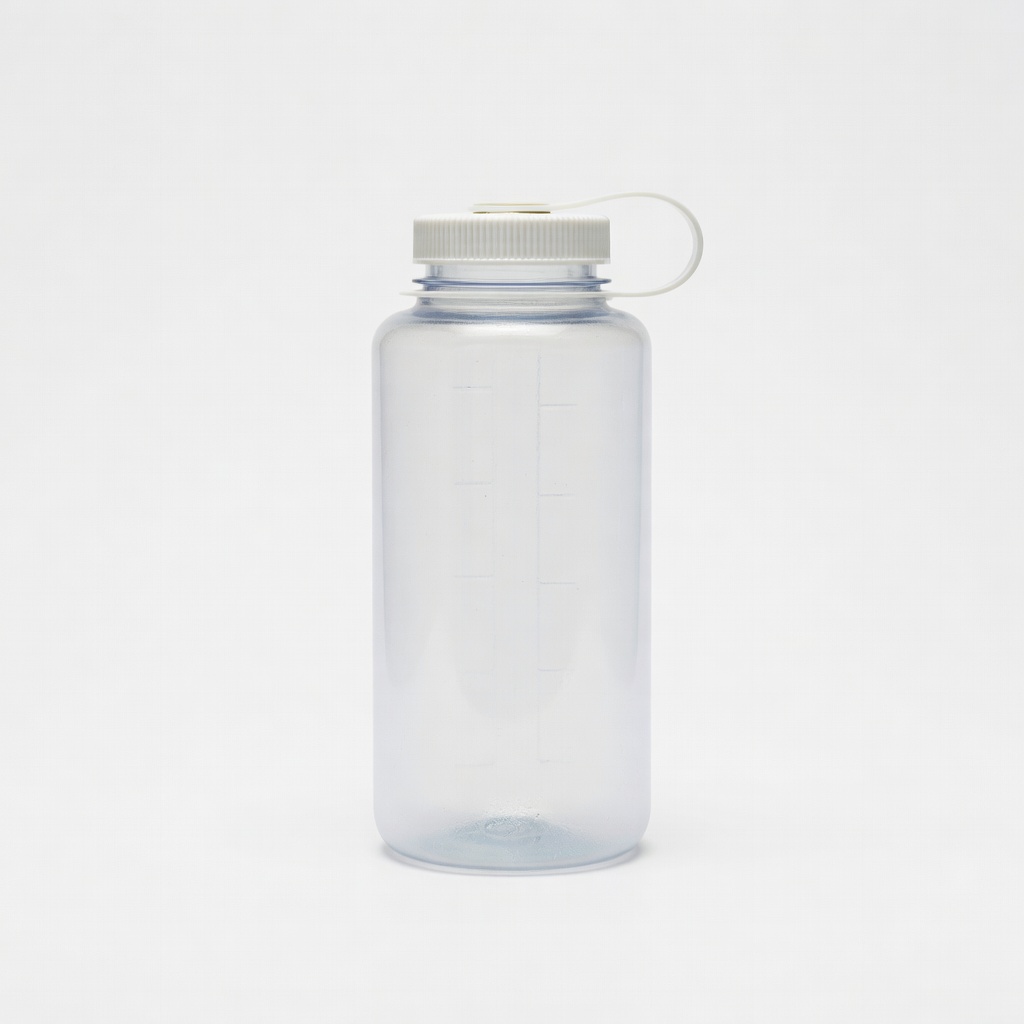
The Nalgene Wide Mouth 32 oz has earned its place on the trail through decades of reliable, low-cost performance. It's lightweight, nearly indestructible, and compatible with most water filters, so it's a favorite for filter-system users. The trade-off: it's not insulated, which means your water warms up fast in the sun and condensation forms on the bottle in cold weather.
Main limitation: Without insulation, the bottle does little to keep water cool or warm, even when the cap is closed.
Skip if: If you expect icy water on a hot summer trail, the Nalgene's lack of insulation will be a dealbreaker.
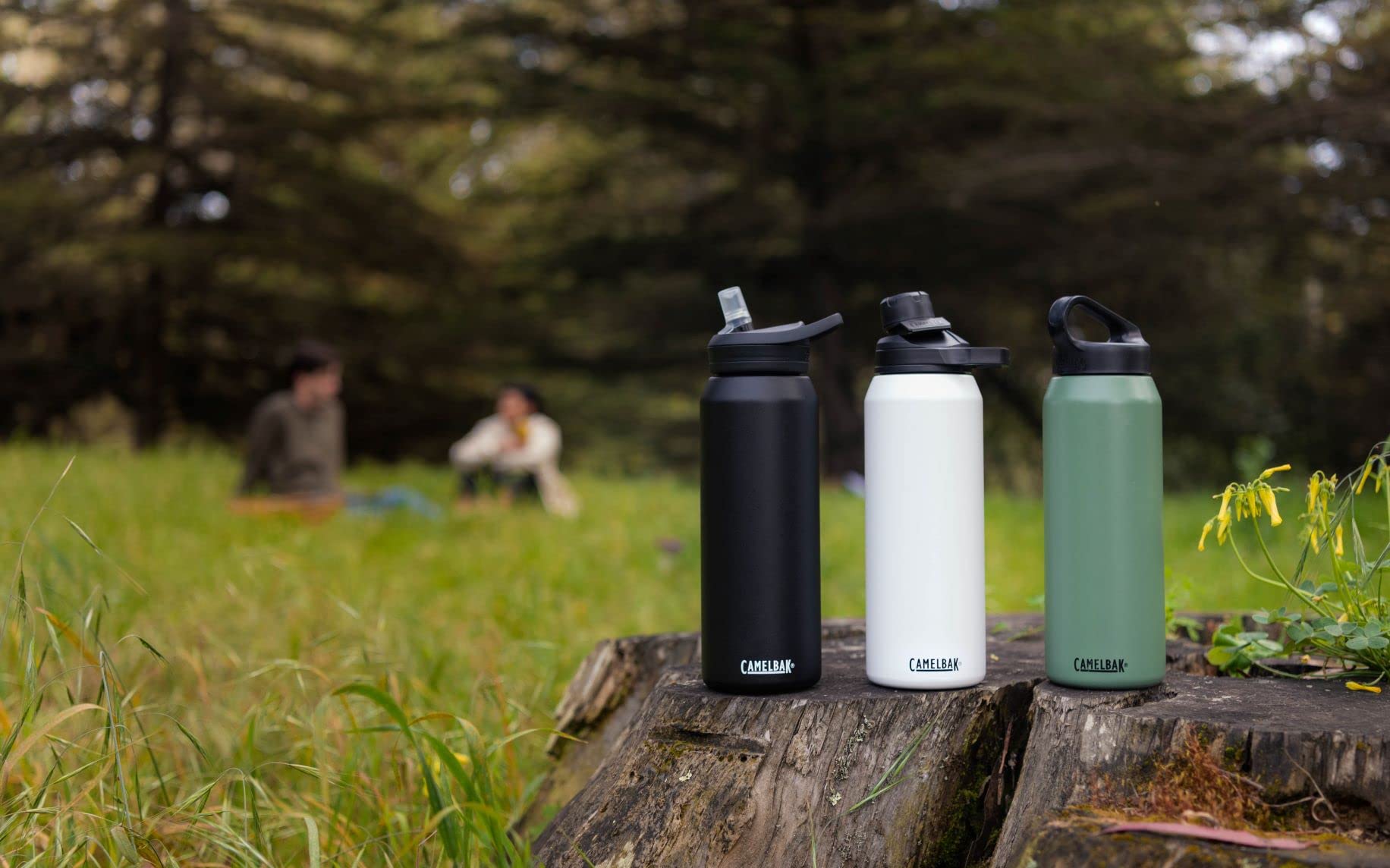
The CamelBak Chute Mag combines a secure leakproof lid with a magnetic attachment that snaps back to the bottle, making hydration without fumbling easy on technical terrain. It's available in both insulated and non-insulated versions, but the Chute Mag's wide-mouth opening still allows filter access. The trade-off is the cap design: the integrated magnet can lose power over time, and the spring-loaded handle adds slight complexity.
Main limitation: The magnetic cap replacement can be finicky to clean and the magnet strength may weaken after years of use.
Skip if: Those who prefer a screw cap they can pop off completely might find the Chute Mag's magnetic design less straightforward.
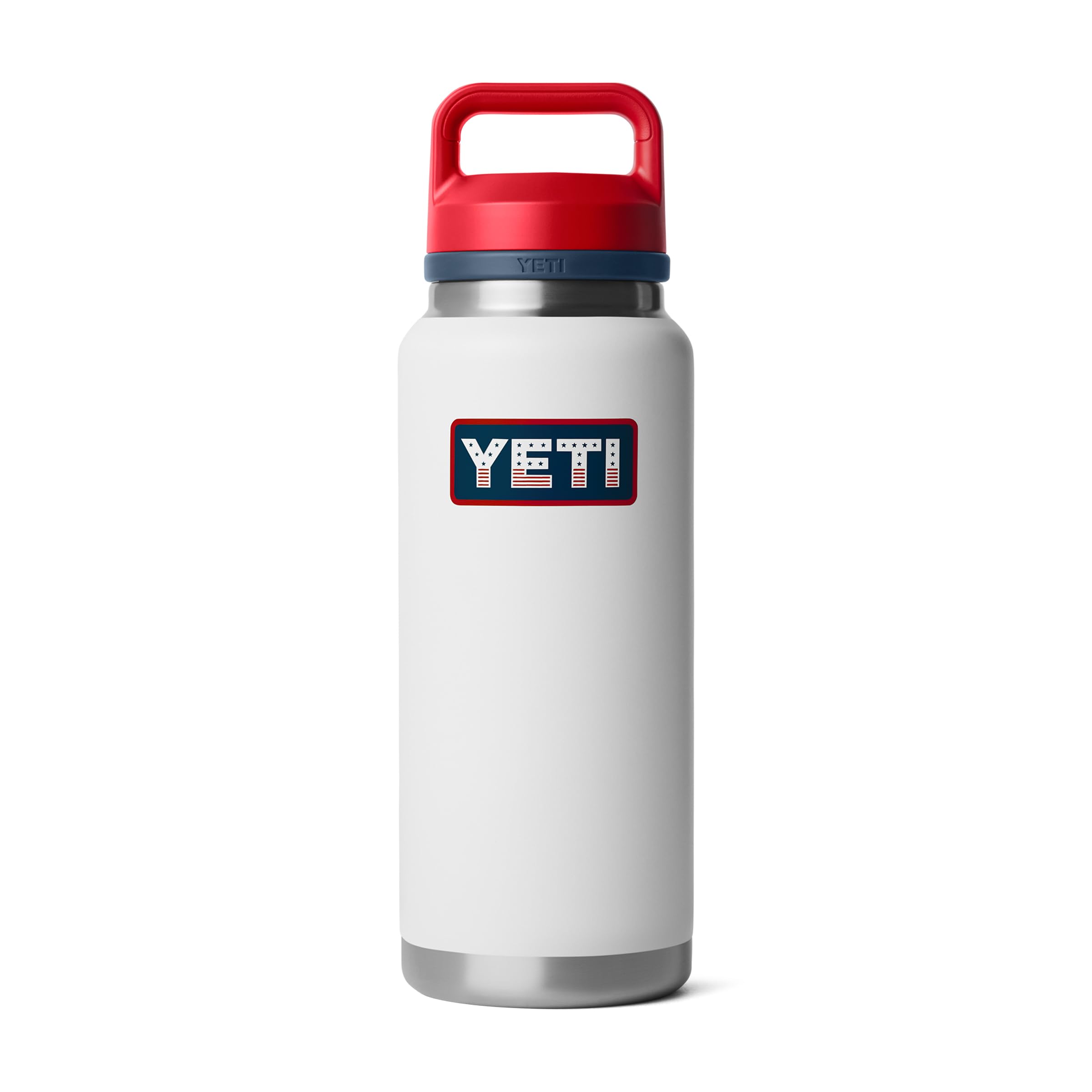
The YETI Rambler 36 oz is built like a tank, with thicker steel and a reinforced base that shrugs off impacts and setup in rocky terrain. Its cold retention is genuinely impressive, lasting through a full day hike even in high temperatures. The trade-off is a heavy empty weight (over 2 pounds) and a price tag that crosses into luxury territory.
Main limitation: Weighing nearly 2.3 pounds empty, this is one of the heaviest bottles you can carry, making it impractical for long-distance hiking.
Skip if: Ozone-conscious hikers who count every ounce will be better served by a lighter or collapsible bottle.
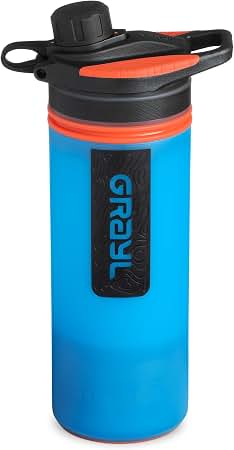
The GRAYL Geopress is an integrated water purifier and bottle in one, letting you channel backcountry water without using pumps or separate filters. Its two-step Press system filters water on the downstroke and concentrates contaminants with a built-in carbon filter that removes viruses, bacteria, and protozoa. The trade-off is a narrow mouth and a manual pumping action that takes 8 seconds per batch, plus a high filter replacement cost.
Main limitation: The inner cartridge is expensive to replace (around $50 each), and the 16-oz capacity feels small for a day's hydration needs.
Skip if: If you hike on maintained trails where potable water is common, the price and weight (21 oz) aren't worthwhile.
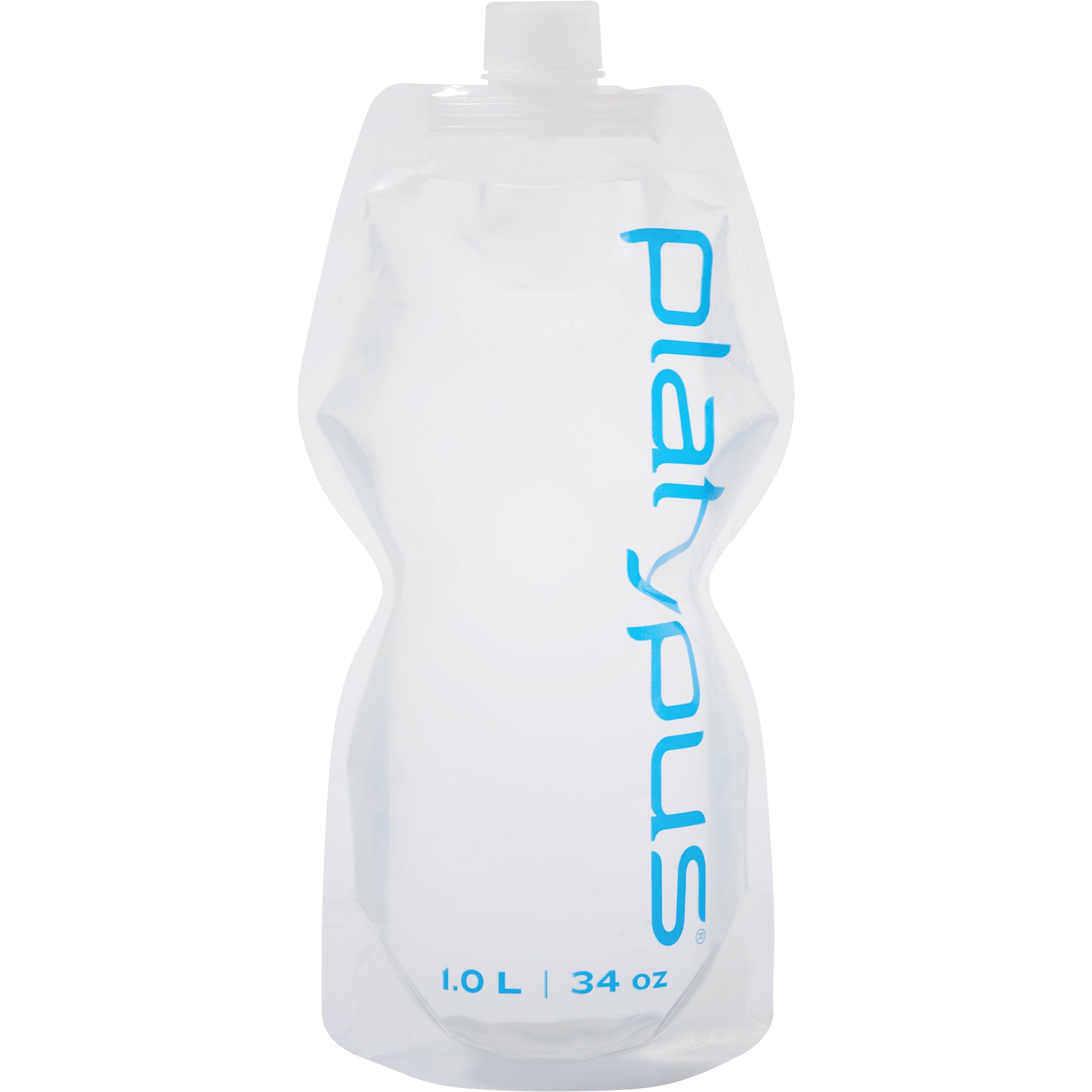
The Platypus SoftBottle is a collapsible hydration tool that packs flat when empty and weighs next to nothing (just 1.1 ounces). It's perfect for minimalists and hikers who need a water vessel for emergencies or sharing. The trade-off is a soft-sided body that's awkward when full and not durable enough for heavy camp use or rough terrain.
Main limitation: Its flexible film can be punctured by sharp objects, and the cap is slow to close, which matters if you tip it in a pack.
Skip if: If you mostly need a bottle that doubles as a camp stove pot, skip this one — you'll want a rigid or thermally insulated option.
Compare key specs and features of all our recommendations side-by-side
| Product | Recommendation | Rating | Price |
|---|---|---|---|
 Hydro Flask Wide Mouth 32 oz Rank #1 | 🏆 Top Pick | 4.7 4.7 | $40–$47 Check current price → |
Nalgene Wide Mouth 32 oz Rank #2 | 💰 Budget Pick | 8.2/10 | $10–$15 Check current price → |
CamelBak Chute Mag 32 oz Rank #3 | ⭐ Editor's Choice | 8.5/10 | $20–$28 Check current price → |
YETI Rambler 36 oz Rank #4 | — | 7.8/10 | $50–$70 Check current price → |
GRAYL Geopress 16 oz Rank #5 | — | 7.8/10 | $89–$100 Check current price → |
Platypus SoftBottle 1L Rank #6 | — | 7.5/10 | $12–$16 Check current price → |
Common questions buyers have about this category.
A general rule is 0.5 to 1 liter per hour of moderate hiking, but that varies with temperature, your sweat rate, and the route's duration. For a typical 4-6 hour summer hike, a 32 oz bottle is a reasonable starting point, with a filter or an extra bottle for longer outings. Always plan for at least one extra half-liter in case you're delayed.
Ultralight backpackers often prefer a 1-2 liter collapsible bottle like the Platypus SoftBottle because it packs flat and saves weight. However, many through-hikers also use a rigid wide-mouth Nalgene or a Smartwater bottle to pair with a Sawyer filter. The best choice balances weight, durability, and compatibility with your water treatment process.
Most standard filters, such as the Sawyer Squeeze, use a 28mm thread that fits both Nalgene and Smartwater style bottles, but a wide mouth makes it easier to add ice, clean the interior, and collect water from shallow streams. If you're using a purification tablet or a gravity filter, a wide mouth also simplifies stirring and shaking. Narrow mouth bottles are lighter and sometimes easier to sip, but they're harder to clean and fill from a water source.
For winter hiking, an insulated stainless steel bottle (like the Hydro Flask) significantly slows freezing, especially if you start with hot water. Keeping the bottle inside your pack, upside down, can also help since the liquid freezes last near the lid. Avoid filling against the top of the bottle, as the water expands and can crack cheaper plastic or push out the cap.
Yes, most modern collapsibles are made from BPA-free food-grade polyurethane or TPU, which are safe for drinking water. However, their flexible walls can be harder to clean thoroughly, so you should follow the manufacturer's instructions for drying. Also, they're more susceptible to punctures and should be checked regularly for damage, especially if you stuff them against sharp gear.
Only insulated stainless steel bottles like the Hydro Flask, YETI, or Klean Kanteen are designed to hold hot liquids safely. Plastic and collapsible bottles are not intended for hot beverages and may warp or leach chemicals. If you plan to brew coffee or tea on the trail, choose a bottle with a wide mouth so you can add a tea bag or clean out grounds easily.
Products we evaluated but did not recommend — and why.
