Get the App
Better experience on mobile
From ultralight collapsibles to rugged insulated bottles, here are the best hydration options for your next hike.
The water bottle you bring on a hike matters more than you might think. It's not just about capacity—it's about whether it keeps water cold, fits in your pack's side pocket, and survives a drop on granite. The wrong bottle means warm water, leaks, or extra weight you regret by mile five.
Hiking hydration is unique: you're often miles from a refill, temperature swings are common, and every ounce counts. A bottle that works for the gym may fail on the trail—leaking in your pack, freezing shut, or making water taste like plastic. That's why the best hiking bottles balance durability, insulation, and weight in ways that general-use bottles don't.
We researched dozens of options, from classic Nalgenes to high-tech purifier bottles, analyzing specifications, verified buyer feedback, and expert reviews from outdoor publications. We prioritized bottles that are reliable in the field, easy to use with one hand, and compatible with common pack pockets and filtration systems.
Whether you're a day hiker, thru-hiker, or weekend warrior, there's a bottle here for you. Our picks range from a $12 budget workhorse to a $90 purifier that eliminates the need to carry extra water. Each recommendation includes an honest trade-off, because no single bottle is perfect for every hike.
The Hydro Flask 32 oz Wide Mouth is widely regarded as the most reliable all-around hiking bottle, thanks to its durable 18/8 stainless steel construction and TempShield double-wall insulation that keeps water cold for up to 24 hours. The wide mouth accommodates ice cubes and is compatible with a range of caps and straw lids. However, it's heavier than plastic options and can dent if dropped on rocks.
Main limitation: Its 15.5-ounce weight (empty) is noticeable on long hikes, and the powder coat can chip over time.
Skip if: Ultralight backpackers who count every ounce should opt for a collapsible or titanium bottle instead.
The Nalgene 32 oz Wide Mouth is a hiking staple for a reason: it's virtually indestructible, leakproof, and costs a fraction of insulated bottles. Its lightweight design and wide mouth make it easy to fill from streams (with treatment) and clean. The trade-off is that it offers no insulation, so water reaches ambient temperature quickly, and some users report a slight plastic taste.
Main limitation: It doesn't keep water cold, and the plastic can retain flavors from sports drinks.
Skip if: Hikers who want cold water hours into a hike or who dislike plastic-tasting water should look elsewhere.
The Grayl Geopress is a game-changer for hiking in areas with reliable water sources: it purifies water in just 8 seconds, removing viruses, bacteria, protozoa, and heavy metals without pumping or chemicals. It's ideal for international travel and backcountry trips where you'd otherwise carry heavy water. The main drawbacks are its high price, 1.5-pound weight, and the need to replace filters every 65 gallons.
Main limitation: It's heavy and expensive, and the filter requires periodic replacement, adding to long-term cost.
Skip if: Day hikers with access to clean water or those on a tight budget should stick with a standard bottle and separate filtration method.
When every ounce counts, the Vapur Eclipse is a smart choice: it collapses to a tiny size when empty, weighs just 2.6 ounces, and can be frozen or clipped to a pack with its carabiner. It's perfect for fastpacking and travel. However, it's not insulated, can develop pinhole leaks over time, and isn't suitable for hot liquids.
Main limitation: The plastic film can puncture if snagged, and it offers no insulation.
Skip if: Hikers who need insulation or plan to carry hot beverages should avoid this bottle.
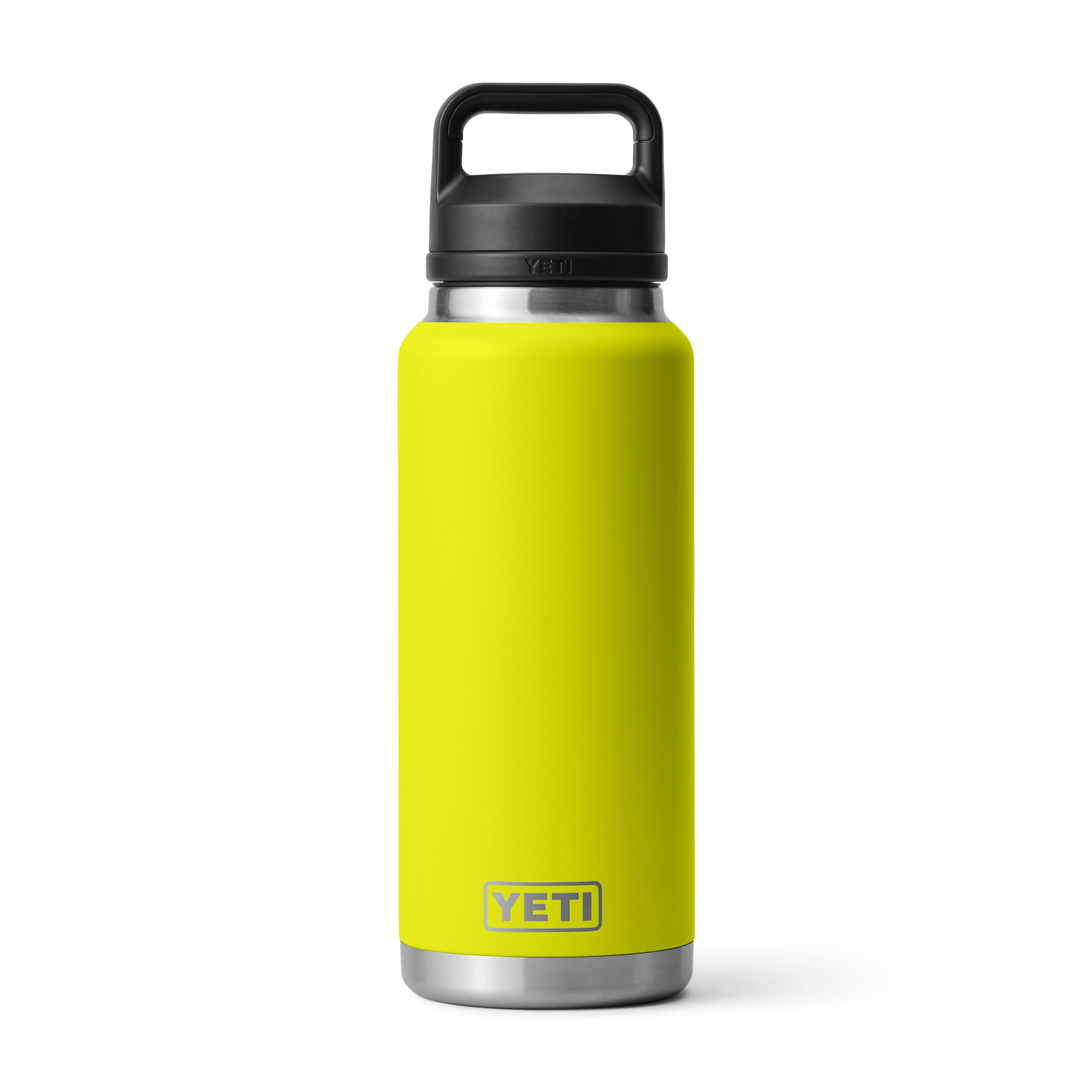
The YETI Rambler 36 oz is a beast at temperature retention: its double-wall vacuum insulation keeps drinks ice-cold for hours, even in direct sun. The chug cap is easy to use one-handed, and the bottle is dishwasher safe. The trade-off is its hefty weight (over a pound empty) and premium price, making it better for car camping or short hikes than long treks.
Main limitation: It's one of the heaviest bottles on this list, and the chug cap can be tricky to clean thoroughly.
Skip if: Backpackers and ultralight hikers will find it too heavy to carry for long distances.

Klean Kanteen's TKWide is built to last: its 18/8 stainless steel body is chip-resistant, and the Climate Lock insulation keeps drinks cold for up to 66 hours. The wide mouth and interchangeable cap system (including the Café Cap for hot drinks) add versatility. It's slightly heavier than some competitors and the Café Cap isn't leakproof for vigorous activity.
Main limitation: The Café Cap can leak if not tightened properly, and the bottle is not the lightest option.
Skip if: Hikers who prioritize a leakproof design above all else might prefer a different cap or bottle.
Compare key specs and features of all our recommendations side-by-side
| Product | Recommendation | Rating | Price |
|---|---|---|---|
Hydro Flask 32 oz Wide Mouth with Flex Cap Rank #1 | 🏆 Top Pick | 9.0/10 | $40–$50 Check current price → |
Nalgene 32 oz Wide Mouth Rank #2 | 💰 Budget Pick | 8.0/10 | $10–$15 Check current price → |
Grayl Geopress Water Purifier Bottle Rank #3 | ⭐ Editor's Choice | 8.5/10 | $80–$100 Check current price → |
Vapur Eclipse Collapsible Water Bottle Rank #4 | — | 7.5/10 | $12–$18 Check current price → |
YETI Rambler 36 oz Bottle with Chug Cap Rank #5 | — | 8.5/10 | $45–$55 Check current price → |
 Klean Kanteen TKWide 32 oz with Café Cap Rank #6 | — | 4.5 4.5 | $35–$45 Check current price → |
Common questions buyers have about this category.
For most day hikes, a 1-liter (32-ounce) bottle is sufficient, providing about 2-3 hours of hydration. For longer or hotter hikes, consider carrying two bottles or a larger 40-ounce option. The ideal size also depends on your pack's capacity and how often you can refill.
Insulated bottles keep water cold for hours, which can be refreshing on hot days, and they prevent freezing in winter. However, they typically weigh 8-16 ounces more than plastic bottles. If you're hiking short distances or in mild weather, a lightweight plastic bottle may be a better choice.
Yes, but stainless steel bottles can retain odors and flavors over time, and sugar can promote bacterial growth if not cleaned thoroughly. Plastic bottles may also absorb flavors. Look for bottles with wide mouths for easy cleaning, and wash with hot soapy water after each use.
Most bottles are dishwasher safe (top rack), but hand washing with a bottle brush and hot soapy water is often more effective for narrow mouths. For insulated bottles, avoid soaking them in water, as it can damage the vacuum seal. Periodically deep clean with a vinegar and water solution to remove odors.
Collapsible bottles are surprisingly durable for their weight, but they can puncture if snagged on branches or rocks. They're best for ultralight trips where weight is critical, and they should be carried in a pack pocket rather than loose. They're not suitable for hot liquids or rough handling.
It depends on the filter. Some bottles, like the Grayl Geopress, remove viruses, bacteria, and protozoa, making them a complete purification system. Others, like LifeStraw Go, only filter bacteria and protozoa, so you may still need chemical treatment for viruses. Always check the specs for your destination.
Most hikers use their pack's side pockets, but if your bottle doesn't fit or you need quick access, a bottle holder with a shoulder strap or a hip belt pouch can help. For collapsible bottles, a carabiner can clip to your pack. Avoid carrying a bottle in your hand for long periods, as it can lead to fatigue.
Products we evaluated but did not recommend — and why.
