Get the App
Better experience on mobile
A curated guide to hydration bottles that balance durability, weight, and performance for day hikes and backcountry adventures.
Ask a thru-hiker what they drink out of and you'll often get a surprising answer: a reused 1-liter soda bottle. It's not because they like fizzy drink leftovers—it's because weight and simplicity matter more than insulation and brand. Your water bottle is one of the most frequent pieces of gear you'll handle on the trail, so the best choice for you depends on how long you hike, how much you sweat, and how much you're willing to carry empty.
In this guide, we break down six bottles that cover the full spectrum of hiking needs, from ultra-light collapsible containers to insulated steel monsters that keep ice the whole day. We also dive into the trade-offs: a bottle that's amazing for cold water may be terrible for a 20-mile desert hike, and a budget bottle might last years but heat up in the sun.
We based our selections on a careful look at specs like empty weight, capacity, insulation ratings, and durability claims, combined with the consensus of thousands of trail reviews and expert opinions in outdoor-gear publications. These are bottles that have proven themselves on switchbacks, stream crossings, and truck-bed test runs.
Our list includes picks for day hikers, weekend backpackers, purists, and people who absolutely need their water to stay freezing cold. Whatever your goal, there's a bottle here that will make your next hike more enjoyable.
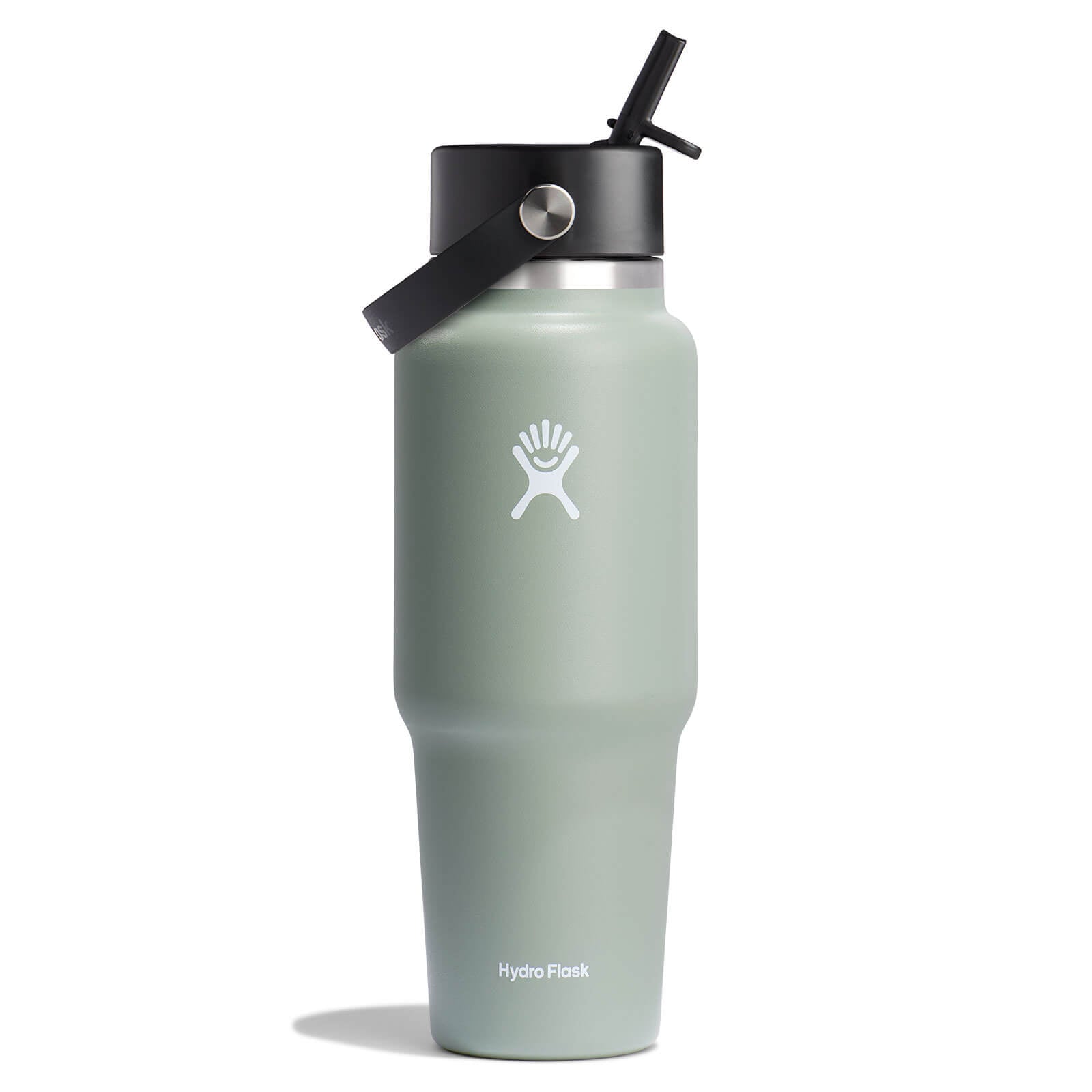
The Hydro Flask Wide Mouth 32 oz hits the sweet spot for day hikes: a durable stainless steel body that keeps water cold for 24 hours and hot for 12, a leak-proof Flex Cap, and enough capacity for a full day without refills. Its wide mouth also makes it easy to fill with ice or filter. The main sacrifice is weight: at about 1.3 pounds empty, it’s among the heaviest bottles on this list.
Main limitation: The stainless steel construction is noticeably heavier than plastic or soft bottles, making it a burden on long, mileage-heavy treks.
Skip if: If you're an ultralight hiker focused on minimizing pack weight, a heavier insulated bottle is likely overkill and will weigh you down.
A classic for a reason, the Nalgene Wide Mouth is the most reliable, affordable hydration workhorse on the trail. It's made from durable, BPA-free plastic that can survive drops into rock piles, and its wide mouth allows for easy filling from streams or filtering. The trade-off is that it provides zero insulation and, at 6.4 ounces, it's not the lightest plastic bottle available.
Main limitation: No insulation means water warms up quickly in sun, and cold weather hikes can make the mouthpiece uncomfortable.
Skip if: Skipping this is wise if you need ice-cold water after several hours in warm temperatures, or if you're counting every gram on a multi-day expedition.
Weighing just 2.4 ounces and collapsing down to nearly nothing, the Platypus DuoLock is the ultralight hiker's best friend. It's made from a flexible film that rolls up when empty, yet stands upright when full thanks to a semi-rigid base. The easy-open DuoLock cap lets you sip or pour quickly, though it’s not designed for heavy filling pressure.
Main limitation: The soft-sided material can develop pinhole leaks over time if punctured by sharp objects, and it doesn't offer any insulation.
Skip if: Skip this if you routinely throw your bottle in a pack without care for sharp objects, or if you want a sturdy bottle that can double as a cooking vessel.
The Grayl GeoPress combines a hydration bottle with a 0.2-micron filter that removes waterborne pathogens, sediments, and viruses in just 15 seconds. This makes it a one-stop solution for hikers who want to drink naturally from streams and lakes without carrying a separate filter. The rugged outer shell protects the filter, and the push-plunger design is straightforward. The downsides: it’s heavier and bulkier than a standard bottle, and replacement cartridges add ongoing cost.
Main limitation: The integrated filter reduces capacity and adds weight, and the filter cartridges need to be replaced after about 350 uses.
Skip if: This isn’t for trailheads or short trips where clean tap water is available—it’s built for backcountry adventures where water purity is a genuine concern.
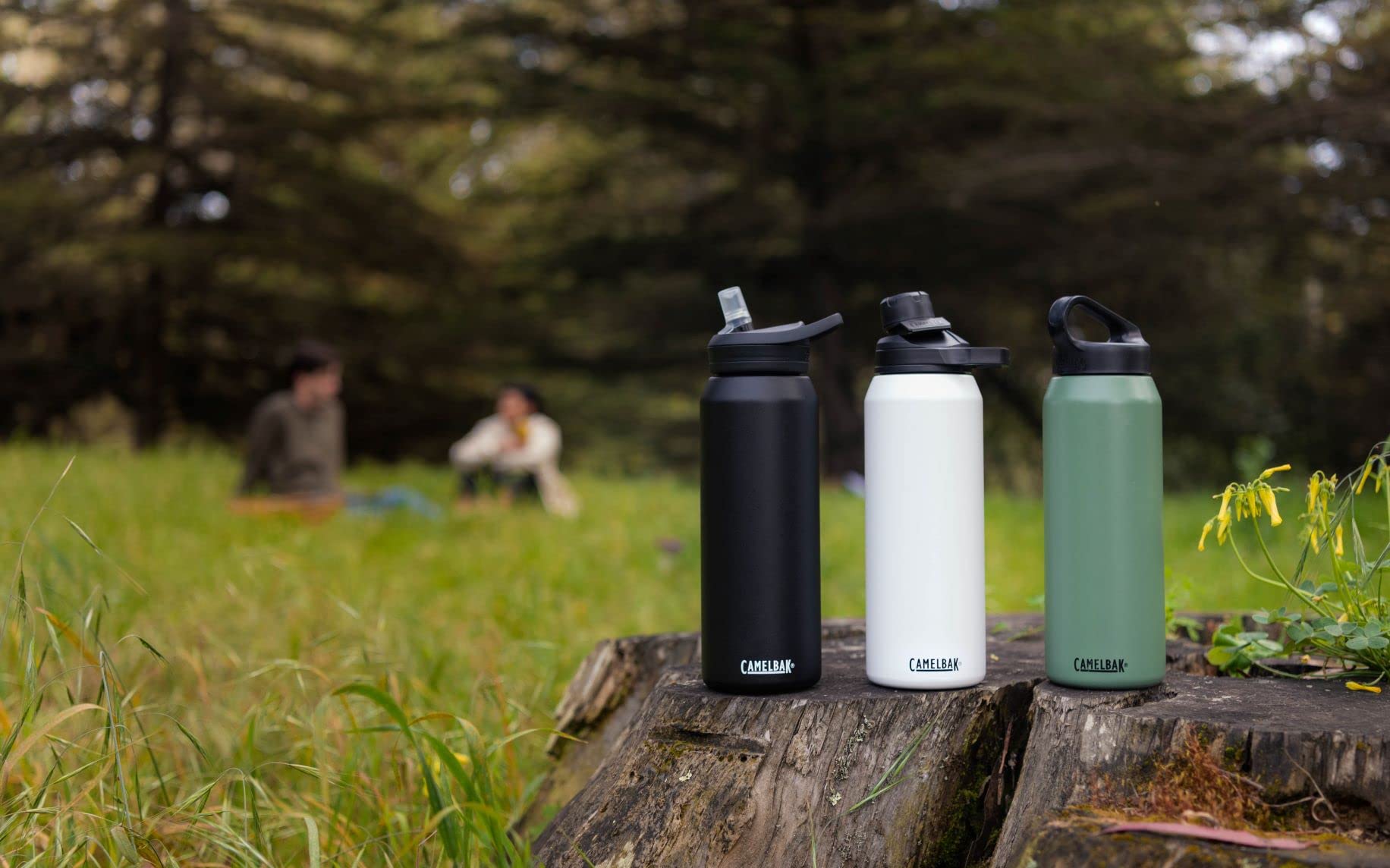
The CamelBak Chute Mag features an innovative magnet-holding cap that stashes the lid while you drink, plus a one-handed, ergonomic bite valve that delivers a high flow rate without leaking. The bottle is made from durable, BPA-free plastic with a wide fill opening and a comfortable carrying handle. While it's not insulated, it's significantly lighter than steel and extremely easy to use on the move.
Main limitation: The magnet cap can catch on gear, and the plastic can show scratches after rough use in rocky environments.
Skip if: If you're looking for robust insulation to keep drinks cold, this plastic bottle won't hold up for long in summer heat.

If your priority is ice-cold water even in scorching desert trails, the YETI Rambler 26 oz with Chug Cap is built to keep ice intact for up to 24 hours. Its double-wall vacuum insulation performs exceptionally well, and the rugged stainless steel construction can take a serious beating. But for a hike, it's heavy—over 1.5 pounds empty—and the chug cap may not deliver the fastest flow.
Main limitation: The heavy gauge steel makes it a burden on multi-hour climbs, and the wide diameter may not fit your car's cupholder.
Skip if: Ultralight backpackers and long-distance hikers should skip this because the extra pound of weight can cause fatigue on high-mileage trails.
Compare key specs and features of all our recommendations side-by-side
| Product | Recommendation | Rating | Price |
|---|---|---|---|
Hydro Flask Wide Mouth 32 oz with Flex Cap Rank #1 | 🏆 Top Pick | 8.5/10 | Around $40 Check current price → |
Nalgene Wide Mouth 32 oz Water Bottle Rank #2 | 💰 Budget Pick | 8.0/10 | Around $15 Check current price → |
Platypus DuoLock SoftBottle 1-Liter Rank #3 | ⭐ Editor's Choice | 8.0/10 | $15–$20 Check current price → |
Grayl GeoPress 24 oz Rank #4 | — | 7.5/10 | Around $90 Check current price → |
CamelBak Chute Mag 32 oz Rank #5 | — | 7.5/10 | Around $25 Check current price → |
 Yeti Rambler 26 oz with Chug Cap Rank #6 | — | 7.5/10 | Around $40 Check current price → |
Common questions buyers have about this category.
A common rule of thumb is about 0.5 liters per hour of moderate hiking, but this varies with temperature, intensity, and your own sweat rate. For a 3-hour hike, a 32-ounce bottle is adequate if you start fully hydrated; for long, hot treks, consider a filter or a plan to refill.
Plastic bottles are the best balance of durability and light weight for most hikers. Stainless steel keeps drinks cooler or warmer and lasts longer, but at the cost of weight. Soft collapsible bottles are the lightest, but are vulnerable to punctures.
You can use a dedicated bottle brush and a mild detergent, and allow it to air dry. For deeper cleaning, a solution of water and white vinegar can help remove mineral buildup. Avoid putting bottles with metal interiors in the dishwasher.
Yes, for ultralight hikers who need to save space and ounces. They roll up when empty, which is great for when you’re down to your last liter of water. But they can puncture, and you can’t boil water in them.
Absolutely, but it's often overkill. A day hike in a well-known park with treated tap water doesn't need the added weight and cost of a filter. Reserve filter bottles for long backcountry trips where you might need to dip into lakes or streams.
If you’re someone who leaves water in a hot car or hates lukewarm sips, yes. Insulated bottles maintain temperature for hours, but on a long hike you might not care because your drink will chill at the bottom of a stream. Decide based on your personal tolerance for warm water.
Because they are incredibly light, free, and easily replaceable, some long-distance hikers adopt these as their primary bottle. They offer no insulation and little structural support, but for weight-obsessed through-hikers, those trade-offs are worth it.
Products we evaluated but did not recommend — and why.
