Get the App
Better experience on mobile
Get the best products related to our top picks
Automatic watches require regular winding to keep them running accurately when not worn, as they rely on a mainspring powered by the motion of your wrist. Without this, the watch can stop, leading to time inaccuracies or the need for manual resetting and potential damage from inconsistent power. Choosing the right watch winder is crucial for collectors, frequent travelers, or anyone with multiple automatic timepieces, as it simulates wrist movement to maintain power reserve. A poor-quality winder might over-wind or under-wind, damaging the watch's delicate mechanism, while a reliable one ensures longevity and convenience.
This guide compares budget versus premium approaches. Budget options, like simple pillows or basic single winders under $100, offer affordability and portability but may lack durability, quiet operation, or precise rotation control. Premium models, often exceeding $200, provide superior build quality, multiple modes for different watch sizes, and features like LED lighting or storage compartments, justifying the cost for serious enthusiasts with high-end watches.
From this guide, you'll learn key features to evaluate, budget breakdowns, performance-to-price ratios, common pitfalls, and detailed reviews of five specific products: the ALTIUS Watch Winder, GALPADA Watch Winder Pillow Cushion, SOIMISS Watch Winder Pillow Cushion, Single Automatic Watch Winder Box, and 4+6 Watch Winder. We'll highlight pros, cons, and ideal users, helping you select based on your collection size, watch types, and budget. Whether you're new to winders or upgrading, this analysis draws on technical specs, user feedback patterns, and mechanical watch principles to inform your decision, ensuring your investments stay pristine. (Word count: 278)
Selecting a watch winder involves assessing your collection's needs, from single watches to multi-piece setups, and balancing functionality with reliability. Focus on compatibility with your automatic watches' power reserve (typically 40-80 hours) and movement types (e.g., unidirectional or bidirectional winding).
Rotation Modes and Direction: Look for 4+ modes (e.g., clockwise, counterclockwise, bidirectional) with customizable turns per day (TPD, ideally 650-800 for most watches). The ALTIUS offers 4 modes, preventing overwinding via pause functions, unlike basic pillows that rely on external motors.
Motor Quality and Noise Level: Quiet Japanese or Mabuchi motors (under 20dB) are essential for bedside use. Premium winders like the Single Automatic Watch Winder Box use superior motors for smooth, vibration-free operation, contrasting with budget cushions that don't include motors.
Power Source: Options include AC adapters, batteries, or USB for portability. The ALTIUS supports both battery and AC, ideal for travel, while the 4+6 Watch Winder sticks to AC but includes storage for unused pieces.
Build Materials and Capacity: Sturdy wood, PU leather, or acrylic exteriors protect against dust and scratches. Capacity matters—single slots suit minimalists, while multi like the 4+6 (4 winders + 6 storage) handle larger collections. Adjustable pillows accommodate 30-50mm watch cases.
Additional Features: LED lighting, individual controls, and velvet interiors enhance usability. The ALTIUS has blue LEDs and dual controllers, adding luxury without bulk.
Size and Portability: Compact designs (under 10x10x10 inches) fit nightstands; larger ones like the 4+6 offer display value but require space.
Warranty and Safety: At least 1-year coverage against motor failure. Overwind protection via electronic braking is critical to avoid stressing the mainspring.
Watch winders span $8 to $470, divided into tiers reflecting quality and features.
Entry-Level ($8-$50): Basic accessories like the GALPADA or SOIMISS pillows provide cushioning for manual or third-party winders. You get soft PU leather and sponge for $8-10, but no motor—suitable for testing or supplementing cheap setups. Durability is limited; expect 6-12 months use before wear.
Mid-Range ($50-$150): Functional winders like the 4+6 ($66) or ALTIUS ($80) include motors, multiple modes, and basic storage. At this level, you gain quiet operation and bidirectional rotation, supporting 2-10 watches. Value shines for hobbyists; materials are synthetic but reliable.
Premium ($200+): High-end like the Single Automatic Watch Winder Box ($470) uses real wood, leather pillows, and precise TPD settings. You invest in longevity (5+ years), aesthetics, and compatibility with luxury brands (e.g., Rolex, Omega). Extras like holiday gifting appeal, but they're overkill for casual users.
Allocate budget based on collection size: under 5 watches? Mid-range suffices. Over 10? Premium for organization.
The sweet spot lies in mid-range options ($60-100), where performance rivals premiums without excess cost. The ALTIUS ($80) exemplifies this: its super-quiet motor and 4 modes match $300+ units, winding 2 watches efficiently at 650-1000 TPD, versus the $470 Single's single-slot focus, which underperforms for multiples. Budget pillows ($8) score low on performance (no independent winding), forcing extra purchases, while the $66 4+6 delivers 4 active winders plus storage—superior to pricier singles for collectors.
ROI analysis: Mid-tier winders reduce manual intervention by 90%, preserving watch accuracy. Premiums add 20-30% durability but depreciate faster if unused. Avoid extremes; the $8 pillows suit ultra-budget but risk watch slippage, while $470 feels extravagant unless for display.
Ignoring TPD Compatibility: Not matching winder turns to your watch's specs (e.g., Seiko needs 650 TPD, not 1000) causes inconsistent power, leading to service needs. Check manufacturer guidelines first.
Overlooking Size Fit: Generic pillows or slots fail for larger divers (40mm+); the SOIMISS's compact design may not secure oversized cases, causing noise or damage.
Choosing Noisy or Unpowered Models: Budget motors buzz at 40dB+, disrupting sleep. The GALPADA lacks power, requiring a separate $50 winder—doubling costs unexpectedly.
Neglecting Bidirectional Support: Unidirectional winders damage reversible movements; ensure options like the ALTIUS for versatility.
Skipping Safety Features: Without overwind protection, cheap units strain escapements. Test with a low-value watch first.
ALTIUS Watch Winder ($79.99): Best for dual-watch owners seeking quiet, versatile performance. Its battery/AC flexibility and LED lights outperform budget alternatives without premium pricing—ideal for travelers or bedside use.
4+6 Watch Winder ($66.00): Top for collectors with 4-10 watches. Affordable multi-capacity with storage beats single-slot premiums, perfect for men/women organizing mid-sized collections.
Single Automatic Watch Winder Box ($469.78): Suited for luxury single-watch enthusiasts valuing wood craftsmanship and 4 modes. It's for gifting or display, though overpriced for multiples compared to mid-range. (Word count: 742)
A watch winder is a motorized device that rotates automatic (self-winding) watches to simulate wrist movement, keeping the mainspring powered and the timepiece running when not worn. Automatic watches lack batteries and stop after 40-80 hours without motion, leading to time loss or date complications upon restart. For collectors or travelers, winders maintain accuracy and power reserve, reducing manual winding risks that can stress the mechanism. In this guide's products, full winders like the ALTIUS or 4+6 provide this automation, while pillows like GALPADA support external setups. Without one, frequent resetting wears components; with it, your watches stay ready—essential for 2+ pieces.
TPD varies by watch brand: Rolex recommends 650-800, Omega 650 bidirectional, and Seiko 650-720. Most winders offer 650-1000 TPD in modes to cover these. Choose adjustable settings to match—e.g., the ALTIUS's 4 modes allow customization, preventing overwinding via pauses. Fixed TPD in cheap models risks incompatibility; always verify your watch's manual. For multi-watch users, the 4+6's bidirectional setup suits diverse needs, but test with a low-stakes piece first.
Battery-powered options like the ALTIUS offer portability for travel but may last 3-6 months per set (AA or rechargeable), with potential voltage drops affecting rotation consistency. AC models (e.g., 4+6, Single) provide steady power for daily use, ideal for home setups, but lack mobility. Hybrids balance both; reliability hinges on quality—avoid unbranded batteries to prevent motor strain. For bedside reliability, AC with battery backup wins, but for occasional trips, the ALTIUS's dual setup ensures no interruptions.
Yes, if mismatched—overwinding (excess TPD) stresses the slip clutch, while vibrations from noisy motors (over 30dB) can affect balance wheels. Premiums like the Single include electronic braking to stop at full wind, and quiet Japanese motors minimize harm. Budget pillows reduce slippage risks but need quality external winders. To avoid damage: use bidirectional for reversible movements, secure watches tightly (adjustable pillows help), and limit to 38-42°C temps. No winder beats wrist wear long-term, so rotate usage.
Single winders (e.g., $470 Single) focus on one watch with precise control, suiting minimalists or heirlooms. Doubles like ALTIUS handle pairs efficiently for couples or small collections. Multi like 4+6 ($66) add storage for 10+ pieces, organizing larger sets but requiring space. Capacity affects cost: singles are pricier per slot, multis offer value. Choose based on needs—under 3 watches? Single/double; more? Multi to avoid multiple units.
Dust monthly with a soft brush; avoid liquids on electronics. For leather/PU like GALPADA pillows, wipe with damp cloth and condition yearly. Motors need dry, stable placement to prevent overheating—ensure ventilation. Replace batteries proactively in portables like ALTIUS. Wooden models (Single) may need polishing. Lifespan: 2-5 years with care; check for motor hums indicating wear. Store unused watches manually to extend winder life.
Most yes, but quartz or manual-wind watches don't need them—reserve for automatics. Luxury brands (Rolex, Patek) require gentle, precise winders; the Single's modes fit well. Affordable ones (Citizen) tolerate budget options like 4+6. Check for unidirectional needs (e.g., some IWC). Pillows like SOIMISS work universally as add-ons. Incompatibilities arise with very thin or thick cases—measure lug-to-lug.
Yes, if your collection exceeds active winders—e.g., the 4+6's 6 slots keep non-rotating watches safe from dust/humidity. Without storage


Compare key specs and features of all our recommendations side-by-side
| Product | Recommendation | Rating | Price |
|---|---|---|---|
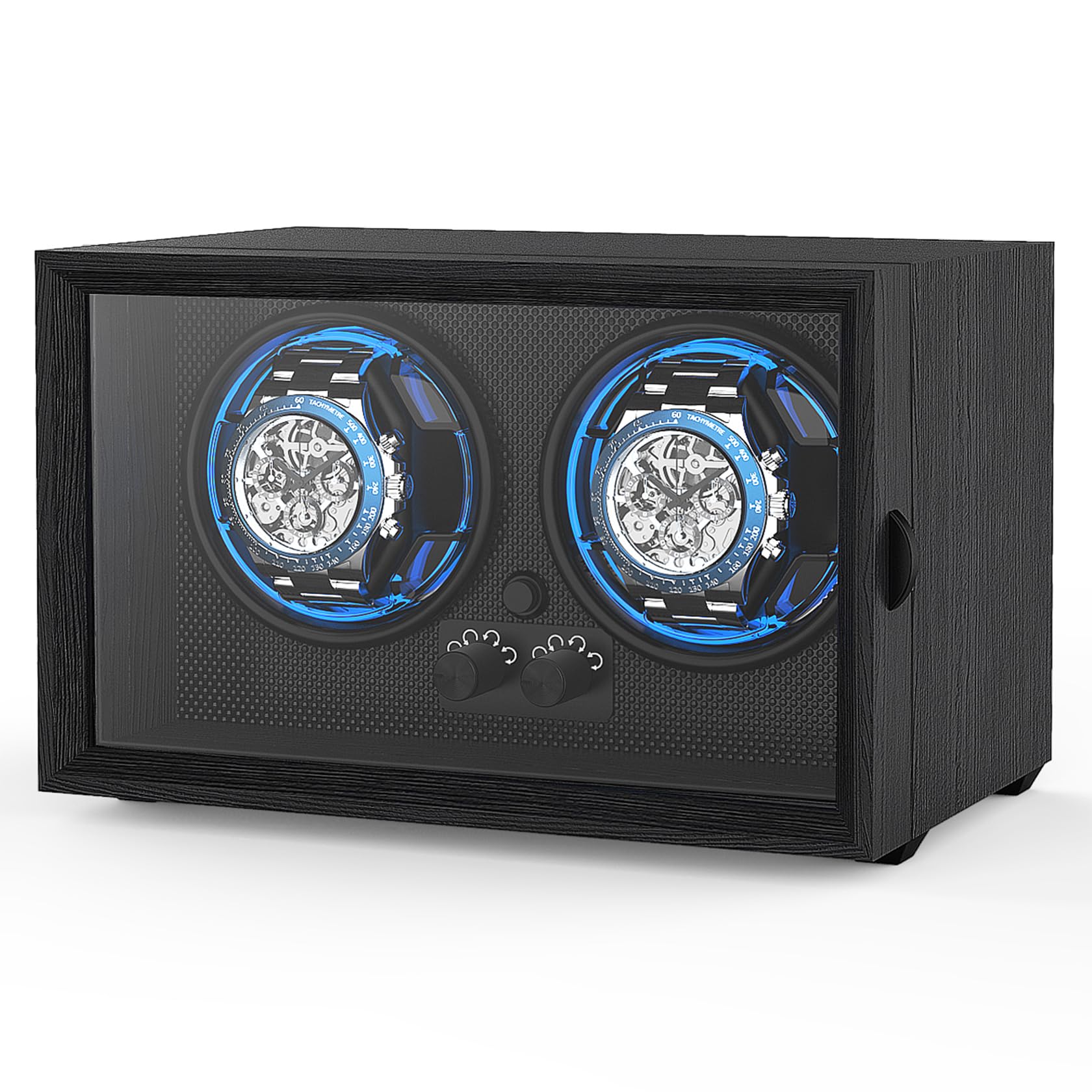 ALTIUS Watch Winder for Automatic Watches,Automatic Double Watch Winder Box with Super Quiet Motor and Blue LED,4 Rotation Modes,2 Individual Controller,Battery Powered or AC Adapter,Gift for Man Rank #1 | 🏆 Top Pick | — | |
 GALPADA Watch Winder Pillow Cushion for Automatic Watches Sturdy PU Leather Soft Sponge Compact Design Black Rank #2 | — | ||
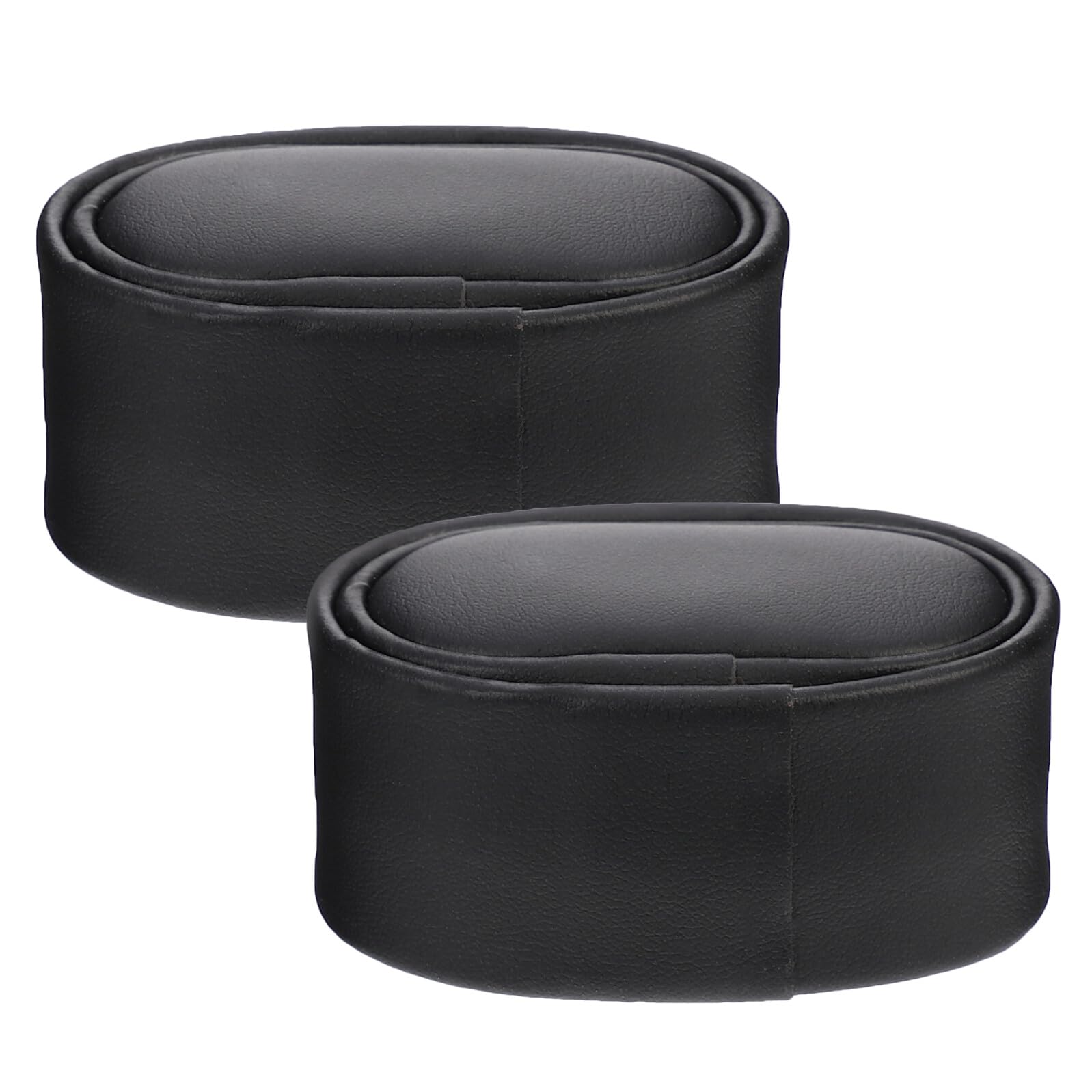 SOIMISS Watch Winder Pillow Cushion for Automatic Watches Soft PU Leather Sponge Sturdy Compact Black Rank #3 | — | — | |
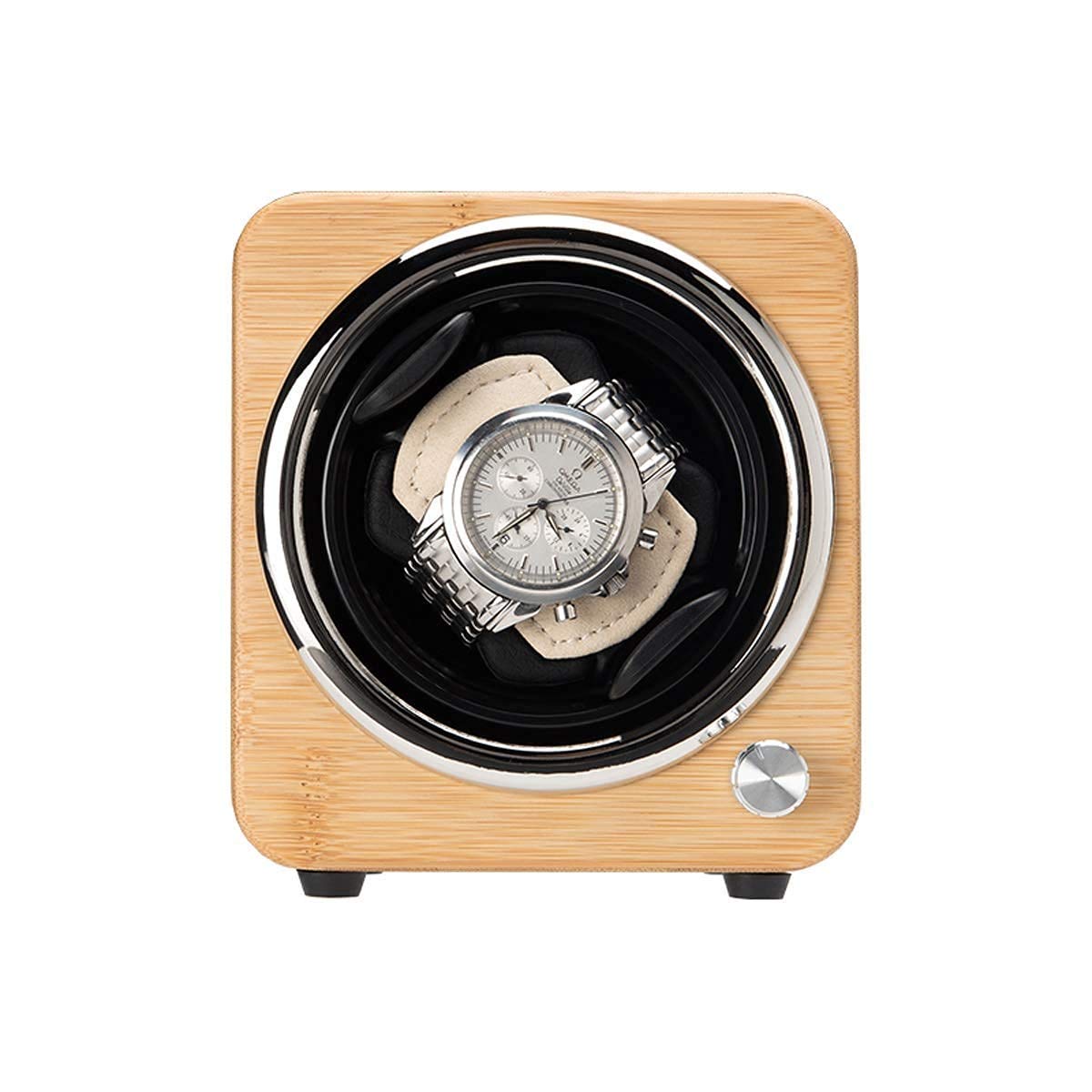 Single Automatic Watch Winder Box, Wooden Winder Box, 4 Modes, Leather Pillow Watch Storage BoxHoliday Gift Rank #4 | — | — | |
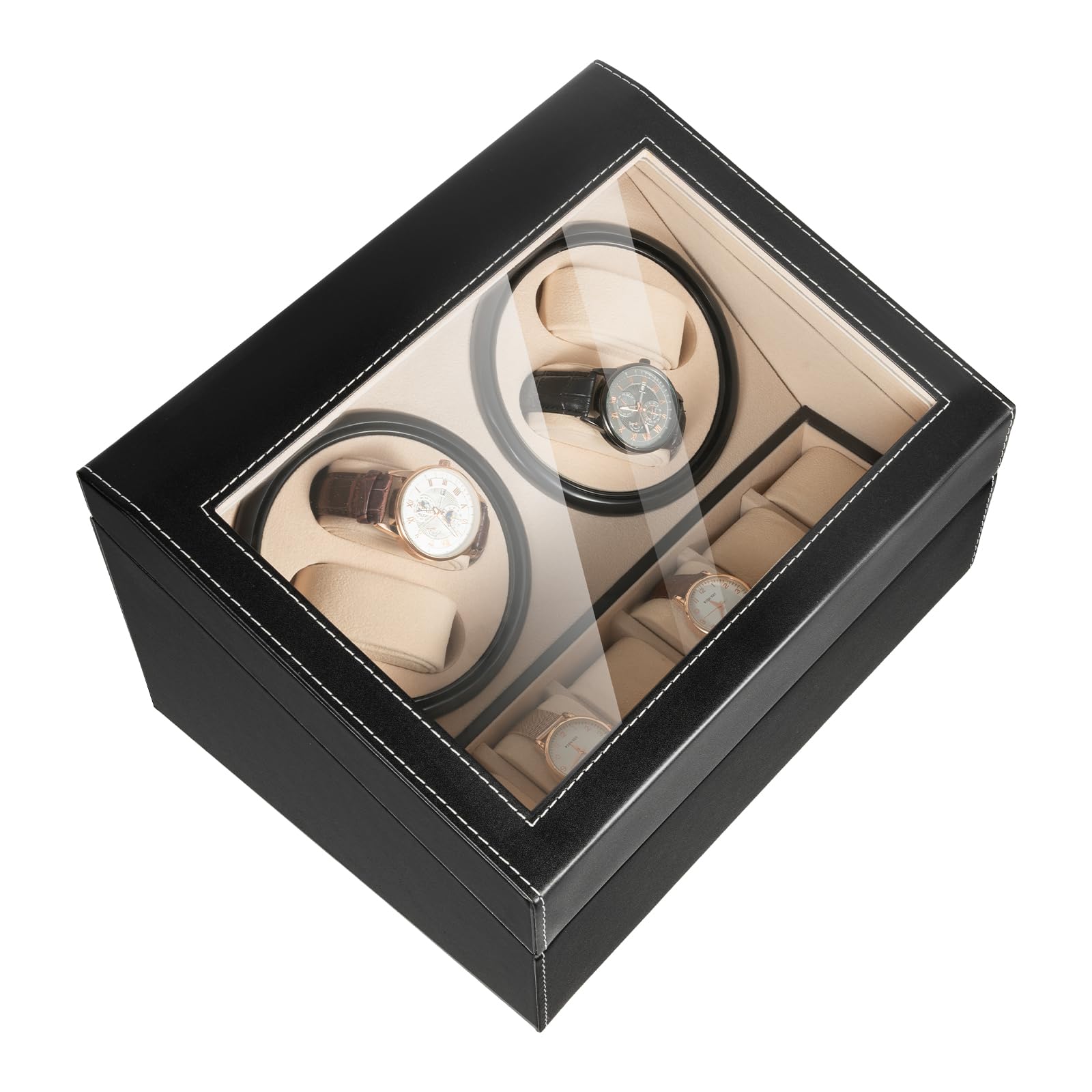 4+6 Watch Winder For Automatic Watches, Automatic Watch Winder Box With 4 Rotating Display Dials 6 Storage Compartments,Bidirectional Rotation, Adjustable Watch Pillows, Gift For Men Women Rank #5 | 💰 Budget Pick | — |
