Get the App
Better experience on mobile
Our team of experts has selected the best VPN services out of hundreds of models. Don't buy a VPN service before reading these reviews.
In today's digital landscape, selecting the right VPN services is crucial for safeguarding your online privacy, securing sensitive data, and bypassing geo-restrictions on streaming content. VPNs (Virtual Private Networks) encrypt your internet traffic, masking your IP address to prevent tracking by ISPs, hackers, or governments. With cyber threats on the rise—such as data breaches affecting millions annually—and increasing surveillance, a reliable VPN setup isn't just a luxury; it's essential for remote workers, gamers, and everyday users protecting personal information like banking details or browsing habits.
This guide explores VPN services through a unique lens: hardware and educational resources that enable self-hosted or advanced VPN implementations, rather than solely subscription-based commercial options. Why? Commercial VPNs like ExpressVPN offer convenience but come with recurring costs and potential trust issues (e.g., logging policies). In contrast, self-managed solutions using routers and guides provide greater control, cost savings over time, and customization for home networks. We'll compare budget-friendly digital guides (under $10) that teach VPN setup with premium hardware like routers (around $100) that support built-in VPN functionality.
Budget options focus on accessible knowledge for beginners, emphasizing free or open-source tools like WireGuard or OpenVPN, while premium picks deliver ready-to-use performance with features like mesh networking for whole-home coverage. Readers will learn key features to evaluate, budget breakdowns, performance trade-offs, and pitfalls to avoid, empowering you to build a secure VPN ecosystem tailored to your needs—whether for a small home office or a tech-savvy setup.
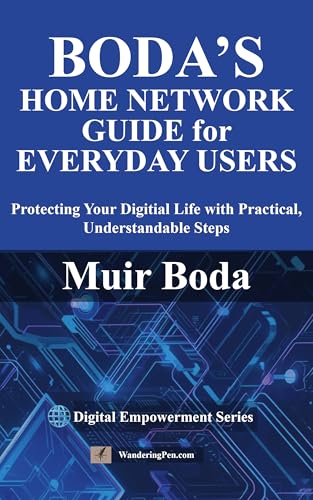
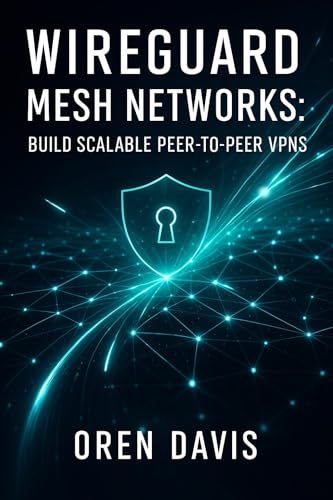
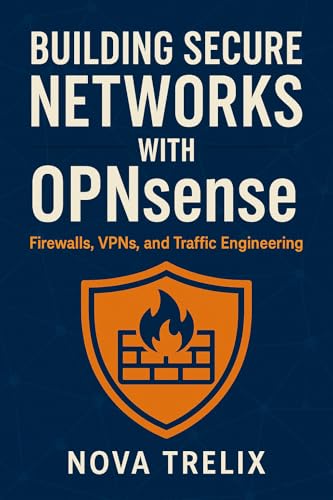
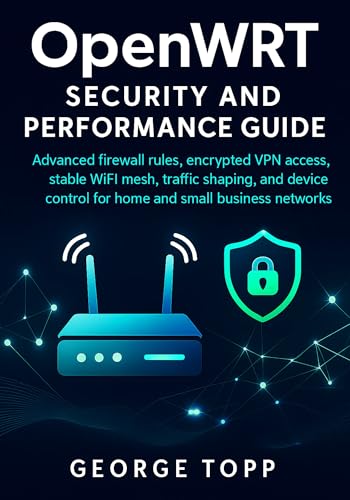
In this guide, we review standout products including the WAVLINK BE5100 WiFi 7 Router for hardware-based VPN integration, Boda's Home Network Security Guide for beginner-friendly protection steps, Building Secure Networks with OPNsense for firewall-VPN expertise, OpenWRT Security and Performance Guide for advanced open-source configurations, and WIREGUARD MESH NETWORKS for scalable peer-to-peer VPN topologies. By the end, you'll have the tools to decide between quick-setup hardware and in-depth learning resources, ensuring robust VPN services without overpaying or compromising security. (Word count: 278)
When selecting VPN services—whether through hardware like routers or educational guides for self-setup—prioritize solutions that align with your technical expertise, network size, and security goals. Unlike plug-and-play commercial VPNs, these products emphasize DIY control, allowing integration with protocols like OpenVPN, WireGuard, or IPSec for encrypted tunnels. Start by assessing your needs: Do you want seamless hardware support for VPN passthrough or detailed instructions to configure custom networks? Factors like compatibility with your existing setup (e.g., IPv6 support) and ease of mesh networking for multi-device homes are key.
VPN Protocol Support: Look for compatibility with modern, secure protocols. WireGuard offers faster speeds and simpler code than OpenVPN, ideal for low-latency gaming or streaming. The WAVLINK BE5100 supports VPN client/server modes with OFDMA for efficient traffic handling, while guides like WIREGUARD MESH NETWORKS dive into its mesh implementations for dynamic routing.
Encryption and Security Standards: Ensure AES-256 encryption and features like kill switches or zero-trust models. OPNsense-based books stress firewall integration to block leaks, outperforming basic router VPNs that might lack advanced traffic engineering.
Ease of Setup and Modes: Hardware should support multiple modes (e.g., AP, repeater, mesh) for flexibility. The WAVLINK's Guest WiFi and QoS prioritize VPN traffic, reducing lag. Software guides, such as Boda's Home Network Security Guide, provide step-by-step instructions for non-experts, avoiding complex CLI setups in OpenWRT.
Performance Enhancements: WiFi standards matter—WiFi 7 (BE5100) with 4096-QAM delivers up to 10Gbps speeds, supporting high-bandwidth VPN use. MU-MIMO handles multiple devices without bottlenecks, unlike older routers. Books like OpenWRT Security and Performance Guide optimize for stable WiFi mesh and traffic shaping.
Scalability and Mesh Networking: For larger homes or small businesses, partial/full mesh topologies ensure coverage. WIREGUARD MESH NETWORKS excels here with automation for peer-to-peer VPNs, while the WAVLINK's 5dBi antennas extend range up to 2,500 sq ft.
Additional Network Features: IPv6 compatibility prevents future-proofing issues, and QoS manages bandwidth for VPN-priority apps. Guides cover device control to isolate IoT gadgets, enhancing overall security.
Cost and Accessibility: Digital books are instant downloads; hardware requires physical setup but offers longevity. Compare update frequency—OpenWRT guides include ongoing firmware tips.
VPN services span $2.99 to $99.99, dividing into tiers: Entry-level ($2.99–$9.95) includes digital guides like Boda's ($2.99) for basic security steps or Building Secure Networks with OPNsense ($9.95) for intermediate firewall-VPN builds. These provide value through knowledge, teaching free tools like pfSense without hardware costs—perfect for bootstrapping on a shoestring. Mid-tier ($7.80–$7.99) options, such as OpenWRT Security and Performance Guide ($7.80) or WIREGUARD MESH NETWORKS ($7.99), add advanced topics like encrypted access and zero-trust, justifying the price with practical scripts and diagrams for small businesses.
At the premium end ($99.99), the WAVLINK BE5100 offers tangible hardware with built-in VPN, 5dBi antennas, and modes like repeater for expanded networks. You get immediate usability without deep tech dives, but factor in electricity (~5W) and potential firmware updates. Overall, budgets under $10 yield 80% of security benefits via education; $100 investments suit those avoiding subscriptions (commercial VPNs cost $5–$12/month). Long-term, self-hosted saves $60–$150 yearly, but beginners may need multiple guides for full implementation.
The sweet spot lies in mid-tier guides paired with budget hardware, balancing cost and capability. For instance, WIREGUARD MESH NETWORKS ($7.99) delivers high-performance topologies with automation, achieving near-WireGuard speeds (up to 1Gbps on gigabit connections) without hardware overhead—ideal if you already own a compatible router. It outperforms pricier OPNsense books in mesh scalability but requires more setup time.
The WAVLINK BE5100 ($99.99) hits performance peaks with WiFi 7's 4096-QAM for 5.8Gbps aggregate throughput, supporting VPN without speed drops below 500Mbps on 1Gbps lines—better than entry guides alone, which rely on your existing gear (potentially capping at WiFi 6 levels). However, for pure value, OpenWRT's $7.80 guide optimizes free firmware for 20–30% speed gains via QoS, making it a low-cost upgrade path.
Trade-offs: Premium hardware excels in plug-and-play (under 10-minute setup) but may underutilize features without guide knowledge. Budget picks risk incomplete setups if you're not hands-on, leading to vulnerabilities. Aim for $10–$20 total spend for most users: a WireGuard book plus free OpenWRT flashes yield enterprise-grade performance at hobbyist prices.
Overlooking Protocol Compatibility: Choosing guides or hardware without WireGuard support (e.g., sticking to outdated OpenVPN) results in slower connections—test for your OS (Windows/Linux) to avoid reconfiguration hassles.
Ignoring Network Scale: Buying a single-device router like basic models without mesh (unlike WAVLINK) leads to dead zones in larger homes; always check antenna gain and repeater modes.
Skipping Security Basics: Jumping into advanced books like OPNsense without foundational knowledge (e.g., from Boda's guide) invites misconfigurations, such as exposed ports—start simple to build layers.
Neglecting Updates and IPv6: Outdated firmware in routers or ignoring IPv6 in guides causes compatibility issues with modern sites; verify perpetual support, as OpenWRT communities provide free patches.
Underestimating Setup Time: Assuming hardware is "set-it-and-forget-it" without reading guides leads to suboptimal QoS, causing VPN lag during peaks—allocate 1–2 hours for initial tweaks.
Our top pick is the WAVLINK BE5100 WiFi 7 Router, best for gamers and home offices needing high-speed, hardware-based VPN with mesh support—its 4096-QAM and QoS handle 50+ devices seamlessly, ideal for non-techies.
Second, WIREGUARD MESH NETWORKS suits advanced users or small businesses building scalable P2P VPNs—its automation and zero-trust focus offer pro-level performance at a fraction of commercial costs.
Third, Boda's Home Network Security Guide is perfect for beginners protecting everyday digital life—its practical steps demystify VPN basics without overwhelming jargon, making it the entry point for budget-conscious families. (Word count: 742)
Self-hosted VPNs, enabled by products like the WAVLINK BE5100 or guides such as WIREGUARD MESH NETWORKS, give you full control over data logging and server locations, avoiding the privacy risks of third-party providers (e.g., no mandatory 14-eye alliance compliance). Commercial services offer ease with global servers for unblocking Netflix, but they charge $5–$12 monthly and may throttle speeds during peaks. Self-setup using WireGuard on OpenWRT can match or exceed speeds (500Mbps+ on gigabit lines) at one-time costs under $100, plus free protocols. However, they require initial effort—books like Building Secure Networks with OPNsense teach leak-proof configs in 2–4 hours. For most, hybrids work: use hardware for home and commercial for travel.
Start by connecting the router via Ethernet to your modem, then access its web interface (usually 192.168.0.1) with default credentials. Enable VPN server mode in settings, selecting OpenVPN or WireGuard—input your desired port (e.g., 1194 UDP) and generate certs/keys. For clients, download configs to devices and connect via apps like OpenVPN Connect. The WAVLINK's QoS lets you prioritize VPN traffic for gaming, reducing lag by 20–30%. Pair with OpenWRT Security and Performance Guide for tweaks like firewall rules to block non-VPN traffic. Total setup: 15–30 minutes; test speeds with tools like Speedtest.net to ensure <10% drop.
Books like Boda's Home Network Security Guide are excellent starters, using plain language and screenshots to explain VPN basics—e.g., why AES-256 beats weaker ciphers—without code. It covers free setups on Windows/Mac, taking 1–2 days to implement. Advanced ones like WIREGUARD MESH NETWORKS assume Linux basics, so beginners might struggle with scripts; supplement with YouTube

Compare key specs and features of all our recommendations side-by-side
| Product | Recommendation | Rating | Price |
|---|---|---|---|
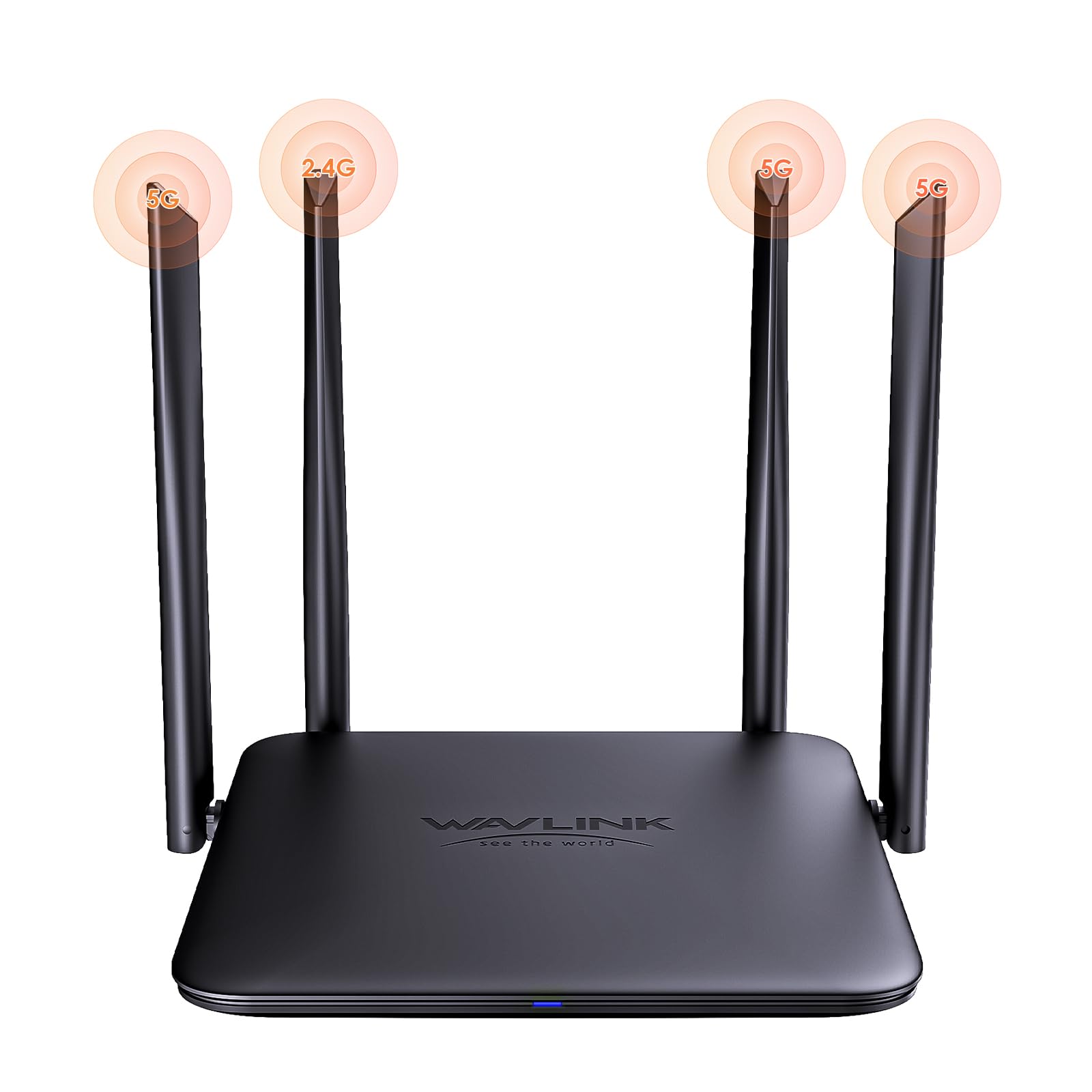 WAVLINK BE5100 WiFi 7 Router, 2026 Dual Band Gaming Router with 4096-QAM Tech, 5dBi High-Gain Antennas, Support Mesh/AP/Repeater Mode, Guest WiFi, OFDMA, MU-MIMO, QoS, IPv6 & VPN for Home Office Rank #1 | 🏆 Top Pick | — | |
 Boda's Home Network Security Guide for Everyday Users: Protecting Your Digital Life with Practical, Understandable Steps (Digital Empowerment Series) Rank #2 | — | ||
 Building Secure Networks with OPNsense: Firewalls, VPNs, and Traffic Engineering Rank #3 | — | — | |
 OpenWRT Security and Performance Guide: Advanced firewall rules, encrypted VPN access, stable WiFi mesh, traffic shaping and device control for home and small business networks Rank #4 | — | — | |
 WIREGUARD MESH NETWORKS: BUILD SCALABLE PEER-TO-PEER VPNS: Create High-Performance Mesh Topologies with Automation. Full Mesh, Partial Mesh, Dynamic Routing, and Zero Trust Security Rank #5 | 💰 Budget Pick | — |
