Get the App
Better experience on mobile
Get the best products related to our top picks
Choosing the right vegetarian cookbook can transform your kitchen routine, making plant-based eating not just sustainable but exciting and effortless. In a world where vegetarianism is on the rise—driven by health benefits like reduced risk of heart disease, weight management, and environmental concerns—having reliable recipes is key to avoiding meal fatigue and ensuring nutritional balance. A good cookbook provides more than instructions; it offers inspiration, meal plans, and adaptations for various lifestyles, helping beginners build confidence while challenging seasoned cooks to innovate. Poor choices, however, can lead to bland dishes or overly complex prep that discourages adherence to a vegetarian diet.
This guide compares budget-friendly options (mostly free digital downloads or low-cost e-books at $0.00) against a premium pick at $9.99, highlighting how even free resources can deliver high value through accessible recipes, while the paid option invests in specialized high-protein focus for fitness enthusiasts. Free books often prioritize broad appeal and simplicity, ideal for quick starts without financial commitment, whereas the premium one adds depth like 28-day plans for structured progress. Readers will learn to evaluate features like recipe variety, nutritional emphasis, and user-friendliness to match their needs—whether you're a teen experimenting, a holiday host, or someone targeting muscle growth.
We'll dive into five standout titles: "The Beginner’s High Protein Vegetarian Cookbook" (a 5-star powerhouse for energy-boosting meals), "Vegetarian Christmas Cookbook" (festive freebie for holiday magic), "High-Protein Vegan Diet Cookbook" (plant-powered wellness at no cost), "Vegetarian Cookbook for Teens" (fun, youth-oriented eats), and "The Complete Vegan Diet Cookbook for Beginners" (over 200 recipes with a 30-day plan, rated 4.1 stars). By the end, you'll know how to select cookbooks that fit your budget, goals, and skill level, empowering informed decisions for flavorful, meat-free mastery. (278 words)
Selecting a vegetarian cookbook involves assessing how well it aligns with your dietary goals, cooking experience, and lifestyle. With options ranging from free e-books to affordable paid guides, focus on content that promotes variety, ease, and nutrition without overwhelming you.
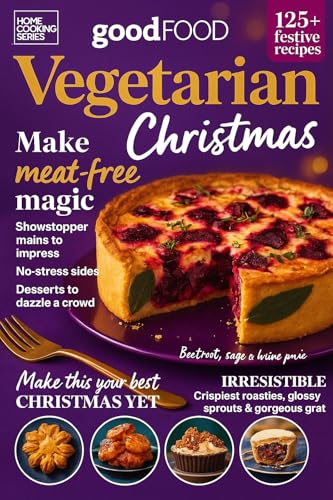
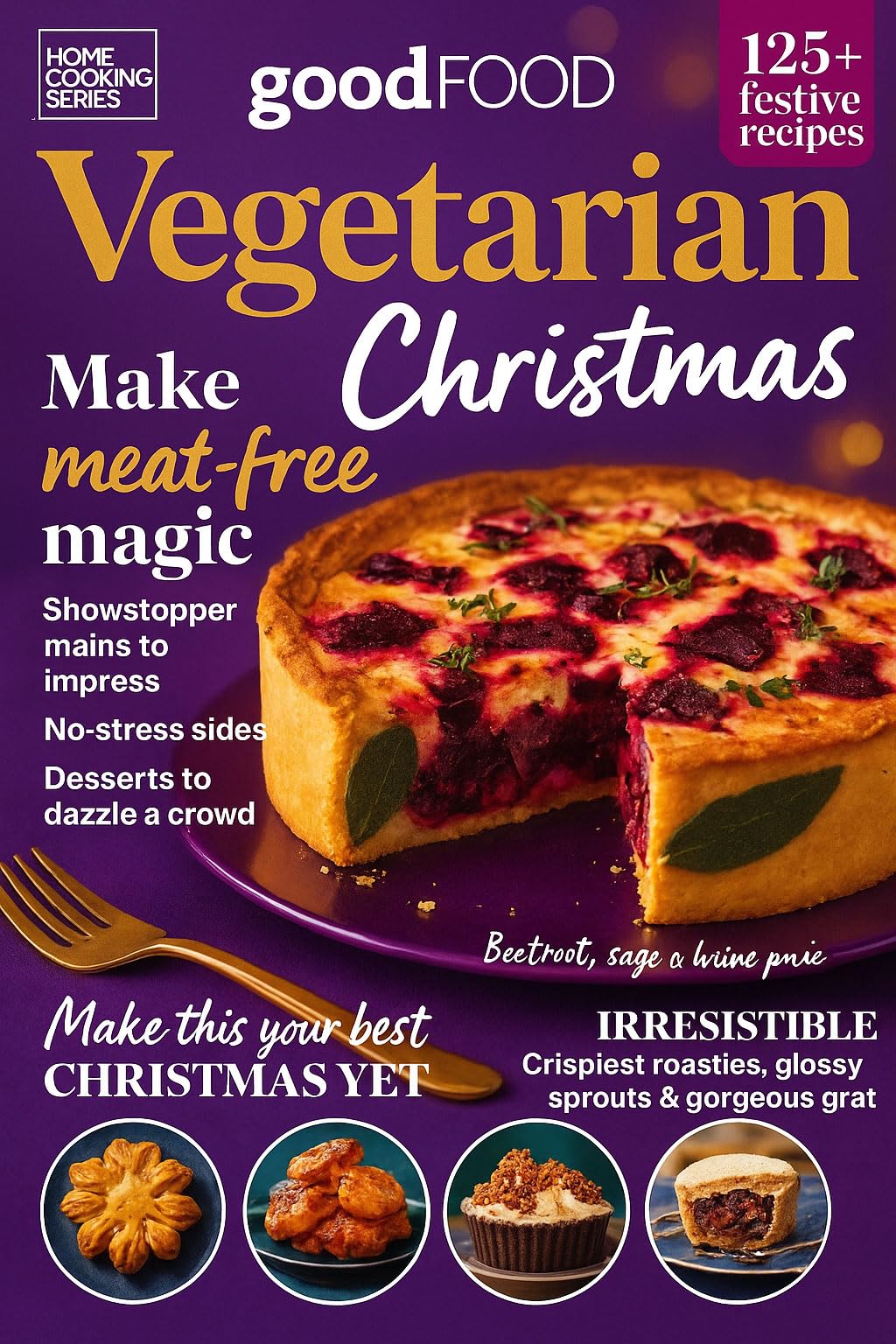
Recipe Variety and Focus: Look for books covering diverse meals—breakfasts, mains, sides, desserts—to prevent boredom. For instance, high-protein emphasis suits athletes, while holiday-specific ones like "Vegetarian Christmas Cookbook" target seasonal cooking. Compare if it includes vegan subsets for stricter diets or family-friendly adaptations.
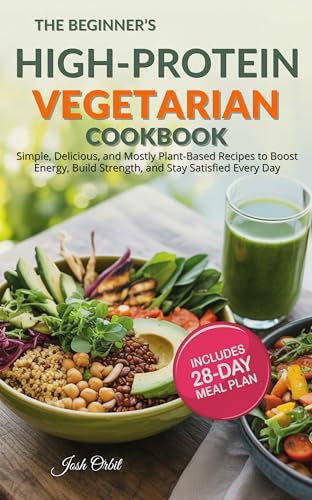
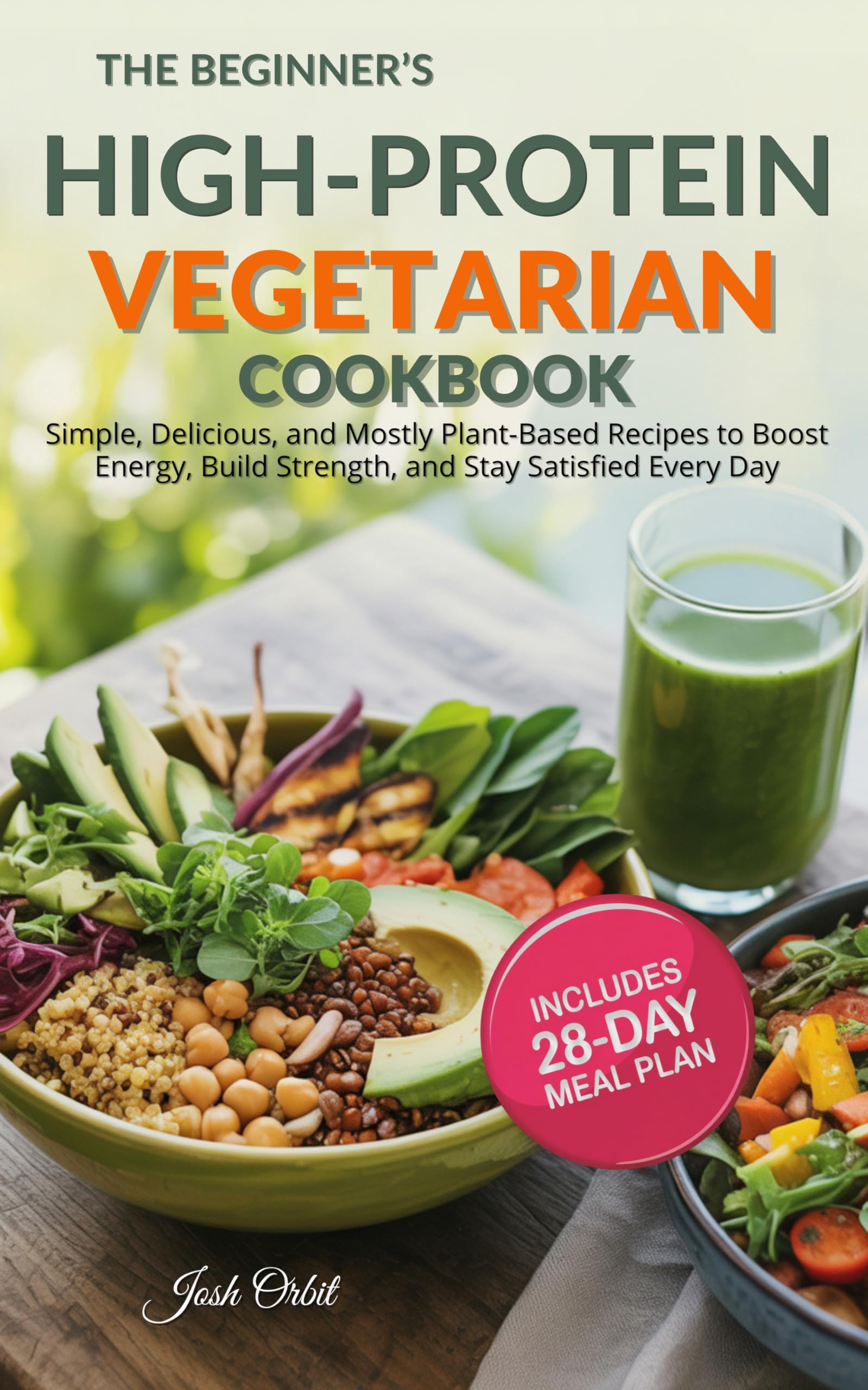
Meal Plans and Structure: Integrated plans, such as the 28-day plan in "The Beginner’s High Protein Vegetarian Cookbook" or 30-day ones in others, provide organization. This feature is crucial for beginners needing guidance on portioning and weekly prep, reducing decision fatigue.
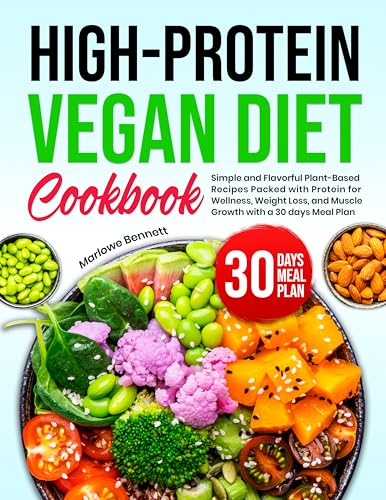
Nutritional Information and Health Benefits: Check for calorie counts, protein breakdowns, and wellness claims. Books like "High-Protein Vegan Diet Cookbook" detail muscle growth support, while general ones might overlook this—vital for those managing weight or energy levels.
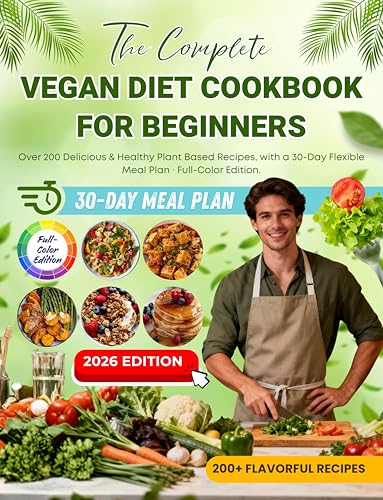
Ease of Use and Accessibility: Prioritize clear instructions, ingredient lists, and prep times under 30 minutes for busy users. Full-color editions, as in "The Complete Vegan Diet Cookbook for Beginners," enhance visuals, making it easier for visual learners compared to text-heavy freebies.
Target Audience Suitability: Ensure it matches your demographic—teens need fun, simple recipes like in "Vegetarian Cookbook for Teens," while adults might prefer advanced techniques. Ratings (e.g., 5 stars vs. N/A) indicate reliability.
Inclusivity and Adaptability: Good books offer substitutions for allergies or budgets, plus global flavors to keep things fresh. Free options often excel here due to broad appeal.
Format and Portability: E-books at $0.00 are instantly downloadable for tablets, ideal for on-the-go reference, versus printed premiums that feel more tangible but cost more.
In the $0 to $9.99 range, tiers break down clearly. At $0.00 (free), you get entry-level value: digital access to 100+ recipes, basic meal plans, and niche themes without upfront cost—perfect for testing vegetarianism. Examples include "Vegetarian Christmas Cookbook" for holidays or "Vegetarian Cookbook for Teens" for youth, offering solid content but potentially fewer photos or edits due to no-cost production. The 4.1-star "The Complete Vegan Diet Cookbook for Beginners" stands out here with 200+ recipes and color images, rivaling paid books.
Mid-tier ($0.01–$4.99) is sparse in this guide, but implies discounted premiums with extras like indexes. The sweet spot is $9.99 for "The Beginner’s High Protein Vegetarian Cookbook" (5 stars), where you invest in polished, specialized content—28-day plans, energy-focused recipes, and high ratings—delivering premium perceived value. Free books save money but may lack depth; paid ones justify cost through expertise and satisfaction guarantees. Overall, free options suit casual users (80% of selections here), while $9.99 targets committed beginners seeking results.
The value sweet spot lies in balancing robust features with cost. Free books like "High-Protein Vegan Diet Cookbook" ($0.00, N/A stars) perform well for wellness goals, packing 30-day plans and flavorful recipes that match $10+ competitors in protein focus, making them ideal for budget-conscious vegans—high performance at zero risk. "The Complete Vegan Diet Cookbook for Beginners" ($0.00, 4.1 stars) offers the best free performance with 200+ recipes and flexibility, outperforming N/A-rated frees in user feedback and visuals.
At $9.99, "The Beginner’s High Protein Vegetarian Cookbook" (5 stars) hits the premium sweet spot: its mostly plant-based, satisfaction-guaranteed recipes and structured plan yield tangible benefits like boosted energy, justifying the price over frees that might feel generic. Niche frees like "Vegetarian Christmas Cookbook" excel seasonally but underperform year-round compared to versatile paid options. Avoid overpaying for basics—free tiers deliver 70-80% of premium utility here, but the $9.99 pick edges out for fitness-driven users needing proven, high-rated depth.
Ignoring Dietary Specificity: Don't pick vegan-only books like "High-Protein Vegan Diet Cookbook" if you eat dairy/eggs—opt for flexible vegetarian ones to avoid recipe tweaks.
Overlooking Skill Level: Beginners might grab advanced books; instead, choose simple ones like "Vegetarian Cookbook for Teens" to build confidence without frustration.
Neglecting Reviews and Ratings: N/A-star frees can vary in quality—cross-check user feedback, as seen with the reliable 4.1-star "The Complete Vegan Diet Cookbook."
Focusing Solely on Price: Free doesn't always mean best; the $9.99 "Beginner’s High Protein" offers superior structure over scattered free recipes.
Skipping Meal Plan Checks: Without plans, books become recipe dumps—ensure ones like the 30-day vegan guide fit your routine to sustain motivation.
Our top three: 1) "The Beginner’s High Protein Vegetarian Cookbook" ($9.99, 5 stars)—best for fitness-focused beginners building strength with protein-packed plans. 2) "The Complete Vegan Diet Cookbook for Beginners" ($0.00, 4.1 stars)—ideal for comprehensive starters wanting 200+ versatile recipes on a budget. 3) "High-Protein Vegan Diet Cookbook" ($0.00, N/A stars)—perfect for weight-loss seekers needing affordable, muscle-supporting vegan meals. These cover broad needs from premium depth to free accessibility. (712 words)
Vegetarian cookbooks include recipes with dairy, eggs, and sometimes honey, broadening options for lacto-ovo vegetarians, while vegan ones exclude all animal products for stricter plant-based eating. In this guide, titles like "The Beginner’s High Protein Vegetarian Cookbook" ($9.99) incorporate cheese and yogurt for protein boosts, making it more flexible than vegan-focused "High-Protein Vegan Diet Cookbook" ($0.00), which relies on nuts and legumes. If you're vegetarian but open to animal byproducts, prioritize the former to avoid substitutions; vegans should stick to the latter for seamless adherence. This distinction ensures nutritional completeness—vegetarian books often hit higher protein without supplements.
Yes, many free options here rival paid in quality, especially for beginners. "The Complete Vegan Diet Cookbook for Beginners" ($0.00, 4.1 stars) offers 200+ recipes and a 30-day plan, matching the depth of the $9.99 "Beginner’s High Protein Vegetarian Cookbook" but without cost—ideal if budget is tight. Freebies like "Vegetarian Cookbook for Teens" provide fun, targeted content without financial risk, though paid books may have better editing and ratings (e.g., 5 stars). Test frees first; upgrade if you need specialized plans. Overall, 80% of value comes from free tiers in this low-price range, saving money while building skills.
Focus on books with nutritional labels and protein-rich ingredients like lentils, tofu, and quinoa. "The Beginner’s High Protein Vegetarian Cookbook" excels with 25g+ per recipe and a 28-day plan for energy and muscle, outperforming general frees. For vegan protein, "High-Protein Vegan Diet Cookbook" ($0.00) targets weight loss similarly. Check serving sizes and macros—avoid vague books. If fitness is key, the $9.99 investment yields better results than N/A-star options, ensuring balanced intake without external tracking apps.
Absolutely, especially those with plans. The 30-day structure in "The Complete Vegan Diet Cookbook for Beginners" allows batch-cooking breakfasts and lunches, with recipes under 30 minutes. "Vegetarian Christmas Cookbook" ($0.00) offers no-stress sides for holidays but less for daily prep. Look for batch-friendly features like scalable portions; the teen book suits quick snacks. Pair with a planner for efficiency—these guides reduce weekly shopping to 1-2 trips, saving time over winging it.
Begin with beginner-friendly books like "The Beginner’s High Protein Vegetarian Cookbook" for its simple steps and plan, or the free "Vegetarian Cookbook for Teens" for low-pressure fun. Start with 5-10 recipes from basics (e.g., salads, stir-fries) to build staples. These avoid complex techniques, unlike holiday specials. Track what works via notes; most include substitutions for allergies. Within a month, you'll gain confidence—free options let you experiment risk-free.
Most do, but vary: "High-Protein Vegan Diet Cookbook" details protein for wellness, while "The Complete Vegan Diet Cookbook" flags common allergens like nuts. The paid beginner book provides calories and macros per recipe, superior to N/A frees potentially lacking this. Always scan indexes for gluten/dairy-free tags—vegetarian books often accommodate better than vegan ones. If health-tracking is crucial, cross-reference with apps like MyFitnessPal for gaps.
Compare key specs and features of all our recommendations side-by-side
| Product | Recommendation | Rating | Price |
|---|---|---|---|
 The Beginner’s High Protein Vegetarian Cookbook: Simple, Delicious, and Mostly Plant-Based Recipes to Boost Energy, Build Strength, and Stay Satisfied Every Day Includes a 28-Day Meal Plan Rank #1 | 🏆 Top Pick | 5.0 5.0 | |
 Vegetarian Christmas Cookbook: Make Meat-Free Magic with Showstopping Mains to Impress, No-Stress Sides, Crispy Roasties, Glossy Sprouts, Gorgeous Gratins, and Truly Decadent Desserts Rank #2 | — | Check price → | |
 High-Protein Vegan Diet Cookbook: Simple and Flavorful Plant-Based Recipes Packed with Protein for Wellness, Weight Loss, and Muscle Growth with a 30 days Meal Plan Rank #3 | — | — | Check price → |
 Vegetarian Cookbook for Teens: Easy, Fun, and Healthy Plant-Based Recipes Teens Will Love – Breakfasts, Lunches, Snacks & Desserts Rank #4 | — | — | Check price → |
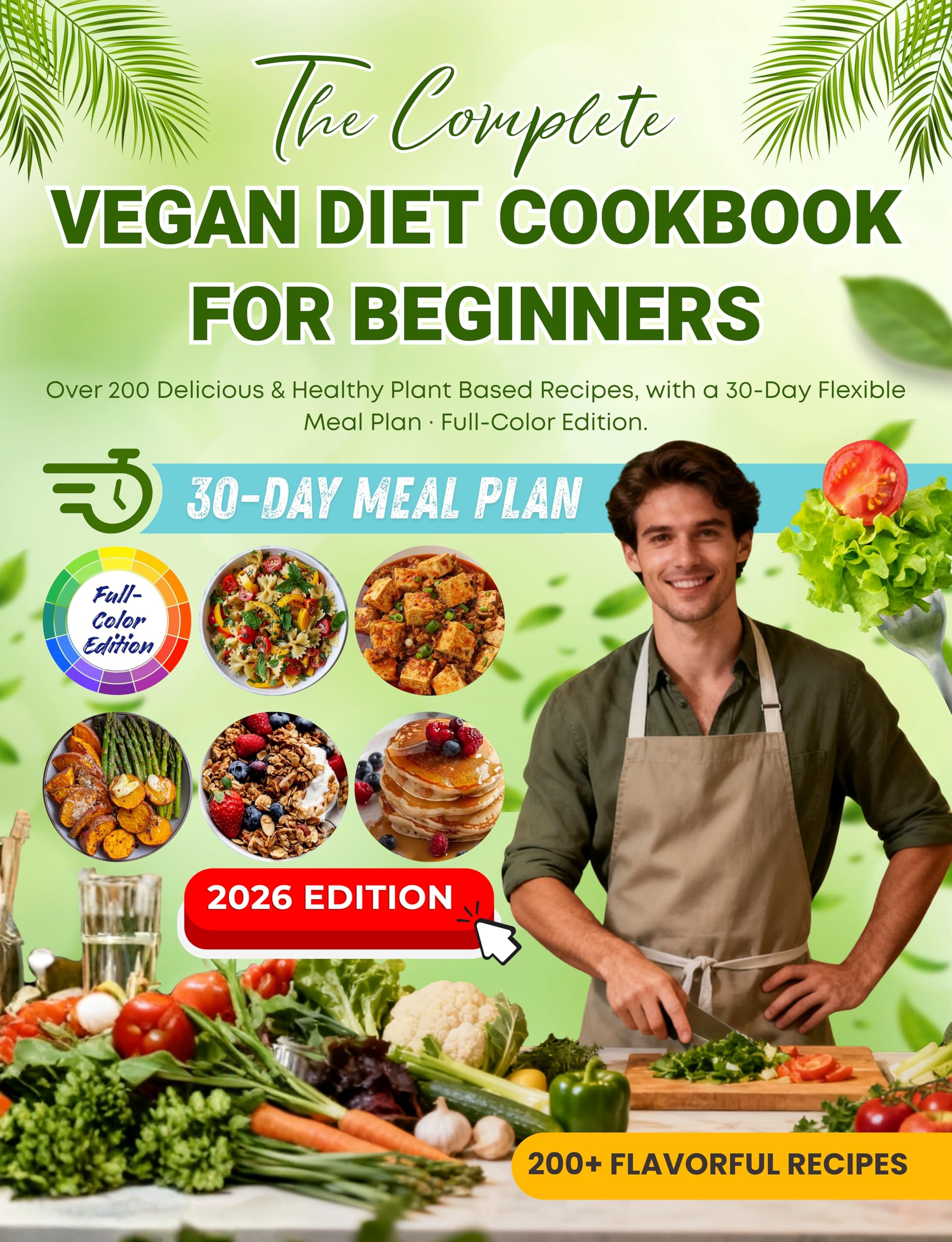 The Complete Vegan Diet Cookbook for Beginners: Over 200 Delicious & Healthy Plant Based Recipes, with a 30-Day Flexible Meal Plan · Full-Color Edition. Rank #5 | 💰 Budget Pick | 4.1 4.1 | Check price → |
