Get the App
Better experience on mobile
From budget uprights to self-emptying robots, these vacuums are rated for shedding pets, allergy relief, and daily cleanup—based on expert reviews, owner feedback, and real-world performance data.
A vacuum for pet hair lives or dies by its brushroll. The most powerful motor in the world won't matter if strands wrap around the agitator and choke it within minutes. That's why the best pet-hair machines rely on tangle-free bristles, self-cleaning mechanisms, or removable brushrolls—while also providing strong suction, effective filtration, and enough capacity to handle a week's worth of fur.
Today's options have moved far beyond heavy uprights. You can now find cordless sticks that rival their plug-in cousins, canisters with medical-grade HEPA filters, and robot vacuums that quietly sweep fur while you're at work. But with so many designs, it's easy to overpay for features you don't need—or miss the one detail that makes pet-hair cleanup effortless.
In this guide, we've dug into spec sheets, warranty documents, and thousands of verified owner reviews to separate the standouts from the also-rans. We focused on suction performance, brushroll maintenance, filter quality, bin size, and how each vacuum handles both fur on carpet and the fine dander that settles on hard floors. We also included a range of prices—from a $150 upright to premium $1,000 canisters—so you can match your budget and home type.
Whether you have one cat or three dogs, these picks were chosen to handle the unique challenges pet owners face: embedded fur, recurring tangles, lingering odors, and the daily pile-up of hair that seems to reappear overnight. Read on for the full list, buying tips, and answers to common pet-vacuum questions.
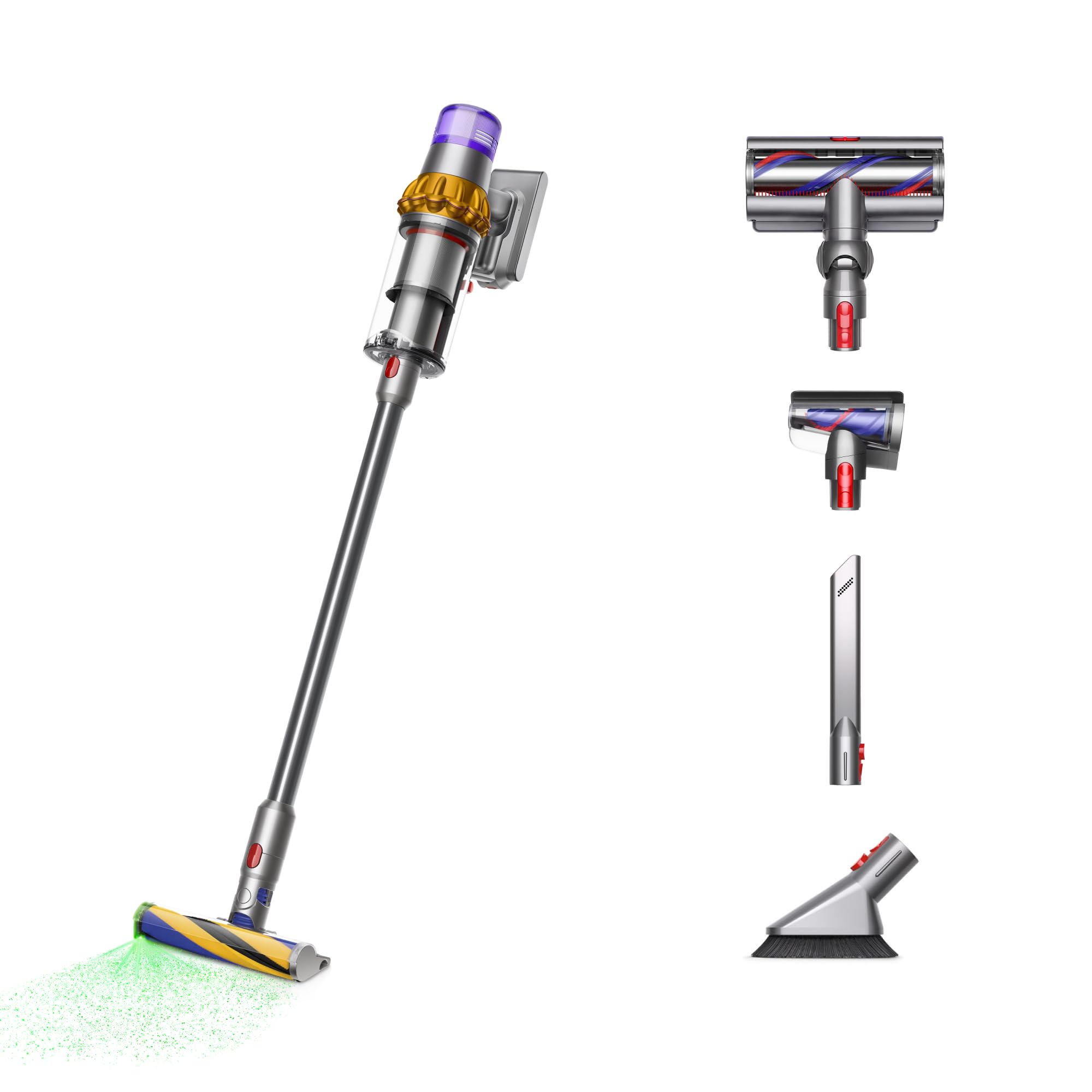
Packs animal-scrubbing suction and a green laser that reveals invisible dust on hard floors, making it the most intuitive pet-hair vacuum we've found. The trade-off is a compact dustbin that requires frequent emptying when collecting heavy fur.
Main limitation: The 0.2-gallon bin fills up quickly in a multi-pet home, and the cost per filter replacement adds up over time.
Skip if: Skip if you have extremely dense, high-pile carpets and want the set-and-forget convenience of a corded upright.
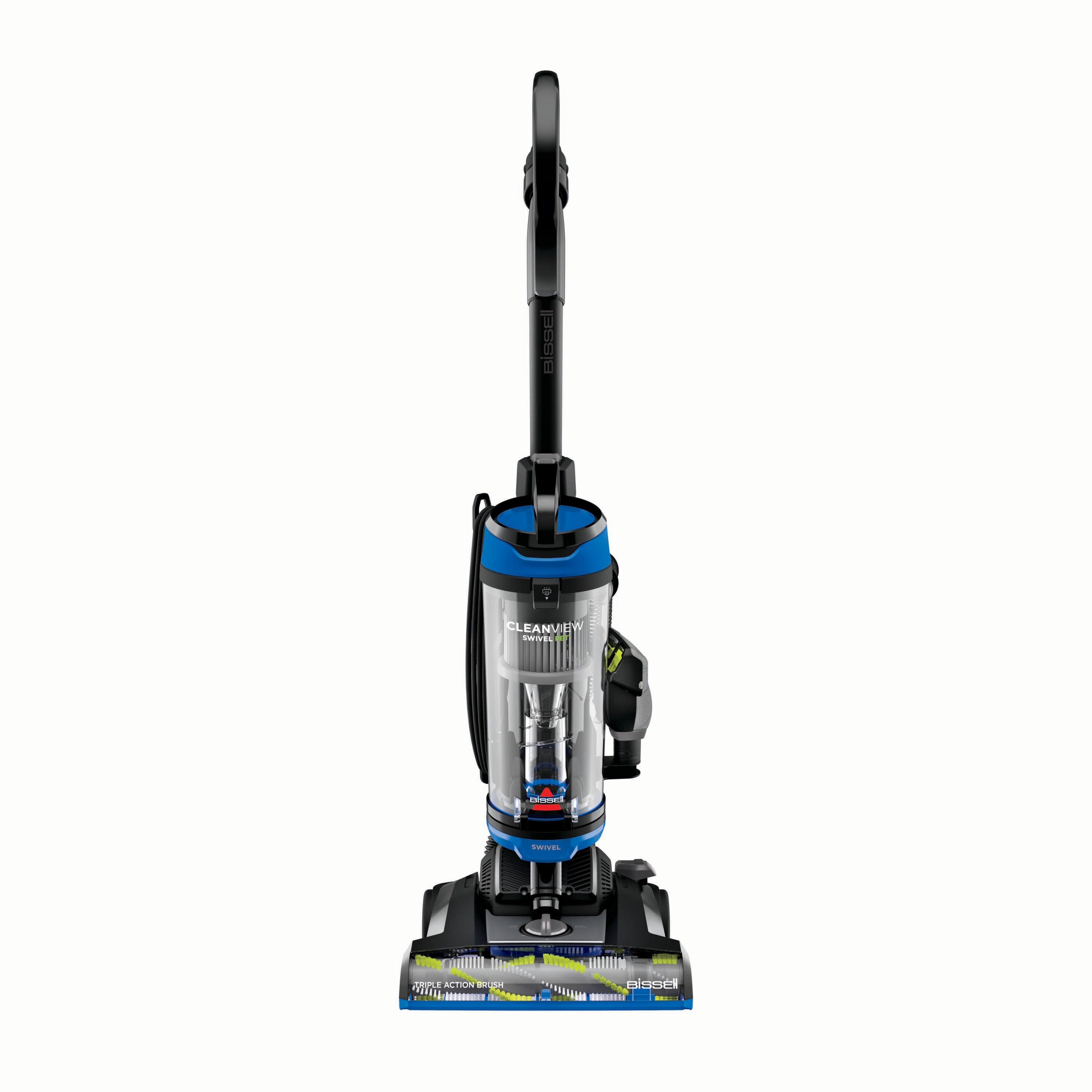
Delivers surprising pet-hair pickup for a budget price, with a pet turbo brush for stairs and upholstery. It's bulkier and noisier than premium vacuums, but reliable for daily shedding.
Main limitation: The brushroll is not self-cleaning, so long hair can still wrap around it and require manual removal.
Skip if: Skip if you require sealed HEPA filtration for allergies, as this model has a standard filter that may release fine particles.
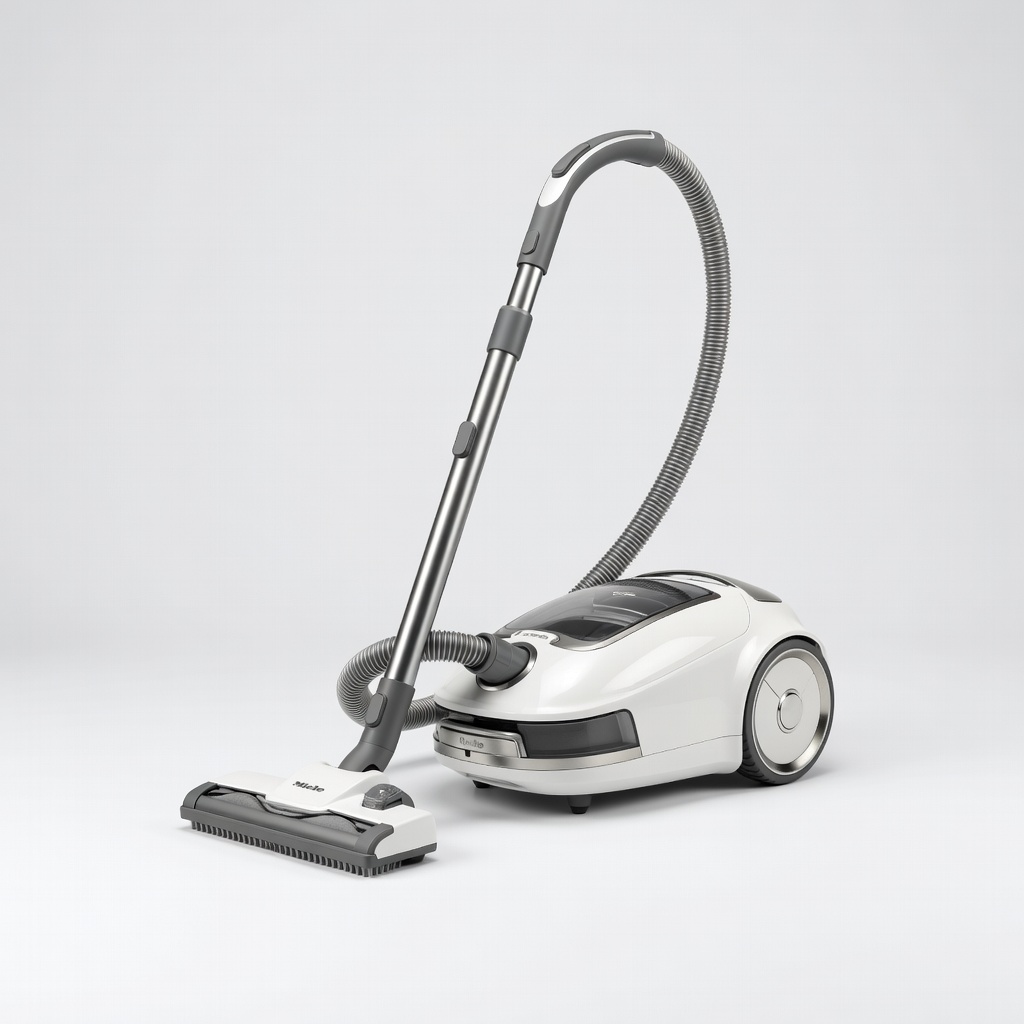
Utilizes a sealed, HEPA-filtration system and a turbo brush that digs out deeply embedded hair without clogging—an editor's favorite for allergy sufferers. The premium price is steep, and bag replacement adds ongoing cost.
Main limitation: The canister design can be awkward for quick pickups, and the turbo brush may not be powerful enough for thick shag pile without switching to a motorized nozzle.
Skip if: Skip if you prefer a compact or cordless vacuum and don't want to manage bags and a hose.
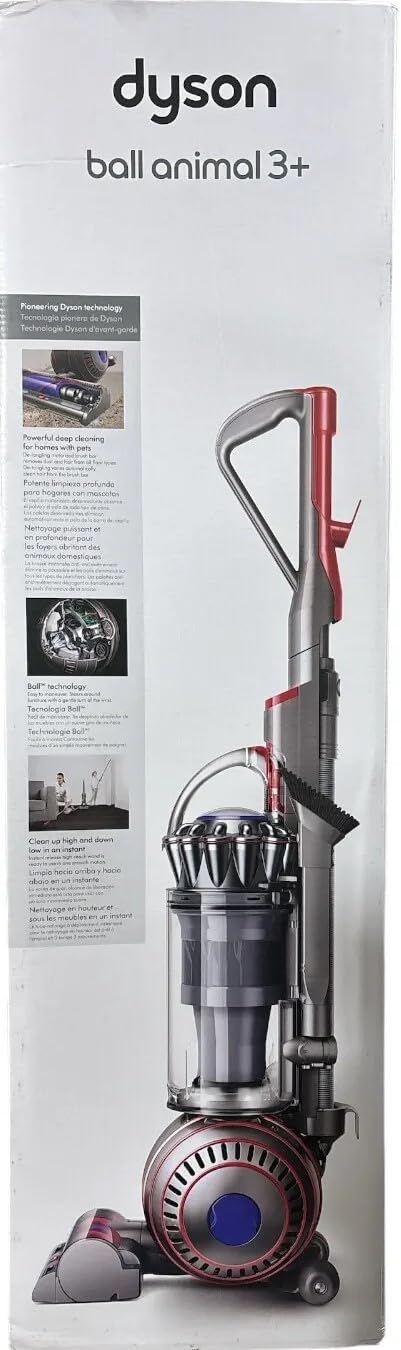
A corded powerhouse with self-adjusting cleaner heads and a tangle-free turbine for high-pile carpets. The ball design is stable but the vacuum is heavy and can be tough to push on dense piles.
Main limitation: Its size and weight make it cumbersome for stairs, and the bin capacity is modest for a stationary upright.
Skip if: Skip if you have more hard floors than carpet, or if you need a machine that can easily go up and down stairs.
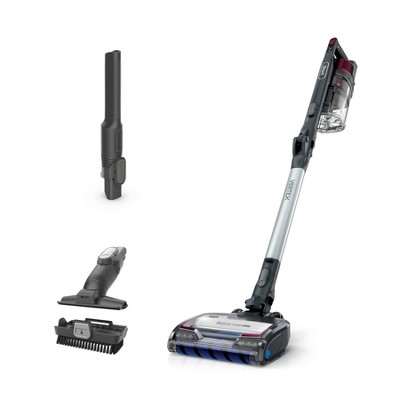
A featherweight cordless stick with a self-cleaning brushroll that keeps pet hair from wrapping—ideal for quick pickups. The compact dustbin and battery life can struggle in very large homes.
Main limitation: The dustbin is small (0.25 cup) and the battery only lasts about 40 minutes in Eco mode, shorter in Boost.
Skip if: Skip if you have a house larger than 2,500 square feet and need a single charge for a full deep-clean.
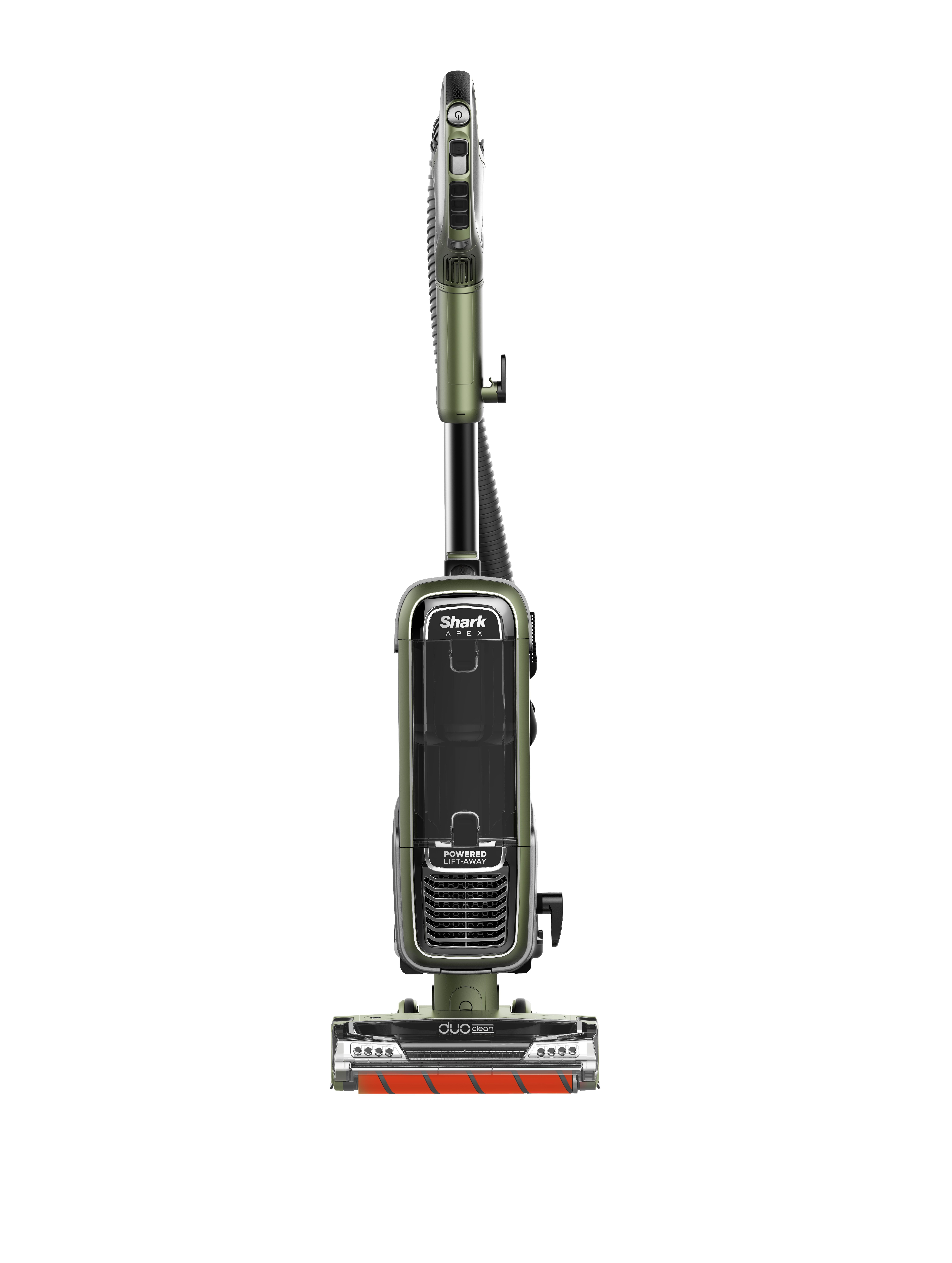
Features a DuoClean brushroll and powered lift-away pod for reaching stairs and above-floor spots without dragging a cord. The anti-tangle bristle design works well, but the vacuum lacks the premium fit and finish of high-end models.
Main limitation: The plastic construction can feel flimsy, and the LED lights on the underside are more novelty than useful.
Skip if: Skip if you prefer a bagged vacuum for maximum allergen containment or want a lighter, more nimble machine.
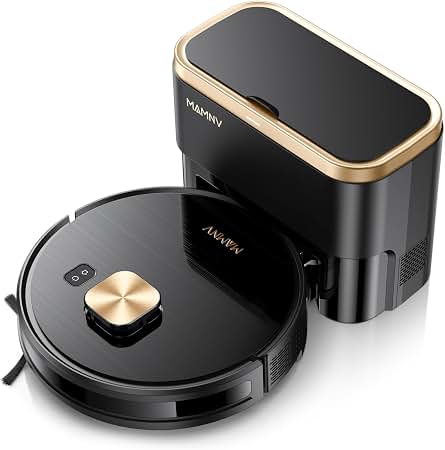
Automated daily cleanings prevent pet hair from building up, and the self-emptying base means you can ignore it for weeks. It cuts down on vacuuming but won't replace a deep-clean vacuum for stubborn, matted hair.
Main limitation: The bump-mapping camera can occasionally misidentify pet waste as an obstacle, and the self-emptying base is loud.
Skip if: Skip if you have very thick carpet that requires deep agitation, or if your budget can't stretch to the premium price.
Compare key specs and features of all our recommendations side-by-side
| Product | Recommendation | Rating | Price |
|---|---|---|---|
Dyson V15 Detect Cordless Vacuum Rank #1 | 🏆 Top Pick | 9.1/10 | $599–$749 Check current price → |
Bissell CleanView Swivel Pet Upright Vacuum 2252 Rank #2 | 💰 Budget Pick | 7.7/10 | $140–$170 Check current price → |
Miele Complete C3 Cat & Dog Canister Vacuum Rank #3 | ⭐ Editor's Choice | 9.0/10 | $1,099–$1,299 Check current price → |
Dyson Ball Animal 3 Upright Vacuum Rank #4 | — | 8.3/10 | $449–$549 Check current price → |
Shark Vertex UltraLight Cordless Stick Vacuum (IZ300) Rank #5 | — | 8.0/10 | $399–$449 Check current price → |
Shark Apex Upright Vacuum with DuoClean (AZ1000) Rank #6 | — | 7.8/10 | $299–$349 Check current price → |
iRobot Roomba j7+ Robot Vacuum with Self-Emptying Base Rank #7 | — | 8.2/10 | $599–$799 Check current price → |
Common questions buyers have about this category.
The best type depends on your home. Upright vacuums with a self-cleaning brushroll are effective on carpet, while canister vacuums like the Miele C3 are excellent for allergies and furniture. Cordless sticks are convenient for quick daily pickups, and robot vacuums can maintain floors between deeper cleans. Focus on the brushroll design and filtration rather than the form factor alone.
Modern cordless vacuums like the Dyson V15 and Shark Vertex now produce suction comparable to many corded models. They are especially effective on hard floors and low-pile carpet, but their battery life limits them on large areas or deep-cleaning tasks. If you have heavy shedding and large carpets, a corded upright may still be a better primary vacuum.
A standard filter traps larger particles like dust and pet hair, but it can let microscopic dander and allergens pass through. A true HEPA filter captures 99.97% of particles down to 0.3 microns, making it essential for allergy sufferers. In pet-vacuum context, look for 'sealed HEPA'—meaning the entire airflow path is airtight, ensuring no unfiltered air escapes.
It varies by brand and model. As a rule of thumb, washable foam/felt filters should be cleaned every 1–2 months, while HEPA filters typically last 6 months to 2 years depending on usage. Bagged vacuums require a new bag when the bag is about 70% full—for a two-pet household, that could be every 4–6 weeks. Always check the manufacturer's maintenance schedule in your user manual.
Yes, especially if it has a high-efficiency filter and a brushroll designed to resist tangling. The iRobot Roomba j7+ in our list is a prime example. However, robot vacuums are best for maintaining cleanliness between deeper vacuuming sessions. They may not get out deeply embedded hair from thick carpets, and they require regular emptying of their dustbin or self-emptying base.
Look for a brushroll with a self-cleaning mechanism or anti-tangle comb, which automatically cuts or strips hair away. Shark's 'No Wrap' and Dyson's 'anti-tangle fins' are common examples. If you choose a budget model without this feature, plan to manually cut wrapped hair from the brushroll every few uses. Avoid vacuums with several spacers or ridges that can catch hair.
Products we evaluated but did not recommend — and why.
